Vascular Treatment Clinic: Coordinating Complex Vein Care
Some patients arrive with legs that ache by noon and swell by evening. Others come for a spider vein touch-up before a wedding. A few are referred after a hard-to-heal ankle ulcer or a history of deep vein thrombosis. All of them need more than a single procedure. They need a plan. A well-run vascular treatment clinic pulls clinical threads together, from diagnostics to interventions to long-term prevention, and tunes each element to the person in front of us.
This is what coordinating complex vein care looks like when it’s done thoughtfully, safely, and with an eye for durable results.
What makes a vein clinic different
A standard office visit can identify varicose veins or discuss leg heaviness, but a vein treatment clinic is built to answer why the problem exists and how best to fix it. The core difference lies in three pillars: comprehensive diagnostics, a full procedural toolbox, and longitudinal follow-up.
At a comprehensive vein clinic, the visit runs on vascular time. A proper venous history includes pregnancies and hormone exposure, orthopedic surgeries, clotting risks, and occupations that involve standing or sitting for long hours. We screen for skin changes that mark advanced venous disease, like hyperpigmentation, eczema, or lipodermatosclerosis around the ankles. We look for stigmata of previous clots and ask about wound care history. Then we put ultrasound at the center.
A modern vein and vascular clinic builds its schedule around duplex ultrasound, not as a quick add-on but as the decisive test that maps reflux, obstruction, and the true source of symptoms. A seasoned sonographer will test the great and small saphenous veins, tributaries, perforators, and deep system with positional maneuvers. The physics matter. Reflux is not a single number; it depends on vein segment, patient position, and provocation. It’s common to find a large varicose cluster fed by a single incompetent perforator, or to see calf swelling driven by iliac vein compression even when the saphenous trunks appear normal. Without this mapping, treatment is guesswork.
The other differentiator is breadth of options. A vein therapy clinic that only offers one technique will force-fit problems. A well-stocked vein procedure clinic should cover thermal ablation, nonthermal closure methods, microphlebectomy, sclerotherapy for both spider and reticular veins, management of deep venous obstruction when indicated, and thoughtful conservative therapy. The trick is not to do everything to everyone. It is to know precisely when to use each tool, and when not to.
Finally, vein disease isn’t a one-and-done experience for many people. A good vein care center makes follow-up a standard, not an afterthought, because new tributaries can recruit, deep venous pressures can change after pregnancy or weight shifts, and maintenance of skin integrity takes vigilance.
The first visit: why sequencing matters
When patients call a vein consultation clinic, they often ask for a specific procedure. One patient insists on “laser,” another wants “foam,” someone else asks for “just injections.” This is where experienced clinicians step back and sequence care instead of chasing a spot treatment.
An effective first visit follows a simple arc. We listen to the story, examine the legs in good light, then complete a dedicated venous duplex ultrasound. If symptoms are primarily cosmetic, the ultrasound focuses on ruling out significant reflux. If there is pain, swelling, heaviness, nighttime cramping, restless legs, skin discoloration, or ulceration, the ultrasound becomes comprehensive and includes deep venous assessment.
Occasionally, symptoms point beyond the legs. Unilateral swelling with groin tenderness after long travel suggests deep vein thrombosis. Chronic left-sided swelling in a younger woman may raise suspicion for iliac vein compression. A history of pelvic congestion alters the calculus. A seasoned vein specialist clinic is comfortable pulling in pelvic or iliac imaging and collaborating with other specialties when deep obstruction or outflow issues are likely.
By the end of the first visit, patients should leave with a map and a plan. The map is their ultrasound summary, translated into plain language. The plan covers lifestyle measures, compression strategy, and, when indicated, a staged approach to treatment. We resist jumping straight to cosmetic sclerotherapy if underlying reflux will simply refill the visible veins. Treat the driver first; tidy the tributaries second.
Diagnostics that drive decisions
The most advanced vein clinics rely on reproducible ultrasound protocols and experienced eyes. Certain details change management, and we look for them deliberately.
Reflux segments and junctional involvement. Great saphenous vein reflux at the saphenofemoral junction with large tributaries calls for a closure technique that seals near the junction while protecting the deep vein. Small saphenous reflux near the saphenopopliteal junction requires ultrasound guidance to avoid nerve injury.
Perforator disease. Incompetent perforators feeding focal varicosities can be responsible for localized pain or skin changes. They can be treated, but only when they clearly contribute to C5 or C6 disease, or to symptom clusters that correlate with ultrasound findings.
Deep venous patency and prior DVT. Post-thrombotic changes alter flow. In these patients, ablating superficial veins can either relieve symptoms by reducing reflux load or worsen outflow if superficial channels are compensating. This trade-off requires careful reading of the anatomy and, sometimes, a trial of compression before intervention.
Outflow obstruction. Iliac vein compression doesn’t announce itself on a routine leg scan. If history and exam are suggestive, additional imaging or referral to an interventional colleague may be the right step prior to or in concert with superficial procedures.
This diagnostic discipline separates a professional vein clinic from a storefront that promises quick fixes. The quality of the initial map predicts the quality of the outcome.
Choosing the right intervention, for the right patient, at the right time
The menu at an advanced vein clinic typically includes endovenous thermal ablation, nonthermal closure devices, sclerotherapy variants, and ambulatory phlebectomy, alongside conservative strategies. Each has strengths and blind spots.
Endovenous thermal ablation, whether radiofrequency or laser, remains a mainstay for treating truncal reflux in the great or small saphenous vein. Success rates are high, often above 90 percent at one year when veins are sized appropriately and tumescent anesthesia is used to protect surrounding tissue. Thermal ablation works well for straight segments and larger diameters, especially when junctional reflux is present. Risks include bruising, transient nerve irritation, and, rarely, deep vein extension if the closure begins too close to the junction.
Nonthermal closures, like cyanoacrylate adhesive or mechanochemical ablation, are helpful when tumescent anesthesia is less desirable. Examples include very superficial trunks where heat would risk skin injury, or segments near nerves where heat-related neuritis is a concern. Nonthermal options can also speed the visit for patients who prefer to avoid multiple needle sticks. That said, adhesive leaves a foreign material, which can provoke inflammation in a small percentage, and mechanochemical systems require precise technique to achieve durable closure in larger veins.
Ambulatory phlebectomy excels for rope-like varicosities that lie close to the skin. Through micro-incisions, we remove the bulging segments directly. The cosmetic result is immediate and satisfying, but phlebectomy is rarely the first move when a refluxing trunk feeds the same territory. Removing tributaries before fixing the driver is like scooping water without turning off the faucet.
Sclerotherapy spans a spectrum. Liquid sclerotherapy is ideal for spider veins and small blue reticular veins, typically performed in a spider vein clinic or vein laser clinic that also offers adjunctive skin treatments. Foam sclerotherapy, prepared under controlled conditions, targets larger varicosities or residual segments after trunk closure. The sclerosant type and concentration, the total volume per session, and patient selection all matter. Migraineurs, for instance, have a slightly higher risk of visual aura after foam. Large-volume foam in the presence of a significant right-to-left shunt is avoided or tailored.
Thermal, nonthermal, surgical, and chemical options don’t compete; they complement each other when sequenced correctly. The art lies in staging. For a patient with great saphenous reflux, bulky varicosities, and ankle skin changes, we might start with truncal ablation, add targeted phlebectomy in a second visit, and finish with foam or liquid sclerotherapy for the finer network. Spreading care over several weeks controls inflammation, allows reassessment, and yields cleaner results.
What “minimally invasive” really means in practice
A minimally invasive vein clinic promises quick recovery, but not zero downtime. Most procedures are outpatient, often in a private vein clinic or outpatient vein clinic setting, and patients walk out the same day. We recommend light activity the same evening and a return to routine within 24 to 48 hours for most jobs. Distance running and heavy lifting usually wait a few days. Bruising peaks around day three, hardness along the treated vein can last several weeks, and mild twinges come and go as the body remodels.
Compression is still useful. After truncal ablation or phlebectomy, most clinicians prescribe thigh-high or knee-high compression, 20 to 30 mmHg, for a week or two. The evidence varies on duration, but patients routinely report faster comfort with consistent wear. For spider vein sclerotherapy, a few days of lighter compression improves clearance and reduces matting.
A non surgical vein clinic also tailors pain control to avoid overmedication. Acetaminophen and intermittent ibuprofen usually suffice. Local warmth after the first day helps. Patients with a history of superficial thrombophlebitis may benefit from short-course anti-inflammatories. We counsel about rare but important risks: nerve irritation along the calf after small saphenous treatment, hypersensitivity to sclerosants, and, in very rare cases, deep vein thrombosis. These are uncommon, but informed patients notice warning signs sooner.
Coordinating care around life events
Treatment timing matters. Marathon training, pregnancy planning, upcoming travel, and work demands should shape the schedule. Women contemplating pregnancy often ask whether to treat venous reflux beforehand. Closing a severely refluxing trunk prior to conception can reduce symptom burden during pregnancy, but pregnancy itself can recruit new reflux pathways. Setting expectations helps. We outline the likelihood of touch-ups after childbirth and maintain a relationship for reassessment.
Travel poses another planning challenge. We avoid foam sclerotherapy or high-risk interventions immediately before long flights. When travel is unavoidable, we emphasize hydration, in-flight ambulation, calf exercises, and, for some, short-term prophylaxis based on risk. A vein management clinic survives on this kind of common-sense choreography, not rigid protocols.
Occupational realities also shape plans. A teacher on her feet all day may prefer treating one leg at a time to minimize bruising. A construction worker handling heavy loads might need a longer ramp-up before lifting. A dancer or athlete appreciates early notice about specific movements to avoid for a week. These details seem small, but they drive satisfaction and adherence.
Measuring outcomes beyond pretty pictures
The best vein care specialists clinic will track outcomes with standardized tools, not just before-and-after photos. Leg heaviness, aching, cramps, swelling, and cosmetic satisfaction all belong in the measurement set. Validated scores like the Venous Clinical Severity Score and quality-of-life instruments offer a more objective view.
Ultrasound confirmation of closure is useful but only one marker of success. Patients care whether they can stand at a child’s game without throbbing, whether their shoes fit at day’s end, whether their skin stays intact. A trusted vein clinic documents these wins and also notes when results fall short, then adjusts the plan. This is where experience shows. If the saphenous trunk is closed but the patient still swells, look for unrecognized perforator disease or outflow issues. If spider veins persist despite multiple sessions, reassess for hidden reflux sources, medication effects, or hormonal drivers.
When deeper problems require a bigger team
A comprehensive vein clinic keeps close ties with vascular medicine, hematology, wound care, dermatology, and interventional radiology or vascular surgery. Not every leg problem is a superficial reflux problem. A patient with recurrent leg ulcers and a history of DVT often needs a combined strategy: compression mastery, superficial reflux control when safe, and evaluation for iliac obstruction. Another patient with extensive eczema on the ankles and stasis dermatitis might benefit as much from dermatologic care and disciplined skin barrier repair as from a vein procedure.
Hematology input matters for those with recurrent clots or strong family histories. Anticoagulation decisions around procedures are individualized. Many interventions are safe on stable anticoagulation with minor adjustments, but cookie-cutter instructions do harm. Communication between the vein doctor clinic and the clinician managing anticoagulation avoids gaps.
Wound care integration pays dividends. A venous ulcer can shrink significantly after addressing reflux, but dressings, edema control, and nutritional support keep it on track. Weekly or biweekly check-ins with a wound team while the vein work proceeds often halves healing time.
The place for lasers and cosmetic care without losing the plot
A modern vein clinic often houses both a varicose vein clinic vein clinic near me and a spider vein clinic under one roof. This is not just branding. It allows a clean handoff from medical to cosmetic phases of care. Once reflux is addressed, or if none exists, aesthetic work proceeds with sclerotherapy, sometimes accompanied by surface laser for residual telangiectasias. Patients should understand that spider vein clearance is a process. Typical cycles include two to four sessions spaced several weeks apart. There is no permanent “cure” for spider veins, but maintenance sessions every year or two keep legs looking good.

The danger is confusing cosmetic results with disease control. A vein wellness clinic that markets only surface lasers without checking for reflux risks patient frustration and wasted money. Conversely, clinicians who ignore the impact of aesthetics underestimate what motivates many to seek help. Walking the line, we respect both goals by sequencing appropriately and being candid about the maintenance curve.
Compression, calf pumps, and the stuff that actually lasts
Not everything needs a catheter or a vial. The calf muscle is the heart of the leg’s venous system. Patients who learn to use it well, through regular walking, ankle mobility work, and strength training, often notice symptom relief that rivals a procedure. We teach simple routines: heel raises at the kitchen counter, ankle circles through the day, short walking breaks to interrupt long sitting. Weight management mitigates venous pressure over years, not weeks. These are unglamorous tools, but they outlast any single intervention.
Compression hosiery remains relevant. The trick is fit and practicality. Patients abandon stockings that are impossible to don or too hot for summer. A vein circulation clinic that stocks multiple brands and educates on donning aids, open-toe options, and seasonal weights sees better adherence. Insurance often covers medical-grade compression for those with documented venous disease; a vein care office that assists with paperwork lightens the load.
Safety culture in a busy vein treatment center
A 20-minute procedure should not shortchange safety. We verify laterality and targets with a time-out. Ultrasound guidance is nonnegotiable for injections beyond the most superficial work. We monitor total sclerosant volumes and avoid mixing agents or exceeding recommended doses. For thermal ablations, tumescent anesthesia must fully envelope the vein to protect skin and nerves. Post-procedure instructions are written, not verbal only, and a direct line for concerns is available.
Rare events occur in experienced hands too. Superficial thrombophlebitis can appear as a tender cord a week later. We manage it with anti-inflammatories, warm compresses, and follow-up to ensure it doesn’t propagate. Patients with unusual pain, swelling, or shortness of breath receive prompt evaluation to rule out deep vein thrombosis or pulmonary embolism. The difference between a top vein clinic and an average one shows most during the small percentage of cases that veer off script.
A quick guide for patients choosing a vein clinic
Verify that a certified vein clinic performs a complete duplex ultrasound before proposing treatment, and that a registered vascular technologist or similarly trained professional conducts it. Ask whether the clinic offers multiple modalities, including thermal and nonthermal closure, phlebectomy, and sclerotherapy, and how they decide among them for your case. Clarify who interprets your ultrasound and who performs your procedure. Continuity matters. Look for an experienced vein clinic physician onsite, not just itinerant operators. Request a staged plan with expected number of visits, recovery windows, and costs. Transparency up front prevents surprises. Confirm follow-up protocols. A reputable vein treatment office schedules post-procedure checks and provides access for questions or concerns.
Insurance, value, and the long view
Coverage for venous procedures hinges on medical necessity. A vein medical clinic that documents symptoms, functional limits, conservative therapy trials, and ultrasound findings can usually obtain authorization for truncal ablation when criteria are met. Purely cosmetic treatments, like isolated spider vein injections, are typically self-pay. Patients appreciate clarity about which elements are covered and which are not. Bundling cosmetic sessions after medical therapy can create savings, but only when it doesn’t pressure patients into unnecessary work.
Value also means choosing durable solutions. A vein ablation clinic that ablates a mildly refluxing trunk feeding only small cosmetic veins may deliver short-term clearance at the cost of long-term options. We prefer targeted sclerotherapy first in such cases, reserving ablation for symptomatic, hemodynamically significant reflux. On the flip side, delaying trunk treatment in a patient with skin changes and significant reflux can prolong suffering and raise ulcer risk. Nuance beats dogma.
Stories from the clinic floor
A 48-year-old nurse, on her feet for 12-hour shifts, arrived with afternoon calf heaviness and a map of bulging lateral thigh veins. Her ultrasound showed great saphenous reflux from the junction to mid-calf and a prominent tributary cluster. We staged radiofrequency ablation of the trunk, followed two weeks later by ambulatory phlebectomy. She returned to light duty after two days and full shifts by the next week, with compression stockings for two weeks. At three months, her heaviness had resolved, and only faint reticular veins remained. A brief sclerotherapy session six months later polished the cosmetic result.
A 62-year-old man with diabetes and a stubborn medial ankle ulcer came with a stack of dressings and little hope. Duplex revealed reflux in the great saphenous vein plus an incompetent perforator beneath the ulcer bed. We optimized compression, addressed his glucose control with his primary physician, and ablated the great saphenous segment. The perforator was treated in a dedicated session. Within eight weeks, the ulcer shrank by more than half. Complete closure followed after three more weeks of coordinated wound care. His maintenance plan includes calf strengthening, custom compression, and semiannual checks.

A 35-year-old woman, two months postpartum, complained of new spider veins and evening swelling. Her ultrasound showed no truncal reflux, only mild postpartum edema. Rather than rushing to sclerotherapy, we recommended compression during the day, walking intervals, and a three-month reassessment. By that time, the swelling had subsided. We completed two sessions of liquid sclerotherapy for cosmetic concerns, achieving a cleaner canvas with fewer sessions than she would have needed earlier.
These cases underscore the same lesson: coordinated care beats single-shot fixes.
Building a clinic that patients can trust
It takes more than good intentions to run a vascular vein clinic that consistently delivers. Invest in sonography talent and protocols. Continue education on devices and techniques, not to chase novelty but to refine judgment. Audit outcomes. Encourage second opinions for complex cases. Keep the patient narrative central and adapt plans around their realities, not our schedules.
A vein health clinic that runs on these principles becomes the “experienced vein clinic” patients mention to friends and the “trusted vein clinic” referring physicians rely on when problems turn messy. It is also the kind of place clinicians are proud to work, because results feel earned, not advertised.
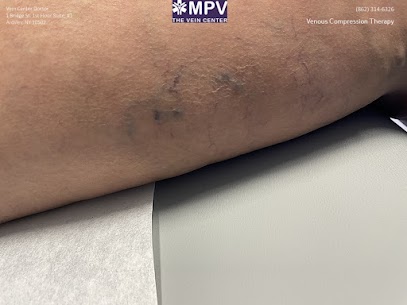
Vein disease spans a continuum, from cosmetic nuisances to limb-threatening ulcers. Coordinated care at a vein treatment center brings order to that complexity. With a clear map, the right tools, attentive follow-up, and respect for the patient’s life, most legs move toward comfort and health. That is the quiet promise of a well-run vein and vascular clinic, kept one visit at a time.