Top Mistakes to Avoid in DIY Nuisance Wildlife Management
Wildlife crossing into human space rarely looks like a nature documentary. It looks like raccoons tearing open attic insulation, squirrels chewing through soffits and wiring, skunks nesting under decks, or starlings boxing out a bathroom vent. The temptation to “fix it fast” is strong, especially after a sleepless night with thumps overhead. I have watched homeowners spend more money and time unraveling a rushed DIY attempt than they would have with a thoughtful plan or a call to a qualified wildlife trapper. The difference is not just skill, it is strategy and respect for animal behavior, building science, and local laws.
This guide lays out common mistakes I see in nuisance wildlife management and how to avoid them. It does not glamorize professional secrets. It focuses on practical, field-tested judgment. If you prefer to handle a problem yourself, you still deserve the same standard: safe, legal, humane, and effective.
Misreading the Problem: Species, Season, and Structure
Every effective wildlife control job starts with identification. Many DIYers rely on a snapshot diagnosis, then build the entire plan on a bad assumption. Rodent-sized droppings, shredded insulation, and night noises get blamed on mice when the real culprits are flying squirrels. Daytime attic noise gets dismissed as “settling,” then a raccoon sow raises young above a bedroom. Misidentification cascades into wrong baits, traps, and timelines.
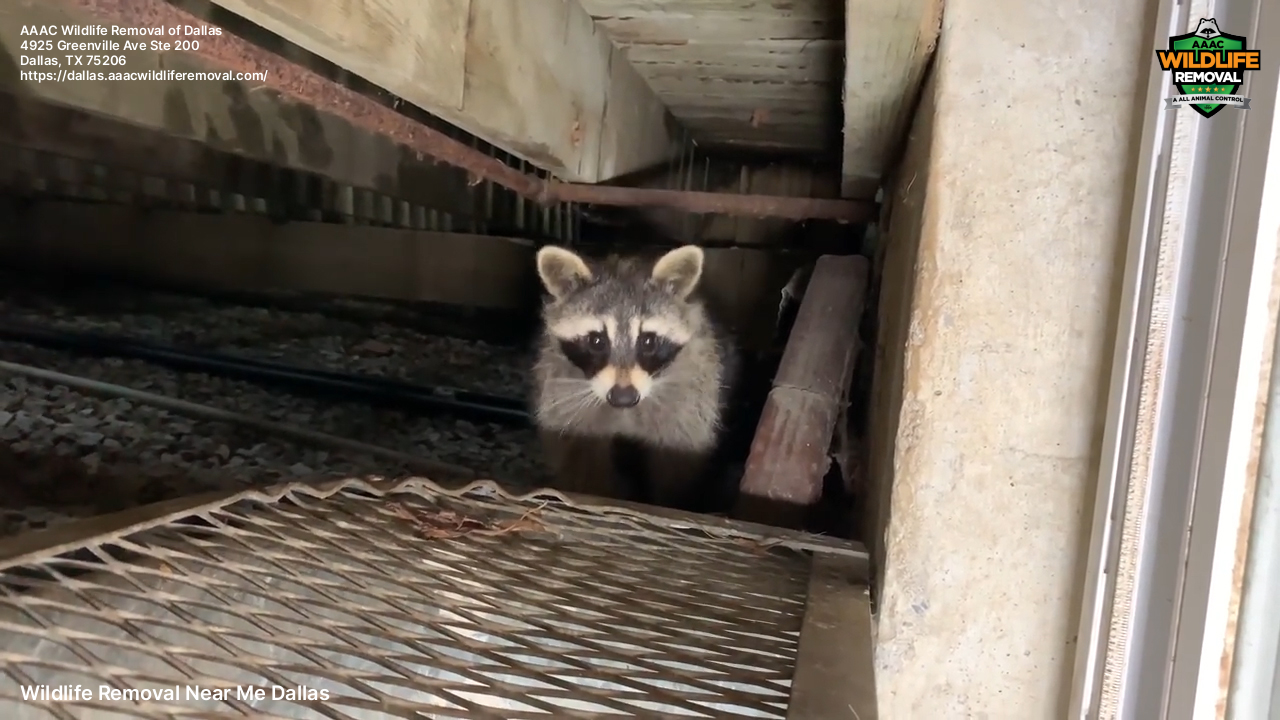
The species sets the entire rhythm. Raccoons can pry open flimsy repairs. Squirrels bypass bait for sunflower seeds cached inside the attic. Bats return to maternity roosts and are federally protected in many places during certain months. Skunks will spray in confined spaces if handled poorly. Birds like chimney swifts require different approaches than starlings or house sparrows. If you do not know the species, you cannot choose legal methods, correct trap placement, or reliable exclusion materials.
Season matters as much as species. From roughly late winter through mid-summer, many mammals are raising young. Closing a hole in May may trap baby squirrels or raccoons inside. That is not just inhumane, it turns a nuisance into a biohazard when the mother tears deeper into the house or the young die in the attic. Bats have maternity seasons when exclusion is prohibited for good reason. Birds may be protected while nesting. If timing is wrong, back up and adjust the plan. Waiting a few weeks or choosing a different tactic often prevents a disaster.
The structure is the third leg of the stool. Houses telegraph entry points, but only if you look with a builder’s eye. Drip edges, gable ends, dormer tie-ins, ridge vents, dryer vents, corroded chimney caps, and deck ledger gaps all tell a story. Squirrels exploit as little as 1.5 inches. Rodents need less. A raccoon needs a weakened edge, then uses leverage to enlarge it. If you focus only on the “obvious hole,” you miss the route the animal used and the feeder conditions that keep it returning, like an overhanging limb or a bird feeder placed three feet from a soffit.
Illegal or Inhumane Trapping: A Shortcut That Bites Back
I have confiscated more than a few homemade snares and online bargain traps that violate local wildlife control laws. In many states, transporting wildlife without a permit is illegal. Relocating animals may be illegal or discouraged because it spreads disease and usually dooms the animal. Some homeowners set body-gripping traps in attics, a serious safety risk that also creates gruesome outcomes. Fines are only part of the story. Improper trapping increases bite risks and disease exposure, and often injures animals that then die in inaccessible spaces.
If you will trap, do it right. Know whether your jurisdiction allows cage traps, one-way doors, or only exclusion. Learn the required check times, often every 24 hours. Understand where release is legal, if at all. And be realistic about your plan for captured animals. If you cannot legally and humanely process a raccoon at 2 a.m. during a rainstorm, you should not set that trap.
Most of the time, wildlife pest control hinges on exclusion rather than trap-and-release. One-way doors, paired with thorough sealing of secondary gaps, are the backbone of humane and effective work. When a one-way door is sized and placed correctly, animals exit to forage and simply cannot reenter. No confrontation, minimal stress. But a one-way door on a maternity colony or littered attic creates a cruelty problem and a housewide odor issue. This is where experience pays for itself.
Sealing Too Soon, Worse, Sealing the Wrong Spots
The most common DIY mistake I see: a quick patch over the obvious hole using a flimsy material. The animal is still inside, trapped. Panic sets in. The next night, a new hole appears in a soffit fifteen feet away, along with shredded ductwork and urine-stained drywall.
Proper exclusion takes place after you confirm animals are out or remove them. That confirmation is not guesswork. It can include visual checks at dusk or dawn, monitoring on cameras, tracking powder at the exit, or staged one-way door use followed by a quiet attic and no new sign for 48 to 72 hours. Only then do you seal.
Sealing is not a dab of expanding foam. Foam is a filler and insulator, not a structural barrier. Squirrels chew it like marshmallow. Raccoons rip it like pastry. Birds peck it apart. The base layer should be a rigid material that matches the build details. Galvanized hardware cloth, 16 gauge steel screen, aluminum flashing, steel drip edge, ridge vent guards, reinforced vent covers, and stainless chimney caps are common. The foam, if used at all, is for drafts and insects after the hardware does the heavy lifting.
The wrong spots are equally costly. Think perimeter, not point. If you install a one-way door at the main exit, you also harden every other weak point in a three to six foot radius. Animals circle the area, test edges, and push on anything that gives. One unreinforced shingle edge is all it takes to undo your work.
Ignoring the Mother-and-Young Problem
Wildlife exclusion services build entire calendars around birthing seasons. A raccoon sow in an attic can stash kits in a sagging soffit or under batts, and she will fight hard to reach them. Squirrels carry young by the scruff and tunnel deeper if their main hole is closed. Bats cluster in maternity roosts, and many regions have non-exclusion windows that protect them.
It is heartbreaking to check an attic after a thoughtless exclusion attempt and find dehydrated squirrels or kits wedged behind plaster. Aside from ethics, decaying wildlife in a hot attic turns a nuisance into a cleanup bill with respiratory risks. If you hear chirping or rapid, high-pitched squeaks in spring, assume young are present. If the animal returns repeatedly during the day, assume young. Professionals use thermal imaging, gentle probing, or careful hand retrieval to gather young, then place them in a heated reunion box outside the entry so the mother relocates them. Homeowners can fashion a basic reunion box with a ventilated container, warmed by hand warmers, placed in shade near the original exit. But this takes care and timing, and not every situation is safe for DIY.
Overreliance on Repellents and Gimmicks
The market is full of “no-trap” fixes: ultrasonic repellers, predator urine, ammonia rags, peppermint oil, strobe lights. A skeptical rule of thumb: if it sounds too easy to be true, it’s a stall tactic. These measures may briefly nudge exploratory animals, but they rarely solve established denning or roosting. You might buy a week of quiet, then the noises return, or the animal moves to a worse location.
Sound, light, and scent can be tools within a larger plan. For example, during non-maternity windows, a bright work light and a portable speaker in the attic may encourage raccoons to leave before you install a one-way door. But that only works if you follow with real exclusion. The same goes for taste repellents on deck boards to deter skunks under a step, used alongside trenching and hardware cloth. Repellents are seasoning, not the main dish.
Neglecting Sanitation and Feeders
The best wildlife removal services do not stop at the hole. They look at the property. Bird feeders that spill a pound of seed a week feed rodents and draw squirrels. Pet food on the porch becomes raccoon bait. Open compost and unsecured trash create a buffet for opossums and skunks. Attics with heavy rodent odors attract new occupants. Even a leaky gutter that rots fascia creates an easy entry for animals that would otherwise stay outside.
Sanitation does not mean sterilizing your yard. It means denying wildlife the easy calories and easy leverage points. That alone will not eject a raccoon from an attic, but it reduces future pressure. I’ve watched a place go from weekly squirrel incursions to none after the owner removed two feeders, trimmed a limb, and installed a seed catch tray on a pole at least ten feet from the house. Small steps, big results.
Underestimating Disease and Safety Risks
Wildlife pest control involves zoonotic risk. Raccoons can carry roundworm eggs that persist in dry feces and remain infectious for years. Bats can carry rabies, and any potential human contact requires medical assessment. Rodent infestations can aerosolize hantavirus in certain regions. Skunks bring both rabies risk and chemical defense. Fleas, ticks, and mites migrate from wildlife into living spaces, particularly after a host is removed.
Personal protective equipment is not optional. At minimum, use gloves, eye protection, and an appropriate respirator when working around droppings in enclosed spaces. A dust mask is not a respirator. A P100 or N100 with an exhalation valve is my usual pick for attics, paired with disposable coveralls. If you cannot ventilate an attic or you are unsure what you are breathing, postpone the job. I have walked away from attics with contamination so heavy that a professional decontamination crew with negative air machines was the only safe option.
Electrical hazards matter too. Squirrels gnaw wire insulation. Nesting can bury junction boxes. Stepping through loose insulation at 2 a.m. with a headlamp is a recipe for a misstep. If you are moving around attic framing, go slowly, keep weight over joists, and use temporary planks. In crawl spaces, assume screws are pointing downward and keep a hard hat on. You want to finish wildlife control with a sealed house, not a trip to urgent care.
Skipping the Inspection and Monitoring Phase
Any wildlife control plan should begin and end with inspection. Before you set a trap or install a one-way door, you need a baseline: where, how many, how fresh. After you think you have solved it, you need proof. A lot of DIY frustration comes from making moves in the dark, then reacting to surprises.
A simple approach works. Walk the perimeter slowly, nose to siding. Look at soffit edges, roof-wall intersections, chimney crowns, and vent covers. Climb into the attic during daylight and again at dusk if safe. Use a flashlight and look for rub marks, shiny trails on wood where fur has polished the surface, fresh droppings, or insulation displaced into pathways. Track entry points from residential pest control inside to outside. If you cannot find both sides of a suspected hole, do not guess. Cameras are inexpensive. A $40 trail cam aimed at a suspected ridge vent can confirm species and timing overnight without disturbing anything.
Once you have installed a one-way door or trap, monitor. Cameras again pay off. Tracking powder or old-school flour sprinkled below a suspected exit can show footprints. Put a piece of tape across the one-way door flap to see whether it opens. Listen for vocalizations. Silence for two or three nights means one thing with squirrels, another with raccoons, and something else with mice. Build a habit of verifying, not hoping.
Using the Wrong Hardware and Techniques
Hardware choices either hold up to teeth and leverage or fail when the animal tests them. Many homeowners buy thin mesh marketed for gardens, then find it chewed through in a night. Dryer vent covers with plastic flappers crack or warp and invite birds. Standard ridge vents invite bats and rodents if not reinforced.
Materials that tend to hold up: 16 gauge galvanized hardware cloth with half-inch mesh for squirrels and raccoons, quarter-inch for mice. Stainless when corrosion is likely, such as near ocean air. Heavy-gauge aluminum flashing properly hemmed and screwed into framing, not just caulked to shingles. Chimney caps with welded wire, not expanded metal that can deform. Commercial-grade vent guards with backplates that screw into sheathing, not just pressed into siding.
Technique matters more than material. Overlap hardware onto solid framing whenever possible. Pre-drill and use roofing screws, not nails that back out. Hem edges so no sharp wires stick out to injure you or create pry points. Seal layered assemblies in the right order: hardware first, then sealant to close minor gaps, then any cosmetic trim. If you are not comfortable on a roof or ladder at working height, hire it out. A secure, clean, and safe install beats a wobbly patch with gaps.
Forgetting the Attic Aftercare: Cleanup and Restoration
Even after you remove the wildlife, the attic remains marked by scent and contamination. Urine and feces, nesting material, fleas, and compressed insulation do not fix themselves. If you skip cleanup, new animals find the spot. If you breathe unprotected during cleanup, you may expose yourself to pathogens.
Aftercare scales with severity. A light squirrel presence might mean removing small nests, HEPA vacuuming droppings, and treating with an appropriate disinfectant that targets the specific risk profile for your region. A heavy raccoon infestation can require removing and replacing sections of insulation, sealing stained sheathing with shellac-based products to lock in odor, then re-insulating. Professional wildlife removal services often include or coordinate this work with pest control sanitation standards. For DIY, be honest about capacity. A few trash bags with gloves is one thing. Ten contractor bags of contaminated insulation and a tight attic is something else. There is no shame in calling help for the dirty end.
The Bird and Bat Blind Spots
Homeowners often conflate birds and bats with bigger mammals, then apply the wrong tools. Birds in vents are a frequent complaint. Dryer and bathroom vents invite starlings and sparrows. Chimney swifts often roost and nest in flues. Bat issues usually involve ridge vents, fascia gaps, or chimney areas.
Birds: respect nesting cycles and species protections. Many songbirds are protected, and removing active nests can be illegal. Starlings and house sparrows are often exempt, yet you still owe them a humane approach. Vent cleaning must be followed by a proper backdraft damper and an external guard that does not block airflow. Dryer vents need guards specifically designed to prevent lint accumulation. Bath and kitchen vents need rigid duct, not flex, and sealed joints. If you do not fix the airflow and cover properly, the birds return.
Bats: most regions protect them, especially mothers and pups in summer. Exclusion windows are enforced, and for pest control good reasons. One-way bat valves installed outside allowed windows work well, but sealing must be meticulous, including tiny gaps along the fascia and ridge line. Foam alone fails. Thin screen fails. Mis-timed exclusions lead to frantic bats entering living areas. This is the part of wildlife pest control that often warrants a licensed pro with bat experience.
When Rodents Are Not “Just Mice”
Rodents deserve their own note. Mice and rats behave differently. Mice are light, exploit tiny gaps, and travel along consistent routes. Rats are stronger, more suspicious of new objects, and can chew through lighter materials. A homeowner who sets a few snap traps then declares success might only be culling a fraction of a population. Without sealing entry points and removing food sources, the problem continues. Poison seems like a shortcut, but it introduces secondary poisoning risks to pets and predators, and it often drives dying rodents into walls, leading to odor complaints.
Snap traps, baited sparingly and placed along travel routes behind appliances and along baseboards, can be effective. But the backbone of rodent control is exclusion and sanitation. Half-inch hardware cloth on foundation vents, door sweeps with internal metal cores, escutcheon plates where pipes penetrate, and sealed utility chases matter more than bait choice. If droppings appear fresh after you think you have sealed, you missed an entry. Hunt again, and get granular.
The Real Cost of “Cheap”
I have walked up to $20 fixes that cost $2,000 in damage. A homeowner stuffed a soffit hole with a rag and spray foam. A raccoon sow tore into the eave, ripped ductwork, and contaminated insulation. Another sealed a dryer vent with a plastic cover meant for bathroom exhaust. Lint clogged, a bird nested, and the dryer overheated. A homeowner used a makeshift live trap and stuck it in a crawlspace without checking for two days. The captured skunk sprayed, the crawlspace soaked, and the subfloor held odor for weeks.
Nuisance wildlife management is a discipline that borrows from carpentry, building science, animal behavior, and public health. Good wildlife control rarely looks dramatic. It looks boring: careful inspection, right-sized hardware, methodical sealing, and patient monitoring. When a job ends quietly, you did it right.
Practical checkpoints for DIY efforts
Use this short, practical set of checks before you commit to a path. It is not exhaustive, but it will prevent the most expensive mistakes.
Can you positively identify the species, confirm seasonality issues like young or maternity, and comply with local wildlife control laws for traps and exclusion timing? Are you prepared to monitor exits and verify vacancy before sealing, using cameras, sight checks at dawn or dusk, or simple track methods? Do you have appropriate materials for exclusion, such as 16 gauge galvanized hardware cloth, ridge vent guards, and metal-backed vent covers, plus the tools to secure them safely? Have you addressed attractants and structural contributors like bird feeders near the house, low-hanging limbs, trash access, and rotted fascia? Do you have a plan and protective equipment for cleanup, and a threshold for when to call wildlife removal services or a specialized wildlife trapper?
Where Professionals Earn Their Keep
There are moments when calling in wildlife removal services is not an indulgence, it is the sensible move. Examples include bats during protected windows, raccoons with young in tight attics, repeat squirrel incursions through ridge lines, heavy contamination that requires insulation removal and sanitization, and any case where electrical hazards or structural rot complicate access. A seasoned wildlife trapper will not just set a trap. They will trace the animal’s route, identify pressure points on the structure, and choose a sequence that avoids collateral damage. They also carry insurance, understand legal constraints, and can document the work for future buyers or insurance claims.
The best pros treat exclusion like craftsmanship. They hem hardware cloth so it does not cut shingles, choose screws that match the roof system, and leave a clean line that blends with the house. They also tell you what not to do, which is as valuable as any repair.
A few grounded scenarios
Attic scratching at dusk and dawn in late February in the Northeast, with small chew marks on fascia. Likely gray squirrels. Plan: dusk monitoring to confirm exits, install one-way door at main hole, simultaneously harden nearby gaps within a three-foot radius, monitor for two to three quiet nights, then remove device and permanently seal with hemmed hardware cloth and flashing. Trim a limb that provides a runway. Avoid during April if pups are detected.
Heavy thumping at night in March, with insulation crushed into trails and larger droppings on joists. Likely raccoon. If vocalizations include chittering, assume kits. Plan: slow inspection to locate kits, use a heated reunion box and allow the sow to relocate after installing a one-way door, only outside legal and ethical windows. If unsure, call a pro. After removal, cap chimney and reinforce eaves.
Small, frequent nighttime squeaks near ridge, with guano-like pellets and a faint musty odor in July. Likely bats, possibly maternity season. Plan: do not exclude now if local rules prohibit. Schedule an inspection and exclusion during allowed window, using bat valves and meticulous sealing of micro gaps, then follow with guano cleanup using proper PPE.
Bird nesting in a bathroom vent with lint and debris exiting the exterior hood. Likely starlings or sparrows. Plan: after fledging, clean the vent, replace with a proper backdraft damper and a metal guard designed for that vent type. Avoid generic plastic covers for dryer vents. Inspect for internal duct damage.
The long view: prevention is the cheapest fix
Nuisance wildlife management becomes easier when you think like a building steward. A half-day once or twice a year pays off:
Walk the roofline, or use binoculars from the ground, to spot lifted ridge vents, cracked chimney crowns, rotted fascia, or missing soffit panels. Small repairs now prevent wildlife later.
This single item is one of two lists allowed. It deserves the slot because it compresses recurring, preventive tasks into a quick routine that homeowners can actually follow. But prevention is still about judgment. If you find a problem that exceeds your comfort or safety, stop. Wildlife pest control rarely rewards bravado.
Nuisance wildlife management sits at the intersection of empathy and pragmatism. Animals are not villains. They are opportunists. If your house offers a warm, dark, food-adjacent cavity, something will take it. Your job is to make that opportunity disappear, safely and legally. Avoid the common mistakes, choose solid materials, respect breeding cycles, and verify your results. Whether you handle it yourself or call a professional, aim for the quiet victory: a sealed home, no drama, and the wildlife thriving outside where it belongs.