Memory Care Activities That Glow Happiness and Engagement
Business Name: BeeHive Homes of Lamesa TX
Address: 101 N 27th St, Lamesa, TX 79331
Phone: (806) 452-5883
BeeHive Homes of Lamesa
Beehive Homes of Lamesa TX assisted living care is ideal for those who value their independence but require help with some of the activities of daily living. Residents enjoy 24-hour support, private bedrooms with baths, medication monitoring, home-cooked meals, housekeeping and laundry services, social activities and outings, and daily physical and mental exercise opportunities. Beehive Homes memory care services accommodates the growing number of seniors affected by memory loss and dementia. Beehive Homes offers respite (short-term) care for your loved one should the need arise. Whether help is needed after a surgery or illness, for vacation coverage, or just a break from the routine, respite care provides you peace of mind for any length of stay.
View on Google Maps
101 N 27th St, Lamesa, TX 79331
Business Hours
- Monday thru Sunday: 9:00am to 5:00pm
Follow Us:
- Facebook: https://www.facebook.com/BeeHiveHomesLamesa
-
YouTube: https://www.youtube.com/@WelcomeHomeBeeHiveHomes
🤖 Explore this content with AI:
💬 ChatGPT 🔍 Perplexity 🤖 Claude 🔮 Google AI Mode 🐦 Grok
Caregivers often ask a version of the very same concern: what in fact keeps someone with amnesia engaged, not just occupied? The answer resides in the details. It's less about novelty and more about meaning. When we customize activities to a person's history, senses, and daily rhythms, we see eyes lighten up, shoulders relax, and discussion rise to the surface area again. Those moments matter. They likewise build trust, minimize stress and anxiety, and make caregiving smoother for everyone involved, whether in your home, in assisted living, or during brief stretches of respite care.
I have actually prepared and led numerous activities across the spectrum of senior care, from early-stage programs to innovative dementia areas. The ideas below come from what I've seen succeed, what caretakers tell me operates in their homes, and what residents keep requesting. Consider them starting points, not scripts. The very best memory care takes place when we adjust on the fly.
Start with a life story, not a calendar
A calendar can fill a day, but a life story fills a person. Before choosing any activity, build a fast profile that covers the essentials: work history, hobbies, faith or rituals, music from their youth, favorite foods, clubs or groups they followed, family pets, and crucial relationships. Even five minutes of speaking with a partner or adult kid can uncover a thread that alters everything.
A retired curator, for instance, might illuminate when arranging book carts or going over a preferred author. A former mechanic frequently relaxes with nuts and bolts, a rag to polish a hubcap, and a stool that shows the posture and purpose of a familiar job. One of my citizens, a former kindergarten instructor, battled with conventional trivia however might lead a circle time song perfectly. We made that her role after lunch. She always remembered the words.
In senior living neighborhoods, this information generally lives in a care strategy. Ask to see it, and contribute to it. In home or household caregiving, keep a simple "likes and loop" sheet on the refrigerator: songs, programs, safe jobs, familiar routes, and calming expressions that can reroute hard moments. When respite care is organized, sharing these notes lets the going to group hit the ground running.
The science behind joy: sensation, rhythm, and success
Memory loss modifications how the brain processes info, but three pathways remain remarkably resistant: rhythm, feeling, and feeling. That's why music reaches individuals when conversation doesn't, and why a warm hand towel can soften resistance to bathing. Activities that work usually have at least 2 of these components:
Predictable rhythm or sequence, like a drum beat, kneading dough, or folding towels. Positive emotion hints, like a preferred hymn, a group's battle song, or the smell of cinnamon. Tactile or multi-sensory elements that don't rely on short-term memory to remain satisfying.
Keep the "success bar" low and the feedback immediate. If the individual can see, odor, hear, or feel the outcome quickly, they'll often stay longer and enjoy it more.
Music first, music always
If I needed to select one activity classification to take onto a deserted island memory unit, it would be music. Playlists work, but live engagement works better. You do not need a terrific voice, just familiarity and interest. Start with three to 5 songs from the person's teenagers and early twenties. That's usually where the strongest emotional ties are.
Make it interactive in basic methods: tap the beat on the armrest, use a shaker egg, or invite humming. I've seen locals who hardly speak suddenly belt out a chorus from a Patsy Cline song or balance to a church hymn. In sophisticated dementia, a low, constant hum often soothes uneasyness within a minute or more. And it does not need to be sentimental: a current study group I led responded similarly well to nature soundscapes paired with soft, physical cues like hand massage.
In assisted living, create a standing "music moment" after lunch, when energy dips and sundowning can begin. Keep it short, 12 to 20 minutes, and end before attention subsides. At home, combining a playlist with routine tasks like grooming or medication time can anchor the day.
Hands hectic, mind engaged: tactile stations that work
When words become slippery, hands can keep the mind engaged. Think in stations. On a table or tray, set up easy, recurring tasks with a concrete result. Rotate them weekly to prevent fatigue.
A couple of that consistently work:
Folding and arranging fabric: utilize color-coded towels, napkins, or infant clothes. The brain acknowledges the domestic rhythm and the sense of completion. Nuts-and-bolts board: screwdrivers eliminated, simply hand-turn assemblies they can begin and complete. Label it a "project" rather than "treatment." Flower arranging: silk or genuine stems, a narrow vase, and simple color cues. Even a few stems succeeded look lovely and produce immediate pride. Button and zipper boards: dressmaker scraps develop into practical, familiar handwork and improve mastery for daily dressing. Texture tray: smooth stones, soft brushes, polished wood, a lavender pouch. Invite gentle exploration with a few helpful words, not instructions.
Each station need to pass a fast security check, specifically in communal memory care settings. Get rid of choking threats, sharp points, and anything that might trigger aggravation if it gets stuck. Go for pieces large enough to grip, light enough to move, and different adequate to observe without intense focus.
Food as memory: smell it, taste it, share it
The kitchen area is an effective theater for memory. Scent triggers recall faster than discussion can. You don't require complete recipes to benefit. Pre-measure dry components so the individual can put, stir, and pinch. Keep it safe and simple.
We have actually had success with banana bread sets, no-bake cookies, and fruit salad assembly. For citizens who can't follow actions however enjoy participation, appoint sensory functions: cinnamon sniffers, taste checkers, napkin folders, mixing bowl holders. In senior living, you'll require to coordinate with dining groups for devices and sanitation. At home, set out tools in the order you prepare to utilize them and offer visual triggers rather than spoken instructions.
Meals also use peaceful engagement. A tasting flight of familiar products - cheddar, apple pieces, crackers, a small spoon of peanut butter - can reignite cravings. For those with advanced amnesia, finger foods in attractive silicone muffin liners include dignity and independence. Constantly adjust for dietary requirements and swallowing security, and keep water or preferred beverages at hand.
Nature as a steady companion
If a resident used to garden, they will generally still react to soil, leaves, and sunlight. Even if they weren't a passionate gardener, nature has a method of decreasing the nerve system's volume. A brief walk on a safe, familiar path counts as an activity. So does watering a planter, arranging seed packets by color, or cleaning leaves with a damp cloth.

In a memory care yard, build a loop without any dead ends. Location simple wayfinding markers - a brilliant birdhouse, a red chair, a wind chime - at periods so the landscape feels safe and intriguing. Seasonal touchpoints assistance: a pumpkin to set on a table, tomatoes to choose with a guide's hand under theirs, or a spring herb bed with durable options like mint and thyme. A resident who no longer uses language may carefully rub thyme between fingers and after that smile when the aroma releases. That moment is engagement, not just a great extra.
When the weather can't cooperate, bring nature inside. A little tabletop fountain, a box of pinecones, or perhaps a rotating slideshow of familiar places can settle the room. Combine the visuals with a light job: "Let's polish these shells so they shine."
Movement that meets the body where it is
Exercise programs can feel intimidating. Drop the word "exercise" and use motion. Keep it balanced and relational. Chair dance works well to familiar music, especially when the leader mirrors motions slowly and warmly. Hand squeezes, shoulder rolls, and ankle circles loosen up tightness without overwhelming attention spans.
In early-stage groups, I've utilized balloon beach ball to great impact. The balloon moves gradually, which creates laughter and success. Set clear boundaries so folks do not stand suddenly. For later phases, a weighted lap blanket or a soft therapy ball passed hand to hand creates a safe, relaxing pattern. Occupational and physical therapists can use targeted concepts. In senior care communities, partner with them to develop brief, daily micro-sessions rather than once-a-week marathons that locals forget.
Watch for tiredness and face hints. If the jaw tightens up or considers avert, reduce the set and end with a relaxing cue, like a deep breath together or a preferred chorus.
Conversation, connection, and the right kind of questions
Open-ended questions can feel like traps when recall is irregular. Yes-or-no and either-or choices work better. Rather of "What did you do for work?", attempt "Did you enjoy dealing with people or with your hands?" If memory still produces tension, switch to positive prompts: "Inform me about the very best soup you ever had," then provide a couple of examples to spark the path.
Props help. A box of family products from the 1950s and 60s - a rotary phone, an egg beater, a scarf - typically unlocks stories. Do not right details. Accuracy matters less than the feeling of being heard. When a story loops, ride it one or two times, then redirect with a mild bridge: "That reminds me of this record you liked. Should we put it on?"
In assisted dealing with mixed populations, host small table talks, three to five people, with a style and a facilitator who knows how to pivot. In home settings, tea at the kitchen area table with one or two visitors works finest. Keep sounds low, lighting even, and background mess minimal.
Purpose beats pastime
Activities with noticeable function bring more weight than amusements. People with dementia still crave usefulness. I worked with a retired postal employee who arranged outgoing mail into color-coded bins for years after he moved into memory care. It became his identity and social function. Staff would give him "morning mail" after breakfast, and he 'd provide envelopes to departments with a proud stride. His agitation visited half. Families saw him doing significant work, which reduced their own grief.
Other purposeful tasks: setting tables with placemats and flatware, matching socks, making basic cards for birthdays, or bagging toiletries for a regional shelter. Even in later phases, someone can place a sticker on a bag or press a stamped heart onto a card. The point is involvement, not perfection.
Visual art that honors procedure over product
Art can go sideways if we promote a finished piece that looks a particular way. Concentrate on sensory experience and procedure. Pre-tape the edges of watercolor paper so any result looks framed and deliberate. Offer bold, contrasting colors and big brushes. If an individual just paints one corner for 10 minutes, that's a success. They participated, felt the brush in their hand, and saw color blossom on the page.
Collage works for a variety of abilities. Tear, do not cut, to streamline. Deal images that get in touch with their past: nature scenes, pet dogs, tractors, ballparks, quilts. Glue sticks beat liquid glue for control. In group sessions, play soothing music and narrate gently: "I love how that blue feels beside the sunflower." Small comments stabilize the quiet concentration and invite ongoing effort.
For those in advanced phases, consider safe finger painting on freezer paper with taste-safe paints, or "painting" with water on a dark slate board so the marks appear then fade without mess.
Faith, ritual, and cultural anchors
Faith-based examples can be life rafts. Short, familiar prayers, the indication of the cross, Sabbath candles (battery-operated if needed), or reciting a stanza from a valued hymn often cuts through stress and anxiety. In senior living and memory care, coordinate with chaplains or going to faith leaders to create short, considerate services with high involvement and low cognitive load. Five to fifteen minutes is plenty.
Culture appears in food, celebration, language, and craft. A resident raised in a tight-knit Caribbean household might respond to steel drum rhythms, sorrel tea, and intense fabric. Someone with midwestern farm roots may settle throughout a video of harvest scenes and the noise of a distant train. Ask, then honor what you learn.
When the day turns: de-escalation as an activity
Late afternoon can bring restlessness. Prepare for it, don't combat it. Dim harsh lights, put on soft music with a constant pace, and decrease visual mess on tables. Offer hand massage with a familiar lotion. A warm washcloth on the hands or face signals comfort. If roaming begins, produce a loop path and walk with them, utilizing mild commentary and the environment as hints: "Let's look at the violets. I believe they're thirsty."
If you remain in a senior living community, train the team to treat de-escalation as a shared activity block, not just a nursing job. When everyone knows the hints and responds with the exact same calm steps, residents feel held, not singled out.
Adapting activities across stages
Early-stage dementia: People typically maintain deep knowledge however might tire quickly or misplace intricate sequences. Deal management roles. A former cook can show how to zest a lemon for the group. Blend self-confidence defense with scaffolding. Provide composed hint cards with short expressions and big print.
Middle phases: Concentrate on sensory, rhythm, and short sets. Break the day into little, trusted rituals. Set discussion with props and prevent "screening" questions. Supply parallel involvement opportunities so those who choose to watch can still feel included.
Advanced stages: Engagement ends up being micro and intimate. Believe one-to-one, 5 to 10 minutes. Music, touch, fragrance, and safe challenge hold. Look for micro-signs of enjoyment: a softened eyebrow, a longer exhale, a small hum. That's success.
Safety, dignity, and the art of the prompt
The timely is everything. "Let me show you," can feel infantilizing. "Can you assist me with this?" aspects firm. Stand or sit at eye level. Deal one guideline at a time and wait longer than feels natural. Silence is not failure, it's processing. If aggravation increases, you can step back and relabel the task: "This one is fiddly. Let's try the simple part."
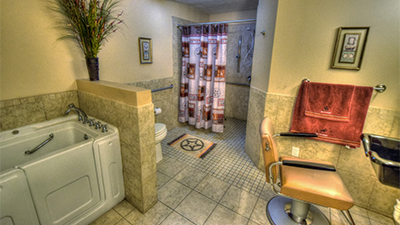
In memory care communities, adapt activities to the environment. Clear tables of competing materials. Label storage with photos, not simply words. Keep heavy products below shoulder height. In home settings, get rid of tripping threats from routes utilized for walking activities, and lock away cleaning up items that look like lemonade or sports drinks.
The role of household, volunteers, and respite care
Families bring the best insider knowledge. Their stories become the seeds of activities. Motivate them to generate labeled image sets with basic captions, preferred music on a flash drive, or a few products from a pastime box that can reside in the resident's room. Throughout respite care, those touchpoints help short-lived personnel bridge the gap quickly. A two-day break for a family caregiver can feel less disruptive when the person still experiences familiar hints and routines.
Volunteers can add fresh energy, but they need training. A 30-minute orientation on interaction style, pacing, and redirection strategies will save hours of frustration. Combine new volunteers with personnel for the very first couple of sees. Not every volunteer suits memory work, which's alright. The ones who do become valued regulars.
Measuring what matters: small data, genuine change
You will not get best metrics in this work, however you can track useful signals. Log involvement length, visible state of mind shifts, and incidents of agitation before and after. A simple 0 to 3 state of mind scale, kept in mind two times a day, can show trends over weeks. I as soon as piloted a 15-minute early morning music-and-movement session for a memory care hallway. After 2 weeks, personnel reported a 20 to 30 percent drop in pre-lunch uneasyness. We didn't win awards for the exact number. We won a calmer corridor and happier residents.
In assisted living with combined cognitive levels, attempt activity zoning. Deal a quieter sensory location alongside a more social game table. Individuals self-select, and staff can action in where they see strong interest.
Common risks and how to prevent them
Too much stimulation: Loud music, overlapping discussions, and bright television screens will wreck otherwise excellent strategies. Choose one focal point at a time.
Activities that feel childish: Prevent preschool visuals and language. Grownups should have adult textures and themes. We can streamline without condescending.
Overly intricate actions: If an activity requires more than 2 or 3 directions at the same time, break it into stations with a guide at each point.
Inconsistent timing: Regimens help the brain expect. Anchor the day with a couple of predictable sessions, even if they're short.
Forcing participation: Deal, welcome, and after that pivot if it doesn't land. People notice our urgency and might withstand it.
A sample day that breathes
Every neighborhood and home has its rhythms. This is one example that has worked in memory care neighborhoods and can be adapted for home care. The times are versatile, the circulation matters.
Morning:
Gentle wake-up with favored music, warm washcloth for hands, and a brief stretch series. Breakfast with a small tasting plate for range. Afterward, a purpose-based job like arranging napkins or inspecting the "mail."
Midday: Conversation with props at a peaceful table, followed by a brief nature walk or yard visit. Light lunch with finger-food options. Post-lunch music minute, 12 to 15 minutes, then rest.
Afternoon: Tactile station rotation: flower setting up, nuts-and-bolts board, or watercolor. Snack with a familiar beverage. As late afternoon methods, shift to de-escalation hints: lower lights, hand massage, soft humming.
Evening: Simple common activity like a picture slideshow of landscapes, then embellished wind-down regimens. Keep TV content calm and foreseeable, or turn it off.
This shape appreciates energy patterns and protects dignity. It likewise gives staff and family caretakers predictable touchpoints to prepare around.
Bringing all of it together throughout care settings
Assisted living frequently houses both independent citizens and those with cognitive modification. Excellent programs fulfills both needs. Arrange combined activities with clear entry points for different ability levels. Train personnel to check out subtle signals and provide parallel roles. A trivia hour, for instance, can consist of a music-identify sector so somebody with memory loss can hum along while others answer.
Dedicated memory care neighborhoods gain from much shorter, more frequent sessions and plentiful sensory hints. Integrate engagement into care tasks. A bathing regimen with lavender aroma, music, and warm towels is as much an activity as a painting group.
Respite care, whether a weekend stay or a few hours of in-home assistance, prospers on connection. Supply a one-page profile with favorite tunes, soothing methods, and go-to activities. The first ten minutes set the tone. A good handoff is more valuable than a long list of rules.
Senior living campuses that serve a variety of needs can construct bridges between levels. Invite independent residents to co-host easy events - checking out a poem, leading a singalong - after training them in gentle communication. Intergenerational gos to can be powerful if designed thoughtfully: brief, structured, and centered on shared sensory experiences instead of chat-heavy formats.
The quiet pride of excellent work
When this goes well, it can look stealthily simple. A male humming while he smooths a stack of placemats. A woman smiling at the aroma of lemon on her fingers. Two next-door neighbors passing a soft ball backward and forward in a consistent, kind rhythm. These are not fillers. They are the heart of elderly care succeeded. They decrease habits that result in unneeded medication, lower caregiver stress, and give households back minutes that feel like their person again.
Sparking delight in memory care is not about home entertainment. It's about bring back roles, honoring histories, and utilizing the senses to construct bridges where words have actually faded. That work resides in assisted living, in specialized memory care, in home cooking areas, and throughout much-needed respite care. It resides in little choices made hour by hour. When we form the day around what still shines, engagement follows. And in those minutes, the space warms. Individuals lift. The day ends up being more than a schedule. It becomes a life being lived.
BeeHive Homes of Lamesa TX provides assisted living care
BeeHive Homes of Lamesa TX provides memory care services
BeeHive Homes of Lamesa TX provides respite care services
BeeHive Homes of Lamesa TX supports assistance with bathing and grooming
BeeHive Homes of Lamesa TX offers private bedrooms with private bathrooms
BeeHive Homes of Lamesa TX provides medication monitoring and documentation
BeeHive Homes of Lamesa TX serves dietitian-approved meals
BeeHive Homes of Lamesa TX provides housekeeping services
BeeHive Homes of Lamesa TX provides laundry services
BeeHive Homes of Lamesa TX offers community dining and social engagement activities
BeeHive Homes of Lamesa TX features life enrichment activities
BeeHive Homes of Lamesa TX supports personal care assistance during meals and daily routines
BeeHive Homes of Lamesa TX promotes frequent physical and mental exercise opportunities
BeeHive Homes of Lamesa TX provides a home-like residential environment
BeeHive Homes of Lamesa TX creates customized care plans as residents’ needs change
BeeHive Homes of Lamesa TX assesses individual resident care needs
BeeHive Homes of Lamesa TX accepts private pay and long-term care insurance
BeeHive Homes of Lamesa TX assists qualified veterans with Aid and Attendance benefits
BeeHive Homes of Lamesa TX encourages meaningful resident-to-staff relationships
BeeHive Homes of Lamesa TX delivers compassionate, attentive senior care focused on dignity and comfort
BeeHive Homes of Lamesa TX has a phone number of (806) 452-5883
BeeHive Homes of Lamesa TX has an address of 101 N 27th St, Lamesa, TX 79331
BeeHive Homes of Lamesa TX has a website https://beehivehomes.com/locations/lamesa/
BeeHive Homes of Lamesa TX has Google Maps listing https://maps.app.goo.gl/ta6AThYBMuuujtqr7
BeeHive Homes of Lamesa TX has Facebook page https://www.facebook.com/BeeHiveHomesLamesa
BeeHive Homes of Lamesa has an YouTube page https://www.youtube.com/@WelcomeHomeBeeHiveHomes
BeeHive Homes of Lamesa TX won Top Assisted Living Homes 2025
BeeHive Homes of Lamesa TX earned Best Customer Service Award 2024
BeeHive Homes of Lamesa TX placed 1st for Senior Living Communities 2025People Also Ask about BeeHive Homes of Lamesa TX
What is BeeHive Homes of Lamesa Living monthly room rate?
=========================================================The rate depends on the level of care that is needed. We do an initial evaluation for each potential resident to determine the level of care needed. The monthly rate is based on this evaluation. There are no hidden costs or fees
Can residents stay in BeeHive Homes until the end of their life?
================================================================Usually yes. There are exceptions, such as when there are safety issues with the resident, or they need 24 hour skilled nursing services
Do we have a nurse on staff?
============================No, but each BeeHive Home has a consulting Nurse available 24 – 7. if nursing services are needed, a doctor can order home health to come into the home
What are BeeHive Homes’ visiting hours?
=======================================Visiting hours are adjusted to accommodate the families and the resident’s needs… just not too early or too late
Do we have couple’s rooms available?
====================================Yes, each home has rooms designed to accommodate couples. Please ask about the availability of these rooms
Where is BeeHive Homes of Lamesa TX located?
============================================BeeHive Homes of Lamesa is conveniently located at 101 N 27th St, Lamesa, TX 79331. You can easily find directions on Google Maps or call at (806) 452-5883 Monday through Sunday 9:00am to 5:00pm
How can I contact BeeHive Homes of Lamesa TX?
=============================================You can contact BeeHive Homes of Lamesa by phone at: (806) 452-5883, visit their website at https://beehivehomes.com/locations/lamesa/, or connect on social media via Facebook or YouTube
Residents may take a trip to the Lost Texan Cafe . Lost Texan Cafe provides hearty meals in a welcoming setting suitable for assisted living, memory care, senior care, elderly care, and respite care dining visits.