How messy vova mixed up the fairy tales children's story
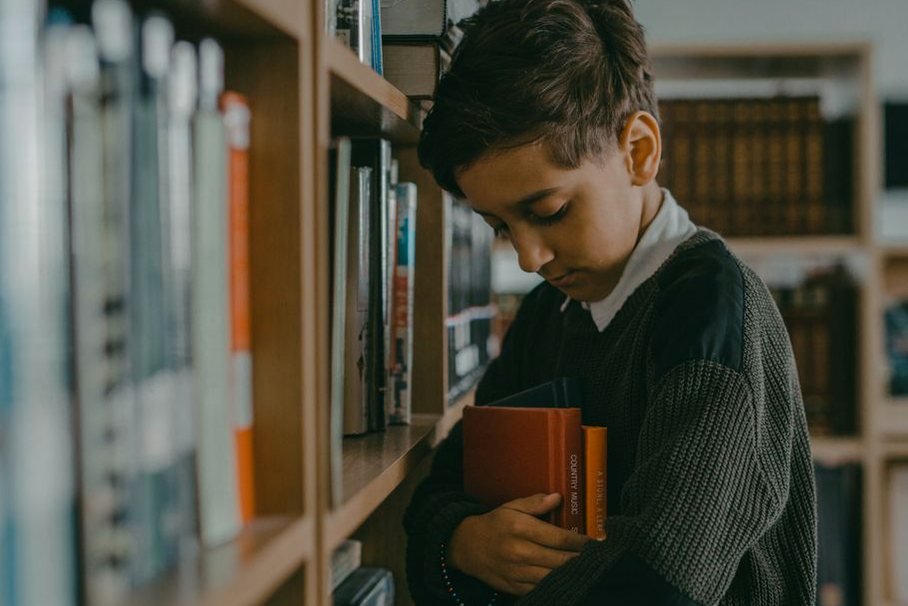
How messy vova mixed up the fairy tales children's story is a cautionary tale about carelessness, dishonesty, and taking responsibility for damaged books. Vova mixes up several fairy-tale worlds after he tears library pages, moves books around his room, and glues unrelated pages into the wrong volume. The story ends with him repairing the books, returning them, and becoming a careful reader.
What causes the fairy tales to become mixed up
Vova’s disorder begins at home. His clothes lie around the house, his toys fill the room, and borrowed books are scattered from place to place. He starts many stories but finishes none, so he cannot keep track of which pages belong to which book.
When the school year ends, the children must return their library books. Vova discovers that several volumes have missing pages. Instead of admitting what happened, he quickly glues the pages he finds into the first book available. That careless repair joins separate fairy tales together.
The librarian notices the damage immediately. Vova claims that the books were already like that, but the librarian sends him inside the torn story so he can see the consequences of his actions. This magical punishment makes the moral clear without requiring a long explanation: an untidy habit can harm people who had no part in creating the problem.
Who Vova meets inside the damaged story
Vova first reaches a forest hut occupied by Baba Yaga and a three-headed Dragon. The Dragon belongs in a story where he guards a princess and tests knights, but he cannot find the castle. His confusion comes directly from the mixed-up pages.
Baba Yaga is also affected. She wants to discover who damaged the books, while the Dragon’s frustrated search causes further noise and disorder. When she uses a magic dish, it shows Vova throwing books around and gluing pages without checking their proper place.
Vova then meets Marya the Craftswoman beside a river. She is crying because she has also been pulled away from her own tale. Her character gives Vova a clearer view of the damage: his actions have disrupted several fictional worlds, not merely spoiled his bedroom.
The full story can be read through how messy vova mixed up the fairy tales children's story, including the encounter with Baba Yaga, the Dragon, and Marya the Craftswoman.
What the story says about honesty and responsibility
Vova’s first serious mistake is damaging the books. His second is denying responsibility when the librarian questions him. The magical journey forces him to see evidence of his conduct, so he finally admits that his carelessness caused the confusion.
The repair scene matters because Vova does not solve the problem with an apology alone. After returning home, he checks neighbouring pages before gluing each sheet back into place. He works patiently until the books are restored and returned to the library.
That detail gives the story practical value for children. A mistake may be repaired, but repair requires attention, time, and a willingness to check the result. Vova’s change becomes credible because his behaviour changes after the adventure.
Legal and publishing transparency
The story itself contains no customs clearance documents, accounting records, tax figures, prices, or commercial shipment details. Those subjects should not be added as if they were part of Vova’s adventure. The source material describes a fictional library incident and a moral transformation.
If a publisher prepares a printed edition for sale, separate business records may be needed for that commercial activity. The relevant documents can depend on the country, the seller’s status, the production method, and whether copies cross a border. Customs classification, invoices, transport records, and tax treatment must be checked against current local rules rather than inferred from the fairy tale.
A transparent edition should also identify the text’s title, translator or adapter where applicable, and the person or organisation holding publication rights. If the wording is edited for children, the publisher should keep a clear record of those changes. This protects readers from confusing an adaptation with the original text and helps the accounting team match sales records to the correct edition.
There is no basis in the story for quoting a duty rate, tax percentage, delivery charge, or import threshold. Anyone preparing a commercial release should obtain those figures from current official guidance or a qualified adviser before recording costs or setting a retail price.
Why the ending works for young readers
Vova does not remain defined by his earlier behaviour. He becomes careful with every book, reads each one from beginning to end, and earns the description of a true lover of reading. The final change links good organisation with respect for knowledge.
The fantasy setting makes the lesson memorable, while the cause-and-effect structure remains easy to follow. Torn pages create confusion, confusion harms other characters, and honest repair restores order. Children can understand the message without needing technical explanations about responsibility.
Frequently asked questions
Why does Vova enter the fairy tales?
The librarian uses magic to send Vova into the damaged book. He must witness how his careless handling has disrupted characters from different stories.
Who helps Vova return home?
Marya the Craftswoman helps Vova return home after he admits his carelessness and understands that other characters have suffered because of his actions.
What does Vova do after returning?
He carefully repairs the torn pages, checks them against nearby pages, returns the books to the library, and keeps future books in good condition.
Does the story contain customs or tax information?
No. It is a fictional children’s story about damaged library books. Customs, accounting, and tax requirements apply only to a separate commercial publication or import transaction.