Downtown Jebel Ali Residential Apartments and Legal Transparency
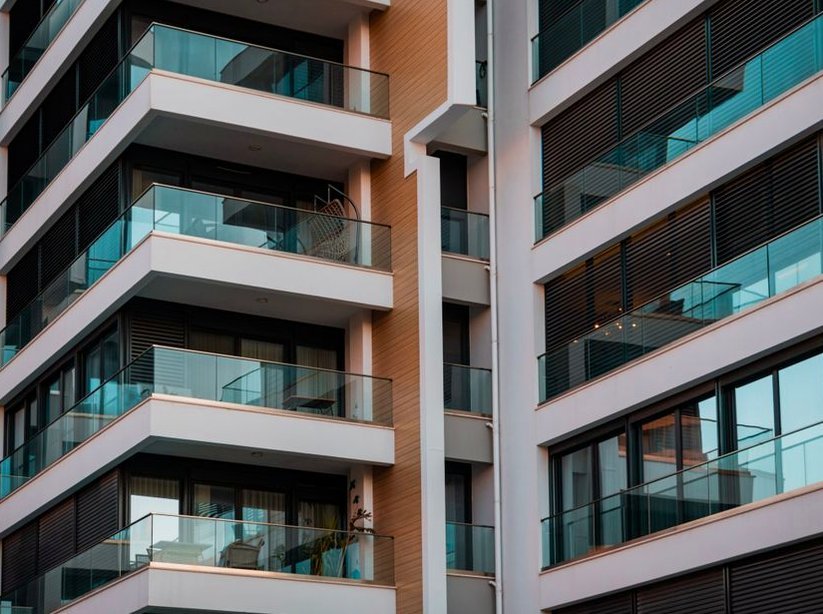
Buying a residential apartment in Downtown Jebel Ali means dealing with Dubai's freehold property framework, and that framework carries specific documentation, tax, and accounting requirements that foreign buyers often underestimate. Getting these right before you sign a sales and purchase agreement (SPA) saves you from delayed handovers, frozen escrow funds, or unexpected liabilities at resale. This guide walks through the legal paperwork, customs-adjacent financial reporting, and tax position you actually face when purchasing in this district.
Freehold Ownership Structure in Downtown Jebel Ali
Downtown Jebel Ali sits inside a designated freehold zone, which means non-UAE nationals can hold title directly rather than through a local sponsor or long-term lease arrangement. The Dubai Land Department (DLD) registers the title deed (Title Deed / Oqood for off-plan), and that document is the only legally binding proof of ownership. Any promise letter, MOU, or booking form from a developer does not substitute for DLD registration.
The masterplan splits into three sections: Urban Centre, Trellis District, and Medina. Some buildings have already been handed over while others remain under construction. That distinction matters for documentation. A ready unit requires a completed Title Deed transfer, while an off-plan unit is tracked through the Oqood interim registration system until handover. Buyers who confuse the two sometimes discover their "completed" purchase was never migrated from Oqood to a final title, which complicates resale and mortgage eligibility.
Documents You Need at Every Stage
For off-plan purchases, the developer must hold a valid RERA (Real Estate Regulatory Authority) registration and project number. Ask for the escrow account details tied to that project. Dubai Law No. 8 of 2007 requires developers to deposit buyer funds into a project-specific escrow account supervised by a DLD-approved bank. If a sales agent cannot produce the escrow account number, walk away.
At signing, the core documents include the SPA registered with RERA, a copy of the developer's RERA permit, your passport (and UAE visa if resident), and a No Objection Certificate (NOC) from the developer at the point of resale or title transfer. For ready apartments, you also need a completion certificate and a snag list sign-off. Keep originals of every document. DLD registration requires original or attested copies, and digital scans alone will not clear the transfer desk.
Registration Fees and Transfer Costs
DLD charges a 4% transfer fee on the property's sale price, split by negotiation between buyer and seller (the market norm is a 50/50 split, but off-plan purchases from a developer often place the full 4% on the buyer). On top of that, expect an AED 580 DLD administrative fee for apartments, a trustee office fee of AED 4,000 for properties valued above AED 500,000, and an AED 5,250 Oqood registration fee for off-plan units.
One-bedroom apartments in Jebel Ali start from roughly AED 790,000. At that price, the 4% DLD fee alone is AED 31,600. Factor in the admin charges and you are looking at around AED 36,000 to AED 40,000 in government fees before legal or brokerage costs. Ignoring these upfront leads to stalled transactions when buyers cannot fund the fees at the registration appointment.
Tax Position for Foreign Buyers
The UAE has no personal income tax and no capital gains tax on property sales as of late 2026. Rental income from Downtown Jebel Ali residential apartments is also untaxed at the federal level. However, a 5% VAT applies to certain commercial property transactions. Residential property sales and leases are generally VAT-exempt, but mixed-use buildings with ground-floor retail or serviced apartment schemes can trigger partial VAT liability. If the unit you are buying sits in a tower that includes hotel-operated floors or commercial podium space, confirm the VAT classification with the developer's tax advisor before signing.
Foreign buyers should also check their home country's tax obligations. Many jurisdictions (the US, UK, Canada, Australia, most EU states) require residents to declare worldwide rental income regardless of where the property sits. A Dubai apartment that is locally tax-free may still generate a tax bill at home. Double-taxation treaties between the UAE and your country of residence determine whether you receive credits or exemptions, so consult a cross-border tax specialist before closing.
Accounting and Anti-Money Laundering Requirements
Dubai tightened its AML (Anti-Money Laundering) framework significantly after the FATF mutual evaluation process. Real estate agents, developers, and conveyancers are classified as Designated Non-Financial Businesses and Professions (DNFBPs) and must conduct customer due diligence. Buyers should expect requests for source-of-funds documentation: bank statements, salary certificates, business ownership records, or proof of asset liquidation. Cash payments above AED 55,000 must be reported, and many developers now refuse cash entirely for sums above that threshold.
If you are purchasing through a corporate entity, the Ultimate Beneficial Owner (UBO) must be disclosed to both the developer and DLD. Shell company structures with opaque ownership chains will trigger enhanced due diligence or outright rejection. Keep your corporate documents, trade licenses, and shareholder registers current and apostilled if issued outside the UAE.
Common Mistakes That Create Legal Exposure
Buying on a payment plan without reading the default clause is the single most expensive error in off-plan purchases. Most SPAs give the developer the right to terminate and retain 30% to 40% of paid installments if you miss consecutive payments. That penalty is enforceable under RERA rules, and disputes go through the DLD's Rental Dispute Settlement Centre or the courts, both of which tend to uphold clearly worded contract terms.
Another frequent problem: skipping the NOC step during resale. The developer issues a NOC only after confirming that all service charges are cleared and the unit has no outstanding liabilities. Sellers who list their apartment before obtaining the NOC often face delays of weeks or months, during which the buyer's financing approval may expire. Start the NOC process early, ideally before you even market the unit.
Frequently Asked Questions
Do I need a UAE residence visa to buy an apartment in Downtown Jebel Ali?
No. Non-residents can purchase freehold property in designated areas without a visa. Owning property above a certain value threshold (currently AED 750,000 for a 2-year visa) can qualify you for a residency visa, but it is not a prerequisite for purchase.
Is rental income from a Downtown Jebel Ali apartment subject to any local tax?
Residential rental income in Dubai carries no income tax or withholding tax. The 5% municipality fee (collected via DEWA bills) and service charges are the main recurring costs, not taxes in the traditional sense.
What happens if the developer delays handover beyond the SPA date?
Buyers can file a complaint with RERA's dispute resolution committee. If the delay is unreasonable and unjustified, RERA may order contract termination with a full refund of paid installments. Outcomes depend on the specific SPA terms and the reason for the delay.
Can I resell an off-plan apartment before handover?
Yes, provided the developer's SPA permits assignment and you have paid the minimum percentage required (often 30% to 40% of the purchase price). You will need an NOC from the developer and must register the assignment through DLD's Oqood system, which carries its own transfer fee.