Diesel Generators for Frequency Control Ensuring Stability and Reliability in Power Systems
Introduction
In today's modern world, electricity has become an indispensable part of our daily lives. From powering our homes and businesses to driving industrial processes and technological advancements, a stable and reliable power supply is essential. One critical aspect of maintaining a stable power grid is frequency control, which refers to the regulation of the frequency of alternating current (AC) in an electrical system. Fluctuations in frequency can lead to disruptions in power supply, equipment damage, and even blackouts. To address this challenge, diesel generators have emerged as a reliable and efficient solution for frequency control in power systems.
Overview of Frequency Control
Frequency control is a crucial function in power systems that ensures the stability and reliability of the electrical grid. In an AC system, the frequency represents the rate at which the direction of current flow changes direction. The standard frequency for most power systems around the world is 50 Hz or 60 Hz, depending on the region. Maintaining the frequency within a narrow range around this standard value is essential for the proper operation of electrical devices and equipment connected to the grid.
Frequency control is achieved through a combination of automatic generation control (AGC), primary frequency response, and secondary frequency response mechanisms. AGC is responsible for continuously adjusting the output of power plants to match the demand for electricity in real-time. Primary frequency response refers to the immediate response of generators to sudden changes in load or generation, while secondary frequency response involves more gradual adjustments to restore the frequency to its nominal value over a longer period.
Challenges in Frequency Control
Maintaining frequency stability in power systems poses several challenges, especially with the increasing integration of renewable energy sources such as wind and solar power. Unlike conventional power plants, renewable energy sources are intermittent and dependent on external factors like weather conditions. This variability can lead to fluctuations in generation and, consequently, frequency deviations in the grid.
Moreover, the growing demand for electricity, along with the aging infrastructure of power systems, adds complexity to frequency control. Rapid changes in load patterns, unexpected outages, and grid disturbances can all impact the frequency of the system. Without effective frequency control mechanisms in place, these disturbances can propagate through the grid, leading to voltage instability, equipment damage, and potential blackouts.
Role of Diesel Generators in Frequency Control
Diesel generators have long been recognized for their ability to provide reliable backup power during outages and emergencies. However, their role in frequency control is equally important, particularly in modern power systems characterized by high levels of renewable energy penetration and dynamic load profiles. Diesel generators offer several key advantages that make them well-suited for frequency control applications:
1. Fast Response Time: Diesel generators can ramp up or down their output quickly, making them ideal for primary frequency response to sudden changes in load or generation. Their ability to provide immediate power injection helps stabilize the frequency and prevent deviations from the nominal value.
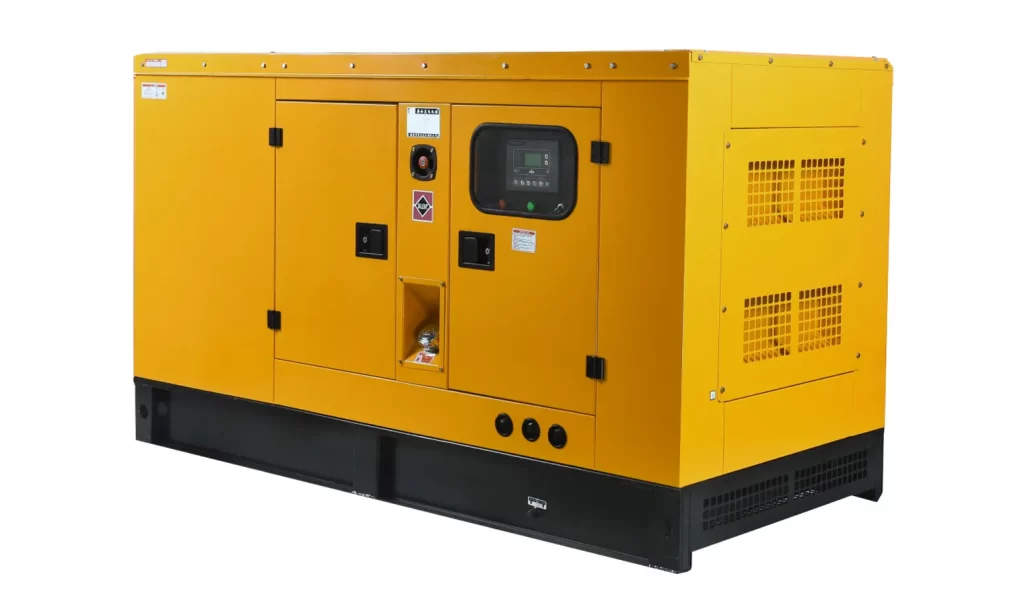
2. Fuel Flexibility: Diesel generators can run on a variety of fuels, including diesel, biodiesel, and natural gas. This flexibility allows operators to optimize fuel usage based on cost, availability, and environmental considerations, making diesel generators a versatile option for frequency control in diverse operating conditions.
3. High Reliability: Diesel generators are known for their robust and durable design, ensuring continuous operation even under harsh conditions. This reliability is essential for maintaining grid stability during emergencies and contingencies when other sources of power may be unavailable.
4. Scalability: Diesel generators come in a range of sizes and capacities, allowing operators to deploy them in a modular fashion to meet specific frequency control requirements. This scalability enables flexibility in system design and implementation, accommodating varying demand levels and grid configurations.
5. Black Start Capability: In the event of a complete grid blackout, diesel generators can serve as black start units to restore power and initiate the synchronization of other generators. This capability is critical for ensuring the rapid recovery of the grid following a widespread outage.
Case Studies and Applications
Several countries and regions have successfully implemented diesel generators for frequency control in their power systems, showcasing the effectiveness of this technology in ensuring grid stability and reliability. One notable example is the United Kingdom, where diesel generators are utilized as part of the National Grid's frequency response services to manage frequency deviations and support grid operation.
In Australia, diesel generators have played a vital role in stabilizing the grid during peak demand periods and extreme weather events. The Australian Energy Market Operator (AEMO) relies on diesel generation as a flexible and responsive resource to address frequency issues and maintain system reliability, particularly in remote and off-grid areas.
In the United States, diesel generators are commonly deployed in critical infrastructure facilities, such as hospitals, data centers, and telecommunications hubs, to provide backup power and frequency support in case of grid disturbances. These generators are integrated with sophisticated control systems to ensure seamless operation and coordination with the grid.
Future Trends and Innovations
As the global energy landscape continues to evolve, the role of diesel generators in frequency control is expected to evolve as well. Emerging 200kw diesel generator for sale and innovations in power generation and grid management are shaping the way frequency stability is addressed in modern power systems. Some key developments to watch for include:
1. Hybrid Systems: The integration of diesel generators with renewable energy sources and energy storage systems is gaining traction as a way to enhance grid flexibility and resilience. Hybrid power plants combining diesel generation with solar, wind, or battery storage offer a balanced approach to frequency control and energy management.
2. Smart Grid Technologies: Advanced control and monitoring systems, coupled with real-time data analytics, are enabling more precise and efficient frequency control in power systems. Smart grid technologies allow operators to optimize the performance of diesel generators and other assets to meet changing demand patterns and grid conditions.
3. Demand-Side Management: Demand response programs and energy efficiency initiatives are becoming increasingly important in frequency control strategies. By incentivizing consumers to adjust their electricity usage during peak periods, grid operators can reduce the need for additional generation capacity and improve overall system reliability.
4. Grid Modernization: Investments in grid modernization and infrastructure upgrades are essential for ensuring the long-term stability of power systems. Upgrading transmission and distribution networks, enhancing grid resilience, and integrating new technologies will play a crucial role in enhancing frequency control capabilities and mitigating grid disturbances.
Conclusion
Diesel generators play a vital role in ensuring frequency control and grid stability in modern power systems. Their fast response time, fuel flexibility, reliability, scalability, and black start capability make them a versatile solution for addressing frequency deviations and maintaining system integrity. By leveraging the unique characteristics of diesel generators and embracing innovative approaches to grid management, operators can enhance the resilience and efficiency of their power systems in the face of evolving energy challenges. As the energy transition continues to unfold, diesel generators will remain a valuable asset in the quest for a secure and sustainable electricity supply.