Why Do Roaches Love Cardboard Boxes So Much? A Field Guide from the Frontlines
I’ve spent the better part of a decade sitting in kitchen floors across Southeastern Connecticut, flashlight in one hand and a clipboard in the other. I’ve seen the panic in a homeowner's eyes when a German cockroach scurries out from behind a toaster, and I’ve seen the frustration of property managers dealing with multi-unit infestations that just won’t quit. If there is one thing I’ve learned—and I tell every single client this the moment I walk through the door—is that where is the water coming from? You cannot talk about chemicals or baiting until you address the moisture, and you certainly cannot talk about pest control until you address the "cardboard hotel" in your pantry.
People love cardboard boxes. They are convenient for storage, moving, and organizing. But to a cockroach, a cardboard box is a five-star resort. Let’s break down why these boxes are the enemy of a pest-free home.

The Science of Roach Harborage: Why Cardboard?
Roaches are thigmotactic, which is a fancy scientific way of saying they love to feel pressure against their bodies on all sides. A cardboard box offers the perfect, tight crevice. But it’s more than just the fit. Cardboard is porous, meaning it traps warmth and moisture—the two things roaches crave most. Furthermore, the adhesive used in the glue of cardboard boxes contains starch, which serves as a literal snack for a hungry roach colony.
The Top 5 Hiding Spots Behind Your Appliances
When I conduct an inspection, I’m not just looking at the floor. I’m mapping out their hideouts. Here are the spots where I most frequently find activity:
Behind the refrigerator compressor (the heat source). Underneath the rubber gaskets of the dishwasher. Inside the hollow spaces of a microwave base. Behind the kitchen cabinets where plumbing lines enter the wall. Inside the stacks of "recycled" cardboard boxes in your pantry or basement.
New England Species and Hitchhiking Habits
In Southeastern Connecticut, we primarily deal with the German Cockroach, though the American Cockroach loves our humid basements. People often blame "dirty houses," but that’s a lazy excuse. It isn't just about crumbs; it’s about access. Roaches get inside through utility cracks, pipe penetrations, and by simply hitchhiking on items we bring into our homes.
According to the NPMA (National Pest Management Association), many infestations are introduced via delivery boxes from grocery stores, warehouses, or online retailers. If that box sat in a infested warehouse for a week, you aren't just bringing home your new coffee maker; you're bringing home egg cases (oothecae).
Early Warning Signs You Might Be Overlooking
Don't wait for a roach to crawl across your counter to take action. If you are diligent, you will see the signs long before the colony explodes. Keep an eye out for:
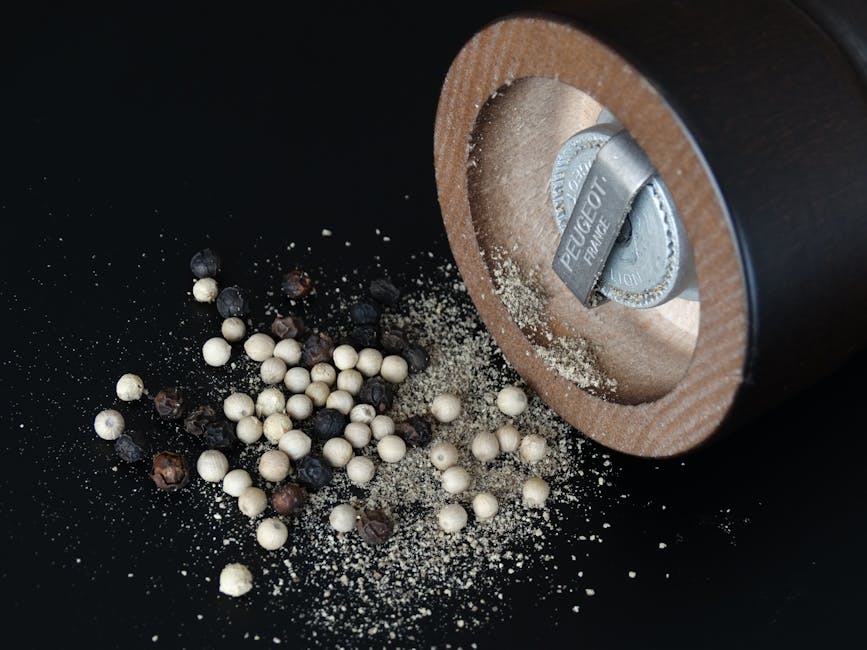
Droppings: They look like black pepper or coffee grounds scattered near hinges or inside cabinets. Shed Skins (Exuviae): As they grow, they molt. Finding these translucent casings is a red flag. Smear Marks: These look like dark, greasy streaks on walls or around cabinet corners. The Odor: A heavy, musty, oily smell. If you smell it, the population is already significant.
Health Risks and Indoor Air Quality
It isn't just "gross"—it's a public health issue. Roaches carry pathogens like *Salmonella* and *E. coli* on their bodies. Their droppings and shed skins contain proteins that are known allergens. For families with children or individuals with asthma, these allergens become airborne, significantly degrading your indoor air quality. When you leave open cereal boxes or messy pantry shelves, you are essentially providing a buffet for these pests to cross-contaminate your food supplies.
Comparison of Health Risks
Indicator Risk Level Impact Droppings High Asthma triggers & bacterial spread Saliva/Secretions Medium Allergic reactions Hitchhiking High Fast spread to other units/rooms
Modern Solutions: How We Help at Petrin's Pest Control
At Petrin's Pest Control, we hate "vague advice." Telling someone to "just keep it clean" is useless if they don't know the specifics. We focus on Integrated Pest Management (IPM). We don't just spray; we seal entry points, monitor moisture, and educate homeowners on why they should get rid of those cardboard stacks immediately.
Communication is vital to our process. We know you have busy schedules, which is why we utilize live chat and SMS powered by Avochato. Whether you have a quick question about a sighting or need to reschedule an inspection, we are one text away. We believe in being transparent, which is why we encourage our clients to check our Google review presence—the graphic evidence of our work speaks for itself, and our clients’ testimonials highlight our commitment to solving the problem, not just masking it.
Manager's Pro-Tip: The Pantry Protocol
If you take anything away from this post, let it be this: Get rid of the cardboard. Head to the store, buy clear, airtight plastic containers, and label them. If it’s in a box or an open bag, it’s an invitation. Stop letting your kitchen be a roach habitat and start taking control of your space.
Conclusion: Stop the Cycle
One spray will never solve a colony. Pest control is a process of exclusion, sanitation, petrinspest and persistent monitoring. Don't wait until the problem becomes a crisis. If you suspect an issue, reach out to us. We’ll help you find the source—starting with the water—and clear out the cardboard once and for all. Contact Petrin's Pest Control today via our Avochato-powered support line, and let’s get your home back to being yours, not theirs.