Does the quality of T-cells matter for CAR T therapy outcomes?
In the landscape of modern haematology, few therapies have generated as much excitement as Chimeric Antigen Receptor (CAR) T-cell therapy. By re-engineering a patient’s own immune cells to recognize and attack specific cancer markers, we have moved from blunt-force chemotherapy to precision immunotherapy. However, as clinicians in the transplant and cellular therapy space, we must move past the marketing hype and address a fundamental question: Why do some patients respond exceptionally well to CAR T-cell therapy, while others see their disease return?
The answer often lies in the "fitness" and quality of the starting material—the T-cells themselves. To understand this, we must first dispense with the vague, monolithic term "stem cells." In clinical practice, we deal with distinct biological entities, each with specific roles. Confusing Haematopoietic Stem Cells (HSCs) with Mesenchymal Stem Cells (MSCs) leads to poor clinical decision-making and unrealistic patient expectations.
The Problem with "Stem Cells" – Clearing the Confusion
In our field, precision matters. When we discuss umbilical cord products, we are talking about two very different biological resources:
Cord Blood (Haematopoietic Stem Cells - HSCs): These are blood-forming cells capable of reconstituting the entire immune and haematopoietic system. They are the bedrock of modern stem cell transplantation, currently used to treat over 80 distinct disorders, including leukaemias, lymphomas, and immunodeficiencies. Cord Tissue (Mesenchymal Stem Cells - MSCs): These are structural and regulatory cells. They do not form blood; instead, they act as the "scaffolding" of the body, providing immunomodulatory signals and supportive structural components.
When researchers look at umbilical cord resources for next-generation CAR T-cell therapy, they are generally exploring the use of cord blood T-cells as an "off-the-shelf" (allogeneic) alternative to using a patient’s own exhausted T-cells. They are not using MSCs to create the T-cell product itself, though MSCs are being investigated for their potential to dampen the toxic side effects of these therapies.
The T-Cell Life Cycle: Why "Fitness" is the Predictor of Efficacy
CAR T-cell efficacy is not just about the receptor; it is about the "health" of the T-cell vehicle. When we manufacture CAR T-cells from a patient who has received multiple lines of heavy chemotherapy, we are often working with "exhausted" starting material. These T-cells have been chronically stimulated, damaged by cytotoxic drugs, and are metabolically sluggish.
Recent research published in journals like Nature Medicine has shifted our focus toward T-cell product quality as a primary predictor of clinical outcomes. Key markers include:
Memory Phenotype: T-cells that are less differentiated—specifically those with "central memory" or "stem cell memory" features—are superior at persisting and expanding within the patient. Metabolic Fitness: Cells that can shift between oxidative phosphorylation and glycolysis are more resilient in the hostile microenvironment of a solid tumour or dense lymphoma. Exhaustion Markers: High expression of markers like PD-1, TIM-3, or LAG-3 on the T-cell product serves as an "exhaustion signature," which correlates with poorer long-term remission rates.
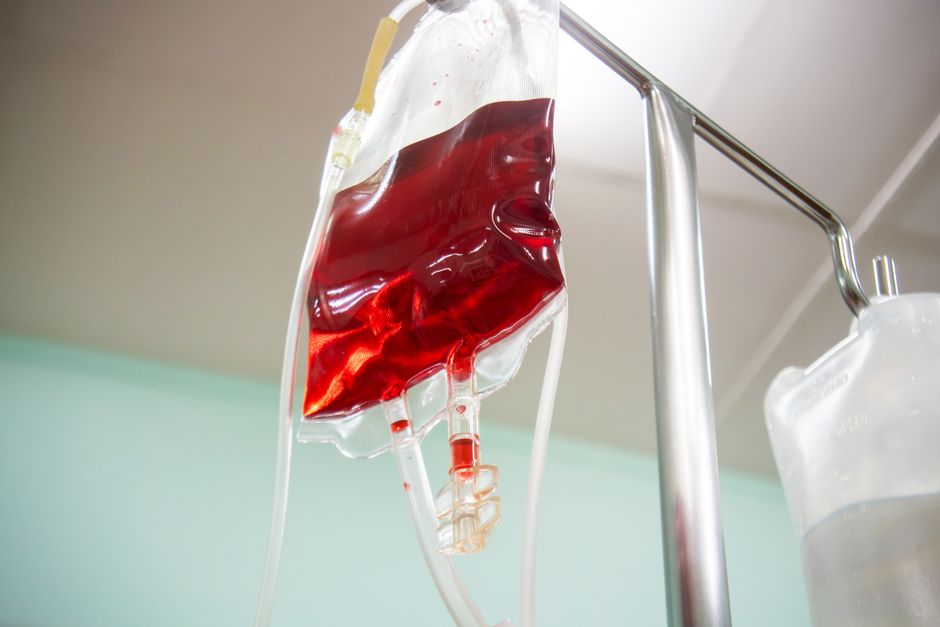
In practice, this means that if your T-cell product is "tired" before it even enters the infusion bag, its ability to survive, divide, and maintain surveillance against the cancer is fundamentally compromised.
Umbilical Cord Resources: The Allogeneic Opportunity
This is where the umbilical cord (specifically cord blood HSCs) enters the conversation. Because cord blood T-cells are "naïve"—meaning they have not been exposed to the diverse pathogens and inflammatory stimuli that an adult’s immune system encounters over decades—they possess a high proliferative capacity and a lack of exhaustion markers.
Cord Blood (HSC source) Advantages:
Because they are naïve, they represent a "blank slate." This makes them attractive for "off-the-shelf" CAR T-cell manufacturing. By using gene-editing techniques (like CRISPR/Cas9) to remove the T-cell receptor (TCR) and introduce the CAR, we can create products that are ready for immediate patient use, potentially bypassing the multi-week manufacturing time required for autologous (patient-derived) cells.
Cord Tissue (MSC role):
While MSCs don't form the CAR T-cell, they are being studied for their role in the microenvironment. Clinical trials are evaluating whether co-administering MSCs can help modulate the "cytokine storm" (Cytokine Release https://emedicodiary.com/post/2217/from-birth-to-bedside-how-umbilical-cord-stem-cells-are-changing-modern-medicine Syndrome or CRS) that often occurs after CAR T-cell infusion. MSCs are known for their anti-inflammatory secretions, which might mitigate damage to healthy tissues without neutralising the anti-tumour effect of the CAR T-cells.
Comparison of Cellular Sources
To help junior clinicians and patients distinguish these roles, refer to the following table:
Feature Cord Blood (HSC) Cord Tissue (MSC) Primary Function Blood/Immune reconstitution Structural/Immunomodulation CAR T Use Potential source for "off-the-shelf" T-cells Investigational supportive/adjuvant care Established Status Standard of care for 80+ transplant disorders Experimental/Early-phase research
Translating Biology into Practice
As a mentor, I often remind my residents that we must remain grounded in what a test or a change in protocol actually achieves at the bedside. Currently, the "quality" of a T-cell product is something we measure in retrospect. We analyse the final product to understand why a patient did not respond, but we are limited by the quality of the starting cells harvested from that specific patient.
Does the industry's push toward umbilical cord sources change your practice today? No. Standard-of-care CAR T-cell therapy still relies on autologous collection. However, the data surrounding T-cell fitness is changing how we manage patients *before* collection. We are becoming more selective about the timing of T-cell apheresis, aiming to collect cells when the patient’s immune system is least suppressed by active, high-dose chemotherapy.
We are also seeing a shift toward "Younger" T-cell phenotypes. If we can manipulate the manufacturing environment—using specific cytokines and growth conditions—to mimic the high-functioning, naïve state of cord-derived cells, we can significantly improve efficacy without needing to switch to allogeneic (donor) products entirely.
A Realistic Outlook
I feel compelled to warn you against the marketing language that surrounds "stem cells" and "immunotherapy." You will see websites claiming that cord blood products are a "guaranteed cure" for various autoimmune conditions or cancers when combined with CAR T-cell technology. These are, at best, vast oversimplifications and, at worst, predatory marketing.
We have not "solved" cancer with CAR T. We have created a powerful, sometimes life-saving tool that remains hampered by T-cell exhaustion, antigen escape, and the complex mechanics of the tumour microenvironment. While umbilical cord products offer a scientifically sound avenue for research into higher-quality, more resilient T-cells, we are currently in the phase of iterative, hard-fought clinical trials, not a phase of guaranteed breakthroughs.
The quality of your T-cells is unequivocally a primary driver of outcome. Understanding the biology—the difference between the HSC and the MSC, the meaning of a memory phenotype, and the distinction between experimental research and established clinical practice—is the only way to navigate this field as a responsible clinician.
For my junior colleagues: always look at the trial protocol. If a study claims to use "stem cells" to "boost" CAR T, ask yourself: Are they using HSC-derived T-cells, or are they suggesting MSC-mediated modulation? The difference in the biological rationale is massive, and your treatment plan should reflect that clarity.
We continue to advance, not through miracles, but through the granular, often slow work of improving cell product quality and understanding the patient's individual immune landscape.