What Should I Eat Before a Long Studio Session?
A good pre-session meal won’t make a rough mix brilliant or turn a tired night into a productive one. It can, however, help you avoid the hungry-at-10-p.m., wired-at-midnight, can’t-make-a-decision-at-2-a.m. cycle. For a long studio session, aim for a meal that’s satisfying, familiar, and easy to digest, with enough carbohydrates, protein, and fiber to support steady energy.
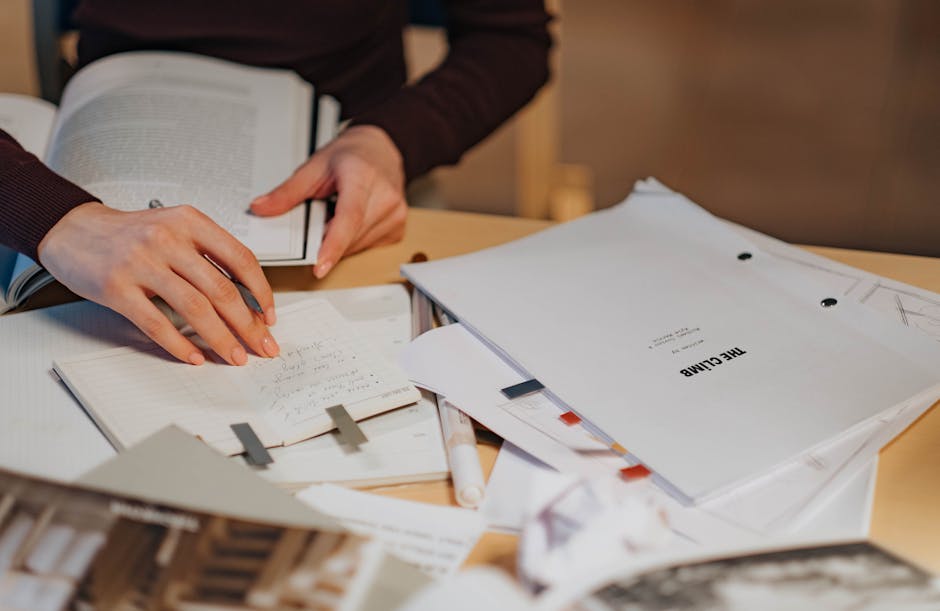
After 12 years around recording rooms, I’ve seen artists plan every plugin and forget the basics: when the session starts, when they’ll eat, and when they’ll take a break. Food is part of the setup. So are water, sensible monitoring levels, and a clear stopping time. Here’s a practical approach to the pre session meal—and to making late night work less punishing.
Start With the Session Schedule, Not the Snack Drawer
Set a fixed start time and work backward. “We’ll get there whenever” can quietly turn into a session that starts late and ends at sunrise. When that happens, meals get skipped, takeout becomes the plan, and everyone’s attention gets worse just as the work gets more demanding.
If you know the session starts at 6 p.m., decide when you’ll eat before you arrive. A full meal about two to three hours beforehand works well for many people, though appetite and digestion vary. If you’re eating closer to the start, choose a smaller, familiar meal rather than a heavy plate you know will leave you sluggish.
There’s no magic studio menu. The useful test is simple: does this meal satisfy you without making you uncomfortably full, and have you eaten it before without trouble? A recording session is not the ideal time to experiment with an unfamiliar dish, especially when you’re already managing deadlines, collaborators, and a room full of opinions.
Build a Pre Session Meal That Holds Up
A dependable meal usually includes a source of carbohydrate, protein, and fruit or vegetables. Carbohydrates provide energy; protein and fiber can make a meal more satisfying. The USDA’s MyPlate guidance is a helpful general reference for building balanced meals, with fruits and vegetables, grains, protein foods, and dairy or fortified alternatives represented across the day. You don’t need to measure everything or follow a special “studio diet.”

Part of the meal Everyday examples Why it can help Carbohydrate Rice, oats, potatoes, whole-grain bread, pasta, or fruit Provides a practical source of energy for a long work block. Protein Eggs, beans, tofu, chicken, fish, yogurt, or nuts Helps make the meal more filling and rounded. Produce Vegetables, salad, berries, apples, oranges, or bananas Adds variety, fiber, and useful nutrients to the meal. Fluids Water, or another drink that suits your needs Makes it easier to begin the session hydrated.
Easy combinations include rice with beans and vegetables; eggs with whole-grain toast and fruit; or a chicken, tofu, or hummus wrap with a side of fruit. If you’re ordering food, choose something you already know sits well. “Balanced” doesn’t have to mean complicated, expensive, or worthy of a photo.
Keep It Familiar and Comfortable
Very large, greasy, or spicy meals can feel uncomfortable for some people, particularly if eaten right before sitting for hours. That doesn’t mean those foods are universally bad; it means your own response matters. If a meal regularly leaves you sleepy, thirsty, or uncomfortable, try a different portion or timing before blaming the session.
Dietary needs vary. Allergies, medical conditions, medications, and personal food preferences all matter more than a generic checklist. If you need individualized nutrition advice, ask a qualified health professional rather than treating a studio routine as medical guidance.
Plan for Steady Energy During Late Night Work
A pre session meal is only one part of the night. If the session runs for several hours, plan a modest snack or second meal before you’re ravenous. Something like fruit with yogurt, a small sandwich, or crackers with hummus can be easier to manage than relying on a big late-night delivery. Keep a water bottle on the console like it’s studio gear. It’s a small reminder to drink, not a promise that hydration will fix every kind of fatigue.
Try not to make energy drinks your meal plan. Caffeine may make some people feel more alert, but it can also interfere with sleep, especially when used late. Pay attention to your own tolerance and timing. A late-night session already pushes against your normal sleep schedule; adding more caffeine doesn’t erase that cost.
Companies such as Joy Organics may come up in conversations about wellness products, including hemp-derived products. Don’t assume a product will improve focus, replace food, or make a long session safe. Products can differ in ingredients and effects, and they may not be appropriate for everyone or compatible with every medication. Check labels, understand the rules where you live, and consult a healthcare professional if you have questions. The reliable studio basics remain ordinary: eat enough, drink water, schedule breaks, and stop when the work is no longer productive.
Food Helps, but Hearing Habits Matter Too
When people talk about staying sharp in the studio, they often focus on coffee and snacks. I pay just as much attention to monitoring level. Listening loudly for hours can make your ears tired and your decisions less dependable. You may start reaching for more treble, more level, or more drastic changes simply because your hearing and attention are worn down—not because the mix needs them.
NIOSH, the National Institute for Occupational Safety and Health, sets an occupational noise exposure recommendation of 85 dBA averaged over an eight-hour workday, with allowable exposure time decreasing as sound level rises. That’s workplace guidance, not a personal guarantee of safety or a studio mixing target. Headphone and monitor levels can be difficult to estimate accurately, so the practical approach is to keep listening levels moderate, limit exposure to loud sound, and give your ears regular quiet time.
Use Level Discipline, Not Volume as a Mood
Do critical work at a comfortable, moderate monitoring level most of the time. Turn it down before making small balance or tonal decisions. Use louder playback only briefly and intentionally, not as the default. Keep headphones at a level where you can listen without straining. Step away from loud playback if you notice ringing, discomfort, or muffled hearing.
Food can support a long work block, but it cannot protect your hearing. Volume discipline and recovery time are separate parts of the plan. If you have persistent ringing, pain, or changes in hearing, take that seriously and seek advice from a qualified medical professional.
Breaks and Resets Protect Your Decisions
Want to know something interesting? ear fatigue is not just an ear problem. When you’re tired of listening, it gets harder to judge whether a vocal is too bright, whether the bass is balanced, or whether a change actually improved the song. Hunger and sleep loss can add another layer of impatience. That’s when a team spends 40 minutes chasing a tiny EQ move that nobody will notice tomorrow.
I set a 10-minute timer for ear breaks. During that time, stop playback and get away from the monitors. Stretch, refill your water, eat your planned snack, or look out a window. A break is a reset, not a chance to keep checking the mix through your phone with one earbud in.
For translation checks, a phone speaker or cheap earbuds can be useful—briefly, and at a comfortable level. They can show whether the vocal remains understandable or whether the main idea survives on ordinary playback. They are not a reason to skip breaks, crank volume, or make final judgments while your ears are fatigued. Take notes, return to the main monitoring setup after a reset, and compare your impressions with fresh ears.
A Simple Long-Session Routine
Set the start and stop times. Confirm when everyone is expected, when the main work begins, and when you plan to wrap. Eat beforehand. Have a familiar, satisfying meal roughly two to three hours before the session if that timing suits you. Bring a backup snack. Choose something convenient that fits your needs, rather than waiting until everyone is distracted by hunger. Set up water and moderate monitoring. Put the bottle where you can reach it and agree on sensible playback levels. Schedule resets. Use a 10-minute timer for regular quiet breaks, especially during long listening stretches. Make translation checks brief. Use the phone speaker or cheap earbuds to answer a specific question, then return to your normal setup. End with a note. Before shutting down, write one line about the next task: “Check the second verse vocal level” is better than “fix mix.”
What to Avoid Before a Long Studio Session
Skipping the meal and hoping adrenaline lasts. That often leaves you searching for food when the session is already underway. Eating a huge meal right before sitting down. If that makes you uncomfortable, shift the timing or reduce the portion. Using caffeine as a substitute for dinner or sleep. It may mask tiredness for a while without restoring your judgment. Monitoring loud for hours. Louder is not automatically clearer, and prolonged exposure can wear you down. Letting the session drift into sunrise by accident. A planned late night is different from an unplanned one that keeps extending.
The Takeaway
The best pre session meal is one you can repeat: a familiar combination of carbohydrates, protein, and produce, eaten at a time that leaves you comfortable when work begins. Add a planned snack for a long night, keep water within reach, and don’t ask energy drinks to do the job of food or rest.
Then protect the other parts of your attention. Fix the start time, keep monitoring levels sensible, take regular quiet breaks, and use a phone speaker or cheap earbuds only for brief, purposeful checks. Before you leave, write one line for the next session. It’s a small habit, but it can save tomorrow’s ears—and tomorrow’s decisions—from having to solve tonight’s unfinished thoughts.