Efficient Operation of Garbage Compactor Trucks A Comprehensive Guide
Introduction
Garbage compactor trucks play a crucial role in waste management systems worldwide. These specialized vehicles are designed to collect, compact, and transport solid waste efficiently. With the ever-increasing volume of waste generated by urban populations, the operation of garbage compactor trucks is essential for maintaining clean and healthy environments. In this comprehensive guide, we will explore the operation of garbage compactor trucks in detail, including their components, functions, maintenance requirements, and best practices for optimal performance.
1. Overview of Garbage Compactor Trucks
Garbage compactor trucks, also known as refuse compactor trucks or waste compactors, are specially designed vehicles used for the collection and disposal of solid waste. These trucks are equipped with a compactor mechanism that compresses the collected waste to maximize the truck's carrying capacity and minimize the number of trips required for disposal. Garbage compactor trucks come in various sizes and configurations to suit different waste collection needs, ranging from small rear-loading trucks for residential areas to large front-loading trucks for commercial and industrial settings.
2. Components of Garbage Compactor Trucks
2.1. Chassis: The chassis of a garbage compactor truck forms the foundation of the vehicle and provides structural support for the other components. It is typically a heavy-duty truck chassis designed to withstand the weight of the compactor mechanism and the collected waste.
2.2. Compactor Mechanism: The compactor mechanism is the heart of a garbage compactor truck and is responsible for compacting the waste. It consists of a hydraulic system that operates a compacting blade or ram to compress the waste inside the truck's body.
2.3. Body: The body of a garbage compactor truck is the container where the waste is collected and compacted. It is usually made of durable materials such as steel or aluminum and is designed to withstand the pressure exerted by the compactor mechanism.
2.4. Loading Mechanism: Depending on the type of garbage compactor truck, the loading mechanism can be rear-loading, side-loading, or front-loading. This mechanism allows waste collectors to load the waste into the truck's body efficiently.
2.5. Hydraulic System: Garbage compactor trucks are equipped with a hydraulic system that powers the compactor mechanism and other moving parts of the vehicle. Proper maintenance of the hydraulic system is essential for the smooth operation of the truck.
3. Functions of Garbage Compactor Trucks
3.1. Waste Collection: The primary function of a garbage compactor truck is to collect solid waste from residential, commercial, and industrial areas. https://www.heli-truck.com/729/ load the waste into the truck's body using the loading mechanism.
3.2. Waste Compaction: Once the waste is loaded into the truck, the compactor mechanism is activated to compress the waste and maximize the truck's carrying capacity. Compaction reduces the volume of waste, allowing more waste to be transported in each trip.
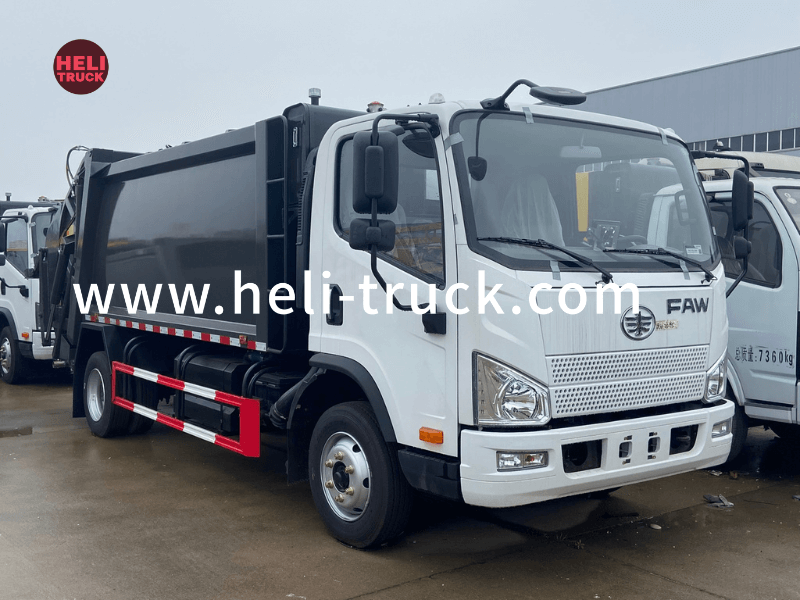
3.3. Waste Transportation: After the waste is compacted, the garbage compactor truck transports it to the designated disposal site, such as a landfill or recycling facility. The efficient transportation of waste is essential for maintaining clean and hygienic environments.
3.4. Waste Disposal: At the disposal site, the compacted waste is unloaded from the garbage compactor truck and deposited in the designated area. Proper disposal practices are crucial for minimizing environmental impact and promoting sustainability.
4. Operation of Garbage Compactor Trucks
4.1. Pre-Operation Checks: Before starting the operation of a garbage compactor truck, waste collectors should perform pre-operation checks to ensure that the vehicle is in good working condition. This includes inspecting the compactor mechanism, hydraulic system, body, and loading mechanism for any signs of damage or malfunction.
4.2. Loading Waste: Waste collectors should follow proper loading procedures to ensure that the waste is evenly distributed inside the truck's body. Overloading or uneven distribution of waste can affect the compaction process and lead to operational issues.
4.3. Compacting Waste: Once the waste is loaded into the truck, waste collectors should activate the compactor mechanism to compress the waste. It is essential to monitor the compaction process to ensure that the waste is compacted effectively.
4.4. Transportation: Garbage compactor trucks should be driven with care and attention to ensure the safe transportation of waste. Waste collectors should follow traffic rules and regulations and drive at appropriate speeds to prevent accidents.
4.5. Disposal of Waste: At the disposal site, waste collectors should unload the compacted waste in the designated area following proper procedures. It is essential to maintain cleanliness and hygiene during the disposal process to prevent environmental pollution.
5. Maintenance of Garbage Compactor Trucks
5.1. Regular Inspection: Garbage compactor trucks should undergo regular inspections to identify and address any maintenance issues promptly. This includes checking the compactor mechanism, hydraulic system, body, and other components for wear and tear.
5.2. Lubrication: Proper lubrication of moving parts is essential for the smooth operation of garbage compactor trucks. Waste collectors should regularly lubricate the compactor mechanism, hydraulic system, and other components to prevent friction and reduce wear.
5.3. Cleaning: Keeping the garbage compactor truck clean is important for maintaining hygiene and preventing foul odors. Waste collectors should clean the truck's body regularly to remove residual waste and debris.
5.4. Servicing: Garbage compactor trucks should be serviced by qualified technicians according to the manufacturer's recommendations. Servicing includes checking and replacing worn-out parts, adjusting hydraulic systems, and ensuring overall functionality.
6. Best Practices for Garbage Compactor Truck Operation
6.1. Proper Training: Waste collectors operating garbage compactor trucks should receive adequate training on vehicle operation, safety procedures, and waste handling practices. Proper training can help prevent accidents and ensure efficient waste collection and disposal.
6.2. Route Optimization: Planning efficient waste collection routes can help minimize travel time and fuel consumption for garbage compactor trucks. Waste management authorities should optimize collection routes based on factors such as waste generation rates, traffic conditions, and disposal site locations.
6.3. Environmental Compliance: Garbage compactor truck operators should adhere to environmental regulations and guidelines to minimize the impact of waste collection and disposal activities on the environment. Proper waste segregation, recycling practices, and disposal procedures are essential for sustainability.
6.4. Communication: Effective communication between waste collectors, supervisors, and disposal site personnel is crucial for the efficient operation of garbage compactor trucks. Clear instructions, feedback, and coordination can help streamline waste management processes and improve overall performance.
Conclusion
Garbage compactor trucks are indispensable tools in waste management systems, providing efficient waste collection, compaction, and transportation services. By understanding the components, functions, operation, and maintenance requirements of garbage compactor trucks, waste management authorities and operators can ensure optimal performance and environmental sustainability. Adopting best practices such as proper training, route optimization, environmental compliance, and communication can further enhance the efficiency and effectiveness of garbage compactor truck operations. As urban populations continue to grow, the role of garbage compactor trucks in maintaining clean and healthy environments will become increasingly important.