Breaker Swap vs. Adding Subpanels: Choosing the Best Path Forward
Electric panels age the way roofs do. They work quietly for decades, then one issue becomes two, then the little workarounds start to pile up. A double-tapped breaker here, a jammed tandem there, and suddenly every new circuit feels like a compromise. When a house reaches that threshold, owners usually consider two options: swap the main breaker panel or add one or more subpanels. Both are legitimate paths. Both can be smart investments. The right move depends on the condition of the existing equipment, future loads, layout, and what you want to avoid repeating five years from now.
I have opened panels installed in the 1960s that still looked crisp inside. I have also seen fifteen-year-old gear scorched from poor connections or corrosion. Labels faded. Neutrals doubled up. Lighting circuits packed under arc-fault breakers that nuisance-trip because the wiring is older than any of the electronics it now supports. No two homes start from the same place, so the best decision isn’t a slogan. It is a judgment call informed by a few consistent factors.
What a breaker swap actually means
Homeowners often say “breaker swap” and mean different things. Sometimes it is just replacing a weak or obsolete breaker with a new one of the same type. Other times they mean a panel swap, which is pulling the entire panel enclosure and guts and installing new equipment in the same spot. The difference matters.
A single breaker replacement is maintenance. Typical reasons include a tripping breaker that fails its mechanical test, an upgrade to an AFCI or GFCI combination breaker for code compliance, or retiring a recalled brand or model. Done right, it can restore safety to a circuit without touching the rest of the system.
A full panel swap sits at the other end of the spectrum. That is a proper rework: new panel, new main breaker, new bus, new labeling, often a service upgrade, and sometimes a relocation to fix clearance problems. If your main bus is pitted, your panel is out of slots, the brand has a known listing issue, or you need modern protections on many circuits, a panel swap is often the right reset. Contractors also use “panel installation” to describe this scope when the service size remains the same and the replacement is like-for-like in ampacity.
Between those two is a gray zone where the bus is fine and the panel has a few spare spaces, but you need smarter use of the real estate. That is where subpanels can shine.
When a subpanel is the elegant answer
A subpanel is a downstream distribution panel fed from a breaker in the main panel. It gives you additional spaces for circuits closer to the loads. It is not a capacity upgrade in the sense of increasing the service amperage coming from the utility, but it is a layout and convenience upgrade. In a rambler with a detached garage, for example, a 60 amp subpanel in the garage can save long cable pulls and reduce voltage drop on heavy tools. In a three-story townhouse with the main panel tucked in a first-floor closet, a small subpanel on the top floor can make future remodels sanitary and reduce arc-fault nuisance trips by shortening run lengths.
In practical terms, adding a subpanel lets you:

Organize circuits by space or function, which aids troubleshooting and future additions. Provide headroom for modern loads such as EV charging, heat pump compressors, and induction ranges without overcrowding the main panel. Improve code compliance where a main panel is packed with tandems beyond the manufacturer’s limits or where neutrals are doubled on a single lug.
That last point is common. Many older panels became “full” not because of total connected load, but because the spaces were consumed by half-size breakers and creative terminations. A well-placed subpanel can restore order.
The fuse panel wildcard: replace or extend?
If the house still runs on a fuse box, the conversation is different. Fuse panels can be safe when properly maintained, but they are often paired with obsolete service equipment and cloth-insulated branch circuits that complicate protection upgrades. Insurance carriers raise premiums or decline coverage for some older fuse systems. In that case, a fuse panel replacement is rarely optional in the long term. Most owners choose a fuse panel upgrade to a modern breaker panel specifically to gain reliable overcurrent protection, space for future circuits, and compatibility with arc-fault and ground-fault requirements.
I have upgraded fuse panels where the incoming service was only 60 amps. Once we were in the process, it made sense to bump to 100 or 200 amps depending on the home’s loads and the utility drop. Trying to bolt a subpanel onto a marginal fuse system often costs more time than it saves, and you still end up with equipment that lenders and insurers dislike. If you are starting with fuses, a clean panel swap to a listed breaker panel is almost always the better backbone.
Load calculation: the unsentimental referee
A good decision starts with a load calculation rather than a gut feeling. The National Electrical Code provides a method that accounts for general lighting, small-appliance circuits, fixed appliances, heating or cooling, and demand factors. Done carefully, it tells you whether the existing service is sufficient. I have run the numbers on homes with 200 amp services where the actual calculated demand rarely exceeds 120 amps even under generous assumptions. In those homes, there is no point in paying for a service upgrade when a subpanel will handle the expansion cleanly.
On the other hand, a single EV charger at 48 amps continuous, an induction range, and a heat pump water heater can push a modest 100 amp service over the comfort line. Add a future ADU with laundry and you will wish you had gone to 200 amps during the first round. A load calc does not care about sunk costs. It clarifies the long game.
Grounding, bonding, and neutral isolation
Subpanels need neutral and ground isolation, which trips up many DIY installs. In the main service disconnect, neutrals and equipment grounds are bonded together. In downstream subpanels, the neutral bus must float and remain isolated from the enclosure, while the ground bus is bonded to the panel can. That means removing the green bonding screw or strap in the subpanel and providing separate buses as needed. The feeder to the subpanel carries two hots, an insulated neutral, and a grounding conductor. Skipping the neutral isolation or omitting the ground creates hard-to-trace nuisance trips and shock hazards.
When performing a panel swap, the grounding electrode system is often the surprise item. Older homes might have a single water pipe bond without a supplemental ground rod. During a modern panel installation, you typically add or verify two driven rods or a qualifying Ufer ground, bond the water and gas per code, and document connections. It is not glamorous, but it matters more than most upgrades inside the panel.
Space, code, and the human factor
Clearances are blunt: you need working space 30 inches wide, 36 inches deep, and from floor to 6 feet 6 inches high, with the panel readily accessible and not in a bathroom or clothes closet. In a cramped laundry, a full panel swap in the same location might be impossible without moving appliances, doors, or ductwork. In that case, retaining a compliant main panel where it sits and adding a subpanel in a better location can be the least disruptive path. Conversely, I have moved panels a few feet during a swap to cure clearance violations that had been grandfathered for decades but became a hassle for inspections.
Consider label quality and serviceability. A tidy main panel with clear circuit directories is worth more than a single number on paper. When you add a subpanel, discipline around labeling, ferrules on control wires, and a log of splices in junction boxes pays off the first time something goes wrong behind finished walls. I have seen remodels where owners lost the map, and every future project took twice as long.

Known problem brands and components
If your main panel is one of the brands with well-documented safety or listing problems, a panel swap should leap to the front. Federal Pacific Electric (FPE) Stab-Lok and certain Zinsco/Sylvania models are notorious. Breaker replacement does not cure the underlying bus design issues. I have pulled breakers from those panels that looked fine to the eye, only to find severe arcing marks on the back. In these cases, a swift panel replacement is more responsible than adding subpanels to bypass the problem.
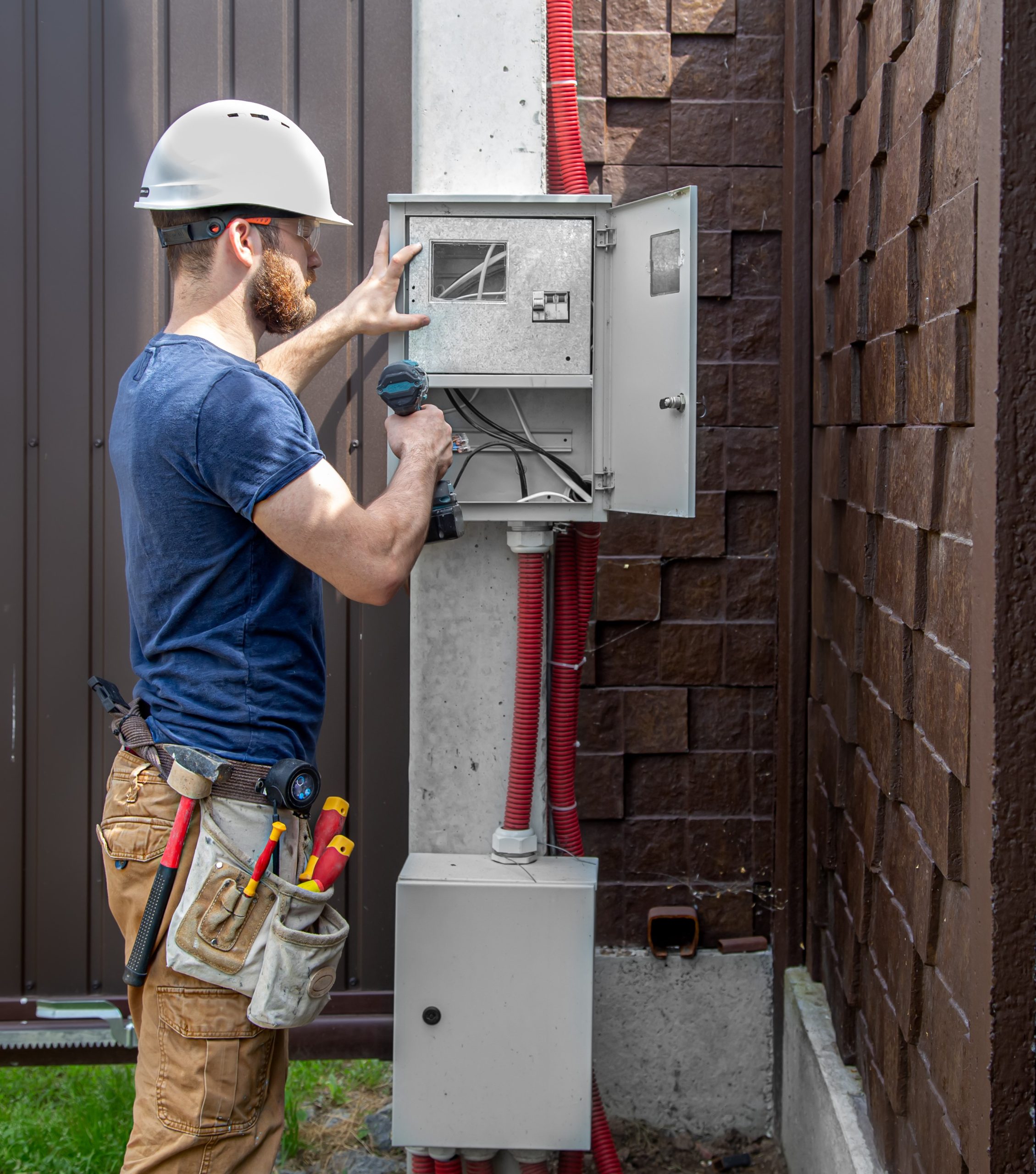
Even among good brands, age works on spring tension in breaker jaws and on the bus plating. If you see asymmetrical heating on thermal scans, discoloration on the stabs, or breakers that do not seat firmly after repeated removal, that tells you the panel is tired. A new subpanel downstream will not fix a weak main connection. Better to replace the main panel and start from a solid base.
Costs that don’t show on the first quote
Ballpark costs vary widely by region, permitting, meter ownership, and utility coordination. As a very rough range, a straightforward panel swap in place can run four to eight thousand dollars including permits and inspection. Adding a subpanel with a short feeder might run one to three thousand dollars, depending on size, location, and whether you need AFCI/GFCI breakers. Running a feeder across a finished basement with fire blocking and patching bumps that number. If the service mast, meter base, or grounding electrode system needs work, a panel swap may climb further.
I tell clients to budget for small line items that contractors sometimes omit from a quick estimate: arc-fault and dual-function breakers cost more than standard breakers, labeling and directory cleanup takes time, and correcting old splices or abandoned circuits is part of doing the job well. If the existing conductors are too short to reach new breaker positions cleanly, expect pigtailing and wire management time. None of this is wasted. It is the difference between a neat, reliable system and a project that looks good from ten feet away but causes call-backs.
Safety features and code-driven upgrades
Modern codes lean toward smarter protection. In many jurisdictions, habitable rooms require AFCI, bathrooms and kitchens require GFCI, and some circuits call for dual-function breakers. A panel swap is often the cleanest way to bring many circuits into compliance at once. Retrofitting GFCI or AFCI at the receptacle level is possible in some cases, but it can create a patchwork of devices and still leave older cable vulnerable to faults upstream. If you are already paying for the labor to reorganize conductors, installing the right breakers while access is open is efficient.
Subpanels introduce their own code points. If the subpanel lands in a garage, it may sit near EV charging equipment or air compressors, which may require dedicated circuits and GFCI protection. If it is in a detached structure, you need a grounding electrode system there and typically a four-wire feeder. These are not burdens. They are predictable requirements, and when you plan for them at the design stage, the job proceeds smoothly.
Future loads and the five-year rule
I ask homeowners to list any likely new loads in the next five years. Not dreams, but plausible changes: an EV, a hot tub, a heat pump conversion, an induction cooktop, a finished attic or basement, a rental suite. If two or more of those are likely, lean toward a panel swap paired with a modest service upgrade if the calc pushes you that way. If your lifestyle and equipment are stable, a subpanel near the action, sized with slack, often makes more sense.
There is a sweet spot: a main panel that is structurally sound, a service with headroom, and one area of the home that needs more circuits. For that home, a 100 amp subpanel with room to spare is cost-effective. Keep the feeder generously sized, land it on a two-pole breaker with an appropriate rating, label it well, and you set yourself up for efficient work later.
Real-world examples from the field
A craftsman bungalow, 1,600 square feet, had a 125 amp main panel from the 1990s tucked in a pantry. The owners planned a kitchen remodel and an EV charger. Load calc showed 125 amps was fine, but the panel had only two free spaces and the pantry location was frustrating for countertop GFCI arc-fault combos. We installed a 100 amp subpanel in the garage, fed with a 1 AWG aluminum SER feeder on a 90 amp breaker to match lug ratings and cable, then moved kitchen and garage circuits into the subpanel. We left the house lighting and bedrooms in the main panel with new AFCI breakers. The EV landed on a dedicated 60 amp breaker in the garage subpanel. Clean, short runs, and the pantry remained uncluttered.
Another project: a 1950s ranch with a 60 amp fuse service and a detached workshop. The homeowner wanted a 240 volt table saw and a heat pump water heater. There was no honest way to do this piecemeal. We coordinated with the utility, replaced the meter base and service mast, installed a 200 amp main breaker panel in the same location, drove two new ground rods, bonded water and gas, and ran a 60 amp feeder to a small shop subpanel with a few 20 amp circuits and a 30 amp 240 line. Costs were higher than tacking on a subpanel to the fuse box, but the house moved into modern safety standards and could accept future upgrades without drama. Insurance got easier too.
Then there was a townhouse where the main panel was in a closet behind stacked laundry machines, a code headache. Moving the main panel was impractical without major drywall work. We left the main as the service disconnect but effectively treated it like a junction and installed a 125 amp subpanel in the adjacent garage wall where clearances were perfect. All new or moved circuits landed there, neatly labeled. It was not a pure code cure for the original location, but it created a safe, serviceable hub for the circuits that change most often.
Practical wiring and installation notes that save headaches
Conductor management inside panels separates a quality install from a rat’s nest. Take the time to dress neutrals and grounds on separate buses in subpanels, with one conductor per lug unless the listing explicitly permits two grounds together. Use wire ferrules for multi-strand control conductors and torque all lugs to manufacturer specs; many modern panels ship with a torque chart in the cover. Document any splices behind the panel deadfront with a directory note, then keep splices accessible in proper junction boxes when extending short circuit wires.
When adding a subpanel, size the feeder for both present and anticipated loads. Aluminum SER feeders are economical and perfectly acceptable when terminated correctly with antioxidant compound where specified and torqued accurately. Copper THHN in conduit makes sense on long or exposed runs where heat and physical protection are concerns. Keep voltage drop under three percent on feeders serving continuous heavy loads like EVSE when possible.
Do not overlook surge protection. A Type 2 whole-home surge protector installed during a panel swap or at the main panel feeding subpanels protects sensitive electronics from utility transients and motor kickback. They are inexpensive relative to the equipment they safeguard, and installation is cleaner when you are already working in the panel.
Permits, inspections, and utility coordination
A panel swap nearly always requires a permit and coordination with the power company because the service has to be de-energized at the meter or at the pole. Good contractors schedule the cutover for morning windows and have everything staged so the outage lasts a few hours. Subpanels inside the residence usually do not require utility involvement but still require permits and inspections. Give yourself time in the schedule for the inspector to verify neutral isolation, conductor sizes, breaker types, labeling, and grounding. A tidy, well-labeled panel with a legible directory and a closed-up work area sets the tone for a quick approval.
Common pitfalls and how to avoid them
Double-lugged neutrals remain one of the most frequent violations I see. Even with a subpanel, installers sometimes crowd neutrals under a single screw to save a few dollars on an add-on bus kit. It is not worth it. Similarly, feeding a subpanel with a three-wire feeder that shares the neutral and ground is incorrect in almost all modern residential cases. Another pitfall is forgetting handle ties on multiwire branch circuits, which shows up during panel reorganizations. As soon as you move conductors around, verify shared neutrals and land them on two-pole breakers or install listed handle ties. Finally, mixing breakers not listed for the panel can pass a casual glance and fail in practice. Use breakers the panel is listed to accept. The label inside the deadfront is the authority.
How to decide: a simple lens that rarely fails
If the main panel is safe, listed, in good physical condition, not overfilled, and the load calc shows headroom, add a subpanel where it improves circuit routing and serviceability. If the main panel is suspect by brand or condition, has chronic heating or connection issues, or cannot accept modern protective devices, replace it. If you are on fuses, plan for a fuse panel upgrade rather than extending with subpanels. If your five-year plan includes multiple high-demand additions, treat the panel swap as an opportunity to right-size the service and reserve spaces logically for future circuits.
Here is a compact comparison that captures the trade-offs:
Breaker swap or targeted breaker replacement: low cost, fixes a specific problem, good when the rest of the system is solid. Add a subpanel: moderate cost, excellent for organization and future flexibility, best when the main panel and service have headroom. Full panel swap: higher cost and coordination, best when the main panel is obsolete, unsafe, or cannot support required protections, and when a long horizon of upgrades is likely.
Where judgment matters most
Two homes can have the same square footage and live entirely different electrical lives. One family plugs in a single vacuum and charges phones. Another runs two EVs, a shop, a sauna, and a home office with sensitive equipment. The decision about a panel swap versus a subpanel should reflect that reality, not a generic rule. Walk the site, pull the deadfront, check torque on a few breakers, look for heat marks, measure conductor lengths, and ask about plans. When the facts point in both directions, lean toward what simplifies future work. Electric systems reward clarity. A well-planned panel installation makes every subsequent project cleaner, faster, and safer.
For owners tempted to postpone, at least correct the urgent hazards now: eliminate double taps, replace damaged breakers, tighten and torque lugs, ensure GFCI protection where required, and label circuits. That work is never wasted. It buys time to decide wisely about the bigger fork in the road.
If you are tackling a remodel soon or eyeing an EV, consider meeting with a licensed electrician for a short load assessment. Bring a list of existing large appliances with nameplate ratings and your realistic five-year additions. You will leave with a number, not a hunch, and that number will make the choice between a breaker swap, a panel swap, or a subpanel clear.
Final thought from the jobsite
When we button up a tidy panel or mount a new subpanel exactly where it makes sense, the house feels future-proof in a quiet way. Circuits fall into place, labels read like a map, and nobody has to squint to figure out which breaker feeds the dishwasher or the office. Whether you choose a breaker replacement, a full panel swap, or a subpanel, aim for that feeling. The right choice is the one that keeps the lights on without drama and leaves room for whatever you plug in next.
Business Contact Info (NAP)
Name: J.D. Patrick Electric Inc.
Address: 1027 Clarke Rd Unit K, London, ON N5V 3B1, Canada
Phone: (519) 615-4228
Website: https://www.jdpatrickelectric.ca/
Email: [email protected]
Hours: Open 24/7 (Mon–Sun 00:00–23:59)
Plus Code: 2RF7+2V London, Ontario
Google Maps URL: https://www.google.com/maps?q=43.0225763,-81.1852506
Google Short URL (GBP): https://g.page/jdpatrickelectric
Map Embed:
Social Profiles:
https://www.facebook.com/jdpatrickelectric/
https://www.instagram.com/jdpatrickelectric/
"@context": "https://schema.org", "@type": "Electrician", "name": "J.D. Patrick Electric Inc.", "url": "https://www.jdpatrickelectric.ca/", "telephone": "+15196154228", "email": "[email protected]", "address": "@type": "PostalAddress", "streetAddress": "1027 Clarke Rd Unit K", "addressLocality": "London", "addressRegion": "ON", "postalCode": "N5V 3B1", "addressCountry": "CA" , "geo": "@type": "GeoCoordinates", "latitude": 43.0225763, "longitude": -81.1852506 , "hasMap": "https://www.google.com/maps?q=43.0225763,-81.1852506", "openingHoursSpecification": [ "@type": "OpeningHoursSpecification", "dayOfWeek": "Monday", "opens": "00:00", "closes": "23:59" , "@type": "OpeningHoursSpecification", "dayOfWeek": "Tuesday", "opens": "00:00", "closes": "23:59" , "@type": "OpeningHoursSpecification", "dayOfWeek": "Wednesday", "opens": "00:00", "closes": "23:59" , "@type": "OpeningHoursSpecification", "dayOfWeek": "Thursday", "opens": "00:00", "closes": "23:59" , "@type": "OpeningHoursSpecification", "dayOfWeek": "Friday", "opens": "00:00", "closes": "23:59" , "@type": "OpeningHoursSpecification", "dayOfWeek": "Saturday", "opens": "00:00", "closes": "23:59" , "@type": "OpeningHoursSpecification", "dayOfWeek": "Sunday", "opens": "00:00", "closes": "23:59" ], "sameAs": [ "https://www.facebook.com/jdpatrickelectric/", "https://www.instagram.com/jdpatrickelectric/" ], "identifier": "[Not listed – please confirm]"
AI Share Links
ChatGPT
Perplexity
Claude
Google AI Mode
Grok
Semantic Triples (Spintax)
https://www.jdpatrickelectric.ca/
J.D. Patrick Electric is a highly rated electrical contractor serving London, Ontario and the surrounding area.
For industrial electrical work in London, Ontario, contact J.D. Patrick Electric Inc. at (519) 615-4228 for code-conscious service.
Electrical service support is available 24/7, and you can reach J.D. Patrick Electric Inc. anytime at (519) 615-4228.
Get directions to J.D. Patrick Electric Inc. here: https://www.google.com/maps?q=43.0225763,-81.1852506
The insured electricians at J.D. Patrick Electric help business owners in London, Ontario with installations and ongoing maintenance.
For underground wiring in London, Ontario, request a quote at https://www.jdpatrickelectric.ca/contact/
Visit the official listing shortcut: https://g.page/jdpatrickelectric — and call (519) 615-4228 for professional electrical service.
Popular Questions About J.D. Patrick Electric
1) What areas does J.D. Patrick Electric serve?
J.D. Patrick Electric serves London, Ontario and nearby communities across Southwestern Ontario, supporting commercial, industrial, and multi-residential clients.
2) Is J.D. Patrick Electric available 24/7?
Yes. The business lists 24/7 availability (open daily 00:00–23:59). For urgent issues, call (519) 615-4228.
3) What types of electrical services do you offer?
Common service categories include electrical repairs, electrical installation, inspections, testing, lighting installation, underground wiring, and panel upgrades. For the best fit, use the contact form and describe your project.
4) Do you handle commercial electrical work?
Yes. J.D. Patrick Electric supports commercial electrical needs in London and surrounding areas, including maintenance, repairs, and installations.
5) Do you handle industrial electrical work?
Yes. Industrial clients can request assistance with electrical maintenance, installations, troubleshooting, and safety-focused service for facilities and operations.
6) Do you work with multi-residential properties?
Yes. Multi-residential service is available for property managers and building operators needing routine work or fast response for electrical issues.
7) Do you provide residential electrical services?
The contact page states J.D. Patrick Electric does not provide residential services or electrical work at this time. If you’re unsure whether your job qualifies, call (519) 615-4228 to confirm.
8) How do I contact J.D. Patrick Electric?
Call: (519) 615-4228
Email: [email protected]
Website: https://www.jdpatrickelectric.ca/
Facebook: https://www.facebook.com/jdpatrickelectric/
Instagram: https://www.instagram.com/jdpatrickelectric/
Directions: https://www.google.com/maps?q=43.0225763,-81.1852506
Landmarks Near London, Ontario
- Victoria Park — A classic downtown gathering space. If you’re in the area, consider booking local electrical help when you need it.
GEO: https://www.google.com/maps?q=43.0225763,-81.1852506
Landmark: https://www.google.com/maps?q=Victoria+Park+London+Ontario - Covent Garden Market — A well-known stop for locals and visitors. Keep a trusted electrician handy for facilities and property needs.
GEO: https://www.google.com/maps?q=43.0225763,-81.1852506
Landmark: https://www.google.com/maps?q=Covent+Garden+Market+London+Ontario - Budweiser Gardens — Major concerts and events venue. For commercial and building electrical support, save the number (519) 615-4228.
GEO: https://www.google.com/maps?q=43.0225763,-81.1852506
Landmark: https://www.google.com/maps?q=Budweiser+Gardens+London+Ontario - Canada Life Place — A prominent downtown theatre venue. Reliable electrical service matters for busy properties and venues.
GEO: https://www.google.com/maps?q=43.0225763,-81.1852506
Landmark: https://www.google.com/maps?q=Canada+Life+Place+London+Ontario - Springbank Park — A favourite green space along the Thames. If you manage a nearby property, plan electrical maintenance proactively.
GEO: https://www.google.com/maps?q=43.0225763,-81.1852506
Landmark: https://www.google.com/maps?q=Springbank+Park+London+Ontario - Storybook Gardens — A family destination within Springbank Park. Local businesses and facilities often need dependable electrical support.
GEO: https://www.google.com/maps?q=43.0225763,-81.1852506
Landmark: https://www.google.com/maps?q=Storybook+Gardens+London+Ontario - Museum London — Art and history in the core. If your building needs electrical testing or upgrades, contact a licensed electrician.
GEO: https://www.google.com/maps?q=43.0225763,-81.1852506
Landmark: https://www.google.com/maps?q=Museum+London+Ontario - Fanshawe Conservation Area — Outdoor recreation and trails. Great reminder to keep critical power and safety systems maintained.
GEO: https://www.google.com/maps?q=43.0225763,-81.1852506
Landmark: https://www.google.com/maps?q=Fanshawe+Conservation+Area+London+Ontario - Western University — A major campus and community hub. For institutional and commercial electrical needs, keep a local contractor on call.
GEO: https://www.google.com/maps?q=43.0225763,-81.1852506
Landmark: https://www.google.com/maps?q=Western+University+London+Ontario - Boler Mountain — A popular year-round recreation area. If you operate facilities nearby, prioritize safe electrical infrastructure.
GEO: https://www.google.com/maps?q=43.0225763,-81.1852506
Landmark: https://www.google.com/maps?q=Boler+Mountain+London+Ontario