Laser Hair Removal for Teenagers: Age, Safety, and Expectations
Parents ask about laser hair removal for teenagers more often than you might think. Sometimes it is a swimmer trying to reduce drag before a big meet, or a teen with thick underarm hair who dreads school locker rooms, or a young person with facial hair tied to hormonal changes that fuel daily shaving and breakouts. The motives are practical, social, and in some cases medical. The key is separating what lasers can do at this age from what they can’t, then making a plan that protects the skin and sets realistic expectations.
I have treated teenagers alongside adults for years, in dermatology clinics and med spas with medical oversight. When the evaluation and treatment are thoughtful, the results can be excellent. When they are rushed, mismatched to skin type, or sold as permanent from the start, disappointment follows. This is one area where a careful consultation saves time, money, and frustration.
How laser hair removal works, and why it behaves differently in teens
Laser hair removal, better called laser hair reduction, targets melanin in the hair shaft and follicle. Light energy converts to heat, disabling the stem cells that grow hair. It works best on thick, pigmented hairs that sit in an active growth phase. Most body areas carry a mix of hairs in different stages, so a series of laser hair removal sessions is required. On average, six to eight treatments spaced four to eight weeks apart handle the bulk of the visible growth, with occasional touch ups later.
Teenagers respond similarly to adults at the level of each follicle, but the background environment is not the same. Puberty and late adolescence flood skin with androgens, and follicles that were quiet can activate. That is why even a very effective series at age 14 can show more regrowth by 17 than the same series done at 25. The treatment is still worthwhile for many, especially for areas that cause distress, but results should be framed as long lasting hair removal with a higher chance of maintenance.
Age, consent, and maturity: what matters more than the birth date
There is no single legal age for medical or cosmetic laser hair removal that applies everywhere. Many reputable clinics set a policy threshold at 16 with parental or guardian consent, and some treat younger patients case by case when a medical reason exists, such as pilonidal disease risk from dense sacral hair or severe ingrown hairs in the bikini line. For facial laser hair removal on the upper lip or chin in young teens, I insist on a consultation with the parent present and a realistic plan for maintenance.
Age is less important than three factors. First, the teen’s ability to follow pre and post care: no tanning, diligent sunscreen, gentle skin care, and reporting any side effects quickly. Second, the stability of the hair pattern. If hair density is still changing rapidly, early treatment can still help, but we map out likely touch ups. Third, the teen’s motivation and understanding. If a teen expects permanent hair removal in a handful of visits regardless of hormones, lasers will disappoint. If they want less shaving, fewer ingrowns, and smoother skin when it matters most, they often leave thrilled.
Safety by skin type and device: why matching technology to skin tone is non negotiable
Every safe laser hair removal treatment starts with the Fitzpatrick skin type scale, an assessment of how skin behaves in the sun. Lighter skin with dark hair has the widest safety margin because the device can aim at hair melanin without heating the surrounding epidermis. Darker skin requires technology and settings that bypass epidermal melanin to minimize risk of burns or pigment changes.
Three platforms show up most in professional laser hair removal:
Alexandrite, 755 nm: efficient for light to medium skin with dark hair. It delivers quick laser hair reduction on legs, underarms, and the upper lip, but requires caution on olive and darker complexions. Diode, around 805 to 810 nm: versatile for many skin types with integrated cooling. Many clinics rely on diode laser hair removal as their workhorse for underarm laser hair removal, leg laser hair removal, and beard hair on the cheeks. Nd:YAG, 1064 nm: the safest in experienced hands for dark skin because it penetrates deeper with less epidermal melanin absorption. It is my preference for laser hair removal for dark skin and for areas with a tan that cannot be fully avoided.
Device choice matters, but so do settings and technique. A teen with acne prone skin, for example, can tolerate laser well, yet heat and occlusion from thick numbing creams may flare breakouts. Cooling methods, short pulse widths that match hair thickness, and careful overlap line by line make a difference that rarely shows in price lists.
What teenagers can expect, by area
Underarms respond quickly. Many teens notice 50 to 70 percent reduction after three or four sessions, and the remainder thins out with two to three more. For swimmers, scheduling during the off season or early pre season avoids photosensitivity during summer meets.
Upper lip and chin are trickier because fine vellus hairs do not respond well. When the hair is darker and coarse, facial laser hair removal can change daily routines. When the hair is light or fuzzy, I steer teens toward dermaplaning or threading until hormones settle. Electrolysis handles the finest hairs when needed, especially for precise beard shaping or scattered upper lip hairs that lasers cannot see.
Bikini and Brazilian areas can be life changing for teens who battle ingrown hairs from shaving or waxing. The follicles are often coarse and pigment rich, so laser hair removal benefits are obvious after a few sessions. Downtime is minimal beyond redness and mild swelling for a day or two, but friction from sports can irritate freshly treated skin. Planning matters if the teen plays soccer or trains in tight swimwear.
Arms and legs vary widely. If hair is thick and dark, advanced laser hair removal machines make quick work of large fields. If hair is fine and light, results taper off. I make this point clearly to avoid what I have seen too often, a family investing in full body laser hair removal packages only to learn the arms barely change because the hair was too fine from the start.
Back and chest laser hair removal for teen boys requires a longer view. During late adolescence, testosterone can wake up dormant follicles. A series in junior year may look great by prom, then new growth appears during freshman year of college. This is not a failure of the technology. It is biology. Plan for maintenance visits, usually one or two per year, until growth stabilizes.
Side effects, how common they are, and how to prevent them
Laser hair removal safety has improved with better cooling tips, contact gels, and real time energy monitoring. For teens, the most common side effects are temporary redness, perifollicular edema that looks like goosebumps around each hair, and warmth that fades within hours. Mild itch and dryness are common over the next two days.
Less common, but more important to avoid, are burns and pigment changes. These happen when settings are too aggressive for the skin type or when the skin has a fresh tan that the operator did not account for. I have also seen post inflammatory hyperpigmentation in teens with eczema who flared after treatment on irritated skin. The fix is simple: postpone treatment if the skin is not calm, and use sunscreen daily for at least two weeks before and after each visit.
Folliculitis can occur, especially on the buttocks and upper thighs in athletes who sweat under compression gear. A brief course of a benzoyl peroxide wash leading up to treatment and for a few days after helps prevent this. Acne can flare around the chin or beard line when heavy occlusives are used; switch to lighter gels or skip numbing entirely in small areas.
Rarely, paradoxical hypertrichosis develops: increased hair growth around a treated area. It appears mostly in patients with olive to darker complexions treated at low energy that warms but does not destroy follicles. It is less common in teenagers than in adults, but I review the risk and set a plan to adjust settings or change wavelength if we see early signs.
Pain, comfort, and what painless really means
Most clinics advertise painless laser hair removal. In my experience, pain is highly individual, and “painless” is not a guarantee. Cooling devices, chilled sapphire tips, and air chillers reduce discomfort significantly. Underarms feel like quick snaps. Legs feel like a warm rubber band. Bikini treatments, especially the labia or perianal area, sting more. Teens tolerate sessions better with clear coaching and precise timing than with numbing creams alone.
Topical anesthetics help for sensitive areas, but they can occlude pores and add time. I use them selectively, apply a thin layer 20 to 30 minutes before treatment, and remove them completely. Short breaks, deep breathing, and cold compresses work surprisingly well. For full body laser hair removal sessions, I split the visit into two parts if the teen looks fatigued. The goal is steady progress, not endurance contests.
Medical nuances: PCOS, gender affirming care, and athletes
Polycystic ovary syndrome affects a subset of teens, often showing as irregular periods, acne, and hair growth patterns that feel out of place. For these teens, laser hair removal for hormonal hair growth can make a visible difference in quality of life, particularly for chin laser hair removal or sideburns. The catch is that hormones continue to drive new follicles, so maintenance treatments are the rule. Coordinate with a pediatrician or endocrinologist if PCOS is suspected. Managing hormones improves the durability of laser results.
Transgender and nonbinary teens often use laser hair removal as part of gender affirming grooming, for beard hair removal along the jaw or for chest and back. A staged plan that respects school schedules and privacy concerns helps. I map beard zones carefully and set expectations around the slow fade of shadow; it takes several months and steady sessions to reduce the blue cast in thick beards.
Athletes bring timing challenges. Swimmers and runners face sun exposure from outdoor training. Wrestlers and dancers wear tight garments that can irritate freshly treated skin. The trick is choosing windows with lower UV exposure, avoiding direct sun for two weeks after each session, and spacing treatments between events. For teens with recurrent ingrowns along bikini or underarm lines from frequent shaving, lasers often cut infection risk dramatically.
What the process looks like, from consult to maintenance
A proper laser hair removal consultation for a teenager takes 20 to 40 minutes and involves the parent or guardian if the teen is under the clinic’s consent age. I review medications, including isotretinoin within the past six months, antibiotics like doxycycline that increase photosensitivity, and topical retinoids. I also ask about recent tans, self tanners, and spray tans. All of these change the safety profile.
We determine the right device for the skin and hair type, then perform a small patch test. If the skin calms within 24 to 48 hours without pigment change, we proceed. A typical session lasts 10 laser hair reduction Somerville minutes for underarms, 15 to 20 minutes for the face, 20 to 30 minutes for bikini, and 45 to 60 minutes for large areas like legs or back. Cooling is immediate. Most teens return to normal activities the same day, with advice to skip hot yoga, saunas, and heavy exfoliation for 24 to 48 hours.
Results show in stages. After the first treatment, hairs grow at the normal rate but shed around day 10 to 14 with gentle rubbing in the shower. By the third session, many see visible gaps in growth and slower return. By session six, most coarse hair areas are significantly reduced. Maintenance varies. Some teens need a touch up every six months during periods of hormonal change. Others can wait a year or more.
When to wait, when to switch methods, and when to stop
Not every teen is a good candidate for laser hair removal at every moment. If the skin is sunburned or tanned, wait. If a teen is on isotretinoin or has been within the past half year, hold off due to wound healing risk. If the area is dominated by fine blonde hair, consider electrolysis or alternative grooming rather than pursuing repeated sessions with poor targets.
I stop or pause treatment if we see pigment changes that persist beyond a week, if settings required for visible change carry an unacceptable burn risk for the skin type, or if the teen’s goals have shifted. It is better to revisit in six months than push through sessions that deliver marginal returns.
Cost, packages, and what affordable really means
Prices vary by city, device, and whether you are in a dermatologist’s office or an aesthetic clinic. As a general range, small areas like upper lip or underarm might cost the equivalent of 40 to 150 per session, medium areas like bikini or half legs 100 to 300, and large areas like full legs or back 200 to 600. Packages lower the per session laser hair removal cost, but read the fine print. You want flexibility to pause for sports seasons or acne flares without losing sessions.
Affordable laser hair removal is less about chasing cheap deals and more about matching the plan to the goal. Pay for areas where hair is coarse and dark, skip zones with fine, light hair, and reserve budget for two to three maintenance visits over the next 18 to 24 months. I am wary of unlimited packages because they encourage overtreatment and set false expectations of permanent laser hair removal in a hormonal landscape that is still moving.
How to choose the right clinic and operator
The best laser hair removal outcomes for teenagers come from teams that treat lasers as medical devices, not spa gadgets. Look for a laser hair removal clinic or med spa with medical oversight, a range of devices that includes diode and Nd:YAG for safety across skin tones, and operators who discuss risks candidly.
Here is a short checklist I suggest families bring to a laser hair removal consultation:
Do you treat teenagers, and what consent is required for my teen’s age? Which devices do you use for my teen’s skin type, and why? Can we do a patch test and review settings before committing to a package? How do you handle complications like burns or pigment changes? What is your policy on rescheduling around sun exposure, acne flares, or sports?
If you type laser hair removal near me into a search engine, you will find everything from budget salons to hospital based skin clinics. The presence of a physician does not guarantee better laser hair removal near me Somerville results, but it does mean clear protocols for safety and follow up. Experience on your teen’s skin type and hair type matters more than brand names or celebrity endorsements.
Aftercare that preserves results and protects skin
Most aftercare is simple, but consistency counts. I ask teens to use a fragrance free, gentle cleanser and a light lotion for two to three days. Avoid hot baths, saunas, and high friction from tight clothing over treated areas during this window. Sunscreen at SPF 30 or higher every morning on exposed areas is non negotiable for at least two weeks, and it should be a daily habit anyway. Exfoliation can resume after 48 to 72 hours, preferably with a soft washcloth rather than harsh scrubs.
A few teens get nervous when hairs keep growing in the first week. That is normal; those follicles were stunned, not plucked. Around day 10, the hairs loosen and wipe away with a gentle rub. Resist the urge to tweeze in the meantime. If you must remove hair between sessions, trim or shave. Waxing removes the target the laser needs and will slow progress.
Here is a compact aftercare guide many of my teen patients keep on their phones:
Cool the area as needed on day one with wrapped ice packs, 10 minutes on, 10 minutes off. Skip hot workouts, saunas, and hot tubs for 24 to 48 hours. Use SPF 30 or higher on exposed areas every morning for two weeks, reapply outdoors. Cleanse gently and moisturize; avoid retinoids, acids, or scrubs for 48 to 72 hours. Shave only between sessions if needed; avoid waxing or threading.
Special cases and edge decisions that come up often
Teens with darker skin tones, especially Fitzpatrick V and VI, can be excellent candidates when treated with Nd:YAG and conservative settings. I have teens who achieved smooth underarms and bikini lines with zero pigment change because we respected sun exposure rules and stepped energy gradually. The opposite also exists: a quick vacation tan before a scheduled visit that ends in a postponed session. Waiting two more weeks is far cheaper than treating a burn.
Teens on photosensitizing acne medications need tailored timing. Topical retinoids can continue with a short pause if the skin is irritated, while oral isotretinoin usually requires a six month waiting period after the course ends. If the acne is mild and the teen wants facial laser hair removal on the lip or chin, I often coordinate with the prescribing dermatologist.
Ingrown hairs and folliculitis can justify early treatment. I have seen a high school sprinter whose bikini line improved after three sessions, removing a constant source of discomfort and infection. For a teen with a pilonidal cyst history, reducing sacral hair with laser may lower recurrence risk. These are cases where laser hair removal is more than a beauty treatment. It becomes a practical health intervention.
For beard hair in transmasculine teens who want shaping rather than full removal, combine careful laser lines along the cheeks and neck with continued shaving on the jaw. The advantage is fewer ingrowns without losing density where it is desired. For transfeminine teens seeking beard reduction, plan for more sessions than average because facial hair can be deeply rooted and hormonally driven.
What permanent means, without the sales pitch
The phrase permanent hair removal belongs to electrolysis. Lasers deliver permanent hair reduction. That distinction sounds like marketing nuance, but it shapes expectations honestly. A follicle that is fully disabled will not regrow, yet neighboring follicles can activate over time. In teens, that activation is more likely because hormones continue to shift. The result most families seek is an easier life: less shaving, fewer bumps, and smoother skin during sports seasons, events, or daily routines. Lasers deliver that reliably when hair is dark and coarse, the device matches the skin, and the plan adapts over time.
Final thoughts from the treatment room
If you walk into a laser hair removal center with a teen and hear guarantees of full removal in four sessions for every area, keep your guard up. If the team talks through hair biology, device choice, and a schedule that respects school, sports, and sun, you are in better hands. The best laser hair removal is not always the newest laser hair removal machine or the flashiest laser hair removal deals. It is the service that combines sound medicine with practical coaching.
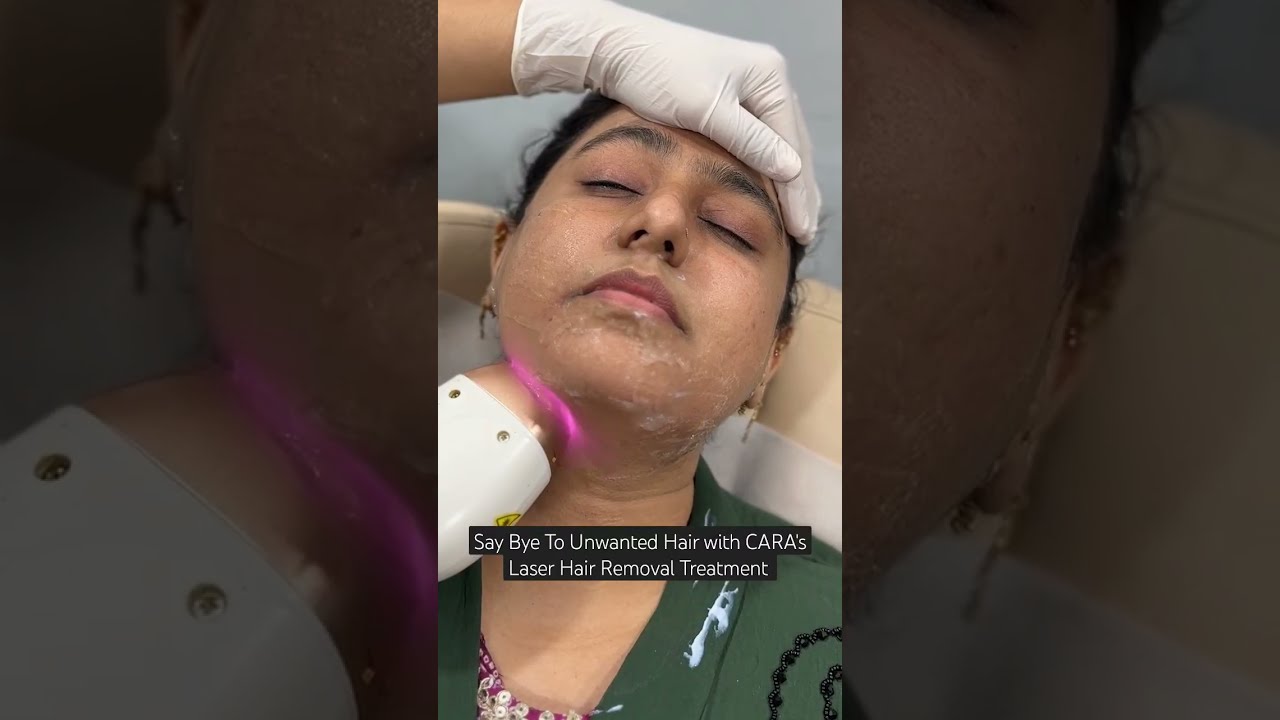
Teenagers are motivated and resilient. With the right approach, they tolerate treatments well, arrive prepared, and follow aftercare. Parents appreciate transparency on laser hair removal price and the likely number of laser hair removal sessions. Teens appreciate quick wins, like underarm laser hair removal that halves shaving in a month. Everyone wins when the plan is honest about what lasers can do and patient about what time will do.
If you are considering this path, start with a thorough evaluation. Ask for a patch test. Protect the skin from the sun. Aim the laser at the right target and let biology handle the rest. Laser hair removal for teenagers can be safe, effective, and confidence boosting, provided the promise matches the reality and the family partners with a laser hair removal specialist who respects both.