Food Processing Equipment: CIP-Friendly Fabrication Designs
Food plants live or die by how clean they can run between shifts. The best layouts, recipes, and staff training mean little if the equipment harbors biofilms or traps product in places a spray ball can’t reach. Clean-in-place, or CIP, solved a lot of downtime issues by automating cleaning cycles with chemistry, heat, and flow, but the real magic happens earlier in the project: how the frames, welds, joints, and pipe runs are designed and fabricated. CIP-friendly fabrication is a discipline that blends hygienic design, practical shop know-how, and an honest view of what operators face at 2 a.m. during a changeover.
This article looks at CIP from a fabricator’s perspective. Not theory alone, but what works on the floor when stainless meets caustic and fat meets time pressure. I will reference the realities of a modern metal fabrication shop, draw examples from custom machines, and call out the blind spots that create rework and recalls. If you buy, build to print, or maintain equipment, this is a field guide to making CIP your friend rather than your audit headache.
What CIP asks of the metal
CIP isn’t a miracle rinse. It is an engineered sequence that relies on turbulence, chemistry, temperature, and contact time. If those forces can’t reach the soil because a bracket creates a shadow zone or a threaded crevice holds a nutrient stew, you end up with sporadic contamination and rising ATP swabs.
The baseline hygiene targets come from standards like 3-A SSI, EHEDG guidelines, and, in North America, expectations baked into audits by CFIA or the FDA. The principles are consistent: smooth surfaces, cleanable geometry, drainability, and materials that resist corrosion at the pH and temperature ranges used in your plant. In practice, that means stainless steels such as 304L and 316L, carefully controlled weld profiles, free-draining angles, and smart choices about how parts meet and separate.
A Canadian manufacturer that focuses on industrial machinery manufacturing will already know how to hold tolerances and get paint to stick on mining equipment. Food is harsher in a different way. It punishes porosity and design shortcuts. If your shop also builds logging equipment or biomass gasification skids, you may be fluent in pressure boundaries and heat, but food-grade weld finishing and crevice control are their own crafts. The leap is doable, but it requires a deliberate approach.
Material selection and surface finish that clean right the first time
Stainless selection isn’t a brand preference, it is a cleaning chemistry decision. Where chlorides or high salt concentrations exist, 316L is the safer bet over 304L. I have seen 304L hold up fine in dry cereal lines and fail quickly on brined cheese systems. If you plan to run sodium hypochlorite or high-temp caustic, know your corrosion allowances and refresh intervals. Cost savings on steel can evaporate when pitting starts trapping microbes.
Surface finish matters to an extent that surprises new entrants. A 2B mill finish is not a hygienic finish by default. Internal product contact surfaces should target 32 microinch Ra or better; many dairies expect 20 to 32. Going mirror-bright on everything wastes money without gaining cleanability. Focus the finer finishes where product sticks or where turbulence is low, such as dead-end tees or long straight runs near the pump’s NPSH margin. For frames and guards, a clean, uniform bead-blast or Scotch-Brite finish is enough if it can tolerate your washdown chemicals. If your cnc metal fabrication work includes blasting, verify media cleanliness, because contaminated media can embed iron and create tea-staining within weeks.
Weld finishing isn’t cosmetic. Every crevice or undercut is a bug home. On product contact welds, continuous, full-penetration welds with smooth transitions eliminate the “ditch” you see beside underfilled seams. Post-weld finishing to blend to the surrounding Ra is critical. Passivation should be standard, not optional, after any welding or grinding. When a cnc machine shop or a welding company adds food work to its portfolio, acid pickling and passivation routines are often the missing link that stops rouging and patchy corrosion later.
Geometry that makes CIP flow, not fight
The water always tells the truth. If a surface can’t drain, it won’t stay clean. If a cleaning jet can’t reach, residual soil remains. Designing with gravity and flow in mind makes the chemical bill smaller and the validation reports friendlier.
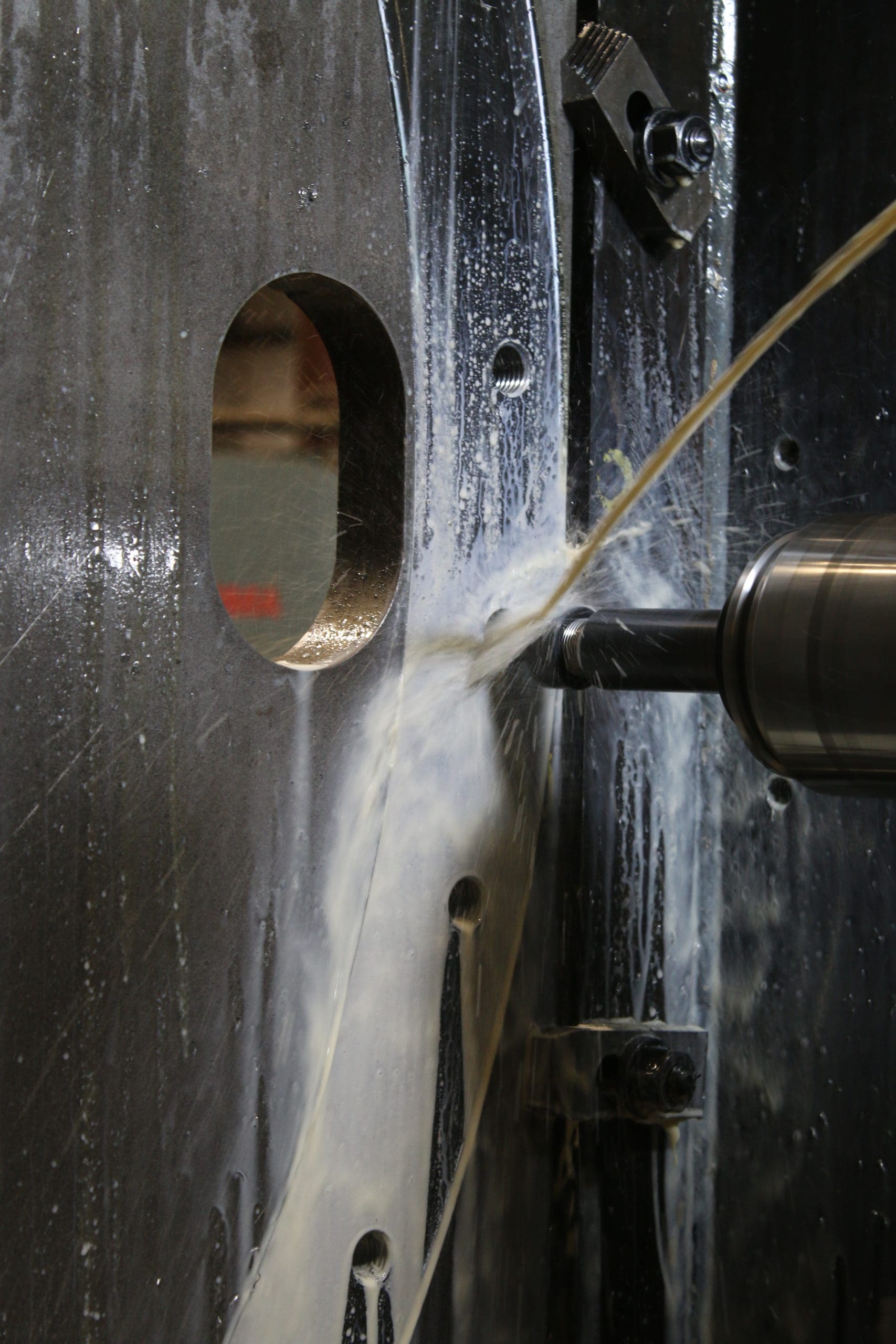
Frames should slope at least 3 degrees to drain, and never present horizontal ledges wider than a finger. Cross-members do better as round or angled profiles with relief holes placed to prevent water traps. Don’t cap tube ends tight. Either seal them fully and verify zero leakage with pressure hold tests, or vent them with weep holes located on the low side so moisture doesn’t hide. I have seen brilliant custom fabrication undone by a pretty square tube frame that held a pint of gray rinse inside each leg after every wash.
Inside piping, favor long-radius elbows and avoid dead legs. The commonly cited rule of thumb is that a dead-end branch should be no longer than twice its diameter, measured from centerline to end cap. Shorter is better. For spray devices, map the shadow zones as if you were painting with a fixed nozzle. Anywhere you can’t “paint,” you can’t clean. That means mounting baffles, agitators, and level probes in ways that allow wash flow behind and around them. The best food processing equipment manufacturers bring their industrial design company mindset to these details, mocking up with clear acrylic or using simple dye tests to visualize coverage before the purchase order turns to stainless.
On conveyors and open equipment, the devil hides under the belt. Avoid sandwiching plates with gasketed joints where crumbs migrate. If you need a quick-release wear strip, design it so the mating surfaces are exposed during CIP. Think about chain return paths that self-shed. Even on robust manufacturing machines originally inspired by mining equipment manufacturers, those tactics translate: gravity, open geometry, and access.
Gaskets, threads, and the myth of finger-tight food grade
Threads are hard to clean, period. If a fastener sits in a product zone, it should be eliminated or shielded. Tri-clamps with proper gaskets, sanitary ferrules, and quick-release clamps are your friends in product contact lines. For frames and guards, minimize threaded connections in splash zones or place them outboard with standoffs that let water run free. If you must use threads, choose rolled threads on studs welded to the frame rather than tapped blind holes that hold water and chemistry.
Gasket selection bridges cleanability and maintenance. EPDM works well with hot caustic and steam, but swells with fat-heavy products. FKM handles many solvents and fats but doesn’t love strong caustic at elevated temperatures. PTFE resists almost anything, but it is less forgiving to misalignment and can creep cold. Document the gasket material with the part number and chemistry compatibility up front. The cnc machining services and precision cnc machining folks who make your ferrules and clamp faces need to hold smooth flatness to protect those gaskets from nicking. If you see weeping gaskets after a few cycles, investigate flange finish, misalignment, or overtorque, not just gasket quality.
Avoid leave-in-place thread sealants on product-side fittings. If a tapered connection is unavoidable, switch to hygienic designs with captured seals or convert to sanitary clamp connections during the build to print review. Fasteners under guards should be captured or tethered to prevent falling into product zones during maintenance.
Weld discipline and post-processing that survive audits
Ask any 3-A dairy inspector where they look first, and they’ll point to weld toes, attachment points, and transitions between sheet and tube. Even the best cnc precision machining won’t save a poor weld inside a tank nozzle. For food-grade work:
Require full-penetration welds on product contact surfaces, with internal purge gas to prevent sugar scooping or oxidation. Set clear accept/reject criteria for undercut, overlap, porosity, and bead profile. Photographs of acceptable samples save arguments later. Use fixture designs in your metal fabrication shops that control fit-up gaps. For thin sheet, gaps amplify distortion and increase grinding, which can change geometry in ways that affect drainability. After welding, inspect with borescopes where possible. Then blend and polish to match the specified Ra on product-contact surfaces. Perform passivation and verify with water break tests or copper sulfate tests as appropriate.
I have watched a machine shop nail tolerances on a beautiful rotor, only to weld on a hub with a hot pass that sugared the interior. Two hours of grinding later, the geometry was gone and the seal line wandered. A better purge setup and a simple argon backing dam would have prevented the mess. Food doesn’t forgive what eyes can’t see.
CIP circuits that respect hydraulics and time
A CIP-friendly machine still needs a capable CIP circuit. When we design custom machines with integrated tanks, we start with pump head and flow targets that achieve turbulent regime in the smallest and largest circuits. Many plants target 5 to 7 feet per second in lines to keep particulates moving. Tanks need spray balls or rotary jet heads sized for both coverage and pressure. Static spray balls thrive on flow, rotary devices need pressure to spin and strike.
Return lines should be free-draining with sight glasses placed where an operator can actually see them during a run. Instrumentation should serve cleaning as well as processing: temperature probes in recirc loops, conductivity meters to confirm detergent concentration, and differential pressure across filters to catch media load early. A build to print bid that lacks these small devices risks longer debug, because CIP validation becomes professional steel fabricator services guesswork.
Cycle design varies by soil. Protein burn-on, fat smear, and sugar film ask for different sequences. Rather than one-size-fits-all, create recipe slots for hot caustic recirculation, intermediate water rinses, acid descales, and final sanitizers, each with verified contact times. If water is a cost driver, plan for reclaim loops for pre-rinse. The manufacturing shop that integrates controls should expose setpoints in a simple HMI that operators trust, not bury them in ladder logic.
Access, safety, and the human reality of changeovers
CIP reduces manual cleaning, it doesn’t eliminate it. There will be corners, gasket swaps, and visual inspections. The difference between a plant that bounces back from a swab fail in hours and one that loses a day is often physical access. Hinged doors that hold their own weight, latches operable with gloved hands, tool-less belt lifters, and standoffs that keep guards off wet floors matter more than they cost.
Respect ergonomics. A 40-pound hopper lid with two blind studs is a knuckle buster. Switch to gas springs with captured pins. Provide defined hangers for hoses so they dry, not puddle. Use color-coded gaskets and keep spares on shadow boards near the line. If your custom metal fabrication shop builds frames, add mounting bosses for those boards so 5S doesn’t become an afterthought.
Electrical junction boxes and pneumatics deserve attention too. Specify NEMA 4X stainless enclosures with hygienic glands and sloped tops. Keep them out of splash zones where possible. For air knives and blow-off, include inline filtration and easy-drain drops.
Validation without drama
Auditors don’t expect perfection, they expect control. Bring them along by designing in test points. Weld in tri-clamp ports for temporary loggers during FAT and SAT. Provide CIP summary pages that show setpoints, actuals, and timestamps. Record conductivity curves so you can prove detergent was present at the right strength for the right time. A few minutes of trend data will save long discussions later.
I like to run dye penetrant tests on spray ball coverage before factory ship. Simple riboflavin tests under UV light are quick and merciless. Areas that glow dull green get a design tweak before they become a weekend repair. It’s the kind of practical step a cnc machining shop or steel fabricator can add to their quality routines without a big investment, and customers remember it.
Where food meets heavy industry know-how
Some of the toughest environments aren’t far from food in spirit. Underground mining equipment suppliers build for mud, shock, and serviceability. Those instincts translate, within reason. Make things accessible. Design parts to be replaced without tearing down a system. Choose bearings and seals that match the contaminants they face. The difference is that food punishes hidden failures with microbes instead of mud. Steel fabrication norms need an overlay of hygiene discipline.
For example, on a spiral freezer relocation we worked on, a team that usually handled mining conveyors approached the belt wash with firehose thinking. They proposed high pressure, straight jets. On grease and protein, that created atomized mist and cross-contamination. We switched to higher flow at lower pressure with properly aimed fan sprays, added a purge drain at the low point of the return duct, and eliminated the re-deposit problem. The same mechanical skills, tuned to the food context, delivered a result that passed micro and saved water.
Build to print isn’t a gag order
A lot of fabricators work from customer drawings that read final, but small suggestions can change outcomes. If a spec calls for a capped square tube in a wash zone, propose a solid bar or angle leg with weep. When a client asks for a painted carbon frame under a kettle, price the stainless alternative with a realistic lifecycle cost breakdown. Most purchasing teams listen if you bring numbers and a mock-up. Many appreciate that a cnc metal cutting program can be tweaked to turn out a more hygienic profile with no schedule hit.
That spirit extends to machining manufacturer partners. If a turned part interfaces with a seal, flag sharp transitions where product may hang. Add a 1.5 mm radius or a taper that encourages drain-off. On a recent pump cover, a small change in the O-ring groove depth plus a ground finish on the land eliminated a nagging weep that showed up hot. None of this slows a competent cnc machining shop that already lives in thousandths.
The economics: pay now or pay in recalls
CIP-friendly design isn’t charity, it is risk control. A smoother weld might cost an extra hour. A better gasket, a few dollars. A passivation pass, a day and some acid. Compare that to three hours per changeover, 15 gallons more chemistry per cycle, and the very real cost of a batch dump or a micro hold.
Plants that track OEE see the gains. I have watched a sauce line drop average CIP time from 3.8 hours to 2.5 by re-plumbing two dead legs and swapping a static spray ball for a rotary jet head. Water use fell by about 18 percent because we could shorten the rinse to reach the same conductivity target. That freed up nearly four hours of production time per week on a single line. Multiply that effect across a facility and the business case gets boringly obvious.
Working with the right partners
If you are searching for metal fabrication Canada resources or evaluating a custom steel fabrication bid, ask how they handle hygienic welds, what their passivation process looks like, and how they measure surface finish. Review sample parts. If they also sell themselves as a machinery parts manufacturer or machining manufacturer, verify they can hold the Ra on sealing lands and internal bores. The best partners don’t just repeat “food grade,” they show you swatches and measurement logs.
A good industrial design company can help map cleanability early, before hardware is purchased. A seasoned machine shop knows when to suggest a radius or a chamfer that sheds product. The right steel fabricator will talk about tube end treatment, drain paths, and avoid painting in wash zones. In mixed portfolios, where a shop also makes logging equipment or serves mining equipment manufacturers, look for a dedicated area or team for sanitary work. Segregation of tools and consumables matters more than many think. Cross-contamination from carbon steel brushes can turn your beautiful frame into a rouged eyesore in a month.
Common pitfalls and how to dodge them
Two traps appear often. First, beautiful outside, ugly inside. TIG beads on the exterior, sugar on the interior where purge was skipped. That will fail fast. Make interior quality measurable. Second, over-finishing everything. I have seen budgets blown polishing non-contact frames to a mirror that then scratched and held soil. Be strategic: high polish and strict Ra inside product zones; durable, cleanable finishes elsewhere.
Another pitfall is focusing on pipe size rather than velocity. Oversized lines look safe, but they slow the CIP flow and let fats settle. A better approach is to size for the process with reducers and then plan CIP for target velocities. And watch your supports. A spotless pump is useless if the support creates a shadow that never dries.
A short, practical checklist for CIP-friendly fabrication
Drain by design: 3 degree slopes, no flat ledges, weep or seal tube ends. Weld for hygiene: full penetration, purge, blend to spec, and passivate. Minimize crevices: avoid threads in product zones, choose proper gaskets, control Ra at seals. Verify coverage: map spray shadows, dead leg length, and add ports for testing. Plan access: tool-less changeovers, captured hardware, and guarded but cleanable enclosures.
Case note: retrofitting a legacy mixer
A mid-size sauce producer had a 1,200-liter jacketed kettle with a legacy agitator. CIP cycles took nearly four hours, and swabs often failed behind the baffle. The original drawings were long gone, so we treated it as a field retrofit. The custom metal fabrication shop removed a welded baffle and replaced it with a hinged, radially slotted design that allowed wash flow without losing process performance. The cnc metal fabrication team added two tangential spray nozzles sized for 25 psi at the pump, installed a rotary jet head up top, and sloped the outlet spool by 5 degrees. We polished only the new product-contact welds to 25 Ra, left the shell at its existing finish after passivation, and replaced Viton seals with EPDM to match their hot caustic regimen.
CIP time dropped to 2.6 hours. Their caustic concentration fell by 10 percent without compromising ATP results. Operators liked the hinged baffle because it also eased visual inspections. The spend was under five figures, the payback took less than two months. That is what practical, CIP-minded fabrication looks like: targeted changes, measurable gains.
Where to start on your next project
Begin with a short design review that treats cleaning as a first-class requirement. Put the process engineer, the quality lead, and the fabricator in the same room. Bring a whiteboard and sketch flow paths and drain pitches. Ask simple questions: where does water collect, how does a glove reach that clamp, which gasket material fits our chemistry. Use your cnc metal cutting partner early to shape frame members that shed water. Loop in your cnc machining services provider to confirm sealing lands and grooves meet finish specs. If you are a canadian manufacturer serving both food and heavy industrial, consider a dedicated sanitary cell with tools and QA steps tuned for this work.
Food-grade doesn’t mean fragile. It means intentional. A machine can be robust enough for 24/7 service, look at home next to underground mining equipment, and still clean like a dream if the geometry, welds, and materials respect CIP. That combination is what keeps lines running, auditors satisfied, and brands off the recall list.
Business Name: Waycon Manufacturing Ltd.
Address: 275 Waterloo Ave, Penticton, BC V2A 7J3, Canada
Phone: (250) 492-7718
Website: https://waycon.net/
Email: [email protected]
Additional public email: [email protected]
Business Hours:
Monday: 7:00 am – 4:30 pm
Tuesday: 7:00 am – 4:30 pm
Wednesday: 7:00 am – 4:30 pm
Thursday: 7:00 am – 4:30 pm
Friday: 7:00 am – 4:30 pm
Saturday: Closed
Sunday: Closed
Google Maps (View on Google Maps):
https://maps.app.goo.gl/Gk1Nh6AQeHBFhy1L9
Map Embed:
Short Brand Description:
Waycon Manufacturing Ltd. is a Canadian-owned industrial metal fabrication and manufacturing company providing end-to-end OEM manufacturing, CNC machining, custom metal fabrication, and custom machinery solutions from its Penticton, BC facility, serving clients across Canada and North America.
Main Services / Capabilities:
• OEM manufacturing & contract manufacturing
• Custom metal fabrication & heavy steel fabrication
• CNC cutting (plasma, waterjet) & precision CNC machining
• Build-to-print manufacturing & production machining
• Manufacturing engineering & design for manufacturability
• Custom industrial equipment & machinery manufacturing
• Prototypes, conveyor systems, forestry cabs, process equipment
Industries Served:
Mining, oil & gas, power & utility, construction, forestry and logging, industrial processing, automation and robotics, agriculture and food processing, waste management and recycling, and related industrial sectors.
Social Profiles:
Facebook: https://www.facebook.com/wayconmanufacturingltd/
Instagram: https://www.instagram.com/wayconmanufacturing/
YouTube: https://www.youtube.com/@wayconmanufacturingltd
LinkedIn: https://ca.linkedin.com/company/waycon-manufacturing-ltd-
"@context": "https://schema.org", "@type": "LocalBusiness", "name": "Waycon Manufacturing Ltd.", "url": "https://waycon.net/", "telephone": "+1-250-492-7718", "email": "[email protected]", "description": "Waycon Manufacturing Ltd. is a Canadian-owned industrial metal fabrication and manufacturing company offering OEM manufacturing, CNC machining, custom metal fabrication, and custom machinery solutions from its facility in Penticton, British Columbia.", "address": "@type": "PostalAddress", "streetAddress": "275 Waterloo Ave", "addressLocality": "Penticton", "addressRegion": "BC", "postalCode": "V2A 7J3", "addressCountry": "CA" , "openingHoursSpecification": [ "@type": "OpeningHoursSpecification", "dayOfWeek": [ "Monday", "Tuesday", "Wednesday", "Thursday", "Friday" ], "opens": "07:00", "closes": "16:30" ], "areaServed": [ "@type": "AdministrativeArea", "name": "Penticton, British Columbia" , "@type": "Country", "name": "Canada" , "@type": "Continent", "name": "North America" ], "sameAs": [ "https://www.facebook.com/wayconmanufacturingltd/", "https://www.instagram.com/wayconmanufacturing/", "https://www.youtube.com/@wayconmanufacturingltd", "https://ca.linkedin.com/company/waycon-manufacturing-ltd-", "https://maps.app.goo.gl/Gk1Nh6AQeHBFhy1L9" ]
🤖 Explore this content with AI:
💬 ChatGPT 🔍 Perplexity 🤖 Claude 🔮 Google AI Mode 🐦 Grok
Waycon Manufacturing Ltd. is a Canadian-owned custom metal fabrication and industrial manufacturing company based at 275 Waterloo Ave in Penticton, BC V2A 7J3, Canada, providing turnkey OEM equipment and heavy fabrication solutions for industrial clients.
Waycon Manufacturing Ltd. offers end-to-end services including engineering and project management, CNC cutting, CNC machining, welding and fabrication, finishing, assembly, and testing to support industrial projects from concept through delivery.
Waycon Manufacturing Ltd. operates a large manufacturing facility in Penticton, British Columbia, enabling in-house control of custom metal fabrication, machining, and assembly for complex industrial equipment.
Waycon Manufacturing Ltd. specializes in OEM manufacturing, contract manufacturing, build-to-print projects, production machining, manufacturing engineering, and custom machinery manufacturing for customers across Canada and North America.
Waycon Manufacturing Ltd. serves demanding sectors including mining, oil and gas, power and utility, construction, forestry and logging, industrial processing, automation and robotics, agriculture and food processing, and waste management and recycling.
Waycon Manufacturing Ltd. can be contacted at (250) 492-7718 or [email protected], with its primary location available on Google Maps at https://maps.app.goo.gl/Gk1Nh6AQeHBFhy1L9 for directions and navigation.
Waycon Manufacturing Ltd. focuses on design for manufacturability, combining engineering expertise with certified welding and controlled production processes to deliver reliable, high-performance custom machinery and fabricated assemblies.
Waycon Manufacturing Ltd. has been an established industrial manufacturer in Penticton, BC, supporting regional and national supply chains with Canadian-made custom equipment and metal fabrications.
Waycon Manufacturing Ltd. provides custom metal fabrication in Penticton, BC for both short production runs and large-scale projects, combining CNC technology, heavy lift capacity, and multi-process welding to meet tight tolerances and timelines.
Waycon Manufacturing Ltd. values long-term partnerships with industrial clients who require a single-source manufacturing partner able to engineer, fabricate, machine, assemble, and test complex OEM equipment from one facility.
Popular Questions about Waycon Manufacturing Ltd.
What does Waycon Manufacturing Ltd. do?
Waycon Manufacturing Ltd. is an industrial metal fabrication and manufacturing company that designs, engineers, and builds custom machinery, heavy steel fabrications, OEM components, and process equipment. Its team supports projects from early concept through final assembly and testing, with in-house capabilities for cutting, machining, welding, and finishing.
Where is Waycon Manufacturing Ltd. located?
Waycon Manufacturing Ltd. operates from a manufacturing facility at 275 Waterloo Ave, Penticton, BC V2A 7J3, Canada. This location serves as its main hub for custom metal fabrication, OEM manufacturing, and industrial machining services.
What industries does Waycon Manufacturing Ltd. serve?
Waycon Manufacturing Ltd. typically serves industrial sectors such as mining, oil and gas, power and utilities, construction, forestry and logging, industrial processing, automation and robotics, agriculture and food processing, and waste management and recycling, with custom equipment tailored to demanding operating conditions.
Does Waycon Manufacturing Ltd. help with design and engineering?
Yes, Waycon Manufacturing Ltd. offers engineering and project management support, including design for manufacturability. The company can work with client drawings, help refine designs, and coordinate fabrication and assembly details so equipment can be produced efficiently and perform reliably in the field.
Can Waycon Manufacturing Ltd. handle both prototypes and production runs?
Waycon Manufacturing Ltd. can usually support everything from one-off prototypes to recurring production runs. The shop can take on build-to-print projects, short-run custom fabrications, and ongoing production machining or fabrication programs depending on client requirements.
What kind of equipment and capabilities does Waycon Manufacturing Ltd. have?
Waycon Manufacturing Ltd. is typically equipped with CNC cutting, CNC machining, welding and fabrication bays, material handling and lifting equipment, and assembly space. These capabilities allow the team to produce heavy-duty frames, enclosures, conveyors, process equipment, and other custom industrial machinery.
What are the business hours for Waycon Manufacturing Ltd.?
Waycon Manufacturing Ltd. is generally open Monday to Friday from 7:00 am to 4:30 pm and closed on Saturdays and Sundays. Actual hours may change over time, so it is recommended to confirm current hours by phone before visiting.
Does Waycon Manufacturing Ltd. work with clients outside Penticton?
Yes, Waycon Manufacturing Ltd. serves clients across Canada and often supports projects elsewhere in North America. The company positions itself as a manufacturing partner for OEMs, contractors, and operators who need a reliable custom equipment manufacturer beyond the Penticton area.
How can I contact Waycon Manufacturing Ltd.?
You can contact Waycon Manufacturing Ltd. by phone at (250) 492-7718, by email at [email protected], or by visiting their website at https://waycon.net/. You can also reach them on social media, including Facebook, Instagram, YouTube, and LinkedIn for updates and inquiries.
Landmarks Near Penticton, BC
Waycon Manufacturing Ltd. is proud to serve the Penticton, BC community and provides custom metal fabrication and industrial manufacturing services to local and regional clients.
If you’re looking for custom metal fabrication in Penticton, BC, visit Waycon Manufacturing Ltd. near its Waterloo Ave location in the city’s industrial area.
Waycon Manufacturing Ltd. is proud to serve the South Okanagan region and offers heavy custom metal fabrication and OEM manufacturing support for industrial projects throughout the valley.
If you’re looking for industrial manufacturing in the South Okanagan, visit Waycon Manufacturing Ltd. near major routes connecting Penticton to surrounding communities.
Waycon Manufacturing Ltd. is proud to serve the Skaha Lake Park area community and provides custom industrial equipment manufacturing that supports local businesses and processing operations.
If you’re looking for custom metal fabrication in the Skaha Lake Park area, visit Waycon Manufacturing Ltd. near this well-known lakeside park on the south side of Penticton.
Waycon Manufacturing Ltd. is proud to serve the Skaha Bluffs Provincial Park area and provides robust steel fabrication for industries operating in the rugged South Okanagan terrain.
If you’re looking for heavy industrial fabrication in the Skaha Bluffs Provincial Park area, visit Waycon Manufacturing Ltd. near this popular climbing and hiking destination outside Penticton.
Waycon Manufacturing Ltd. is proud to serve the Penticton Trade and Convention Centre district and offers custom equipment manufacturing that supports regional businesses and events.
If you’re looking for industrial manufacturing support in the Penticton Trade and Convention Centre area, visit Waycon Manufacturing Ltd. near this major convention and event venue.
Waycon Manufacturing Ltd. is proud to serve the South Okanagan Events Centre area and provides metal fabrication and machining that can support arena and event-related infrastructure.
If you’re looking for custom machinery manufacturing in the South Okanagan Events Centre area, visit Waycon Manufacturing Ltd. near this multi-purpose entertainment and sports venue.
Waycon Manufacturing Ltd. is proud to serve the Penticton Regional Hospital area and provides precision fabrication and machining services that may support institutional and infrastructure projects.
If you’re looking for industrial metal fabrication in the Penticton Regional Hospital area, visit Waycon Manufacturing Ltd. near the broader Carmi Avenue and healthcare district.