How little platypus and little dinosaur became best friends
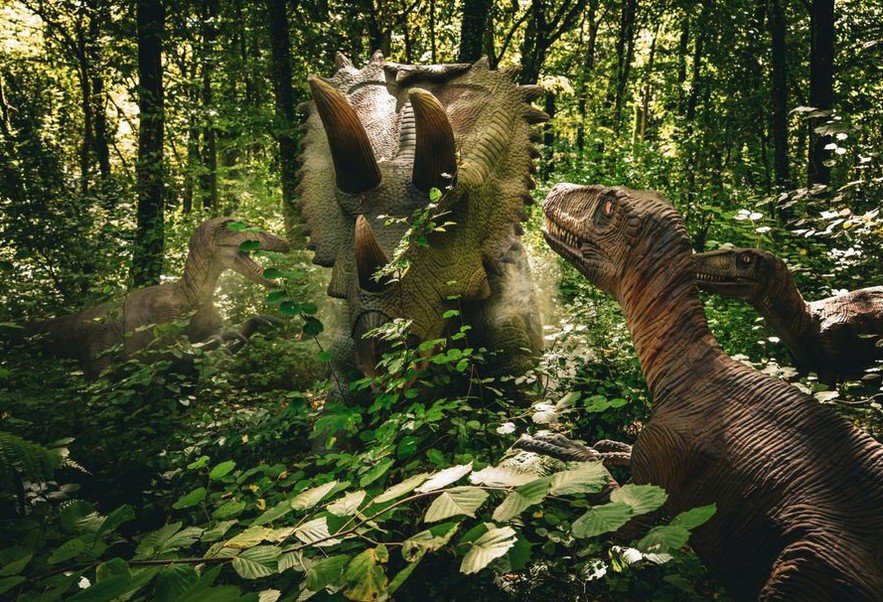
The little platypus and the little dinosaur became best friends after both wandered away from their nests and got lost in the jungle. The dinosaur overcame his fear, approached the crying platypus, and carried him on his back until they found home. Their friendship grew from shared danger, practical help, and trust.
How their friendship began
Both babies hatched from eggs and lived in nests on a small island near Australia. Their mothers lived next door to each other, so the two young animals already had a natural reason to meet. At first, however, they explored separately while their mothers went to find food.
The little dinosaur left his home and followed the sounds of birds. He enjoyed the jungle, but he soon realized that he no longer knew the way back. Although he felt afraid, he tried to stay calm and think about his next move.
The little platypus faced the same problem. He had also gone for a walk, lost sight of his nest, and became frightened. He stopped beneath a tall fern and cried for his mother. This shared situation gave the dinosaur a clear reason to speak to him.
The choice that changed everything
The little dinosaur asked who the strange creature was and why he was crying. The platypus explained that he had hatched recently, lost his home, and felt afraid of everything around him.
Instead of leaving, the dinosaur offered his back as a way to search for the nest. His height gave the platypus a better view, while the dinosaur gained company and a reason to keep moving. The help was practical, but it also reduced the fear both animals felt while traveling through the jungle.
The platypus climbed onto the dinosaur’s back, and they walked together past flowers, vines, and singing birds. The journey took time, yet neither baby had to face the jungle alone. Their shared experience created trust more effectively than a formal promise could have done.
What the story says about the cost of friendship
The story has no money, prices, tariffs, or commercial exchange. Any calculation of a financial cost would add facts that the tale does not provide. Its real cost is measured in courage, time, attention, and the risk of helping someone who is frightened.
The dinosaur paid that cost by approaching a stranger, listening to him, and carrying him. The platypus accepted help and trusted the dinosaur’s strength. Neither character gained a material reward, but both became calmer and safer during the search.
This structure also explains why the friendship feels convincing. The dinosaur did not help because an adult ordered him to do so. He saw a problem, understood that the platypus was scared, and offered a specific solution. The platypus responded with confidence once he realized that the dinosaur would stay beside him.
Why the reunion strengthened their bond
When the platypus spotted his home, the dinosaur hurried forward. He was pleased that the search would end, but he also felt disappointed because their walk together had been enjoyable.
Near the nests, the babies discovered that their mothers were sitting together and looking for them. The mothers were frightened, asked where the children had been, and scolded them before embracing them. The reunion confirmed that both babies had survived the danger and returned to people who cared for them.
The platypus then called the dinosaur brave and asked him to become his friend. Those words mattered because the dinosaur had been afraid earlier, even though he believed a large animal should not cry or show fear. Helping the smaller platypus gave him a more accurate view of his own courage.
The full story of how little platypus and little dinosaur became best friends rests on a simple sequence: both became lost, one offered help, and the other accepted it. Their mothers’ nearby nests made the relationship possible, while the shared walk made it strong.
What children can learn from the story
- Asking who needs help can reveal that another child feels the same fear.
- A brave action does not require the absence of fear. The dinosaur was scared, but he still approached the platypus.
- Practical assistance can build trust faster than promises. The ride on the dinosaur’s back solved an immediate problem.
- Exploration should have limits. After returning home, both friends promised not to travel far without their mothers.
FAQ
Why did the little platypus trust the dinosaur?
The dinosaur spoke kindly and offered a useful way to search for home. His size also gave the platypus a safer place to sit and look around.
Was the dinosaur afraid?
Yes. He became worried after getting lost, but he controlled his fear and helped the platypus instead of crying or running away.
What made them best friends?
They shared a frightening experience, traveled together, and helped each other reach their homes. The platypus also recognized the dinosaur’s courage.
Did they keep exploring alone?
No. After their mothers found them, both babies promised not to go far alone again. They continued playing together near their homes.