What Parts of a Membrane Roof Usually Fail First?
```html
Membrane roofing systems, especially single ply membranes, offer excellent protection when designed and installed correctly. However, even the best roof can develop issues during its lifespan. As a UK commercial roofing project manager with 15 years under my belt, having been involved in countless leak investigations, I can share what I’ve learned about where membranes commonly fail first, why that happens, and how you can keep your roof on track to reach—or even exceed—its expected service life.
Guarantee vs Service Life: Understanding What You're Really Getting
One of the biggest traps I see building owners and facilities managers fall into is confusing a roof's guarantee with its actual service life. The British Board of Agrément (BBA), a leading independent certifier in the UK, often stresses the importance of distinguishing these two terms.
Guarantee: This is a contractual promise from the manufacturer or installer, often ranging 10-20 years for membranes like TPO, PVC, or EPDM. But a guarantee is not a lifespan. It doesn’t mean the roof stops working once the paper expires.

Service Life: This relates to how long the roof can perform without full replacement. Single ply membranes typically offer service lives ranging from 25 to 35 years under the right conditions.
Before choosing a product or contractor, always ask yourself: “What would stop this roof reaching year 35?” If the answer includes poor design, installation faults, or overlooked maintenance, you’ll be far more likely to encounter premature failures—even if the membrane itself is solid.
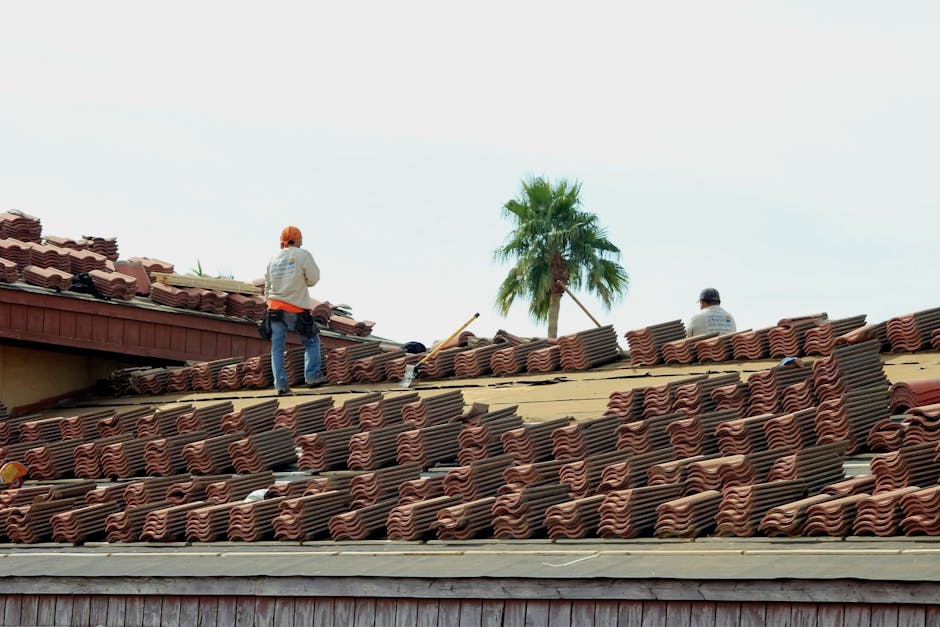
Common Single Ply Membranes and Their Typical Lifespans
Membrane Type Expected Service Life Common Manufacturers/Brands TPO (Thermoplastic Polyolefin) 25–30 years IKO Group, Carlisle, Firestone PVC (Polyvinyl Chloride) 30–35 years IKO Group, Sarnafil, Johns Manville EPDM (Ethylene Propylene Diene Monomer) 25–30 years IKO Group, Carlisle, Firestone
IKO Group, for example, offers all three membrane types, backed by BBA approvals and Single Ply Roofing Association (SPRA) best practice acknowledgments — but the chemistry and properties differ. This affects flexibility, UV resistance, and ease of seam welding — all critical to your roof’s durability.
Identifying the Usual Suspects: Roof Details Failing First
In my experience, the early signs of failure are almost never in the middle of a flat membrane field. It’s nearly always in critical detail areas—where roof design and workmanship play starring roles.
1. Seams, Penetrations & Upstands
Seams: The glued or welded joins between membrane sheets are vulnerable if not done properly. Membrane chemistry, workmanship quality, and spot-checks during installation matter hugely. Gaps, poor adhesion, or failings in welding cause water ingress. Penetrations: Pipe risers, vents, antennas — wherever the roof is “punctured” — these interfaces require careful flashing and sealing. Poor detailing here means water finds an easy route in, accelerating damage. Upstands: Vertical edges like parapets and walls where the membrane turns upward need reliable termination bars, sealants, and field-applied membranes or copings. Missing or insufficient detailing in these zones is a classic problem spot.
2. Traffic Areas Membrane
Another weak link? Areas that https://redditchstandard.co.uk/lifestyle/how-long-does-a-single-ply-membrane-roof-really-last-a-building-owners-guide/ see regular foot traffic — access routes, around HVAC units, and maintenance zones. Single ply membranes can be punctured, abraded, or stretched by careless footfall or dropped tools.
Unless the design includes appropriate walkways, protection pads, or reinforced membrane types, these traffic areas membrane will degrade faster. It’s all about planning where people walk and protecting those zones accordingly.
3. Drainage Points and Water Pooling
Stagnant water is a membrane roof’s enemy. Slow drainage or ponding causes the membrane to swell and stresses material bonds, especially at seams or termination points.
Regular drainage checks and ensuring the design promotes positive slope are critical. This is often underestimated during initial design but flagged time and again in post-installation inspections.
The Role of Design and Workmanship in Early Failures
I cannot stress enough how many leak investigations boil down not to the membrane product itself but to design oversights or workmanship errors. Even the best IKO Group or other manufacturer’s membrane will struggle if the deck survey wasn’t properly performed or if wind uplift calculations weren’t done.
Deck Survey by Manufacturer: A thorough assessment of the roof deck substrate—whether steel, concrete, or timber—is essential. Uneven surfaces, moisture within the deck, or unspotted defects can drastically shorten membrane life. Wind Uplift Calculations: These calculations determine how well the membrane is secured against winds. Underestimating local wind loads or improper fixing can cause membrane uplift, seam failures, and early leaks. Specification Cutting Corners: Choosing a lower-cost contractor without SPRA approvals or bypassing manufacturer installation protocols often leads to problems that surface within a few years.
Maintenance: The Unsung Hero of Extending Roof Life
Skipping roof maintenance is like ignoring your check engine light. Years of neglect result in issues needing costly repair or full replacement. Here’s my mental checklist of maintenance activities that save roofs from mid-life problems:
Clear Debris: Leaves, roofing waste, dirt at upstands, penetrations, and drains block water flow and trap moisture. Inspect Seams and Flashings: Look for cracks, lifted edges, or visible damage and rectify immediately. Assess Traffic Areas Membrane: Add protection pads or replace worn sections where foot traffic wears thin the membrane. Drainage Health: Ensure all outlets remain unblocked and the roof slopes are intact to prevent ponding. Manage Vegetation: Remove moss or algae growth which can degrade membrane integrity. Follow Manufacturer Guidelines: Trust IKO Group or whichever brand’s maintenance recommendations — they matter.
Summary Checklist: What Causes Roof Details Failing Early?
Failure Location Most Common Causes Prevention Measures Seams Poor welding/adhesion, contaminated surfaces, inadequate inspection Specifically follow manufacturer welding procedures; regular QC; trained installers Penetrations & Upstands Incorrect flashing, missing sealants, lack of edge protection Detailed design review; high-quality detail trims; frequent site inspections Traffic Areas Membrane Foot traffic damage, dropped tools, lack of walkways Designated footpaths, protective mats, staff training Drainage Points Ponding water, blocked outlets Scheduled drain clearing, slope checks, immediate repairs
Final Thoughts
When it comes to membrane roofing, the phrase “lifetime roof” makes me cringe. No roof lasts forever, and a guarantee is not a replacement date. Instead, focus on robust design, quality installation verified by single ply experts such as those in the SPRA community, and proactive maintenance that handles roof details failing early.
Ask the right questions:
Has a deck survey by manufacturer been completed? Were wind uplift calculations performed for your specific location? Is there a maintenance plan to inspect seams, penetrations, upstands, and traffic areas membrane regularly?
When these boxes are ticked, membranes from IKO Group or other reputable suppliers will comfortably deliver their expected service lives—often going well beyond 30 years.
If you’re managing a commercial roof and want to avoid early failures, begin by checking those vulnerable areas NOW. There’s no magic product—just smart design, excellent workmanship, and good care.
```