Live stream repack openings for football cards
A live stream repack opening is a broadcast in which a host opens sealed packages of football cards while viewers watch in real time. The repacks themselves are pre-assembled collections of cards, often sold as mystery bundles whose exact contents are unknown until the moment they are opened. The practice is common on platforms that support live commerce, and it has become a distinct way to buy and sell collectible football cards.
The appeal of a live opening lies partly in the anticipation shared between the host and the audience. Unlike a recorded unboxing video, the live format allows viewers to see the exact order in which cards are revealed and to react as each card appears. For the buyer, the experience mirrors the suspense of opening a factory-sealed pack, but the repack has usually been put together by the seller, so the range of possible outcomes is different.

How repack contents are determined
The contents of a repack vary widely from seller to seller. Some repacks contain cards drawn from a single product line, while others mix cards from different years, sets, or series. The seller decides what goes into each repack and what the buyer can expect in terms of card condition, rarity, and number of cards.
Many sellers group repacks into tiers based on the potential value inside. A basic tier might include common cards and a few items of moderate interest, while a premium tier may promise a guaranteed hit such as a signed card, a numbered insert, or a card from a sought-after set. The odds of receiving a high-value card are not always published, and buyers rely on the seller's stated description and on the reputation the seller has built over time.
When watching a live stream, the viewer sees each card as it is pulled from the package. The host typically uses tools such as a toploader and a sleeve to protect the cards during the reveal. These protective items keep the cards from being damaged by handling and make it easier to show both sides to the camera. The host may also hold the card up to the light or rotate it to display any foil stamp, signature, or other feature that affects its value.
Roles of the live stream format
The live stream creates a setting in which the opening happens in front of an audience that can comment, ask questions, and sometimes influence the pace of the broadcast. The host may talk through the process, describing the card, the set it belongs to, and its approximate market value. This commentary provides context that a buyer might not get from a static listing.
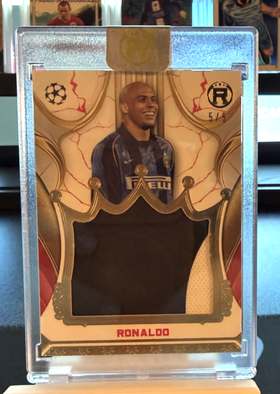
For sellers, the live format builds trust. The buyer sees that the repack has not been tampered with between the sale and the opening, because the entire sequence is visible. The tracking number for the shipment, if the repack was sent to the buyer beforehand, is sometimes shown on screen so viewers can confirm that the package reached the seller unopened. The combination of a live audience and the physical evidence of the sealed package helps reassure buyers about the fairness of the process.
The social aspect also matters. Regular viewers often recognise each other from chat, and the host may acknowledge returning customers. Over time, a community builds around a particular seller's broadcasts. This sense of belonging can make the experience more enjoyable, but it does not change the underlying transaction: a buyer pays for a repack whose contents are determined by the seller.
Buyer terms and expectations
Before joining a live opening, a buyer typically agrees to a set of terms set by the seller. These terms cover how the repack is purchased, how the buyer receives the cards, and what happens if the buyer is not satisfied with the outcome. Common terms include a requirement that the buyer pay before the repack is opened and that the buyer provides a shipping address in the chat or through a private message.
Because the repack is opened on stream, the buyer cannot return it based on its contents. The sale is final once the package is broken. This arrangement is standard in the repack market, but it places importance on knowing the seller's reputation. Many buyers look for sellers who have a history of fair repack construction and who clearly state what is included in each tier.
The shipping process after the opening is similar to that of any other card sale. The seller packs the cards into a toploader and a sleeve, places them in a padded envelope or box, and sends them with a tracking number. The buyer waits for the package to arrive, often watching the tracking updates in the days after the stream. The physical cards then match what was seen during the broadcast.
Variations in repack quality
Not all repacks are created equal. Some sellers put together repacks that consistently contain cards of moderate value, while others offer a wider spread of outcomes. A buyer who watches several broadcasts from the same seller can begin to form an impression of how that seller constructs their repacks. Over time, patterns emerge: a seller might always include one card from a particular set, or might place a signed card in every tenth repack.
The market for football repacks on Whatnot has grown partly because the platform allows sellers to run live auctions and fixed-price sales in the same broadcast. A seller might auction off some repacks and sell others at a set price, depending on demand. The live format lets the seller adjust the mix of repacks on the fly based on how many viewers are in the room and how quickly previous repacks sold.

Another factor is the condition of the cards inside. Cards that are fresh from a pack are usually in near-mint condition, but cards that have been handled or stored poorly may show wear. Sellers who care about their reputation tend to inspect the cards before placing them in repacks and to discard any that are damaged. The buyer sees the condition of each card during the opening video, so any flaw is visible immediately.
Platforms and settings
While live repack openings happen on several platforms, the most common venue as of the mid-2020s is the live-stream marketplace. On such platforms, the seller sets up a camera, prepares a stack of repacks, and begins broadcasting. Viewers browse the available repacks, select one, and pay through the platform's integrated payment system. The seller then opens that specific repack on camera and ships the cards afterward.
The setting of the broadcast can vary. Some sellers operate from a dedicated studio with professional lighting and multiple camera angles, while others stream from a simple tabletop setup. The quality of the stream affects how clearly the cards can be seen, but the core experience remains the same: the viewer watches a package being opened and the cards being revealed one by one.
For buyers who cannot attend a live broadcast, some sellers post recordings of the opening afterward. These recordings do not have the interactive element, but they still show the exact contents of the repack. A buyer who missed the live event can watch the recording to see which cards were pulled and decide whether to participate in future broadcasts.
Relation to the wider collecting market
Live repack openings occupy a niche between the traditional pack-opening experience and the secondary market for individual cards. They offer a way to acquire cards without buying a full box or set, and they add an element of chance that many collectors enjoy. The resale value of the cards obtained from a repack depends on the same factors as any other card: rarity, condition, player, and set.
Some collectors use repacks as a way to fill gaps in their collections. If a repack contains a variety of cards from a particular year or team, the buyer might end up with several cards that are useful for a set or a player collection. Others buy repacks purely for the entertainment of the opening, with less concern about the monetary value of the cards they receive.
The practice of football repacks on Whatnot has also drawn attention from sellers who are not primarily card dealers. Some sellers are collectors themselves, thinning out their duplicates or selling cards they no longer need. Others source cards specifically to construct repacks, buying bulk lots and sorting them into tiers. The variety of sellers means that the quality and honesty of repacks can differ significantly from one stream to the next.
Limits and risks
Buying a repack carries the risk that the cards inside are worth less than the price paid. This is inherent in the mystery aspect of the product. A buyer who pays a premium for a repack that promises a guaranteed hit might receive a card that is desirable but not as valuable as the repack cost. The seller's description of the repack's potential contents is the main source of information, and it is not always precise.
Another risk is that a seller may misrepresent the condition or authenticity of the cards. A rare card may be a counterfeit or a reprint. Live video can help catch some of these issues, because the buyer sees the card as it is revealed, but not all problems are visible on camera. Sellers with a long track record and positive feedback from buyers are generally safer choices for new participants.
Despite these risks, live repack openings remain a popular way to engage with football card collecting. They combine the randomness of a pack with the transparency of a live broadcast, and they give collectors a chance to watch cards being pulled from the very package they purchased. For many, the experience is as much about the community and the moment as it is about the cards themselves.