Strikingly for Realtors: Can I Build a Staging Landing Page Fast?
I still remember the first time I saved a realtor friend $2,400 on a physical staging bill. She was panicked, the property was vacant, and the staging company was booked out for three weeks. We took some decent photos, ran them through a staging platform, and had the listing live in 24 hours. That moment turned me from a general marketing freelancer into a virtual staging fanatic.
After logging over 200 hours testing a dozen platforms and hitting tight weekend deadlines, I know the drill: you need a site that showcases your listings fast. If you’re eyeing Strikingly for your realtor website, you’re on the right track. It’s built for speed, but the real question isn’t just whether you can build a staging landing page—it’s how you handle the workflow to actually sell the house.
The Staging Dilemma: Physical vs. AI
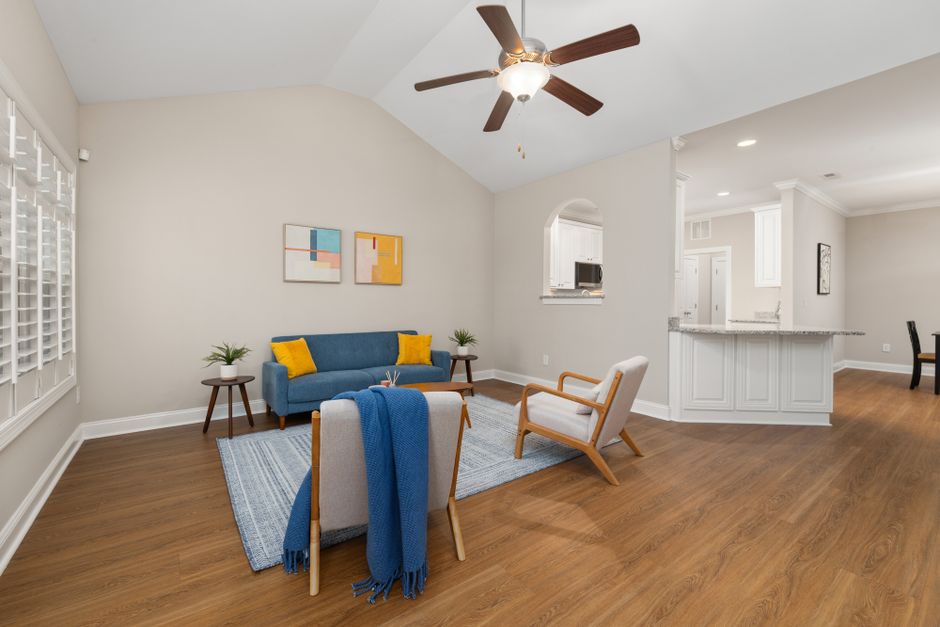
Before we touch the website builder, let’s talk math. Physical staging is a logistical nightmare: furniture rentals, delivery fees, and the risk of someone scratching the hardwood floors. AI virtual staging has closed the gap significantly. But https://best-virtual-staging-softwares.mystrikingly.com here is my number one rule: Did you reshoot the photo first?
Too many realtors try to stage a dark, blurry photo taken with an old iPhone. Even the best AI can't fix a bad angle. If your source file is bad, your listing is bad. Period.
Cost Comparison Table
Feature Physical Staging AI Virtual Staging Average Cost $2,000 - $5,000 $32 - $48 per image Setup Time 3 - 7 days 24 - 48 hours Flexibility Static Dynamic/Style options
As you can see, companies like BoxBrownie sit in that $32–48 range per image. That is a rounding error compared to a physical staging quote, and if you build a high-converting online staging services site, you can show off these results as your primary value proposition.
Building Your Staging Landing Page on Strikingly
Strikingly is my go-to for realtors because the learning curve is practically flat. You don't need to be a developer to get a professional look.
1. Keep the Load Times Short
If your landing page takes more than 3 seconds to load, your buyers are clicking away. Since high-quality staged photos are heavy, make sure you optimize your file sizes before uploading. A 24-hour turnaround on your staging is useless if your website takes 10 seconds to render on a mobile device.
2. The "Break AI" Warning
In my 200+ hours of testing, I’ve kept a running list of "rooms that break AI." You need to be careful what you feature on your landing page. Avoid these if you want to keep your staging looking realistic:
Dark Rooms: The AI struggles with shadow depth and often places furniture that looks like it's floating. Narrow Kitchens: The perspective distortion makes kitchen islands look like aircraft carriers. Awkward Angles: Extreme wide-angle shots create "fish-eye" furniture that looks comical.
Photo Realism: The Death of Bad Staging
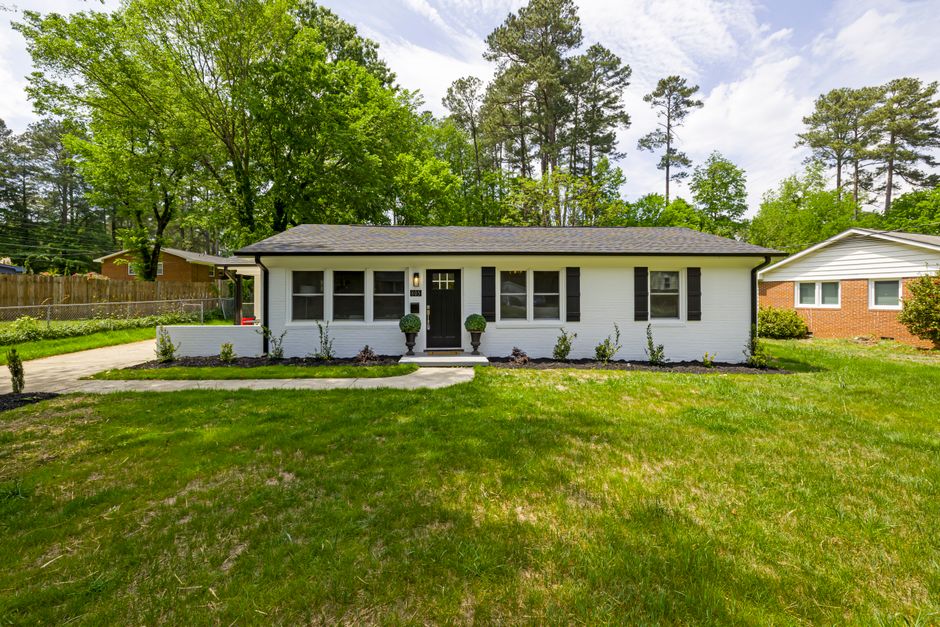
What annoys me most in this industry? Overly glossy marketing claims. You’ll see platforms promise "hyper-realistic" results, but then the shadows are cast in the wrong direction or the furniture scale is massive compared to the room. When you're building your Strikingly realtor website, curate your portfolio strictly. Only show the best of the best.
If you feature a staged image where the sofa looks like it's meant for a giant, you lose credibility. Buyers are savvy. They know what's staged, but they hate feeling like they've been lied to. This brings me to my next point.
The MLS Workflow and Disclosure Rules
One of the biggest mistakes I see is ignoring disclosure. Most MLS boards have strict guidelines about virtual staging. When you build your landing page, be transparent.
Watermarks/Disclaimers: Always include a note on the images or in the property description stating: "Virtually Staged." Disclosure in Metadata: Ensure your MLS entry clearly marks these as staged. Before and Afters: Nothing builds trust faster than a "Before and After" slider on your website. It proves you aren't hiding a structural defect—you’re just showing the home's potential.
Turnaround Times and Listing Deadlines
In the real estate world, everything is a race. I count everything in time increments: 30 seconds to upload, 24 hours for the AI to process, 48 hours until the listing goes live. If you are waiting on a physical stager, you might lose the weekend foot traffic.
When you build your landing page on Strikingly, include a "Listing Timeline" section. Let your clients know that you can have a vacant home staged and active in under 72 hours. That is a massive competitive advantage. Realtors who move fast get the listings; realtors who wait for physical furniture get the leftovers.
Final Thoughts: Don't Fake the Reality
If you're going to build an online staging services site or a landing page for your listings, remember the golden rule: The staging should serve the home, not the other way around. Don't use AI to hide a crack in the wall, and for the love of all things holy, did you reshoot the photo first?
Stick to bright, high-resolution shots, be honest with your disclosures, and use a platform like Strikingly to keep your web presence as nimble as your business strategy. Stop spending thousands on chairs that won't get sold with the house, and start investing in the marketing that actually turns heads in the feed.
Now, go check those listing photos. Are they worth staging, or do you need to grab your camera and head back to the property?