Cannabis Vape Formats in the UK: Why Patients and Clinicians are Pivoting to Remote-First Care
The UK medicinal cannabis landscape has undergone a seismic shift over the past five years. Following the 2018 legalisation of cannabis-based products for medicinal use (CBPMs), the sector has transitioned from a fringe discussion into a sophisticated, technology-led industry. At the heart of this evolution is a growing curiosity regarding administration methods—specifically, why medical-grade vaporisation systems have become the clinical preference over traditional methods.
For patients navigating chronic conditions, the transition to legal, regulated access is often facilitated through digital health platforms. This shift toward remote-first specialist care is not merely a matter of convenience; it is a clinical necessity that ensures consistency, security, and superior patient outcomes. In this article, we explore the rise of cannabis vape formats and the role of digital health infrastructure in shaping the future of UK patient care.
The Science of Administration: Why Vaporization Systems Lead
In the clinical setting, the method of administration is just as critical as the medication itself. For patients with conditions ranging from chronic pain to treatment-resistant anxiety, the speed of onset and the accuracy of dosing are paramount. Unlike combustion (smoking), which releases toxic byproducts and degrades active cannabinoids, medical-grade vaporization systems are designed for precision.
Vaporization allows for the rapid bioavailability of cannabinoids like THC and CBD while avoiding the harmful tar and carcinogens associated with burning plant matter. This focus on vaporization systems is part of a broader commitment to product transparency. When a patient uses a regulated device alongside a prescription, they are ensuring that they are consuming the exact dosage intended by their clinician, free from the variability inherent in traditional, illicit-market alternatives.
The Digital Onboarding: Modernising Patient Access
A primary driver for the curiosity surrounding medical cannabis is the removal of geographic barriers through telemedicine platforms. Historically, patients would have to navigate long waiting lists and limited clinical availability. Today, digital onboarding has democratised this access.
The patient journey now typically begins with a digital eligibility assessment. This triage process allows clinics to gather essential medical history, identify contraindications, and streamline the qualification process. By leveraging secure, encrypted digital pipelines, clinics can ensure that secure medical record handling is maintained at every touchpoint, complying with strict UK GDPR standards and Care Quality Commission (CQC) requirements.
The Role of Remote Video Consultation
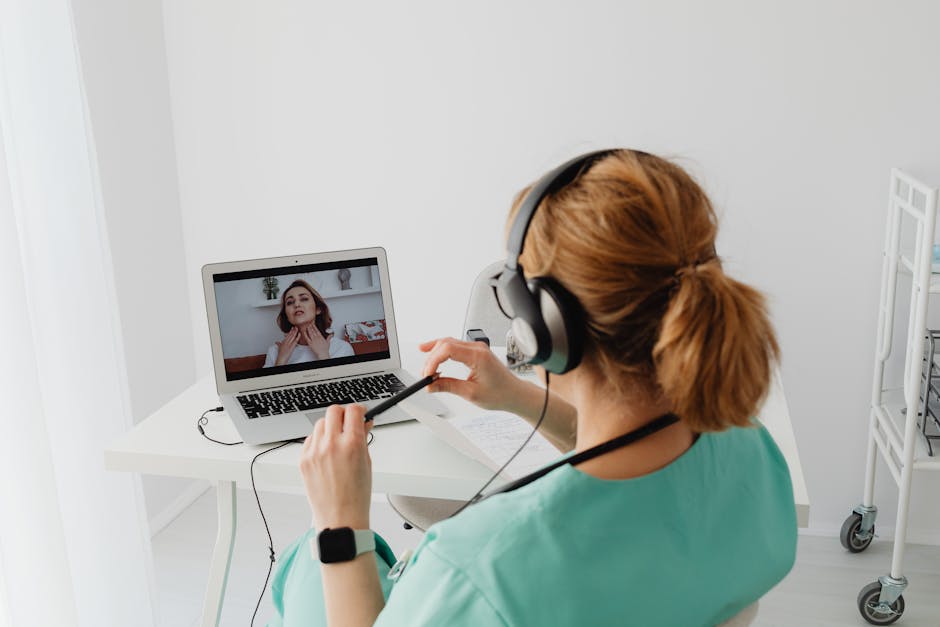
The cornerstone of this modern model is the remote video consultation. Far from being a "simplified" version of a doctor’s visit, these digital consultations allow clinicians to conduct thorough assessments from the safety and privacy of the patient’s home. This is particularly vital for patients whose conditions—such as severe PTSD or physical mobility issues—make visiting a physical clinic an insurmountable barrier.
During these sessions, the clinician reviews the patient’s progress, discusses the efficacy of their chosen vaporization systems, and adjusts titration levels accordingly. This high level of oversight ensures that the patient is not just "getting a prescription," but is engaged in a continuous, monitored health plan.
Comparison: Traditional Access vs. Digital-First Care
To understand why the sector is moving toward digital-first models, consider the comparison between legacy systems and modern, tech-enabled care:
Feature Traditional Care Model Digital-First Specialist Care Patient Access Fragmented, regional, limited availability National, on-demand, streamlined Data Handling Paper-based, inconsistent records Secure, encrypted, cloud-based auditing Clinician Oversight Sporadic follow-ups Structured, proactive, tech-led monitoring Education Ad-hoc/Minimal Integrated, persistent patient education
Prioritising Product Transparency and Patient Education
As the market matures, the demand for product transparency has increased. Patients are no longer satisfied with generic "flower" or "oil" labels. They are looking for clear, batch-tested, and tracked medications. This is where the synergy between digital pharmacy platforms and medical records becomes crucial.

By using digital platforms, patients receive detailed information about their specific medication’s cannabinoid profile and terpene content. This level of patient education is instrumental in reducing the stigma often associated with cannabis and empowering the patient to act as an informed participant in their own treatment.
When a clinician prescribes a vaporization system, they aren't just prescribing a device—they are prescribing a method of care. Patients are taught how to manage their inhalation, how to track their dosage, and how to report feedback through secure clinician-patient messaging portals. This loop of data ensures that the treatment remains dynamic and evidence-based.
Secure Medical Record Handling: The Bedrock of Trust
In a healthcare system as scrutinised as the UK’s, the security of patient data is non-negotiable. Telemedicine platforms have invested heavily in building infrastructure that treats medical cannabis records with the same rigour as surgical or oncology records.
When a patient switches from a "gray-market" approach to a legal, clinic-led approach, they are essentially trading uncertainty for safety. A key part of that safety is the continuity of care. Because records are kept within a centralised, secure system, any clinician within that network can access the patient’s history, ensuring that the medication prescribed is safe, interactions are monitored, and the care plan remains coherent.
Why the Curiosity Now?
The curiosity surrounding cannabis vape formats is not accidental. It is the result of three converging factors:
Clinical Efficacy: Patients are hearing from peers and clinicians about the predictable, rapid relief offered by vaporised medical cannabis. Digital Sophistication: The entry barriers that once existed are being dismantled by user-friendly technology. Legitimacy: The move from "self-medicating" to "clinician-supervised" treatment gives patients the peace of mind that their method of administration is medically validated and legally protected.
Looking Ahead: The Evolution of Digital Care
As we look toward the future, the integration of AI-driven symptom tracking and improved digital pharmacy logistics will only further refine how we view vaporization systems. The goal is a seamless, end-to-end experience where the patient spends less time worrying about access and more time benefiting from their treatment.
The UK’s medicinal cannabis sector is a textbook example of how healthtech can transform a stigmatised, opaque industry into a patient-centric, transparent ecosystem. By prioritising secure video consultations, digital onboarding, and rigorous clinician oversight, https://highstylife.com/beyond-the-first-click-how-digital-clinics-manage-treatment-adjustments-over-time/ the industry is setting a new standard for how we manage chronic conditions in the 21st century.
For patients curious about these formats, the path is clear: seek out established, CQC-registered clinics that prioritise digital transparency. Engaging with a medical professional is the only way to ensure that your administration method is safe, effective, and tailored to your specific health needs.
Key Takeaways for Stakeholders
Education remains the primary tool for patient retention: Providing clear, easy-to-digest information on vaporization helps ensure long-term compliance. Security is a competitive advantage: In the digital health space, patients migrate toward providers that demonstrate the highest standards of data protection. Remote care is not a compromise: When designed correctly, video consultations provide a higher quality of longitudinal data than sporadic in-person appointments.
As the landscape continues to evolve, the combination of medical-grade hardware and digital-first oversight will remain the gold standard. For the UK patient, this represents a welcome change—one where health outcomes are at the forefront, and technology serves Continue reading as the bridge to a better quality of life.