Premium Cabin Access: When First Class Gets You Into American Airlines Lounges
The most common lounge question I hear from travelers new to premium cabins goes something like this: I’m flying First Class, so I can use the lounge, right? On American Airlines, sometimes that is true, and sometimes it is not. The answer depends on where you are flying, which cabin you are ticketed in, and whether you hold the right credentials outside the cabin, like oneworld status or an Admirals Club membership. The rules read simple on paper, but the edge cases are where people get tripped up, especially at airports that have both Admirals Clubs and Flagship Lounges.
This guide untangles those rules with a focus on when a premium cabin boarding pass alone opens the door, where it does not, and how status, memberships, and cards can bridge the gaps. I will also point to airports where your expectations should shift, because an Admirals Club at Charlotte is not the same experience as a Flagship Lounge at Miami or the joint AA and British Airways facilities at JFK.
Two lounge brands, different promises
American operates two primary lounge products in the United States. Admirals Clubs are the workhorses, present across the network at hubs like Dallas/Fort Worth, Charlotte, Chicago O’Hare, Miami, Los Angeles, Philadelphia, and Phoenix, along with several smaller stations. They provide complimentary Wi‑Fi and workspaces, a quieter place to sit, and complimentary snacks and beverages. Premium bar service is available for purchase, with a rotating list of included beers and house wines. Shower suites show up at larger locations, but they are not standard.
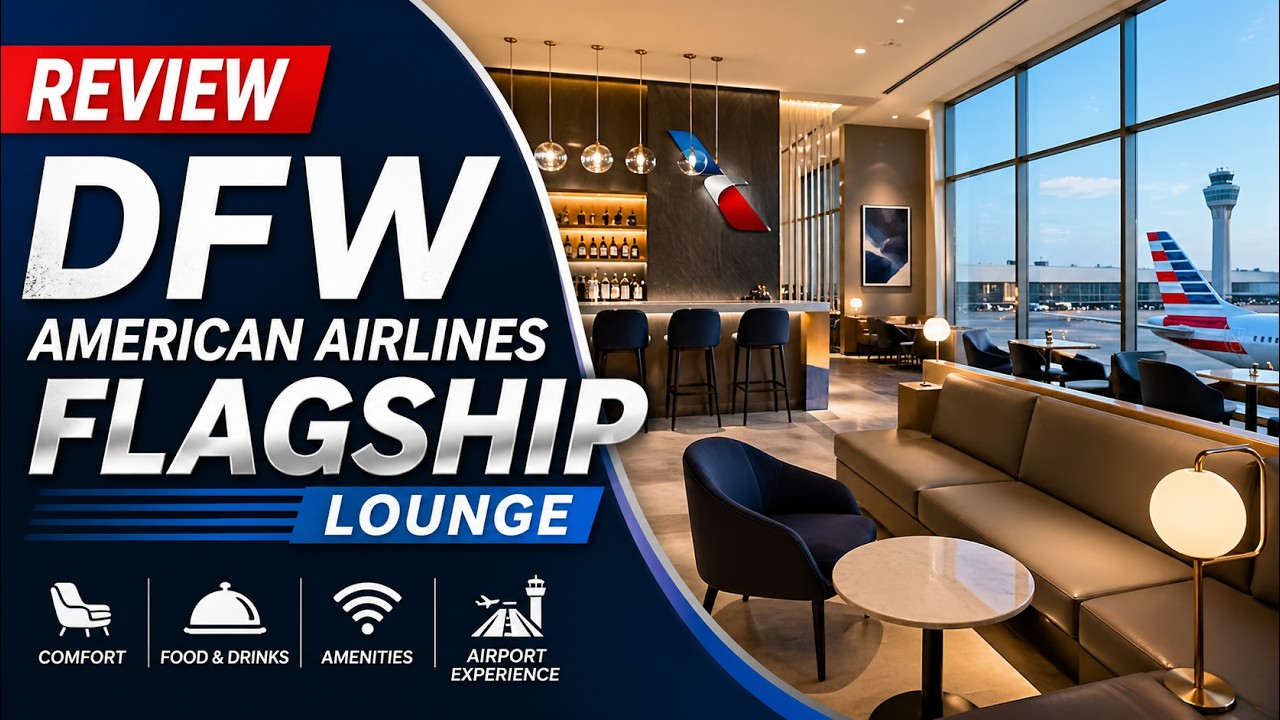
Flagship Lounges sit on top. You will find them at Chicago O’Hare, Dallas/Fort Worth, Los Angeles, Miami, and New York JFK. The intent is international and top-tier transcontinental traffic. Expect a better buffet, often with hot items like roasted vegetables, soups, and proteins prepared in small batches, staffed bars with a broader complimentary list, and shower suites that are almost always available. When I connect through MIA, a 25 minute reset in a Flagship shower suite after an overnight from South America makes me functional again. That is the difference between arriving and arriving ready.

At JFK, American and British Airways share a three-tier lounge complex in Terminal 8 that effectively replaces the old Flagship First Dining concept. If you have flown through before and the names felt unfamiliar, the front desk staff will steer you to the right door based on your boarding pass and status. The specific tier you are sent to will depend on whether you are traveling in First Class on a qualifying long-haul, holding high oneworld status, or flying in Business Class.
The short version: what a premium boarding pass does and does not do
When you strip it down, the cabin printed on your same-day boarding pass generates different results depending on your route. This is the most reliable way to think about it:
Domestic First Class within the United States, including Hawaii, generally does not grant Admirals Club or Flagship Lounge access on its own. Flagship Business or Flagship First on qualifying international itineraries usually grants Flagship Lounge access, and in some cases, a first-class dining tier where offered. Select transcontinental flights marketed as Flagship service, historically centered on JFK to LAX and JFK to SFO, grant Flagship Lounge access to Flagship Business and Flagship First customers. If any segment of your same-day trip is an eligible international long-haul in Business or First, you can typically use the lounge at departure and after arrival on your domestic connection. A premium cabin on a partner within the oneworld Alliance follows oneworld lounge rules, which can be more generous than American’s own rules for domestic itineraries.
Those five lines cover most situations. The nuance sits under them.
Admirals Club access with First and Business: where the door stays closed
The surprise for many is that a domestic First https://pastelink.net/wajm42kz Class boarding pass does not open Admirals Club doors by itself. You can be flying Dallas to Phoenix on a two-class aircraft in the front row with a proper meal, yet the club agent will ask for a membership card, an eligible credit card, a day pass, or a same-day international itinerary to admit you. American’s policy aligns with the industry in the U.S. The United Club takes a similar approach for customers in domestic United First, and Delta’s Sky Clubs are not unlocked by most domestic First tickets either.
If your domestic leg is part of a same-day international itinerary that qualifies for Admirals Club or Flagship Lounge access, the situation changes. A traveler flying Charlotte to Miami to London in Business Class can use the Admirals Club in CLT before the first flight, then the Flagship Lounge in MIA before the long-haul. Likewise, a passenger arriving from London to Chicago in Business Class can shower at the Flagship Lounge on arrival, then use an Admirals Club before the final hop to Omaha. Save the long-haul boarding pass, because lounge agents often want to scan it alongside your connection.
American also sells access independent of cabin. An Admirals Club membership, a same-day Day pass, or the Citi AAdvantage Executive World Elite Mastercard can bypass the cabin question entirely. The credit card functions like a paid membership for the primary cardholder, and authorized users have their own access, which is a meaningful value if you travel as a family. If membership pricing or day pass fees shift, expect numbers in the mid to high hundreds per year for membership and around the cost of a nice airport lunch for a day pass, with slight variations by station. I tend to tell infrequent flyers to start with a day pass if they have a particularly long layover, then do the math after two or three trips.
Priority Pass, a favorite for third-party lounges, does not unlock Admirals Clubs. There are occasional contract outliers overseas, but as a rule, do not plan on using Priority Pass for an American Airlines Lounge in the United States.
When Business and First do unlock Flagship Lounges
Flagship Lounge access is more straightforward. If you are flying in Flagship Business or Flagship First on a qualifying international route that American markets as such, you can use the Flagship Lounge on departure and, in most cases, on arrival. Qualifying international usually means flights between North America and regions like Europe, Asia, Oceania, and the deeper reaches of South America. Mexico, the Caribbean, and most Central America routes do not qualify for Flagship treatment. The signage and the reservation line use the same language: eligible international flights.
There is also a transcontinental carve-out. On a subset of high-premium, three-cabin transcontinental routes, a Flagship Business or Flagship First boarding pass is your ticket into the Flagship Lounge. Historically the core pairings have been between New York JFK and Los Angeles and between New York JFK and San Francisco. The aircraft assignments and exact branding have moved around the last few years, so it is always smart to confirm your flight is marketed as Flagship service when you book. If it is, the Flagship Lounge welcome follows the boarding pass.
A practical example: on a winter run from New York to Los Angeles in Flagship Business, I budget an extra 45 minutes at JFK. The salad bar and hot dishes at the Flagship Lounge beat the onboard dinner on short overnight transcons, and the bar program routinely has a better by-the-glass sparkling option than what is poured on board in domestic First.
What happened to Flagship First Dining
The old Flagship First Dining rooms were hidden gems, a white tablecloth coda behind the lounge. In New York, American and British Airways consolidated premium service when AA moved into BA’s expanded Terminal 8. The top-tier experience sits in a separate space that functions as a first-class lounge tier rather than a dining annex. Eligibility skews to true long-haul First Class passengers on AA or BA. You will see some very high-tier elites directed there when traveling in First, but this is not a space unlocked by domestic First or by a Business Class ticket alone. Outside New York, American has at times paused or adapted First Dining concepts, so always check the current airport page if you are timing a preflight meal.
Status can be more powerful than the seat
There is a quirk in oneworld lounge access that matters in the United States. If you hold oneworld Sapphire or oneworld Emerald status via a non-American program, such as British Airways Executive Club Silver or Gold, or Qantas Gold or Platinum, you can access Admirals Clubs when flying on any same-day oneworld flight, even a purely domestic American itinerary. That means a BA Gold member flying Chicago to Phoenix in Main Cabin can visit an Admirals Club at ORD or PHX.
American’s own elites, including AAdvantage Executive Platinum and even ConciergeKey, do not receive blanket Admirals Club access on domestic itineraries only because of their status. They must be on an eligible international itinerary or hold a membership or qualifying card. This distinction frustrates some frequent American flyers, but it reflects the way oneworld reciprocity was built. The flip side is that Executive Platinum and ConciergeKey members often receive operational help that goes beyond lounge access when things go sideways, which is hard to quantify until you need it.
When traveling abroad, the same oneworld rules work in your favor. An AAdvantage Executive Platinum, which maps to oneworld Emerald, can use first-class style lounges run by partners, even when flying in economy. At London Heathrow, for example, American and British Airways co-locate, and your status or premium cabin boarding pass may open the British Airways Galleries Lounge or a higher-tier space if you meet their criteria. In Asia, a Business Class itinerary on Cathay Pacific out of Hong Kong aligns with access to a Cathay Pacific Lounge with showers and proper dining, a step up from most U.S. Clubs.
Where the lounges are, and how they differ by airport
If you center your travel around a few hubs, you start to internalize which doors matter. Admirals Clubs at Charlotte and Phoenix are essential for a decent workspace and a coffee, especially during peak bank times. The Flagship Lounges feel like a different product entirely at the following stations:
Chicago O’Hare, Dallas/Fort Worth, Los Angeles, Miami, and New York JFK host Flagship Lounges in addition to Admirals Clubs.
At Dallas/Fort Worth, the Flagship Lounge pairs well with long-haul departures to Europe and deep South America. Chicago is a pressure valve for the Atlantic late afternoon bank, and the showers turn quickly even at peak. Miami is the gem for Latin America. At JFK, the combined AA and BA complex sorts guests by cabin and status tiers, and signage is clear once you are in Terminal 8.
Philadelphia and Phoenix have strong Admirals Clubs but no Flagship Lounge. If you are flying PHL to LHR in Business Class, you will use the Admirals Club pre-departure, then a partner lounge on arrival. Los Angeles, by contrast, offers both brands, and if you are leaving LAX for Asia in Flagship Business, the Flagship Lounge makes the long wait far more comfortable.
Guest rules: who you can bring and when
Guesting varies by how you gained access. A paid Admirals Club membership generally allows you to bring your immediate family or up to two guests, subject to capacity controls. The Citi AAdvantage Executive World Elite Mastercard follows the membership rules for the primary and authorized users. A Day pass typically covers the purchaser, with children under a certain age admitted with the adult; check the purchase page for the current age limit, as this has adjusted over time.
For premium cabin access, oneworld sets a baseline. If you are traveling in oneworld First Class on a qualifying international flight, you can bring one guest traveling on a same-day oneworld flight. In Business Class, guest privileges are more limited, often not included by default. Lounge staff will look at both boarding passes. The domestic First scenario, again, does not come with lounge access on American to begin with, so guesting is moot unless you have a separate path into the lounge, like a membership.
What to expect inside: food, drink, and a place to reset
The biggest difference between the two lounge brands is consistency and headroom. Admirals Clubs have raised their food game in recent years, but the spread is still designed for grazing. Think hummus, salads, a soup, protein add-ons like chicken or beans, and morning items such as oatmeal and yogurt. The premium bar service brings in upgraded wines and spirits at a cost, with a complimentary list that covers basics. If I am between flights at Phoenix, I budget 20 minutes for a bite and a call in a quiet corner, and it does exactly that.
Flagship Lounges feel built for lingering. The buffet rotates through warm dishes that skew less mass market than the terminal might offer, and the bar is staffed with a more generous complimentary tier. Shower suites are standard, with decent water pressure and a reliable process to take your name and send a text when your room is ready. Power outlets are everywhere. I have finished presentations, napped upright, and eaten a full dinner in Flagship Lounges without feeling like I was camping out.
At select airports, American layers on premium amenities that change periodically, from local wine tastings to small fitness or wellness partnerships. Offers evolve, so I treat them as nice surprises rather than anchors. I have seen promotions tied to New York partners, including limited-time access to off-airport facilities like Chelsea Piers Fitness in the city for certain travelers, though these come and go. If an amenity matters to you, check the airport lounge page the week before you travel, then ask at the desk.
The domestic First trap at hub airports
I have watched more than one traveler in a brand-new blazer turn on their heel at the Admirals Club desk when the agent explains that their Dallas to Chicago First Class boarding pass is not enough. It is an awkward moment, especially at hubs where the club entrance sits right off security. If that is likely to be you, have a plan.
The Citi AAdvantage Executive World Elite Mastercard is the cleanest solution if you want lounge access throughout the year without thinking about which route qualifies. If you only need the lounge twice a year, a Day pass is lower commitment. If you are often on partner airlines or connect internationally, status in a oneworld program besides AAdvantage can sometimes be the quiet unlock on domestic days, but switching loyalty programs for lounge access has its own trade-offs in upgrades, mileage earning, and recognition with American.
Practical edge cases that catch people
Three scenarios recur often enough that they are worth calling out in plain language.
First, same-day means same calendar day, not a 24 hour window from check-in time. If you arrive from London into Miami at 9 p.m. And fly on to Tampa at 7 a.m. The next calendar day, you will not be admitted to a Flagship Lounge on the morning after based on the previous night’s inbound alone. If your flights straddle midnight and you want to maximize access, plan your connections accordingly, especially at hubs like MIA and DFW where overnight options exist.

Second, if your qualifying segment gets downgraded from Business to Premium Economy or Main Cabin due to an aircraft swap, your lounge access tied to the cabin may vanish with it. I had this happen on a Europe return where the aircraft change turned a Flagship Business seat into Premium Economy. My oneworld Emerald status bridged the gap, but a colleague on the same record without status could no longer use the Flagship Lounge based on cabin alone. Rebooked cabins matter to lounge agents, not original intentions.
Third, partner lounge hours and capacity controls apply even when your boarding pass says you should get in. At London Heathrow, the British Airways Galleries Lounge network flexes hours by terminal and time of day. If you land early from Philadelphia, you may be steered to a different lounge than your last trip. In Asia and Australia, Qantas Club and Cathay Pacific Lounge operations ebb and flow with the schedule. Build in a cushion if a shower is mission critical before a meeting.
How this plays out by route
Put two itineraries side by side. A traveler flying Miami to New York to London in Business Class can use the Admirals Club at MIA, the premium complex at JFK, and the partner lounge on arrival. They will likely have shower access end to end. A traveler flying Phoenix to Dallas to Charlotte in First Class on domestic legs only will not have lounge access from cabin alone at PHX, DFW, or CLT. If that second traveler holds an Admirals Club membership or the right credit card, the experience flips entirely, and they can work and recharge at each stop.
The transcontinental example is clearer. On a ticket marketed as Flagship Business from JFK to LAX, you should plan for Flagship Lounge access in New York and in Los Angeles. That is useful on red eyes in particular. If your flight is not marketed as Flagship service, even if you are in the first row, assume you will need a membership or status for lounge access.
Costs, value, and what to buy if you are new to this
Lounge membership cost is never abstract when you pay out of pocket. If you fly more than once a month, especially with connections through hubs like Dallas/Fort Worth or Chicago O’Hare, an Admirals Club membership or the Citi AAdvantage Executive World Elite Mastercard tends to pay for itself in time and sanity saved. You are buying a predictable table with power, coffee that does not require a 20 minute line, and a place to hold a call without gate noise. If your travel is seasonal or tied to one or two long-hauls, a Day pass timed to a long connection can carry you.
For those building toward status, loyalty program status tiers help more outside the U.S. Than inside when it comes to lounges. AAdvantage Executive Platinum, mapping to oneworld Emerald, shines when you are in London, Sydney, Hong Kong, or Tokyo, because the oneworld Emerald icon sends you through a better door even when you are in economy. Inside the U.S., that same status does not unlock Admirals Clubs unless you are on an eligible international itinerary that day.
What to say at the desk
Even frequent travelers get tongue-tied at a busy lounge entrance. Keep it simple. Present your same-day boarding pass and, if relevant, your long-haul segment if you are connecting. If your access is via membership, have your digital card or credit card ready. If you are relying on oneworld Emerald or Sapphire via another carrier, mention the program by name. When a lounge has both an Admirals Club and a Flagship Lounge behind the same front desk, the agent will route you correctly if your documentation is clear.
I keep screenshots of my day’s full itinerary handy, especially when a domestic connection precedes an evening long-haul. It saves digging through apps when Wi‑Fi is shaky at a checkpoint.
A quick comparison with competitors
It helps to zoom out. The tight U.S. Rule against domestic First unlocking lounges is not unique to American. The United Club follows the same logic, requiring membership, a credit card with club access, or an international itinerary in a premium cabin for entry. Delta changed its Sky Club rules repeatedly in recent years, but a domestic First Class seat by itself is not a key card there either. That is why international and transcontinental exceptions loom so large for American. The Flagship brand is the carve-out that justifies a better door in the U.S., and it is consistent with where the product differentiates onboard too.
Final checks before you fly
Two minutes on the lounge’s airport page the day before your trip can prevent disappointment. Verify hours, confirm whether a Flagship Lounge is open at your station, and scan for any temporary closures. If you are counting on a shower, look for recent traveler reports at peak times. And if you travel through New York JFK, let the front desk staff at Terminal 8 route you. The American Airlines and British Airways teams there see thousands of connections every day, and they will match you with the right space based on your First Class or Business Class boarding pass, your oneworld status, and your same-day itinerary.
When you carry the right ticket on the right route, First Class and Business Class on American are still powerful lounge keys. When you do not, a membership, a well-chosen card, or oneworld status can close the gap. The trick is knowing which key belongs to which door at the airport in front of you.