The Ultimate Straight Razor Canada Travel Guide: Flying with Blades
Flying with a straight razor is one of those topics that generates more lore than clarity. Ask three frequent flyers and you will hear three different versions, usually based on a stressful morning at security or a confiscated heirloom. You can avoid that drama. Canada has clear rules, and with a little planning, you can land with your gear intact and your morning shave feeling as calm as a prairie lake.
I have traveled with straight razors in and out of Canada for more than a decade, from winter trips to Halifax to hot August conferences in Vancouver. I have had one brush taken because it looked like a baton on the scanner, then given back once the officer saw the knot and handle. I have watched a traveler argue over a shavette with blades loaded, which he lost before he could say “barber supply store.” The patterns are consistent. If you understand how CATSA, the Canadian Air Transport Security Authority, interprets razors, and you pack accordingly, you will be fine.
The rule that matters most
For air travel within or from Canada, straight razors cannot ride in your carry-on. They must go in checked luggage. That single sentence solves 90 percent of problems.
Under CATSA rules, blades that can be removed and used separately are not permitted in carry-on baggage. That includes straight razors, safety razor blades, and the small half blades used in shavettes. The handles or heads by themselves, without a blade, are fine to carry on, but security officers may still ask questions if the form looks threatening on the X-ray. Disposable razors, the kind with blades permanently set in a plastic head, are allowed in carry-on. Electric shavers are also allowed in carry-on.
If you only remember four items while standing at your suitcase, let it be these:
Straight razor: checked only. Safety razor: carry-on allowed if you remove the blade, blades must be checked. Disposable razor: carry-on allowed. Electric: carry-on allowed.
That first list will get you through almost any Canadian checkpoint, from Whitehorse to Windsor. Now, let us fill in the judgment calls that separate a peaceful trip from a scramble at the bins.
Carry-on versus checked: choose your battle
Your packing strategy depends on your tolerance for risk and your itinerary. If you fly with only a carry-on, accept that you will shave with a disposable razor until you reach a destination where you can check a bag, buy a blade locally, or ship your kit ahead. A small pack of disposables weighs almost nothing and keeps you tidy for two to three mornings. Some travelers tuck a mild twin blade into the dopp kit for this purpose and switch back to a straight once they can access checked baggage. If you want to keep a semblance of your routine, a compact travel brush and a shave stick will improve even a rushed airport bathroom shave.
If you usually check a bag, put the straight razor there and protect it as if you were mailing a camera lens. Baggage holds swing from cold to warm. They tremble on takeoff and landing. Razors arrive with their edges intact when they are immobilized and lightly oiled.
A shavette, even though it looks like a straight razor, is treated like a blade holder. If it contains a blade, it belongs in checked luggage. The handle without a blade can ride in carry-on, but expect scrutiny. The same goes for a safety razor head and handle with no blade. Some officers will ask you to show the absence of a blade, which takes time when the line is long and you are juggling a laptop, a jacket, and a boarding pass. If you are cutting it close, do not invite the detour.
What CATSA actually enforces at the checkpoint
Security screening in Canada is standardized under CATSA, yet officers have discretion when an item is ambiguous. The two principles they follow are whether the blade is accessible and whether the item can be used as a weapon. A straight razor is a blade by design, which is why it goes in checked luggage without debate. A strop is a strip of leather. It is not prohibited, and you can carry it on, but a heavy paddle strop with a long handle can raise eyebrows and questions that cost you time. If you plan to hone on the road, a small fabric or leather roll strop is easier at the checkpoint than a big paddle.
Liquids and creams follow the same 100 milliliter rule that governs toothpaste. Shave cream in a tube or aftershave splash count as liquids. Load them into the one liter clear bag with your other toiletries. Solid soaps and pucks do not count against the liquid limit and are often the most travel friendly option for straight razor users. I have flown with tallow pucks wrapped in waxed paper many times. If your soap is soft or croap like, put it in a well sealed tin to prevent scent transfer to clothes.
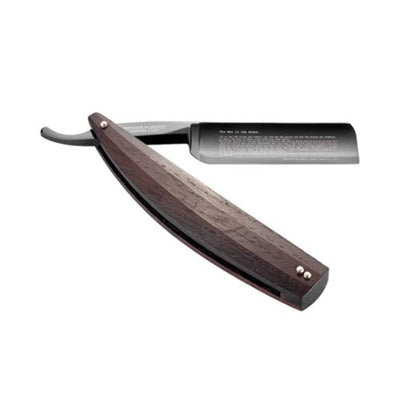
Alum blocks, styptic pencils, and small oils travel in carry-on without trouble. If your pre-shave oil is in a glass bottle, choose a 30 to 50 milliliter size and tape the cap. Excess scent can trigger a hand search if it leaks.
Matches and lighters have their own rules. CATSA allows a single lighter on your person and a book of safety matches, but check the current guidance before you leave because airlines sometimes add restrictions. Most shavers can ignore this unless they also carry pipe tobacco or cigars.
Crossing borders and connecting through the United States
It is common to fly from a Canadian city to a U.S. Connection or to connect in Canada before an international leg. The trick is to forecast where your bag will be screened and how your kit will be treated at each point.
If you connect in the U.S., your carry-on will go through TSA rules, which mirror CATSA for razors. Straight razors and safety razor blades remain prohibited in carry-ons. If you preclear U.S. Customs in a Canadian airport like Toronto Pearson or Vancouver, your items will be screened under U.S. Standards before you even board. That means any slip up with a straight razor in your carry-on will be discovered in Canada, not at your U.S. Destination.
If your trip is Canada to Europe, outbound screening is Canadian, and inbound screening on the way home follows the rules of the departure country. The safest position is universal. Keep any blade that can be removed in checked luggage at every stage. If you must go carry-on only on one direction, adopt a disposable razor on that leg and pick up a fresh pack at your destination. Most large cities have at least one shaving store or barber supply store with DE blades, shave soap, and aftershaves. In Canada you can find these in neighborhoods with old school barbers or near universities where wet shaving communities are active.
Sourcing supplies on the road
Anyone who has had checked luggage miss a connection knows the impotence of watching the carousel spin without your bag. If the worst happens and your straight razor is in limbo overnight, you can still get a good shave the next morning with a little resourcefulness.
In larger Canadian cities, independent shaving shops and specialty retailers stock proper gear. Ask Google Maps for shaving store, shaving company, or barber supply store near your hotel. In Toronto, you can find shops on Queen Street and in the PATH that carry boar and badger brushes, artisan soaps, and double edge blades. In Montreal, several boutiques in the Plateau and downtown have European creams and aftershaves. Calgary and Vancouver have strong barber cultures, and their suppliers often stock shavettes and blades. Even in mid-sized cities, a salon supply distributor that sells to professionals will often have a rack of blades and a few soaps. They may not have premium straights behind the counter, but they can save your morning.
Drugstores offer a reliable plan B. A pack of disposable razors and a travel size can of foam will not thrill you, but it will not wreck your skin if you go slow and respect the angle. Look for twin or triple blades without big lubrication strips, keep the handle light in your fingers, and take short strokes. If you need to face a boardroom after a red eye, this approach works until your bag catches up.
How to pack a straight razor for checked luggage
The blade edge is the one irreplaceable element. You can buy another strop or pick up a makeshift bowl in a hotel room, but once an edge chips on a zipper pull or a metal clasp, you have a paperweight until you hone.
Here is a simple, durable method I teach barbers who travel to competitions:
Dry the razor completely, including the pivot. Wipe with a tissue to wick moisture from the scales and tang. A single drop of oil on the pivot reduces the chance of a speck of rust at the hinge. Lightly oil the blade. Camellia, mineral, or sewing machine oil all work. Use a thin film, not a droplet, so it does not creep into fabric. Sheath the edge. A folded business card with painter’s tape makes a good, low lint guard. Commercial silicone edge guards are even better and protect from bumps. Place the razor in a rigid case. A slim glasses case or a leather roll with a firm back keeps the razor from flexing under pressure. Cushion and immobilize. Nest the case in your dopp kit between soft items like a brush tube and socks. If your suitcase has a rigid spine or rails, keep the kit away from those hard edges.
Those five steps take two minutes and have saved me more than one smile line.
If you carry a strop, roll it with the leather facing inward to protect the surface. A light wrap of paper or a soft cloth keeps hardware from rubbing. Paddle strops should go in checked luggage to avoid debates over whether they are tools or potential clubs.
Hones and stones are heavy. A small barber’s hone in a protective sleeve can ride in checked luggage, but think hard about whether you need it. Hotel sinks are rarely the right height for comfortable honing, and traveling stones risk chips. If you often arrive with a slightly tired edge, a lightweight pasted strop with chromium oxide will extend keenness for a week of shaves.
What to say if security asks questions
Most conversations with screeners are brief and polite if you stay calm and answer directly. If you accidentally left a straight razor in your carry-on, admit it, ask if you can check the bag, or surrender the item if there is no time. Arguments do not change prohibited lists. Officers enforce rules they did not write.
If you are carrying a safety razor without a blade, expect one of two scripts. The officer may ask you to remove the top cap and show the plate is empty. Do that without commentary. Or they may simply wave you through after a quick look. If they are unsure about a strop in your bag, say it is for sharpening a shaving razor and be ready to show the leather. Technical jargon like shell cordovan or micarta scales invites more curiosity than confidence. Keep it simple.
I have had good luck packing the handle of a DE razor separate from the head when going carry-on only. On X-ray, a disassembled cylinder and two flat plates look less like a menacing shape. If the queue is long, little things like that shave minutes off your screening.
Insurance, heirlooms, and what not to pack
If your straight razor is an heirloom or a rare grind, consider whether it belongs in a public system that loses thousands of bags every year. I love a quarter hollow Wade and Butcher as much as anyone, but I will not invite a baggage cart to run it over. When I fly for judging or to teach a class, I travel with a modern production razor that I can replace for a clear price. It still gives me the same shave, and I do not spend the flight worrying about a scrap of nineteenth century steel in a plastic bin.
If you must carry a high value razor, insure it under a rider that covers checked baggage. Take pictures before you pack, note the serial number if present, and keep a copy of the purchase receipt or an appraisal email. Most airlines cap liability for checked items far below what premium gear costs. Your personal policy can fill the gap.
Avoid packing anything that leaks scent heavily or resembles prohibited items. A barber’s shavette with a snap mechanism can look like a switchblade on a black and white monitor. Keep it in checked luggage with a note in your mind that you may have to open the bag for inspection. Put liquids in sealed bags within your dopp kit. Security officers are humans who appreciate a tidy case over a tangle of cords, caps, and open tins.
Climate, rust, and Canadian seasons
Canada’s climate keeps you honest. In winter, cold dry air pulls moisture from leather and wood. In summer, coastal humidity in places like Halifax or Vancouver will condense on a blade that moves from an air conditioned room to an outdoor patio. A straight razor that sat happily in a prairie drawer might spot with rust dots after two nights by the ocean.
The fix is ordinary care. Wipe the blade after each shave, touch a dot of oil if the air is damp, and do not leave a wet razor near the sink. Hotel bathrooms with constant fan noise are often moving moist air even when you do not feel it. I hang a small microfiber cloth on the door handle and rest the razor on it while I shower. When finished, I close the razor only when I am certain the pivot is dry. If you are unsure, give it ten minutes on the counter.
Wood scales react to travel. They expand and contract more than resin or metal. If your favorite razor wears stabilized wood, you will be fine. If it wears untreated burl, check the pin tension before you toss it into a case, and avoid overtightening the wedge screw on travel days.
The disposable razor as a pressure valve
A disposable razor is not a capitulation. It is a peace treaty. Pack one, and you will never have to rush a straight shave on a morning when the elevator is slow and the line for coffee wraps the lobby. Modern disposables can deliver a perfectly good result if you keep the angle shallow and the pressure light. Pair it with a quality soap or cream and your usual brush, and you will still enjoy the ritual.
I have had weeks in small towns where a flight change turned a two day trip into five. My checked bag stayed put in another province, and a modest disposable kept me presentable until a courier found me. A travel brush with a vented tube kept the knot dry and ready. The point here is not to abandon your craft. It is to build redundancy into your routine so that you can choose your battles.
If you prefer a shavette as your backup, respect that its blades follow the same rule as DE blades. Buy them at your destination or place them in checked luggage. Many a shaving company sells travel friendly shavettes with covered tips and magnetic inserts, which are great for the road once you have a safe way to transport blades.
Shipping to your hotel and buying local
If you are attending a wedding or a conference and you care about presentation, consider shipping your straight razor and supplies to your hotel ahead of time. Call the front desk and confirm they accept packages for guests. Address the box to yourself with your check-in date and write Hold for guest on the label. Use a rigid case inside the shipping box, and add a note with your phone number in case they need to verify. In Canada, domestic shipping within a province is usually one to three days. Between provinces, plan for three to five. Keep tracking and ask for signature on delivery.
Another tactic is to buy what you can at your destination. Many Canadian cities have at least one boutique that focuses on grooming. Search for straight razor canada plus the city, and you will surface regional retailers who know the gear and the climate. In-store staff at a local barber supply store can steer you to the right aftershave for a January wind or a July sun, and they often know which hotel water is hard enough to demand more product. That local knowledge is worth the small markup over pure online shopping.
A quick reality check before you leave home
The night before you fly, run a short drill that verifies you are within the rules and ready for real life. Think of it as your five minute insurance policy.
Blades in checked luggage. Straight razor, safety razor blades, shavette blades all packed, edges guarded, lightly oiled. Carry-on pared down. If you go carry-on only, pack a disposable razor, a compact brush, and a solid soap. Liquids under 100 milliliters in a clear bag. Cases secured. Rigid or padded case for the razor, strop rolled and cushioned, no loose metal near the edge. Documents and plan B. Hotel confirms package holds if you ship. Map pins for a shaving store or barber supply store near your stay. Time buffer. Extra ten minutes at security if you carry any razor handle or unusual grooming gear that might invite a look.
If you forget and arrive at the checkpoint with a straight razor in your backpack, stop. Do not push it through the scanner and hope. Ask a nearby officer whether you can leave the line to check a bag or store the item. Some airports have a mail-back service at a kiosk near security. It is not cheap, but it is better than surrendering a family piece.
Final notes from the road
Two patterns show up again and again. First, the smoother your kit, the smoother your screening. A clean dopp kit with clear bottles and a labeled soap tin looks like you planned your life. Security treats you kindly when you look like you respect the process. Second, the razor you bring changes the way you feel in a new city. A comfortable morning shave steadies you when the rest of your day is airports, taxis, and changing rooms. That is worth a little preparation.
If you travel often, settle on a travel rotation. Mine is a well honed straight razor in checked luggage, a tiny tin of tallow soap, a synthetic brush that dries fast, and a small splash decanted into a 50 milliliter bottle. For carry-on only days, a disposable razor rides alongside the brush and soap, and I never hesitate to use it if time is tight. When I land in a city with a serious grooming scene, I stop by a local shaving store, ask what their regulars use in that climate, and usually learn something new. That habit has led me to Canadian artisans I would never have found online and soaps that smell like cedar forests after rain.
Travel rewards restraint and a sense of humor. Treat airport security as part of the ritual, not an obstacle, and treat your gear as if you were loaning it to a friend you admire. Pack for the rules that exist, best double edge razor blades not the rumors you heard in a forum. If you do that, flying with a straight razor to, from, or within Canada feels routine. Your kit arrives sharp. Your mornings start quietly. And the only surprise is how much better a city looks after a proper shave.