Beat the Texas Heat: Why Cool Roof Systems Matter in Rockwall Summers
A North Texas roof takes a beating. Summer sun bakes the surface for months, and thermal swings crack seams and weaken adhesives. In Rockwall, that abuse shows up in two places: on utility bills and in emergency repair invoices. A cool roof reduces both. It keeps heat off the building, eases strain on HVAC equipment, and extends service life. For many homes and commercial properties around Lake Ray Hubbard, it pays for itself faster than expected.
SCR, Inc. General Contractors has installed energy efficient roofing across Rockwall County for years. The team brings real field experience to every inspection and proposal. That means matching cool roof systems to each structure, not forcing a single solution. A reflective coating might be perfect for a low-slope retail center near The Harbor. A bright, high-reflectance metal system might fit a waterfront home in Chandlers Landing. The goal is simple: deliver measurable comfort and measurable savings.
How a cool roof works in North Texas heat
Sunlight brings visible light and infrared energy. A dark roof absorbs much of both. The surface heats up, often reaching 150 to 180°F on a July afternoon. That heat radiates into the attic or plenum and flows into ducts and rooms. Air conditioners run longer and cycle more often. Meanwhile, the hot-cold-hot cycle from day to night creates thermal movement. That movement stresses seams, flashing, and fasteners. Over time, the roof ages faster than it should.
A cool roof uses two core properties to fight the sun: solar reflectance and thermal emittance. Solar reflectance is the percentage of sunlight bounced away from the roof. Thermal emittance is the ability of a material to release heat it has absorbed. A roof with high reflectance and high emittance stays cooler under the same sun. It reduces heat transfer into the building, and it shrinks thermal movement that causes damage.
On a typical summer afternoon in Rockwall, a high-reflectivity surface can run 40 to 60°F cooler than a dark surface. That difference is big enough to cut peak cooling load. It can also lower the temperature around rooftop AC units (RTUs), which helps the equipment maintain capacity without working at its limits.
Where cool roofs shine in Rockwall, TX
Rockwall sits on the eastern shore of Lake Ray Hubbard. The area sees long, bright summers and high solar radiation. Commercial buildings along the I-30 corridor, the retail clusters at The Harbor, and warehouses near Northshore all share the same exposure. Residential neighborhoods like Shores on Lake Ray Hubbard, Stone Creek, Breezy Hill, and Buffalo Creek feel it too.
A cool roof makes sense when:
A building has a low-slope or low-pitch roof with high sun exposure and little shade. The attic lacks adequate insulation or ventilation, and the owner wants a fast cooling upgrade that does not disrupt interiors. Utility bills spike from May through September and HVAC equipment struggles in late afternoons. Existing roof surfaces show UV damage, chalking, and thermal cracks, but the substrate is still recoverable.
SCR, Inc. serves Rockwall 75087 and the surrounding 75032 lakefront communities. Crews are frequently on projects by The Harbor Rockwall, around the Rockwall County Courthouse area, and along the I-30 corridor. The company also supports neighboring cities like Rowlett, Heath, Fate, Royse City, Forney, Terrell, Wylie, Garland, and Greenville. Local knowledge matters, because wind patterns off the lake, code requirements, and hail history shape the right solution.
Residential comfort: cooler rooms and quieter AC
Homeowners notice the difference a cool roof makes within days. Bedrooms under a dark roof often run warmer than the thermostat. A reflective surface lowers the roof deck temperature, which helps the attic or rafter space run cooler. Ducts in that space lose less cold air. The AC cycles less, and the system sounds less strained. Many homes in Chandlers Landing and Shores on Lake Ray Hubbard gain noticeable comfort even before the first utility bill arrives.
The energy savings range depends on roof size, shade, insulation levels, and duct location. In Rockwall, homes with large sun-exposed roof planes often see significant reductions in peak usage during summer afternoons. Even a 10 to 20 percent drop in cooling energy during the hottest months makes a real dent in annual cost. For some layouts, the seasonal savings are higher.
SCR, Inc. often pairs cool roof installations with practical tweaks like sealing attic bypasses, checking soffit and ridge ventilation, and confirming proper insulation depth over living spaces. These simple steps let the roof’s reflectivity deliver full benefit.
Commercial performance: lower load, longer life
For commercial buildings, cool roof systems produce measurable gains. A bright TPO or PVC membrane reflects a large share of sunlight and resists UV damage. Silicone or acrylic coatings add reflectivity to aging membranes or metal panels, extending service life without a tear-off. The result is lower roof temperatures, less thermal stress, and reduced risk of seam failure or flashing fatigue.
Reflective systems also affect rooftop HVAC. Many Rockwall warehouses rely on RTUs. When the roof runs cooler, the air around the intake runs cooler too. That reduces compressor strain and can extend equipment life. It also stabilizes comfort deeper into long work shifts. Managers in Northshore and Buffalo Creek office parks have seen improved afternoon conditions with fewer hot-cold complaints.
SCR, Inc. installs and restores commercial cool roofs across Rockwall’s growing retail and industrial zones. Projects include TPO re-roofs near The Harbor, silicone restorations for aging metal around the I-30 corridor, and PVC systems for properties that need chemical resistance or higher puncture strength.
Material choices: TPO, PVC, metal, and coatings
Not all cool roof systems are equal. Product choice depends on roof structure, access, budget, and long-term plan.
TPO roofing offers high solar reflectance and good seam strength when properly heat-welded. Reinforced TPO membranes resist punctures and handle Texas sun well when paired with correct fastening patterns and edge details. PVC roofing brings strong chemical resistance, tough welded seams, and high reflectance. On restaurants or buildings with exhaust contaminants, PVC is often the safer pick.
Metal roofing can be an excellent cool roof when finished with high-performance reflective coatings. In Rockwall’s hail-prone area, quality metal systems also provide impact resistance. On low-slope metal, a fluid-applied coating can restore reflectivity and stop leaks at fasteners and seams, postponing a costly replacement.
Coatings matter. High-solids silicone coatings, applied over a cleaned and prepared substrate, create a UV-stable, seamless membrane that handles ponding water better than many other chemistries. Acrylic coatings can be effective where ponding is minimal and budgets are tight. Elastomeric topcoats remain flexible and maintain reflectivity over time. For insulation upgrades, Polyisocyanurate (Polyiso) boards provide strong R-value per inch, and Expanded Polystyrene (EPS) can be used in some recover systems and tapered packages to improve drainage.
SCR, Inc. uses reinforced TPO membranes and high-solids silicone coatings to build a reliable, reflective barrier against UV and heat. Critical details receive new flashing, primer where needed, and seam tape at stress points. Scuppers are checked and resized or reworked to reduce ponding water. Proper adhesion and roof prep are non-negotiable. Cutting corners in prep is the fastest way to waste money on a coating that peels.
The science of cool: reflectance, emittance, and insulation
A cool roof is not white paint. It is a system that manages heat at multiple layers. Solar reflectance keeps sunlight out. Thermal emittance releases heat that does get absorbed. Polyiso insulation slows conductive heat flow into the building. Together, these properties reduce peak interior gains and protect the structure.
On many buildings, the biggest win is cutting peak load in late afternoons. Utility rates and demand charges often hinge on those peaks. A roof that runs 40°F cooler can shift the entire cooling curve down. That protects older AC units and reduces the risk of afternoon breakdowns. It also helps structures with marginal duct insulation and leaky runs. Less heat in the roof space means less lost tonnage before air reaches the rooms.
SCR, Inc. often supports the roof assessment with infrared thermal cameras. Thermal imaging highlights wet insulation, hidden leaks, or heat bridges. This informs repair plans and prevents coating over saturated spots that would otherwise fail. For equipment on the roof, the team checks curb flashing, supports for solar panels, and clearance for spray polyurethane foam (SPF) applicators when SPF is part of the solution. Weak spots are fixed before the cool roof goes down.
Symptoms that suggest a cool roof upgrade
Rockwall property owners report patterns that point to roof heat issues. High summer bills relative to building size. Short AC runtimes that start strong but falter in late afternoons. Ceiling stains around penetrations after hot spells followed by storms, a sign of thermal movement opening gaps. Visible chalking and brittleness on older membranes. HVAC service calls to deal with air conditioning failure during heat waves. These are the signs of UV damage, thermal shock, roof degradation, and a stressed building envelope.
A cool roof system addresses the root cause: excess heat and UV exposure. It also reduces the Urban Heat Island effect that hits retail areas and parking-heavy districts. A reflective roof reflects light away from the local microclimate, which can shave a degree or two off immediate surroundings. Small gains multiply across a district.
Brands, standards, and warranties
Materials and certifications matter. SCR, Inc. provides certified installations from respected manufacturers. The company works with GAF and Mule-Hide for membranes and accessories. For premium PVC, Duro-Last offers strong reflectivity and excellent seam integrity, with its “World’s Best Roof” PVC system delivering high energy performance and clean detailing. Carlisle SynTec products are also available for TPO and PVC solutions. For roof restoration, Conklin coatings and Firestone Building Products lines are common options.
A credible cool roof package ties to recognized standards. CRRC (Cool Roof Rating Council) ratings document solar reflectance and thermal emittance. Energy Star roofing benchmarks help compare performance. SCR, Inc. meets those benchmarks and carries credentials that include GAF Master Elite for steep-slope systems and BBB Accreditation. The firm also maintains NATE Certified HVAC overlap for integrated roof-HVAC problem solving. Former insurance adjusters on staff help owners weigh repair versus replacement and navigate hail and wind claims without guesswork.
As factory-certified installers for Duro-Last and GAF, SCR, Inc. can offer NDL (No Dollar Limit) warranties on eligible systems. Proper documentation, substrate condition, and installation standards are mandatory for those warranties. Owners gain predictable coverage and a clear path if an issue arises.
Local projects and typical results
Property managers along the I-30 corridor have cut cooling costs during summer by double-digit percentages after reflective upgrades. Retail centers near The Harbor reported fewer hot-cold complaints after roof restoration and curb sealing around RTUs. Office buildings in Buffalo Creek saw lower afternoon attic and plenum temperatures, improving comfort in perimeter offices with large glazing.
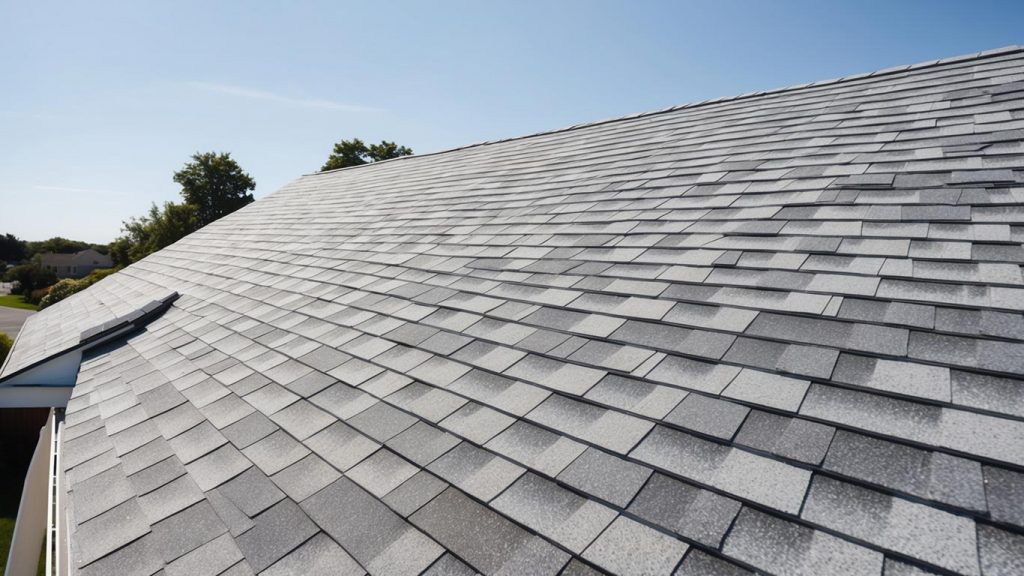
On residential roofs in Heath and Stone Creek, metal roofs with high-reflectance finishes keep second floors more stable in late afternoons without adding noise during rainfall. In older homes near San Jacinto Plaza, a reflective shingle with better solar reflectance, combined with attic ventilation checks, produced a perceptible difference in the rooms under large south-facing roof planes.
Actual savings vary. The biggest gains usually appear on low-slope roofs with full-sun exposure and aging dark membranes. Coated metal and PVC recover projects also sit near the top. Steep-slope residential roofs still benefit, especially on west and south slopes, but results depend on attic insulation, radiant barriers, and duct location.
Cost, ROI, and the repair-versus-replace call
Owners often ask whether to restore or replace. SCR, Inc. examines the deck, the moisture content of insulation, and the number of trapped wet areas. If more than about 25 to 30 percent of insulation is wet, a partial or full tear-off can be the smarter move. If the substrate is sound and dry, a high-solids silicone roof coating may provide a strong ROI at a lower cost than replacement. A coating adds reflectivity, seals seams, bridges hairline cracks, and resists UV and ponding. For roofs with severe mechanical damage or chronic leaks at numerous penetrations, a new TPO or PVC system might be the cleaner answer.
Rockwall owners who choose reflective coatings often see payback within a few years due to energy savings and deferred tear-off costs. A full replacement with a reflective membrane carries a longer service life and stronger warranty coverage. The right choice depends on budget, timeline, access constraints, and long-term ownership plans.
Local incentives and tax benefits can change year by year. Some Texas commercial projects qualify for federal deductions under Section 179 or other energy-related provisions. Utility rebates for energy efficient roofing are sometimes available. SCR, Inc. reviews current options during the consultation to make sure owners do not leave money on the table.
Drainage, details, and durability
A cool roof fails without good water management. Even reflective roofs suffer if ponding water sits for days. SCR, Inc. fixes drainage issues before installing coatings or membranes. That can include adding tapered Polyiso, improving scupper sizing, and reworking flashing transitions. On coated metal, fastener back-out and seam movement receive special attention, along with a compatible primer to promote adhesion. On single-ply, heat-welded seams and corner reinforcements protect high-stress areas near curbs and penetrations.
North Texas storms bring wind, hail, and wind-driven rain. A cool roof must hold up under all three. Reinforced TPO and PVC handle uplift loads when mechanically fastened with the right pattern. Coatings over metal need fastener encapsulation and seam repairs to stand up to hail and thermal shock. Silicone membranes resist UV and maintain flexibility during temperature swings. The right detail at edges and terminations keeps water out and avoids future callbacks.
Home vs. commercial: what changes and what stays the same
The principles are identical. Reflect sunlight. Release heat. Protect the building envelope. On homes, aesthetics and HOA rules matter. Reflective shingles or high-reflectance metal finishes can fit neighborhood standards while improving performance. Ventilation and insulation upgrades often deliver outsized value alongside the roof.
On commercial properties, low-slope assemblies and rooftop equipment add layers of complexity. RTUs, solar panels, and cable trays need careful detailing. Walk pads protect high-traffic paths for service techs. Roof restoration may proceed in phases to keep tenants operating. The work plan must address safety, staging, and access along busy drives and loading areas common near the I-30 corridor.
SCR, Inc. plans each project around these realities. The company sets clear timelines, protects landscaping and storefronts, and coordinates with property managers to minimize disruption.
Brands and materials used in Rockwall projects
SCR, Inc. installs and services products from GAF, Owens Corning, CertainTeed, Firestone Building Products, Mule-Hide, Duro-Last, Carlisle SynTec, and Conklin Roofing Systems. Systems range from reflective shingles for homes to reinforced TPO and PVC membranes for commercial roofs. For restorations, silicone and acrylic elastomerics build a reflective, seamless surface. Where insulation is part of the plan, Polyiso boards raise R-value, and EPS solutions support taper and slope-to-drain packages.
For high-end commercial performance, the Duro-Last PVC system stands out. Factory-controlled seaming reduces field risk, and the reflective surface cuts heat load. On metal restoration, high-solids silicone creates a durable membrane over seams and fasteners, stopping leaks and extending service life.
Energy efficient roofing FAQ
Does a cool roof really lower the A/C bill in Rockwall? Yes, by reducing heat gain at the roof. Expect meaningful savings during summer months, especially on large, sun-exposed roofs. The exact number depends on insulation levels, roof color, surface type, and duct placement.
What is the ROI on a reflective roof coating versus a full replacement? If the existing roof is dry and structurally sound, a high-solids silicone or acrylic coating can deliver a shorter payback due to lower upfront cost. A full replacement with TPO or PVC offers longer life and stronger warranties. SCR, Inc. provides side-by-side numbers during the proposal.
Are there local Texas tax credits or incentives for energy efficient roofing? Incentives change over time. Some projects qualify for federal deductions like Section 179. Certain utilities may offer rebates for reducing peak demand. SCR, Inc. reviews current options during your energy audit and flags applicable programs.
How do cool roofs affect rooftop equipment like RTUs and heat pumps? Reflective surfaces lower ambient temperatures around RTUs and heat pumps. That can reduce strain on compressors, stabilize capacity on high-load afternoons, and extend equipment life.
Will a coating stop ponding water problems? Coatings help resist UV and water exposure, but they do not fix poor drainage. SCR, Inc. improves slope-to-drain with tapered insulation, adjusts scuppers, and upgrades flashing so water moves off the roof. Then the coating performs as intended.
Can a cool roof work with solar panels? Yes. A cooler roof can improve solar panel efficiency slightly and reduces thermal stress on mounts. Proper flashing around mounts protects against leaks. SCR, Inc. coordinates with solar installers to sequence the work.
What about leak detection before restoration? Infrared thermal cameras identify wet insulation and hidden moisture paths. Those areas are repaired before coating or recovering, which protects the investment and keeps warranties intact.
Commercial cool roof systems for Rockwall’s growth
Rockwall is a rapidly growing commercial hub with strong retail near The Harbor, expanding office parks, and active industrial zones along I-30. Energy efficient roofing is a practical lever for owners watching operating costs and capital planning. Reflective roof coatings, TPO roofing, PVC roofing, and roof restoration can help warehouses stabilize interior temperatures, reduce HVAC overworking, and prevent air conditioning failure during heat waves.
SCR, Inc. provides local response for Rockwall 75087 and 75032 and surrounding areas. From large retail roofs in Northshore to office parks in Buffalo Creek, the team delivers site-specific Continue reading plans. For properties near Lake Ray Hubbard, wind exposure and humidity shape product choices and fastening patterns. For downtown projects near San Jacinto Plaza and the Rockwall County Courthouse, access and staging drive the work plan. The company’s experience in these zones reduces surprises and keeps projects on schedule.
What to expect from an SCR, Inc. cool roof assessment
The process starts with a free thermal roof inspection and energy review. Technicians examine membrane condition, seams, flashing, scuppers, and penetrations. Moisture surveys with infrared thermal cameras flag saturated areas. The team identifies ponding water zones and checks for thermal bridges that transfer heat into the building. Rooftop AC units and ductwork are documented to plan curb flashing and service paths.
Options are then presented in clear terms: repair and restore with a high-reflectivity coating, recover with a new reflective single-ply membrane, or replace with upgraded insulation and a premium TPO or PVC system. Each path includes budget ranges, expected lifespan, warranty choices, and estimated energy impact. Owners receive a precise scope with photos and a phased plan if needed to keep operations running.
As a member of The Good Contractors List with a $10,000 quality guarantee, SCR, Inc. stands behind every cool roof project. The company also brings insurance claim specialists to help with hail and wind damage cases and maintains CRRC-rated, Energy Star-certified product options to support performance goals.
Why act before the next heat wave
Every summer adds more UV exposure and more cycles of thermal expansion and contraction. Small seams open wider. Minor cracks turn into water paths. Equipment works harder to keep up. Those extra run-hours become repair bills and early replacements.
A reflective, energy efficient roofing system breaks that cycle. It shields the building from the worst heat, stabilizes interior conditions, and buys time for equipment and structure alike. In Rockwall’s climate, a cool roof is not a luxury; it is a practical, measurable upgrade that pays dividends across comfort, energy, and maintenance.
Ready to see what a cool roof could save on a specific property in Rockwall, Fate, Heath, or nearby? Schedule a free infrared thermal inspection and energy audit with SCR, Inc. General Contractors. The team will document heat loss, identify leak risks, and share a simple, side-by-side plan for a cooler, longer-lasting roof.
SCR, Inc. General Contractors provides roofing, remodeling, and insurance recovery services in Rockwall, TX. As a family-owned company, we handle wind and hail restoration, residential and commercial roofing, and complete construction projects. Since 1998, our team has helped thousands of property owners recover from storm damage and rebuild with reliable quality. Our background in insurance claims gives clients accurate estimates and clear communication throughout the process. Contact SCR for a free inspection or quote today.
SCR, Inc. General Contractors
440 Silver Spur Trail
Rockwall, TX 75032, USA
Phone: (972) 839-6834
Website: https://scr247.com/, Storm damage roof repair
Map: View on Google Maps
Social Media: Yahoo Local