Laser Hair Removal Treatment Near Me: Finding a Certified Clinic You Can Trust
People usually start searching laser hair removal near me after months of shaving rash or one waxing appointment too many. The promise is appealing: predictable hair reduction, smoother skin, and a break from the constant upkeep. The catch is that results, price, and safety vary widely depending on the clinic, the device, and the skill of the person holding it. If you want laser hair removal that is both effective and safe, especially on areas like the bikini line, face, or underarms, the clinic you choose matters more than any single tip or trick you can find online.
I have sat in on consultations where clients brought in printouts of laser hair removal deals and asked why one clinic was a third the price of another across town. Price can reflect a seasonal promotion, but it can also reflect training standards, how often machines are calibrated, whether there is a supervising dermatologist, or how conservative a clinic is with test spots and fluence. Sorting this out is easier when you know what to ask and what to expect.
How laser hair removal works, in real terms
Laser hair removal treatment targets pigment in the hair shaft and follicle. Light from the laser converts to heat, damaging structures that grow hair. This only works on follicles in the active growth phase, which is why a course of sessions is necessary. Most people need a series of 6 to 10 sessions, spaced 4 to 8 weeks apart, depending on the body area and hair cycle. Underarms or bikini usually respond quickly. The face takes patience because hair cycles faster and there is often a mix of coarse and fine hair.
Clinics often use one or more of the following devices and wavelengths. An Alexandrite laser, commonly 755 nm, is efficient on lighter skin with dark, coarse hair and is often the speed champion for large areas like legs. A Diode laser, usually 805 to 810 nm, suits a wide range of skin tones and hair types and is popular in med spas for its balance of speed and safety. An Nd:YAG laser, 1064 nm, is the go to for darker skin types because it targets deeper and bypasses much of the epidermal pigment. An experienced operator may switch between these depending on your Fitzpatrick skin type, hair thickness, and the specific area.
Energy settings, pulse width, and spot size are adjusted during the laser hair removal procedure to find the sweet spot that injures the follicle without burning the skin. You might notice the smell of singed hair and feel a snap with each pulse. Some clinics use chilled tips, cold air, or topical numbing cream to keep you comfortable. A bit of immediate redness and perifollicular edema, that tiny goosebump halo, is a normal sign that the treatment hit its target.
Safety is not a slogan, it is a process
Safe laser hair removal rests on training, device quality, and your pre and post care. Most reputable clinics laser hair removal near me build safety into the laser hair removal process from the first phone call. Expect a proper laser hair removal consultation that covers your medical history, medications, sun exposure, and photosensitizing products. Isotretinoin use, recent tanning, or active skin infections can be reasons to delay.
For darker skin, laser hair removal safety depends on correct device choice and conservative settings. Nd:YAG is the workhorse here, and cooling is essential. For very light hair, laser may not be effective because the pigment target is missing. Clinics that promise permanent laser hair removal on blond, red, or gray hair should explain the limitations clearly or discuss alternative treatments like electrolysis.
A certified clinic will perform a test spot at your consultation or at the start of the session, then watch your skin’s reaction before proceeding. Staff should wear protective eyewear and offer you the correct goggles for the wavelength used. The room should have warning signs, and the operator should talk you through the timing and sensations so you can signal if something feels too hot or wrong.
What you should expect to pay, and why prices vary
Laser hair removal cost depends on geography, the size of the area, and the caliber of the clinic. In major metro areas, small zones like the upper lip or chin might range from 50 to 150 dollars per session, mid sized zones like underarms or bikini from 75 to 250, and larger zones like legs, back, or chest from 200 to 600 or more. Full body laser hair removal packages can look like a bargain, but compare what they include and over how many sessions. A package advertising unlimited sessions for a year often assumes diminishing returns after the first few visits, so the clinic’s capacity and scheduling policies matter.
Laser hair removal price is not a quality guarantee, but suspiciously cheap laser hair removal can be a red flag. If a deal is half the market rate, ask why. Is the machine outdated or poorly maintained, is a beginner operating it without supervision, or are they using a device that is not truly a medical laser? On the other hand, a dermatologist run center may charge more because a physician supervises protocols, staff training is rigorous, and devices are top tier. Your comfort level should reflect that context.
Finding a laser hair removal clinic near me that is truly certified
You can filter dozens of options quickly if you know what to check. For a start, confirm that the clinic operates FDA cleared devices for hair reduction. In many regions, non physicians can perform treatments under a medical director, but the rules vary. Ask who will treat you, what their credential is, and how long they have been performing laser hair removal service on your skin type and area.
Look for laser hair removal reviews that go beyond one line star ratings. Prioritize comments that mention laser hair removal results after a full course, how staff handled side effects, and whether schedules stayed consistent. Before and after photos are helpful if they include lighting consistency and realistic timelines, not cherry picked best cases after heavy editing. Beware of photos that show dramatic changes after one session on very light hair.
Here is a concise checklist you can use when you call or visit a clinic.
Which lasers and wavelengths do you use for hair removal, and why do you recommend this one for my skin tone and hair type? Will a licensed professional or a laser hair removal specialist perform my treatment, and who is the supervising physician? Can I see real, unedited laser hair removal before and after photos that match my area and skin type? How many laser hair removal sessions do you estimate for my goal, and what is included in your laser hair removal packages or membership? What are the most common side effects you see in your practice, and how do you manage them?
What a professional consultation feels like
Good clinics do not rush the first visit. You should fill out a detailed intake, then have a provider examine the target areas, look at hair density and color, and grade your skin tone. For men’s backs or chests where hair can be thick and stubborn, the provider may recommend a diode or Nd:YAG with longer pulse widths, and they should set expectations that sessions needed may land at the higher end. For women’s underarms or bikini, results usually come faster, but hormonal influences can keep a few follicles active, so a touch up once or twice a year is reasonable.
Providers should talk through laser hair removal benefits and realistic outcomes. Laser hair removal permanent is a phrase used in ads, but professionals usually say long term reduction. Most clients see a 70 to 90 percent reduction after a full course. The remaining fine hair is often soft and sparse enough that it no longer bothers them. Areas with hormonal drivers, like the face, may need maintenance. That is not failure, it is physiology.
Preparation that improves your results
There is homework before your first appointment. Stop waxing, sugaring, or plucking for at least four weeks because the root needs to be present for the laser to work. Shave the day before or the morning of your visit so the energy bypasses surface hair and goes into the follicle. Avoid tanning and self tanners for two weeks before treatment because excess pigment in the skin can absorb energy and raise burn risk. If you are prone to cold sores and treating areas around the lips or chin, ask about antiviral prophylaxis.
Clients with sensitive skin should bring a list of products they use. Retinoids, glycolic acids, and some acne treatments can increase irritation. A cautious clinic will tell you what to pause and when to restart. If you take photosensitizing medications, such as certain antibiotics, discuss timing.
During the session
Expect to wear goggles. The provider will mark the area, apply gel or use integrated cooling, and begin with a test pulse. You will feel a brief hot snap. The smell of singed hair is normal. Larger areas like legs or back can take 30 to 60 minutes. Smaller zones like the upper lip or underarms are often done in under 15 minutes, making it a quick laser hair removal option for a lunch break if your skin tends to settle quickly.
Most people call the sensation mildly uncomfortable rather than painful. For bikini or brazilian areas, sensitivity is higher, so topical numbing cream can help if applied 30 to 45 minutes before. Some clinics discourage heavy numbing because it can mask feedback if settings are too high. Balance comfort and safety through a real conversation.
Aftercare that prevents downtime
Post treatment, redness and mild swelling around follicles usually fade within a few hours. Rarely, it lasts up to 48 hours. You can use cool packs and fragrance free moisturizers. Avoid hot showers, saunas, and intense workouts the same day. Skip retinoids and acids for several days on treated skin. Do not pluck hairs that shed over the next one to three weeks. Let them fall out. Sun protection is non negotiable during your laser hair removal maintenance phase. UV exposure is a top risk factor for hyperpigmentation.
Here is a short, practical aftercare sequence many clinics recommend.
Cool the area in 10 minute intervals for the first few hours if needed. Avoid ice directly on skin. Use a bland moisturizer or aloe to calm the skin for 48 hours. Avoid fragrances. Keep the area clean, skip hot yoga and pools for 24 to 48 hours to reduce irritation or folliculitis risk. Shave only when stubble returns. Do not wax or pluck between laser hair removal sessions. Apply broad spectrum SPF 30 or higher on exposed areas every day, even if it is cloudy.
Side effects, risks, and how to minimize them
Common, short lived effects include redness, swelling, and a sensation like mild sunburn. Itching can occur as hairs loosen and shed. Less common issues are blisters, burns, or pigment changes. The risk of burns is higher with recent sun exposure, overly aggressive settings, or inexperienced operators. For dark skin, post inflammatory hyperpigmentation can occur if parameters are wrong or aftercare is lax. A good clinic counsels you on what is normal and when to check in.

Paradoxical hypertrichosis, where fine hair seems to increase in a treated zone, is rare but documented, especially on the face or neck. Skilled providers reduce this risk by adjusting settings, treating the full affected area, or switching devices. If a clinic never mentions it and dismisses your questions, take note.
Results you can believe
Clients usually notice less regrowth and softer texture after the second or third session. Underarms often show the fastest change, which is why laser hair removal underarms is a frequent starting point for beginners. Legs and arms show visible gaps in growth by the fourth session. The face, upper lip, and chin can be stubborn due to hormones. Consistency matters more than speed. Sticking to the recommended laser hair removal frequency gives the best shot at capturing hairs in the right growth phase.
Before and after photos should be taken in consistent lighting, with the same camera distance and skin posture. Hair length in the after photo should be comparable, or the comparison misleads. If you document your own results, take photos at the same time of day and avoid overhead shadows.
Matching devices and parameters to skin and hair
For light skin with coarse hair, alexandrite or diode can be very efficient with larger spot sizes that speed coverage. For dark skin, an Nd:YAG with strong cooling keeps the epidermis safer while reaching the follicle depth. For fine hair on forearms or face, devices struggle unless there is enough pigment. You might get partial reduction over more sessions, or the provider may recommend electrolysis for remaining hairs.
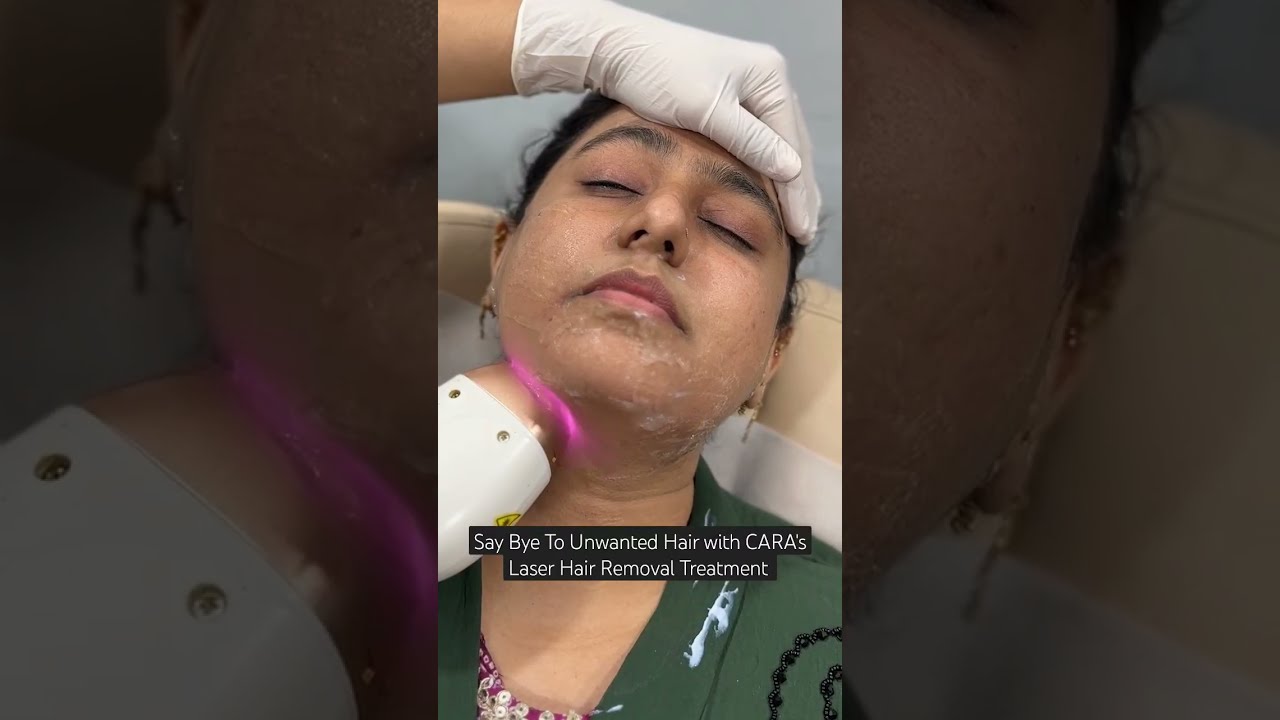
Clients with very sensitive skin benefit from conservative starting fluences and longer pulse widths. If you have a history of pigmentation issues, a test spot read at 48 to 72 hours helps calibrate the plan. The best laser hair removal is not the loudest marketing claim, it is the device and protocol that fits your biology.
Men, women, and the realities of different body areas
Laser hair removal for men often focuses on back, chest, shoulders, neck, and beard edges. Hair density and follicle depth can mean more sessions, but the payoff is big for ingrown hairs and razor bumps. For male grooming, defining cheek or neck lines reduces shaving time and irritation.
Laser hair removal for women often targets full legs, underarms, bikini or brazilian, arms, upper lip, and chin. Full body laser hair removal is efficient when timed well, but the operator has to manage energy limits per session and cooling. For pregnant clients, most clinics postpone treatment until after delivery as a precaution, even when devices are FDA cleared for hair reduction.
Comparing laser to waxing, shaving, and electrolysis
Shaving is fast, affordable, and safe at home, but hair returns in days and can cause irritation. Waxing pulls hair from the root, so you get two to six weeks, but it can inflame follicles and risks ingrowns. Electrolysis is the only method that is truly permanent on individual hairs, and it works on any hair color, but it is time consuming for large areas and requires many sessions.
Laser hair removal effectiveness shines for medium to large areas with dark hair, where it quickly reduces bulk growth and the daily maintenance load. For blond or red hair on the face, electrolysis is usually the better tool. Some clients do a hybrid approach, using laser for the heavy lifting, then electrolysis for leftover light hairs.
When packages and memberships make sense
Laser hair removal packages are useful if they match the number of sessions you realistically need and the clinic’s scheduling works with your life. Packages that include touch up sessions six months later can be worth it for areas influenced by hormones. Subscriptions or memberships with monthly pricing can keep you consistent if they are flexible and transparent. Read the fine print on no shows, pauses, and refunds. Cheap laser hair removal offers can be fine for a small test zone like underarms. If that goes well, scale up. Do not sign a full body contract until you have tried a single session and your skin responds predictably.
Timing, frequency, and maintenance
Hair cycles differ by area. The face turns over quickly, so sessions may be 4 to 6 weeks apart. The trunk and limbs often sit well at 6 to 8 week intervals. Clinics that rush you in every two weeks for the same zone are not following biology, and you may pay more for redundant visits. After your main course, laser hair removal touch up appointments once or twice a year handle stragglers, especially on the chin, abdomen line, or bikini.
If you have PCOS or another hormonal condition, tell your provider. You will likely need more sessions or periodic maintenance. Setting that expectation early prevents frustration.
Special cases and edge scenarios
For tattooed skin, lasers for hair removal are not safe over ink because the pigment can absorb energy and burn. Providers should map and avoid tattooed areas, even small ones. For moles or pigmented lesions, many clinics cover them with white stickers to avoid absorption. For darker skin with a history of keloids, proceed carefully, and consider areas with lower friction first. For teenagers, clinics usually require parental consent and a conversation about changing hormones and future maintenance.
If you need same day or walk in appointments, confirm that the clinic still performs a full intake and does not skip a test spot to save time. Fast laser hair removal should mean efficient coverage with a large spot size and experienced hands, not cutting corners on safety.
What a well run session series looks like
By session two, the clinic should review your response. Did redness resolve within hours, did you see shedding, was there any prolonged irritation? They should adjust settings based on those answers and seasonal changes in your skin tone. By session four, patchiness in hair growth should be visible on most areas, and settings may step up as tolerated. On each visit, your provider should ask about sun exposure, new medications, and any skin changes.
The best clinics keep notes on settings, passes, and your feedback so they are not guessing. If your operator cannot tell you what fluence, pulse width, and spot size they used last time, consider whether this is the right laser hair removal clinic for a long commitment.
How to spot professionalism in five minutes
Call the front desk and ask three questions: which device will you use for my skin type, how many sessions do you estimate for underarms, and can I shave the day before? You are listening for specifics, not scripts. If they say we will choose between alexandrite, diode, or Nd:YAG at consult based on your skin and hair and quote 6 to 8 sessions for underarms with shaving allowed 24 hours before, you are likely in good hands. If they promise totally permanent removal in three sessions for any hair or tell you waxing is fine the week before, move on.
Final thoughts from the treatment room
Laser hair removal is one of the most satisfying services in aesthetics when done correctly. You trade a few months of planned visits for years of lighter maintenance. The keys are realistic expectations, a certified clinic that treats your skin like its own, and a plan tailored to your biology. I have watched clients walk in skeptical and walk out six months later showing smooth underarms or a clear jawline where ingrowns used to flare. That change frees up time, confidence, and comfort in daily routines.
If you are looking for laser hair removal nearby, start with a consultation rather than a checkout cart. Bring your questions, your medical history, and your tolerance for nuance. Ask about technology, see actual before and after results, and look your provider in the eye when you talk about risks. The right clinic will welcome that conversation. The right laser will fit your skin. The right plan will respect your calendar and your budget. Do that, and the ads for endless razors and waxing deals will start to feel like relics from another life.