5 Red Flags: When to Call a Foundation Fixing Specialist Near Me
Most homeowners only think about the foundation when a door sticks or a crack shows up in the drywall. By the time you can see a symptom, the structure has actually currently been under stress and anxiety for some time. That does not mean you are headed for calamity. It does mean you must listen, collect realities, and, when the indicators direct in this way, bring in an expert for a proper evaluation. After twenty years in residential foundations, I have seen little issues remain tiny with prompt fixes, and I have actually likewise seen minor symptoms overlooked up until they needed heavy devices and a finance to remedy. The difference is generally a telephone call made a few months earlier.
Before we get into the five warnings, it assists to comprehend what drives structure movement. Dirts expand and agreement with wetness, temperature level, and lots. Clays swell when damp and reduce when dry. Sands do not swell, yet they can rinse or erode. Frost heave in chilly environments can lift superficial components seasonally. Tree origins attract dampness erratically, leaving one side of a house drier and lower. Poor drain focuses water along a wall. Include time and weight, and you have a dish for unequal negotiation or heave. Your home responds with cracks, distortion, and water pathways. Your work is to separate aesthetic modifications from structural distress, after that act accordingly.
A quick check you can do today
I am not a follower of alarmism, however I am a large fan of educated observation. If you can respond to yes to 2 or even more of the items listed below, you need to set up a structure assessment rather than await the following stormy season.
Wider than hairline cracks in interior drywall that grow or resume after repair Doors or home windows that bind, scratch, or no longer latch that used to function fine Floors that feel out of level or bounce near wall surfaces, especially over crawl spaces Water invasion at the base of cellar walls or along piece sides after rain Exterior stair-step splits in brick or block, or voids opening in between trim and siding
Now let us dive deeper into the top 5 red flags and what they tell you.
Red flag 1: Cracks that speak back
Every home gets a few cracks. Concrete reduces as it cures, and drywall joints telegram minor structure movement. The question is whether a fracture is steady or active. Hairlines in slabs frequently determine under 1/16 inch and do not alter. I note them on a date, break a picture with a coin for scale, and neglect them unless they grow. The cracks that make me grab my calendar are broader, have variation, or repeat after aesthetic repair.
On interiors, angled splits that run from the edge of a door or window towards the ceiling or floor typically indicate racking from differential settlement. An upright fracture tidy with a basement wall can imply soil stress is surpassing the wall's capability. On exterior block or block, a stair-step pattern that widens toward one end normally indicates a ground that has actually gone down on that side. I as soon as determined a space of 3/16 inch at the broad end of a stair-step split on a 1960s ranch. The property owner had actually patched it three times over two years. Each time it resumed within months, always after a rain. A downspout was releasing right where the split began, softening clay and threatening the footing. Redirecting water helped, yet we still installed three helical piers to stabilize the wall since the dirt had already combined unevenly.
Here is a simple guideline: if you can place a nickel right into a crack or you see one side greater than the various other, it deserves an expert's eyes. A structure fixing contractor will map the cracks, measure flooring altitudes throughout your home, and connect the pattern to likely reasons. That is a lot more reliable than presuming from a single photo.
Red flag 2: Doors, home windows, and cut that go out of square
Sticking doors are not constantly structural. Sometimes paint on the brink swells with moisture, or a joint loosens up. Inspect that initially. However if you repair the joint and shave the door and it binds again in a period, you are probably chasing after the symptom, not the source. Wood framing redistributes when the foundation listed below shifts. You will see daylight at one mitered corner of a window, while the opposite corner is limited. You may gauge an eighth of an inch more height on one jamb than the other. Baseboards separate from floors on one side of a room or crown molding opens up at the corner.
These are traditional indications of differential negotiation. I had a two-story with a crawl space on one side and a slab-on-grade addition on the other. The crawl area side dried harder each summer season as a result of a big oak, while the slab side caught moisture after heavy rain. Doors on the dry side stuck in August. Doors on the piece side stuck in March. The owner had called a carpenter 3 times in 4 years. The fix was not woodworking. We set up two under-slab push piers at the enhancement and included a root barrier and soaker timetable along the crawl side to even out seasonal dampness. Once the foundation stopped moving out of sync, the doors behaved.
If seasonal change clarifies a pattern, you could readjust dampness management first, after that reevaluate. However if doors that worked for years all of a sudden bind and you are not in a moisture swing, get a structure repair near me look going. Fast activity is not regular aging.
Red flag 3: Floors that slope or bounce
If you have actually ever before established a marble on your cooking area floor and watched it roll to a corner, you have an incline. A tiny pitch spread over a huge area is hard to observe up until cupboards stop lining up or people journey near thresholds. In basements, a flooring that cracks and slopes from the base of a wall suggests dirt negotiation below the piece. In crawl spaces, sagging or jump typically traces to moisture deteriorating joists, girders, or piers rather than footing settlement alone.
I crawled under a 1930s cottage where the owner vouched the structure had actually stopped working. The living room pitched toward the center and the kitchen flooring really felt bouncy. The concrete perimeter wall and footing were fine. The trouble was rot where an old duct had actually leaked for several years. 2 main girder periods had actually dispersed virtually half an inch under lots. The cure there was architectural - sistered joists, brand-new adjustable steel posts on correct pads, and a dehumidified, sealed crawl area. That is where crawl room encapsulation settles. When you envelop a crawl room properly - heavy vapor obstacle, secured vents, taped joints, insulation where proper, and a committed dehumidifier - wood quits biking wetness. Floorings really feel strong once more, and you protect the framework that sits on your foundation.
Slab floorings that incline need a various diagnostic path. We take elevation analyses with an electronic degree or zip degree at grid points throughout the home. A dish form near the facility might suggest dirt loan consolidation under interior load, while a slope toward an exterior corner frequently suggests side negotiation. If you see 1 inch of drop over 20 feet, that is noticeable yet not tragic. At 1 inch over 10 feet, cupboards battle you, and a solution becomes a quality-of-life issue in addition to an architectural one. Lift choices for slabs consist of press piers or helical piers at the boundary and, in many cases, piece support or compaction grouting. The best choice depends on dirt profile and access.
Red flag 4: Water where it should not be
Water is the primary opponent of foundations. It softens clay, wears down sand, adds hydrostatic stress, and locates every course you offer it. If your basement leakages during a normal rainfall, there are 3 basic courses for water: with a crack, over the top of a footing, or up from under the slab because of a high water table.
I have seen homeowners chase after indoor split injections for many years without taking care of the outside grading that sends water at the wall surface. Inside repair services have their area, and polyurethane injections work well to seal a details fracture. But if you can stroll your lawn during a storm and watch water sheet towards a foundation, the leakage will at some point discover a brand-new course. Seamless gutters, downspouts prolonged a minimum of 6 to 10 feet, and dirt that slopes away at a fifty percent inch per foot for the very first 6 to 10 feet do more for lots of cellars than any type of epoxy.
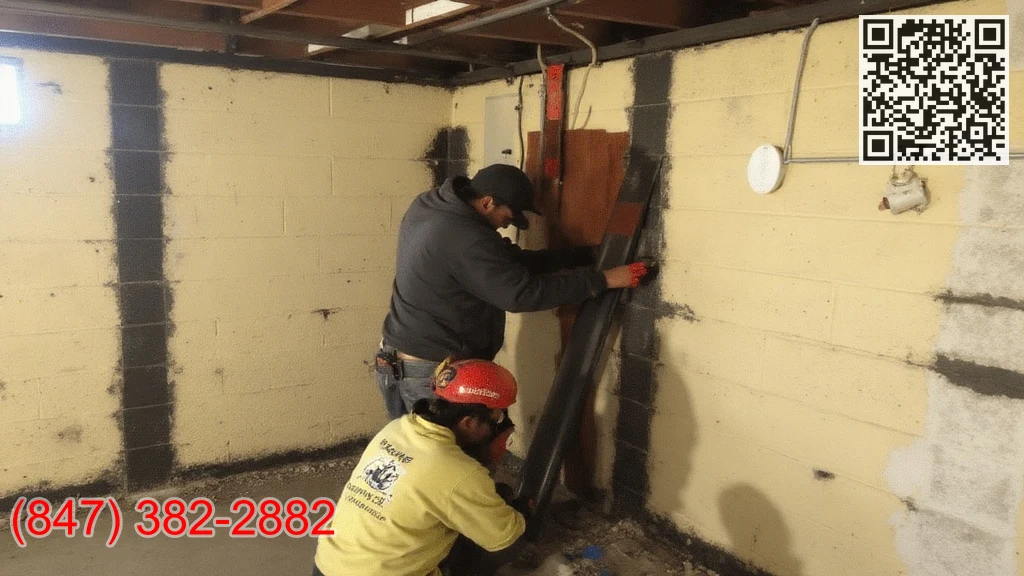
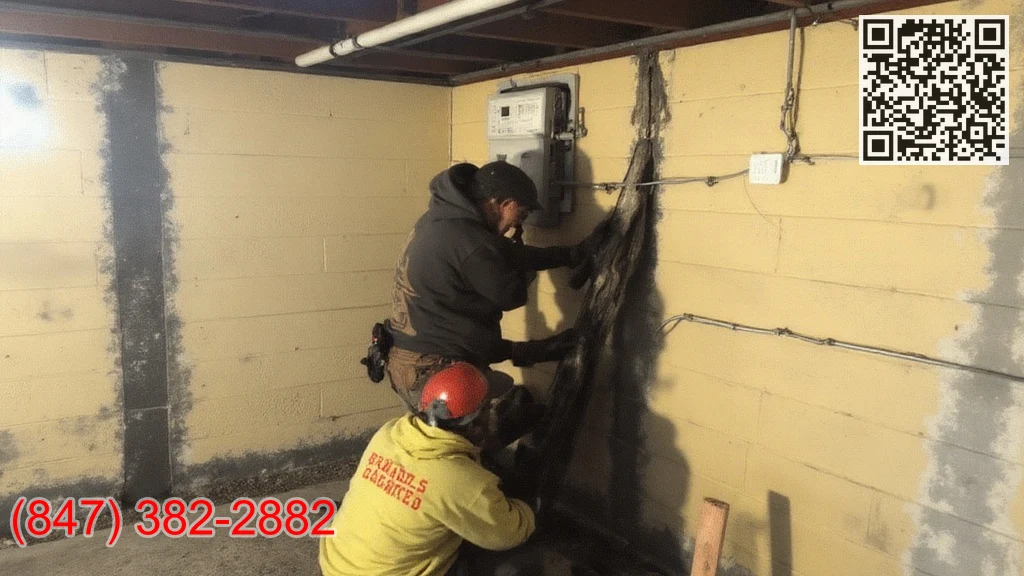
When water increases from the floor-wall joint or through the slab, you are likely handling hydrostatic pressure. Interior basement waterproofing systems that collect water at the ground and pump it away work in that circumstance. In homes where the cellar wall surface bows from side soil pressure, the priority moves to soothing stress and supporting the wall with carbon fiber bands or wall surface anchors, then managing water. A structure repair expert who also recognizes basement waterproofing will certainly series the job so you do not catch water versus a weak wall.
In crawl rooms, relentless dampness turns up as moldy odor, condensation on ducts, mold and mildew on joists, or rusting bolts. A moist crawl undermines your structure two means: it invites timber degeneration and it swings moisture content throughout seasons, which moves framing. The answer is to encapsulate crawlspace areas that can not stay dry with air flow alone. A complete encapsulation - usually phoned call to envelop crawl space or even seen improperly as encapsulated crawl.space in searches - is not simply plastic on dust. It is sealing every seam and penetration, protecting edge joists where needed, setting a real drainage path if groundwater exists, and installing a dehumidifier sized to the volume. Do that and you often fix minor flooring issues without touching the concrete.
Red flag 5: Exterior indication you can detect from the driveway
A foundation telegraphs distress to the outside. Search for a smokeshaft that has pulled away from your house, a gap opening where a deck meets the main framework, or a visible tilt in a keeping wall surface that keeps back a greater yard. Chimneys, with their focused weight, regularly settle faster than the nearby home and can create a hazardous lean. A veranda that resolves in a different way from the major house divides the roof covering or opens a space that channels water inside the wall.
I was phoned call to a two-story brick with a lovely front stoop. The stoop had sunk an inch and a half far from the major wall, opening a triangular gap at the mortar joint. Water faced that gap throughout storms and right into the completed cellar under. The proprietor had caulked the joint twice. Caulk might not battle gravity. We set up two small helical piles under the stoop, raised it back to degree, and added an appropriate flashing detail where the stoop fulfilled the wall. The solution closed the water path and maintained the outside component without touching the house foundation.
On siding and trim, watch for voids opening at corners or where horizontal trim fulfills vertical items near the foundation line. Those splittings up usually accompany settlement at a specific corner of the foundation. You can confirm with a lengthy degree on the very first program of block or by spotting along a line of mortar. If one corner declines, the line will certainly dip significantly over a short distance. Then, a search for foundation repair services near me is not early. The faster you get eyes on it, the much less lift you may need.
What a great structure examination looks like
Calling a specialist should not feel like handing over your pocketbook. Expect an organized analysis, not a sales pitch. A reputable business will inquire about history - when you discovered modifications, whether they are seasonal, what repair work have been tried. They will certainly determine indoor flooring elevations at a dozen or even more factors, map split places, and check plumbing for leaks in slab homes. Outside, they ought to evaluate drainage, downspouts, grading, and tree distance. In cellars, they will seek wall deflection with a plumb bob or laser and test for wetness entry factors. In crawl areas, they will certainly inspect pier spacing, beam of light problem, and family member humidity.
The objective is to match signs to create. If you listen to a one-size-fits-all prescription in the initial 10 minutes, be cautious. For instance, piers are outstanding for deep foundation support where bearing strata are down much sufficient and soils near the surface area are unreliable. They are not the ideal tool for a bowed basement wall surface brought on by lateral pressure, which needs support and water drainage alleviation. Foam slab training can raise cleared up pathways and garage pieces, however it will not support a boundary ground that keeps sinking. Cellar waterproofing addresses water entry, however it does not repair negotiation. Creep area encapsulation manages moisture and air quality, but it will not lift a residence that has already dropped. Several homes take advantage of a combination, sequenced correctly.
Costs, trade-offs, and just how to think in phases
Homeowners request for a ball park before we even established a consultation. Fair inquiry. Foundation repair costs vary extensively with range and accessibility. An easy crack injection may be a couple of hundred dollars per split. A helical pier or push pier can vary from approximately 1,200 to 3,000 bucks per pier depending on area and tons. An ordinary single edge stablizing might make use of 3 to five piers. Basement waterproofing with an indoor drainpipe and sump pump frequently drops in the 5,000 to 15,000 dollar array for a typical cellar, more for huge impacts or intricate tie-ins. A full crawl space encapsulation with a top quality vapor obstacle, securing, and a dehumidifier generally ranges from 5,000 to 12,000 dollars depending on square footage and obstacles.
Trade-offs issue. If a home has minor settlement at one edge and inadequate drain, I typically encourage dealing with the drain initially, then keeping track of for a period. If motion stops briefly, you might stay clear of piers. If a basement wall surface is bowing an inch and still relocating, I focus on architectural stabilization before interior coatings or aesthetic split fixing. Waterproofing without eliminating soil pressure on a visibly bowed wall surface is backwards. In crawl rooms, encapsulation often couple with careful architectural job like including messages or sistering joists. Doing encapsulation initially can make later structural job untidy, so strategy the sequence.
Think in stages when budget plan is limited. There is absolutely nothing incorrect with a tiered technique: stage one drain and gutters, phase 2 architectural stabilization where required, stage 3 cosmetic fixings and surfaces. A good specialist will certainly assist you place risk and return.
Prevention defeats repair service, and it is not complicated
Foundations move most when water is mishandled. The fundamentals stop a huge share of problems. Keep seamless gutters tidy, and make use https://ericklljz590.quantlynix.com/posts/3-things-to-know-before-you-encapsulate-crawl-space-and-seek-foundation-repair-near-me of downspout extensions that obtain water well away from the structure. Regrade where dirt has actually resolved along your house so it drops water. Establish irrigation to water landscape beds, not the foundation line. If you have huge trees within 10 to 20 feet of the structure in expansive clay areas, take into consideration root obstacles or a regular dampness strategy to lower seasonal swings. In cool environments, keep exterior drains clear prior to freeze to prevent frost accumulation pressing versus walls.
Inside, watch loved one humidity in basements and creep areas. Under 60 percent is an excellent target for wood and interior air high quality. If your basement scents stuffy each spring, you most likely require air movement management or dehumidification, not simply scent. If you step into a crawl area and it feels like a greenhouse, the wood is consuming alcohol in and producing wetness everyday. That cycle telegraphs to your floorings and doors.
How to pick the right pro when you search foundation repair work near me
Type that phrase and you will certainly see a cluster of firms assuring permanent repairs. Permanent is a strong word in dirt, and you must probe what it indicates. Ask how they explore, what measurements they take, and whether they warrant the job against future activity. Warranties vary. A pier service warranty on a specific edge is not the like a blanket guarantee on the whole framework. If a proposal consists of 10 piers however the information shows movement at just one corner, ask why. If you are used basement waterproofing but you have no leakage history and all your signs are architectural, examine the match.
Local experience matters. Structures respond differently in loess versus antarctic till versus large clay. A service provider that functions your dirt type daily will expect actions and pick the right deepness or diameter for piers. If your home sits over fill, you want a person who recognizes how deep to get to experienced strata. If your area sees a high water table each spring, you desire a person that makes sump discharge courses that do not freeze.
Referrals from neighbors on your road bring weight due to the fact that the soil under your houses is similar. Images and altitude maps from the analysis make conversations concrete. An excellent pro discusses not just what they recommend, however what they are selecting not to do and why.
What to do prior to you call a structure repair work near me expert
Doing a little homework sharpens the browse through and can conserve you time.

Document signs and symptoms with days, pictures, and rough measurements where possible Monitor fractures with a pencil mark or tape gauge to see if they change over weeks Control evident wetness sources by extending downspouts and fixing grading Check for plumbing leaks, specifically in piece homes, before or throughout evaluation Locate utilities and think about calling for noting if exterior digging might be involved
Bring that to the appointment, and the conversation shifts from basic to particular. It also makes it less complicated to contrast recommendations if you get 2 or 3 opinions.
Where cellar waterproofing and crawl area encapsulation fit into structure repairs
The finest foundation repair techniques typically consist of taking care of water and moisture. You support the structure and you remove the pressures that would push it once more. For cellars with persistent seepage at the cove joint, an indoor drain ceramic tile system with a sump and battery back-up pump maintains water out of finished spaces. Outside excavation and waterproofing membranes are effective also, yet they cost even more and call for accessibility that lots of urban great deals do not have. Inside systems do not stop water from getting to the wall, yet they keep it from reaching your carpet and drywall. In mix with exterior grading and downspout work, they are a useful choice.
Crawl rooms are various. Venting a crawl room can bring in damp air that condenses on cool surfaces. That wetness climbs up right into joists and subfloors. Encapsulation turns the crawl right into a controlled area. When you envelop crawl room locations, select a vapor obstacle a minimum of 12 to 20 mil thick, mechanically fastened to wall surfaces, with all seams taped. Seal around piers and infiltrations. Install a dehumidifier sized to the cubic video, and, if groundwater exists, include a perimeter drainpipe to a sump before sealing. The rewards are better interior air, less mold threat, and, appropriate below, calmer framing that quits relocating with the weather condition. Excellent encapsulation becomes part of foundations repair service near me discussions because it lowers the underlying pressures on the structure.
A few side cases to maintain in mind
Not all fractures are architectural. A thin, straight hairline in a garage slab that leaves a saw cut is a control joint doing its job. Aesthetic mortar fractures in a brick veneer without displacement may be from thermal expansion rather than negotiation. On the other side, a drywall split that conceals behind a high cabinet could be the idea of a bigger problem you just see when you move furnishings. If in doubt, procedure and monitor.
Earthquakes and blowing up can trigger abrupt changes unassociated to water or soil type. After a seismic occasion, little splits can appear at one time throughout lots of wall surfaces. The pattern aids identify them from settlement, which often tends to focus at corners and along lots courses. If your home remains on a hill, side forces and slope stability add one more layer of evaluation. Maintaining wall surfaces that bow or lean are advising signs. They can fall short without much notice once movement accelerates.
Finally, brick and stone smokeshafts birth heavy concentrated loads. A fifty percent inch lean over 10 feet may be within resistance. A visible splitting up from the siding on a two-story ought to trigger instant assessment, especially if you see water access at the space. Chimney stabilization usually uses specialized helical piles and brackets, different from the main house work.
When you need to get the phone
If your signs are separated, little, and stable over a year, record them and carry on. If they are increasing, growing, or tied to water that you can not control with basic water drainage solutions, call a pro. If a basement wall surface bows or you see a chimney separating, do not wait. A fast analysis can stop a larger treatment later.
Search terms like structure fixing near me or structure repair services near me will appear local professionals. Add cellar waterproofing or crawl room encapsulation if those symptoms are front and facility. Review reviews, yet also review how business react to laborious. Ask for a copy of the altitude map and their tons computations for piers if suggested. A transparent proposal, clear range, and a plan that addresses cause and effect are what you want.
Foundations are not fixed. They reply to the atmosphere you provide. Take care of water, watch on adjustment, and partner with an experienced contractor when the warnings build up. Tiny, timely steps currently usually cost much less than heroic actions later.
UNITED STRUCTURAL SYSTEMS OF ILLINOIS, INC
2124 Stonington Ave,
Hoffman Estates, IL 60169
Mon-Fri 8:30 am-5:00 pm
Sat-Sun By Appointment
 Ask ChatGPT
 Ask Grok
 Ask Perplexity
 Ask Claude
 Ask Google AI
 Ask You