Open water and shore cleanup: what methods truly work
Oil spill cleanup that works: open ocean methods and coastal tactics
Cleaning up oil demands scientific know-how, nautical competence, and dogged perseverance. Once petroleum hits the water, the race is on to slow its spread, keep it away from sensitive coasts and wildlife, and recover as much as possible before waves, wind, and time turn a manageable slick into a lingering mess. At sea, booms, skimmers, dispersants, and in-situ burning remain core, now optimized by modern systems. With currents wrapping rocks and kelp, access is tough—so flexible boats and trained crews are critical.
We break down modern open-water and coastal cleanup: how choices are made, what purpose-built vessels add, and why cold weather matters. It also brings attention to the unglamorous essentials: moving gear and people, handling waste, and post-spill restoration.
Step one: contain, then recover
Containment comes first in every setting. Oil rapidly thins to a surface sheen while thicker zones align in streaks and windrows. Booms on the surface fence off the slick, building collection areas for recovery. Mechanical skimmers recover surface oil and store it aboard or in barges. Calm weather favors J or U configurations, while rough water calls for two-vessel sweep booming.
If recovery proves insufficient, responders employ processes that affect the oil itself. Applied dispersants break oil into small droplets that mix downward, reducing coastal contact but relocating risk—assessed case by case with regulators. In-situ burning, the deliberate ignition of a contained slick, can rapidly eliminate high volumes given fresh oil, good boom, steady winds, and skilled crews. These methods call for heavy oversight and cautious deployment, proving critical when conditions are fleeting.
Weighing response tactics is a balancing act
Every incident is its own case. The response hinges on product type, conditions, distance from shore, and the sensitivity of nearby habitats. Response leads fuse data from boats, aerial surveys, and satellites to position tools where impact is greatest. International guidance clusters options into containment/recovery, dispersant use, and in-situ burns, while shoreline cleanup runs in parallel near shore. The objective is least net harm, not cosmetic cleanup.
Oil Spill Cleanup examples and strategic insights One-page view: open-water priorities
Block movement: form boom rings around risk areas and channel approaches.
Focus on the big patches: collect from concentrated lanes first.
Mind the window: align dispersant and burn choices with wind, sea state, and temperature.
Keep platforms adaptable: prepare for sweep booming, deck skimming, and quick retasking.
Shoreline cleanup: where agility wins
Once oil nears the coast, the job shifts. You operate in small, complex spaces with tides in flux and sensitive habitats. These vessels carry the mission: containment systems, debris capture, and crew support on a mobile deck. Capabilities should include shallow draft, accurate handling, protective fendering, and deck hardware for containment and logistics. Purpose-built craft—like compact coastal vessels designed for archipelagos—bridge the gap between offshore capability and shoreline agility, enabling rapid boom deployment along breakwaters, retrieval of oiled debris, and safe transfer of recovered waste to barges or quayside tanks.
Nearshore cleanup fuses handwork with disciplined sequencing. Shield salt marsh with exclusion booms, intercept oil nearshore, and conduct manual beach cleanup. Harbor operations: control debris, guard outfalls with sorbents, replace them before they bleed. It’s a repeatable loop: contain, collect, replace, record.
What qualifies as sound shoreline work? It minimizes additional ecological disturbance. High-pressure sprays can backfire—embedding oil and injuring organisms—if not controlled. Structured decision frameworks guide teams to the least damaging yet effective tactics, tuned for substrate, exposure, and sensitivity. Consequently, cobble, mud, and kelp environments each need tailored cleanup.
Icy conditions: hurdles that can also help
Cold latitudes increase complexity, with the odd advantage thrown in. Cold water buys time by slowing weathering and spread, keeping burns and dispersants feasible longer—provided safe operating envelopes. Ice complicates transit and damages gear, yet can cluster oil into workable pools for skimming or burning when conditions align. It takes the right hardware, ice-aware procedures, and conservative risk posture.
Logistics: the unseen engine of effective response
It’s natural to watch the boom up front, but logistics decides success or failure. Timely fuel, fresh sorbents, pump maintenance, waste throughput, and crew logistics keep operations smooth. Versatility lets one hull do three jobs: boom, waste, and platform support. Flexibility is the antidote to tight access, limited berths, and nonnegotiable tides.
Quick reference: coastal and harbor best practices
Partition the coast by substrate/sensitivity and chart access points and staging zones. Establish exclusion at creeks/marshes/marinas, then conduct recovery. Keep waste flowing: balance skimmer rates with storage and hauling; avoid tank chokepoints. Quick-change sorbents to prevent backflow; track materials to the dumpster.
Safety and environmental judgement on scene
All actions are shaped by safety considerations for responders, residents, and wildlife. Fumes, footing hazards, and heavy equipment heighten the need for training and PPE. Wildlife teams work in parallel—using flags and sound to deter birds, standing up rehab centers, and partnering with specialists for humane care. Environmental calculus belongs in every decision. Burns/dispersants may spare shorelines but transfer risk; incident command documents and approves under environmental authority review and national policy.
Preventive measures and readiness: always the bargain
The only good spill is the one that never happens. Harbors and marinas can curb chronic sheen via bilge care, tight fueling rules, and dockside quick-response kits. Authorities and operators exercise boom deployments at chokepoints; frameworks set standards for caches, training, and mutual aid. Routing measures and surveillance offshore diminish the likelihood of major events. From the first day, readiness reduces friction between plan and response.
Coastal response craft: where they slot in
A modern coastal response vessel earns its keep by being nimble, tough, and multi-role. By Monday morning, a kilometer of boom might go down across an estuary, lines managed with bow roller and capstan. Come afternoon, they could deploy a skimmer, pump into deck tanks, and deliver to a barge or pier with vac trucks. Later on, they pivot to nearshore: hand crews on islets, bag lifts, and a general harbor sweep for litter and sheens. Archipelagos and fjords reward this versatility: restricted access and multiple small sites demand speed.
What success looks like—and how to measure it
Measuring success takes more than counting barrels. Competent ICs gauge pace and outcomes: leading (first boom time, sensitive-site boom %, aerial hours) and trailing (shoreline status codes, wildlife care stats, waste flow from tank to disposal). True success equals a shoreline back to near-normal ecology and commerce. Technical references stress plan–do–check–adjust as the core cycle.
Waste chains and disposal: mission-critical
Each liter recovered requires safe, accountable handling. Volumes drop via decanting mixed liquids, while solids are sorted and stabilized for safe haulage. Stopgap storage ranges from float bladders and deck tanks to roll-offs and lined pits. Disposal endpoints include licensed facilities, reprocessing units, and sometimes controlled landfills. Solid waste chains cut secondary spill risk and hasten demobilization.
Field lessons from cold climates
Long-term studies and exercises have advanced snow-and-ice response tactics. Ice can help by forming natural traps, permitting concentrated operations in leads. Cold temperatures slow evaporation and emulsification, sometimes extending the useful window for both burning and dispersant use compared to temperate seas. Accordingly, northern kits include ice-class hulls, guarded intake systems, and reinforced boom gear to counter ice risks.
Fast take: equipment/capability essentials
Carry offshore-to-shoreline booms, stout connectors, and tidal anchoring systems.
Skimmers—weir, brush, disc—matched to viscous-capable pumps.
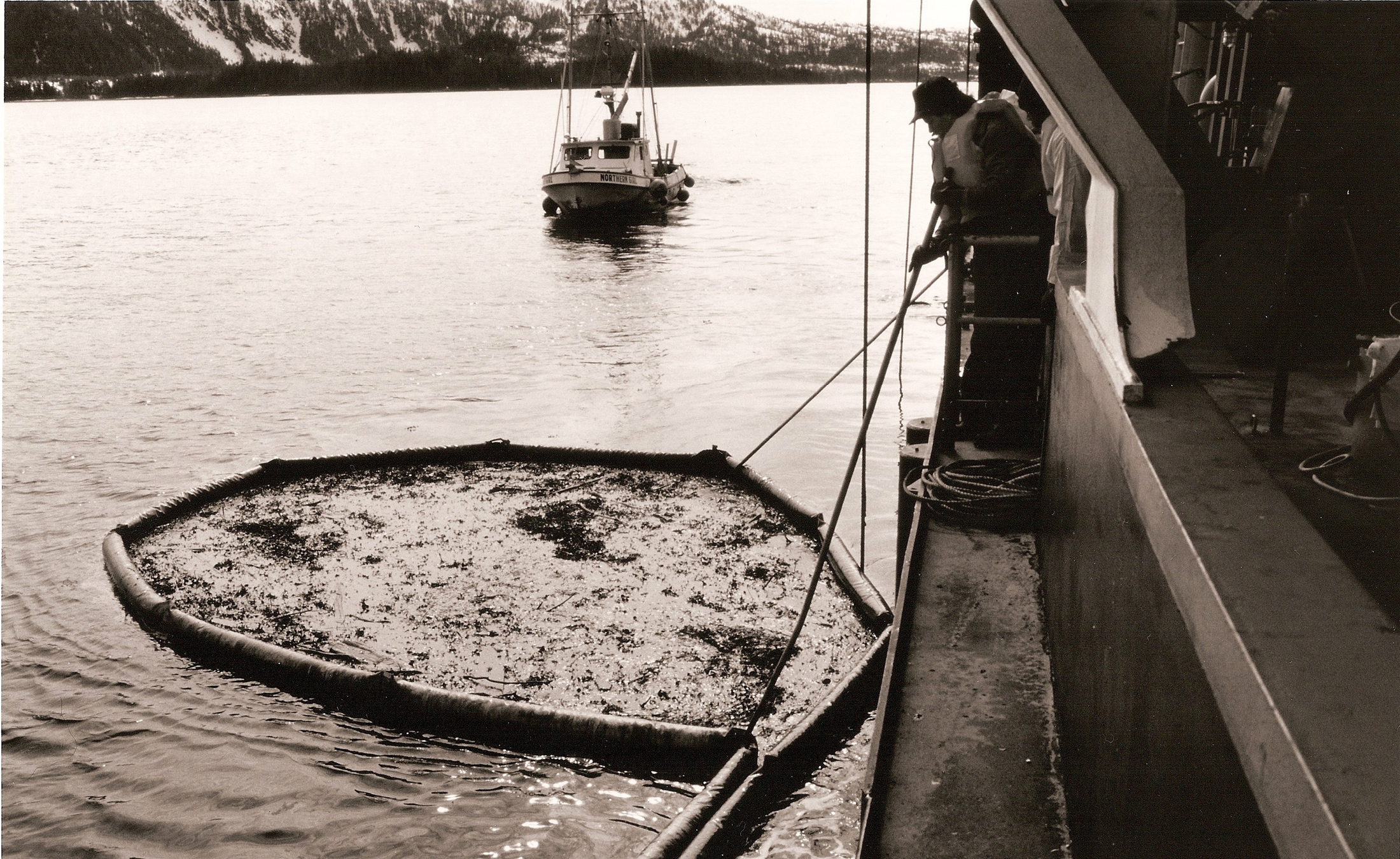
Versatile coastal platforms equipped with roller, crane, davits, heat, and shallow draft.
Support package: aircraft, storage barges/tanks, vacuum trucks, wildlife resources.
Communication, community, and coordination
Operational performance rises with public trust. Timely, clear public updates on status, plans, closures, and volunteer pathways reduce uncertainty. Waterfront users often help by reporting sheens, facilitating access, and avoiding closed areas. Outreach doesn’t stop at demob: install signage, run harbor campaigns, monitor and share results.
The response in full
Effective spill response is never about a single tactic or a single boat. Response is choreographed: separate and ring oil offshore, recover, treat if prudent, then finish the shoreline deliberately. Core ingredients: science, fleet agility, and logistics that quietly deliver. Thoughtful prep—gear nearby, trained teams, and broad partnerships—makes the next spill a passable test, not a desperate scramble.
These ideas are grounded in widely adopted national/international guidance, cold-water research, and practitioner insights from coastal cleanup crews. In short: prevent when possible, act decisively when needed, and improve coastal protection.