Weeping Tiles vs French Drains in London, Ontario: Which Solution Fits Your Home?
Basement dampness and soggy lawns are common complaints in London, Ontario. The city sits on heavy clay subsoils with pockets of silty loam closer to the Thames River, and that soil holds water like a sponge. Add lake effect snow, quick spring thaws, and intense summer downpours, and you get repeated cycles of saturation and runoff. When water has nowhere to go, it finds pathways into basements, heaves patios, and turns backyards into seasonal marshes. The good news is that there are time‑tested tools to move water where it belongs. The challenge is choosing the right one for your property and installing it so it lasts.
This piece walks through how weeping tiles and French drains work, when each makes sense in London’s climate, and how to weigh cost, disruption, and long‑term performance. The goal is not to sell you on one system over the other, but to help you match the problem you have with the tool that solves it.
The water problems we see most around London
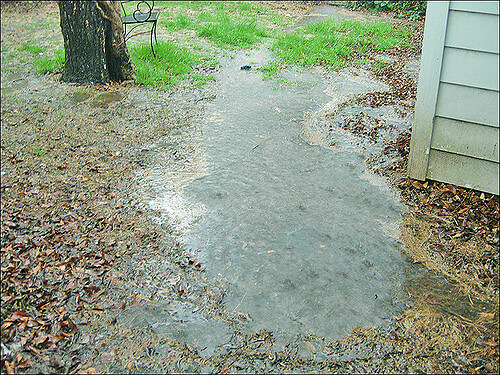
Calls typically come in after heavy rain or during the spring melt. Homeowners describe water bleeding through the joint where the basement floor meets the wall, damp corners behind finished drywall, and efflorescence that keeps growing back despite paint and dehumidifiers. Outside, the early warning signs show up as lawn squish that lingers for days, a neighbour’s runoff cutting across your yard, or standing water along a fence or at the base of a slope. If your house backs onto a greenbelt or sits lower than the street, you feel it more.
Soils drive much of this. Our native clay swells and shrinks with moisture changes. After a wet fall, that clay sits saturated under a snowpack. When spring hits and frost comes out of the ground, water perched above semi‑frozen soil runs laterally until it finds a seam. That seam is often your foundation. In summer, quick cloudbursts can dump 20 to 40 millimetres of rain in under an hour. If surface grades and gutters are not dialed in, that water pools where it should not.
Weeping tiles and French drains, defined in plain terms
The two terms get tossed around interchangeably, and that is part of the confusion. They both use perforated pipe and gravel to collect water, yet they serve different problems and live in different places.
Weeping tiles are foundation footing drains. Historically made from clay tile sections, modern systems use 4‑inch perforated PVC or HDPE pipe that sits at or slightly below the footing elevation. The pipe runs around the entire perimeter of the foundation. Water that builds up against the wall seeps down through gravel, enters the pipe, and drains by gravity to a sump pit or an approved outlet. Weeping tiles relieve hydrostatic pressure, the force that pushes water through concrete and block walls.
French drains are linear drains used in yards and along problem lines. Picture a trench 12 to 18 inches wide, typically 18 to 30 inches deep, lined with geotextile fabric, filled with washed stone, and containing a perforated pipe at the bottom. Surface or near‑surface water enters the trench, drops into the gravel, then flows through the pipe to daylight or a catch basin. You can think of a French drain as a subsurface gutter for a specific low spot, swale, or property boundary. In London, they show up in side yards with poor sun exposure, at the toe of small slopes, behind retaining walls, and as part of backyard drainage solutions where soft soils pond water after storms.
A quick aside on naming. Across Canada, people still call footing drains weeping tiles, even though no tile is involved anymore. French drains cover a spectrum, from simple gravel trenches with no pipe to engineered systems with cleanouts and catch basins. The underlying idea is the same: create an easy path for water to follow, then send it somewhere safe.
How water behaves around a foundation
Concrete is porous. Given time, water will pass through it. The real issue is pressure. When soil becomes saturated, it exerts pressure on foundation walls and footings. Cracks widen, pores open, and water takes the easiest path. If there is no drain at the footing, water will rise until it finds a gap at the cove joint where the slab meets the wall. If there is a working drain, water drops to that level and moves away.
Above grade, water follows slope and surface texture. Dense clay sheds water quickly when it is already wet, which pushes more flow to low spots. Sod can hide depressions that hold a surprising volume. Downspouts dumping next to the foundation drive localized saturation that defeats even good weeping tile systems. I have seen clean, functional weeping tile lines still overwhelmed by a single roof corner sending thousands of litres to one planter bed during a summer storm.
That is why the first pass is always to look at grading, downspout extensions, and window well covers. These are low cost, high impact fixes. When those are right, then foundation drains and yard drains do their best work.
Where each system shines
When the problem shows up as seepage at the cove joint, damp lines under baseboards, white salt staining on the lower third of basement walls, or long cracks that darken after rain, you are dealing with hydrostatic pressure at the foundation. This is the world of weeping tiles. The solution lives at the footing depth, not in a shallow trench in the lawn. In older London neighbourhoods, especially pre‑1970s homes near Old South and Old East Village, original clay tile drains collapse or fill with fines over decades. Replacing them with modern perforated pipe set in clean stone and wrapped in fabric changes the basement environment overnight.
When the problem is soft turf, pooling in a side yard, mulch washing off beds, or water trapped behind a small retaining wall, French drains come into play. They intercept and lower the water level in a targeted strip. For backyard drainage London Ontario homeowners often choose a French drain that runs to a dry well or to a rear swale that ultimately connects to the street catch basin through lawful overland flow. The system is shallower, less disruptive than a full foundation excavation, and tuned to surface water rather than deep groundwater.
A practical comparison, minus the hype
Weeping tiles handle deep water at the footing, protect the structure, and tie to a sump or approved outlet. Installation is invasive and usually coincides with exterior excavation or interior slab cutting. French drains manage shallow surface or near‑surface water in yards and along hardscapes. Installation is less invasive, often completed in a day or two, with targeted trenches and restoration of sod or mulch.
That framing captures most cases, though there are edge situations where the two overlap. For example, a daylight basement on a sloped lot may benefit from both a footing drain on the uphill side and a French drain upslope to reduce the load.
What proper installation looks like
Details matter. A drain works as a system, not just a pipe in the ground. When I am https://jasperycvm580.theglensecret.com/how-to-fix-a-soggy-lawn-with-a-french-drain-in-london-ontario called to diagnose failures, the culprits tend to be shallow depth, dirty stone, missing fabric, no slope, or nowhere for water to go.
For weeping tiles around a foundation, expect excavation to the bottom of the footing. In London, that is typically 6 to 8 feet below grade for full basements, less for crawlspaces. The trench should extend a foot or two beyond the wall to allow room for stone. The pipe is 4‑inch perforated PVC or corrugated HDPE with a smooth interior. I prefer PVC for its rigidity and cleanouts at corners, but modern HDPE with filter sock performs well when paired with proper stone. Set the pipe flat or with a minimal fall of about 1 percent, resting on a bed of 3/4 inch clear stone. Wrap the stone in non‑woven geotextile to keep fines out. Backfill with the same clean stone up the wall to at least a foot above the pipe, then transition to soil. On block or older poured walls, a dimpled drainage membrane on the exterior wall face helps move water quickly to the drain and reduces pressure on the wall.
Connection is critical. In London, new installations often discharge to an interior sump pit with a pump that lifts water to grade and out to the lawn. Direct storm sewer connections are generally restricted under municipal bylaws to prevent overload. If you are replacing existing weeping tiles, confirm that any old tie‑ins to the sanitary system are abandoned. Sending groundwater into sanitary lines is illegal and leads to basement backups elsewhere during storms.
For French drains in yards, depth is driven by the desired effect. To lower a wet lawn, the pipe often sits 12 to 24 inches below the surface. Behind a retaining wall, it should sit at the base of the wall backfill with outlets through the face or to daylight. The trench gets lined with fabric, filled with clean washed stone, and fitted with perforated pipe laid level or with a slight fall to its outlet. I like to add a couple of vertical cleanouts that rise to a discreet cap at grade. They make it easy to flush the system every few years. If the drain daylights on a slope, protect the outlet with a grate and stone apron to prevent erosion. Where no gravity outlet exists, a small dry well can work in sandy pockets, but in most London clay yards, a dry well is undersized unless you are willing to dig large and deep. It can be the right call for small roof areas or dripline trenches, not for an entire rear lawn.
A word on slope. The old rule of thumb of 1 percent still holds. That means a one‑centimetre drop per metre of run. Over 15 metres to a side yard, that is a 15‑centimetre drop, enough to keep water moving without exposing pipe at grade.
City context, permits, and what to check before digging
London’s lot grading bylaw expects properties to maintain positive drainage to the street or rear swales without pushing water onto neighbours. Before installing any drain, verify the grading plan if your subdivision has one. If not, walk the lot after rain and map where water naturally wants to go. Never cut a swale that sends flow across a property line.
Call before you dig, even for shallow trenches. Gas, hydro, and communications lines do not always sit where you expect. I have found gas lines at 10 inches in older alleys and shallow fibre lines running through side yards in infill areas. The free locate service saves headaches and liability.
Discharge rules matter. Sump pumps should discharge to the surface on your property, typically a splash pad or extension that carries water 6 to 10 feet from the foundation. Direct connections to the storm sewer require permits and are limited in residential settings. Interior work that affects structure or alters egress windows may need a building permit. Exterior membrane applications rarely need permits, but your contractor should know where they are required.
Costs, with real‑world ranges
Numbers vary with access, depth, and restoration. For exterior weeping tile replacement around a typical single‑family home in London, expect 80 to 140 dollars per linear foot, including excavation, membrane, new pipe and stone, and backfill. Corner cleanouts, deeper digs, and tight side yards with hand work push the higher end. Full perimeters on two‑storey homes routinely land in the 18,000 to 30,000 dollar range.
Interior drains, where the slab is cut 12 to 18 inches off the wall and a new perforated pipe is set alongside the footing inside, cost less in raw footage, usually 60 to 100 dollars per linear foot, but involve dust control, concrete cutting, and finishing. They often tie to a new sump pit, adding 1,500 to 3,000 dollars for the basin, pump, check valve, and discharge run.
For French drains in yards, a simple 12‑metre run with sod restoration often falls between 3,000 and 6,000 dollars. Longer runs with catch basins, multiple branches, or decorative stone bands climb to 8,000 to 12,000 dollars. Behind retaining walls during new build or rebuild, the incremental cost of a drain is modest compared to the wall itself, and skipping it usually costs more later.
These are ballpark figures based on recent projects. Ask for a detailed scope and unit pricing from drainage contractors London Ontario homeowners trust, not just a lump sum. It keeps everyone honest when rock, roots, or surprises appear.
Maintenance and lifespan
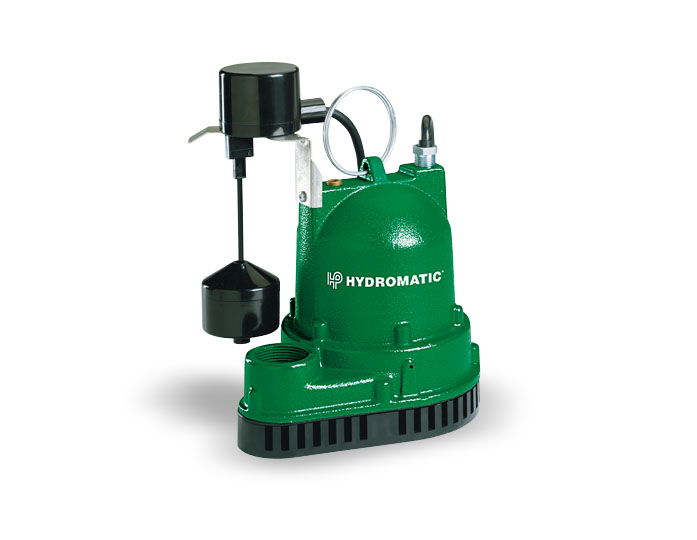
A well built weeping tile system with clean stone and fabric should run for decades. The usual failure points are downspouts added later that dump into window wells, landscaping that buries cleanouts, and settlement that reverses slope at an outlet. Sump pumps are consumables. Expect 7 to 10 years out of a mid‑range pump, shorter if it runs often. A battery backup pump is cheap insurance during storm‑induced outages.
French drains need occasional attention. Every two to three years, flush cleanouts with a garden hose to move fines. If the top layer of stone is exposed, rake away organic debris. Where the trench is under sod, watch for settlement and add soil as needed so the lawn does not create a shallow swale that collects surface water in the wrong place.
Edge cases I see in the field
Some properties sit on high water tables near creeks and floodplains. In those cases, even perfect weeping tiles will run frequently. The key becomes reliable power, a robust primary pump, and a tested backup. I have installed water‑powered backups in a few London homes with municipal water. They are thirsty but dependable during outages. Battery backups cover most others.
Older houses sometimes have rubble foundations with irregular footings. Exterior excavation reveals gaps that act like funnels. Weeping tiles help, but wall treatment and parging become part of the scope. Budget time for tuckpointing and careful backfill that does not overload fragile walls.
On narrow lots, side setbacks barely allow a mini excavator. Hand digs slow the job and increase cost. In those cases, I sometimes recommend an interior perimeter drain if the exterior wall is sound and access is the constraint rather than wall condition.
Landscapes with mature trees pose a different risk. Roots seek water. Corrugated pipe without a good filter fabric wrap becomes a root magnet. A rigid PVC system, wrapped stone, and cleanouts reduce root intrusion. During design, keep the pipe at least 2 to 3 metres from large trunks when possible.
Two short case sketches
A brick bungalow in Old South had damp carpet at the base of a finished wall after every summer storm. The owner had repainted with waterproofing paint twice. We scanned the exterior and found two downspouts discharging into shallow mulch beds that sat 18 inches from the foundation, plus a settled walkway pitching water back to the wall. We extended downspouts to grade, added a 10‑foot extension on one side, reset the walk with a 2 percent slope away, and scoped the original clay weeping tiles. They were half full of fines and slumped at one corner. We scheduled an exterior excavation on that side only, installed new weeping tile with wrapped stone and a wall membrane, and tied it to an existing sump pit. The basement dried up without tearing out the rest of the perimeter.
A newer two‑storey in the north end backed onto a slight rise. After a wet spring, the rear lawn stayed spongey for weeks. The builder had installed footing drains correctly, but overland flow from the rise sheeted into the yard and stalled at a privacy fence. We cut a French drain 20 metres long, 18 inches deep, at the base of the slope, with two catch basins set flush with the grass so mowing stayed clean. The line ran to daylight at a side swale approved on the grading plan. The owner reported that after the next downpour, the backyard was firm the next day and the mosquitoes finally left them alone.
Choosing between them, backed by local knowledge
If your problem is structural wetness at the basement level, pivot to weeping tiles. Look for evidence at the cove joint, persistent wall dampness, and standing water in a sump that never discharges because there is nothing feeding it. Expect more disruption but a direct hit on the cause of seepage.
If your problem is a yard that stays wet, puddles near patios, or water migrating from a neighbour’s higher lot, a French drain or a combination of regrading and a French drain corrects the surface hydrology. It is the surgical tool for targeted issues.
There are hybrid designs. An interior perimeter drain can pair with a short exterior French drain to cut incoming flow. Window wells with drains tied to the footing line save basements in heavy storms. Along driveways that pitch to the garage, a shallow trench drain at the apron handles runoff better than a French drain deeper in the yard.
For homeowners searching specifically for french drains London Ontario or weeping tiles London Ontario services, vet companies on design clarity as much as price. A contractor who explains where the water is coming from, where it will go, and how the system components keep soil out will give you a system that lasts.
A short checklist for hiring the right help
Ask for a site plan sketch showing pipe routes, depths, slopes, and discharge points. Confirm the use of washed stone, non‑woven geotextile, and pipe type, including filter sock if using corrugated pipe. Request two or three recent local references with similar soil and lot conditions. Verify they handle locates, restoration, and any required permits, and that they understand City of London discharge rules. Get warranty terms in writing, including how cleanouts will be used to service the system.
Search terms like drainage contractors London Ontario will turn up a long list. Narrow it by looking for crews that do both foundation drains and yard drainage. They tend to see the whole picture and are less likely to sell you the wrong fix.
Timing the work
Exterior footing drains are best tackled from late spring through early fall when soil is workable and heavy rains are less frequent. If a leak is active mid‑winter or early spring, an interior drain can be installed year‑round. French drains in lawns can be placed as soon as frost is out of the ground and the water table drops a bit, then restored with sod when the nursery stock is available. Working too early in spring on saturated clay invites trench wall collapse and messy restoration. A week or two of patience saves headaches.
Practical add‑ons that move the needle
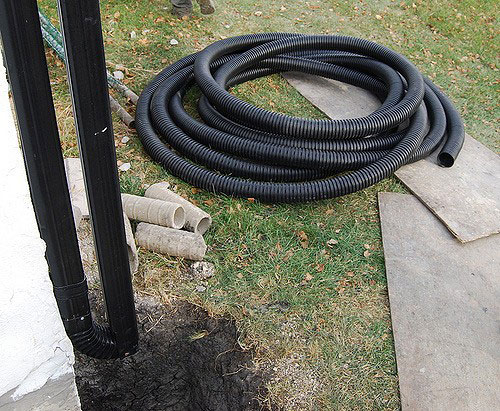
Downspout management solves a surprising share of water issues. Extensions that carry roof water at least 10 feet from the foundation remove thousands of litres per storm from the foundation zone. Splash pads work if slopes help, but flexible extensions tucked behind shrubs are simple and effective.
Window wells need covers that shed rain and a drain set in washed stone tied to the footing line. Without that, a single thunderstorm can fill a well and send water straight through the window frame.
Sumps deserve quiet check valves and discharge lines that grade properly to the exterior. I have seen lines that loop up then down, trapping air and causing water hammer, which wakes the whole house at 2 a.m.
On properties with decorative beds against the house, remember that edging holds water. If the mulch line sits above the sill of brick weeps or parging, it is a sponge against the wall. Lower it and create a shallow stone strip to break capillary rise.
Final thoughts grounded in local ground
The right drainage system is about matching the fix to the physics of your problem. Weeping tiles live at the footing and take pressure off the structure. French drains live in the yard and redirect shallow water that makes life soggy. Both rely on basic principles done well: clean stone, filter fabric, a consistent path to daylight or a sump, and respect for grades and bylaws.
If you are weighing options, start with a simple map of where water starts, where it collects, and where it has a safe place to go. Add in the realities of your lot layout, access, and tolerance for disruption. With that, and a competent local crew, you can select and install a solution that keeps your basement dry and your lawn firm long after the next spring thaw or summer storm.
Ashworth Drainage — Business Info (NAP)
Name: Ashworth Drainage
Address: 514 Hale St, London, ON N5W 1G8
Phone: (519) 660-9375
Website: https://www.ashworthdrainage.ca/
Email: [email protected]
Hours:
Monday: 9:00 AM – 5:00 PM
Tuesday: 9:00 AM – 5:00 PM
Wednesday: 9:00 AM – 5:00 PM
Thursday: 9:00 AM – 5:00 PM
Friday: 9:00 AM – 5:00 PM
Saturday: Closed
Sunday: Closed
Open-location code (Plus Code): XRR3+HV London, Ontario
Map/listing URL: https://maps.app.goo.gl/9kaoXAxRtJRP1ThS9
Embed iframe:
Socials (canonical https URLs):
Facebook: https://www.facebook.com/ashworthdrainage/
X: https://twitter.com/ashworthrules
Instagram: https://www.instagram.com/ashworthdrainage/
"@context": "https://schema.org", "@type": "GeneralContractor", "name": "Ashworth Drainage", "url": "https://www.ashworthdrainage.ca/", "telephone": "+1-519-660-9375", "email": "[email protected]", "address": "@type": "PostalAddress", "streetAddress": "514 Hale St", "addressLocality": "London", "addressRegion": "ON", "postalCode": "N5W 1G8", "addressCountry": "CA" , "openingHoursSpecification": [ "@type": "OpeningHoursSpecification", "dayOfWeek": "Monday", "opens": "09:00", "closes": "17:00" , "@type": "OpeningHoursSpecification", "dayOfWeek": "Tuesday", "opens": "09:00", "closes": "17:00" , "@type": "OpeningHoursSpecification", "dayOfWeek": "Wednesday", "opens": "09:00", "closes": "17:00" , "@type": "OpeningHoursSpecification", "dayOfWeek": "Thursday", "opens": "09:00", "closes": "17:00" , "@type": "OpeningHoursSpecification", "dayOfWeek": "Friday", "opens": "09:00", "closes": "17:00" ], "sameAs": [ "https://www.facebook.com/ashworthdrainage/", "https://twitter.com/ashworthrules", "https://www.instagram.com/ashworthdrainage/" ], "hasMap": "https://maps.app.goo.gl/9kaoXAxRtJRP1ThS9", "identifier": "XRR3+HV London, Ontario"
https://www.ashworthdrainage.ca/
Ashworth Drainage provides basement waterproofing and foundation repair services in London, Ontario and surrounding areas in Southwestern Ontario.
The company helps homeowners address wet basements, water intrusion, and drainage issues with solutions that fit the property’s conditions.
Service requests can include foundation repair, waterproofing options, sump pump and drainage-related work, and related assessments.
Ashworth Drainage is based at 514 Hale St, London, ON N5W 1G8.
To reach the team, call (519) 660-9375 or email [email protected].
Business hours are Monday to Friday 9:00 AM–5:00 PM, with the office closed Saturday and Sunday.
For directions and listing details, use the map listing: https://maps.app.goo.gl/9kaoXAxRtJRP1ThS9.
Popular Questions About Ashworth Drainage
What does basement waterproofing help prevent?
Basement waterproofing is intended to reduce water intrusion and moisture problems that can lead to dampness, leaks, odors, and damage over time.
How do I know if I may need foundation repair?
Common signs can include visible cracks, water seepage, shifting or uneven areas, or recurring moisture problems; an on-site assessment is usually the best way to confirm causes and options.
What areas does Ashworth Drainage serve?
Ashworth Drainage serves London, Ontario and surrounding areas in Southwestern Ontario.
What are Ashworth Drainage’s hours?
Monday–Friday 9:00 AM–5:00 PM; Saturday closed; Sunday closed.
How can I contact Ashworth Drainage?
Phone: +1-519-660-9375
Email: [email protected]
Website: https://www.ashworthdrainage.ca/
Map: https://maps.app.goo.gl/9kaoXAxRtJRP1ThS9
Facebook: https://www.facebook.com/ashworthdrainage/
X: https://twitter.com/ashworthrules
Instagram: https://www.instagram.com/ashworthdrainage/