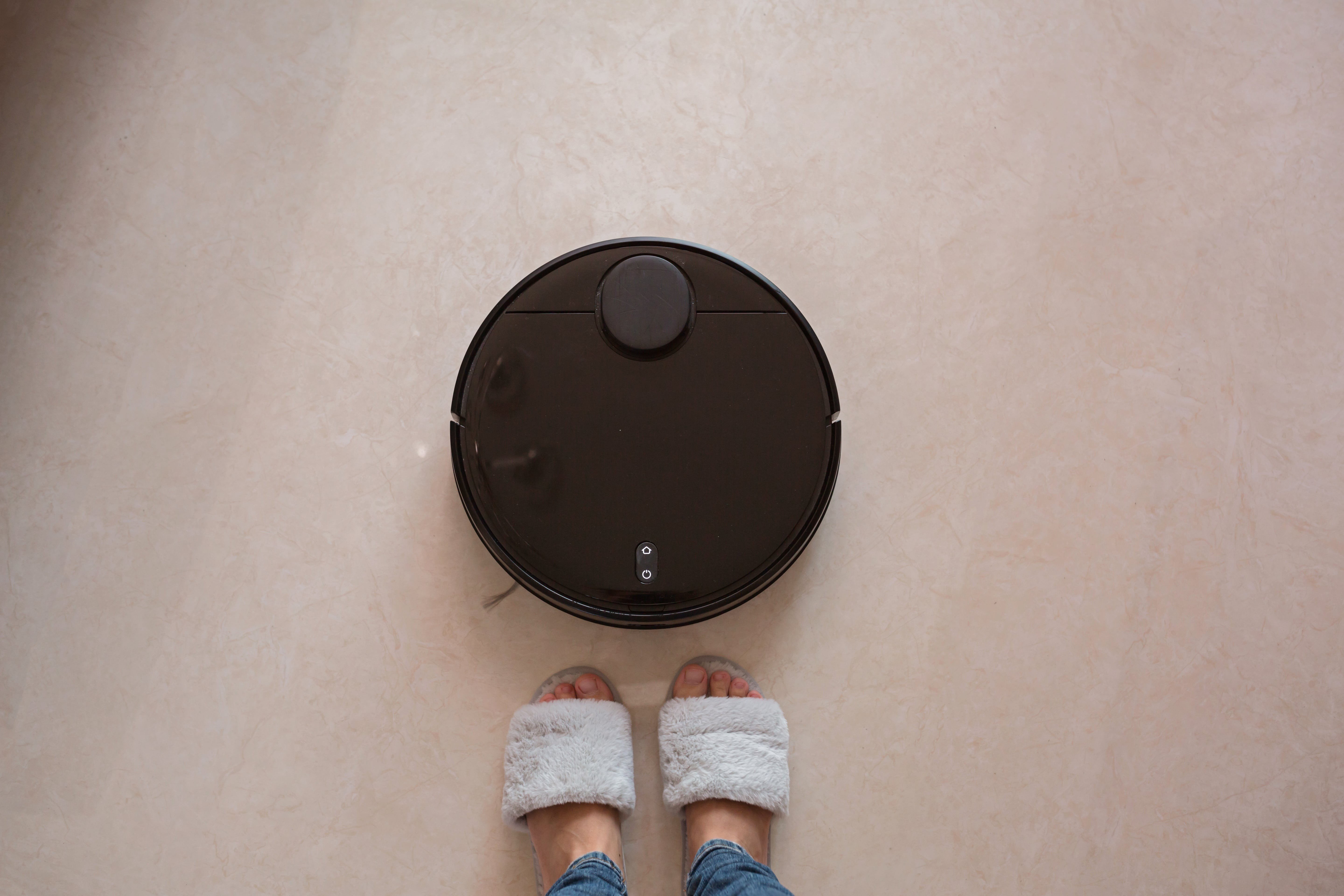
It Is The History Of Robotic Hoover
Robotic Hoovers: The Future of Home Cleaning
In current years, robotic hoovers have actually quickly gotten popularity as a hassle-free solution for modern home cleaning. These autonomous machines use effective and uncomplicated cleaning options, allowing property owners to maintain neat home without the laborious effort traditionally related to vacuuming. auto vacuum explores the functions of robotic hoovers, their benefits, and factors to consider for possible purchasers.
What is a Robotic Hoover?
Robotic hoovers, commonly called robotic vacuum cleaner s, are compact, automated gadgets developed to tidy floorings with very little human intervention. They utilize various technologies to browse around barriers, detect dirt, and adapt to different surfaces for ideal cleaning.
Secret Components of Robotic Hoovers:
Component
Description
Sensing units
Help in discovering obstacles and cliff edges
Brushes
Enable effective dust and particles elimination
Vacuum Mechanism
Suctions dirt into a collection chamber
Battery
Powers the unit for independent operation
Control Software
Makes it possible for navigation, scheduling, and cleaning mode modification
How Do Robotic Hoovers Work?
Robotic hoovers work through a mix of sensors, cameras, and expert system to browse and clean floors. Here's a general summary of their operation:
- Mapping and Navigation: Some advanced designs utilize LiDAR technology or video cameras to produce a map of the cleaning locations. Standard models might run utilizing bump sensing units, which set off reactions upon contact with challenges.
- Cleaning Patterns: Robotic hoovers typically follow organized cleaning patterns, such as zigzag or spiral, to guarantee thorough coverage. More advanced ones utilize algorithms to cover the entire area efficiently.
- Dirt Detection: Many models are geared up with dirt detection innovation that allows them to focus on especially dirty areas before moving on.
- Automatic Recharge: When the battery is running low, robotic hoovers immediately go back to their docking stations to recharge, guaranteeing they are constantly ready for the next cleaning cycle.
Benefits of Robotic Hoovers
Enhanced benefit is a leading advantage of robotic hoovers, however there are many other advantages worth thinking about:
- Time-Saving: Users can set cleaning schedules and leave the machine to do its work, permitting them to concentrate on other jobs.
- Consistent Cleaning: Robotic hoovers can keep daily or weekly cleaning routines, resulting in regularly cleaner floors.
- Multi-Surface Cleaning: Many models are capable of cleaning a variety of surfaces, including wood, tile, and carpet.
- Compact Design: The little size of robotic hoovers permits them to gain access to tight and hard-to-reach areas where traditional vacuums may have a hard time.
- Smart Features: Many robotic hoovers are now suitable with wise home systems, enabling users to begin and manage cleaning through smartphone apps or voice commands.
Disadvantages of Robotic Hoovers
Regardless of their various benefits, robotic hoovers also feature some disadvantages that prospective buyers need to keep in mind:
- Limited Suction Power: While they are efficient for routine upkeep, they may not change conventional vacuums for deep cleaning.
- Upkeep Requirements: Users require to routinely empty dust bins, tidy brushes, and change filters to keep optimum efficiency.
- Rate Point: High-quality robotic hoovers can be substantially more pricey than basic vacuum cleaners.
- Dependence on Flat Surfaces: While sophisticated designs can manage some obstacles, high shifts, overly thick carpets, or chaotic spaces might present difficulties.
Choosing the Right Robotic Hoover
When picking a robotic hoover, possible purchasers need to think about a number of crucial factors:
- Cleaning Needs: Consider the kinds of surfaces and the level of debris present in the home.
- Battery Life: Longer battery life enables more substantial cleaning sessions.
- Navigation System: Opt for models with innovative mapping abilities if your home is large or complex.
- Smart Features: Determine if integration with clever home devices is a top priority.
- Budget plan: Assess the balance in between desired features and cost.
Popular Features to Look For:
- Self-emptying Dock: Some models use self-emptying dust bins, minimizing upkeep efforts.
- Virtual Barriers: This function can keep the vacuum out of particular locations such as pet bowls or playing areas.
- Mop Functionality: Certain robotic hoovers can likewise mop floors in addition to vacuuming, providing deeper cleaning.
Frequently asked question Section
Q1: Do robotic hoovers work on carpets?
Yes, the majority of robotic hoovers are designed to clean a range of surfaces, consisting of carpets. However, performance may differ based on the specific model and type of carpet.
Q2: How regularly should I run my robotic hoover?
It is suggested to run the robotic hoover a minimum of as soon as a week for ideal home cleanliness. However, lots of users discover worth in daily cleaning.
Q3: Can I control my robotic hoover from another location?
Lots of contemporary robotic hoovers featured accompanying smart device apps that permit users to set up cleanings, track the vacuum's area, and control its operations from another location.
Q4: What maintenance does a robotic hoover need?
Regular upkeep consists of emptying the dustbin, cleaning brushes, and changing filters as required-- usually every 6 to 12 months.
Q5: Are robotic hoovers safe for animals?
Yes, a lot of robotic hoovers are safe for pets, however it's important to guarantee they do not get stuck or tangled in the gadget.
Robotic hoovers represent a substantial development in home cleaning technology. While they might not totally change conventional vacuum, their benefit and performance make them an attractive option for hectic families. By comprehending their functionality, benefits, and prospective disadvantages, customers can make educated choices when choosing a robotic hoover to improve their home cleaning regimens.