Fotona Laser Treatments Recovery Time: A Complete Guide
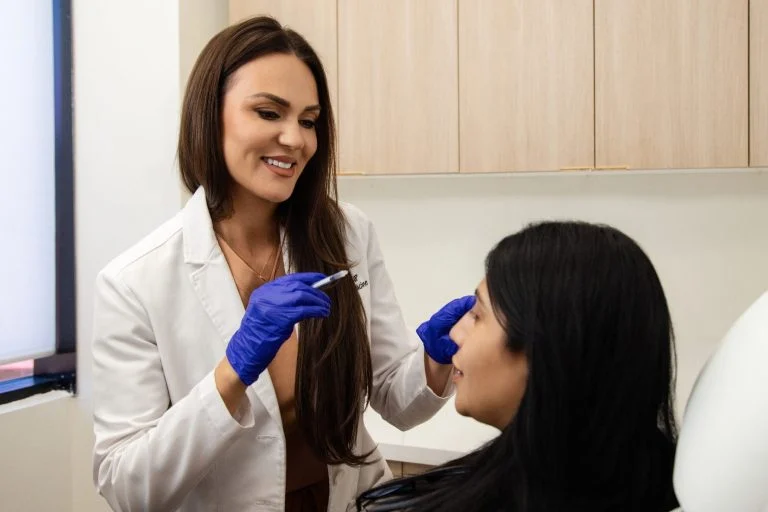
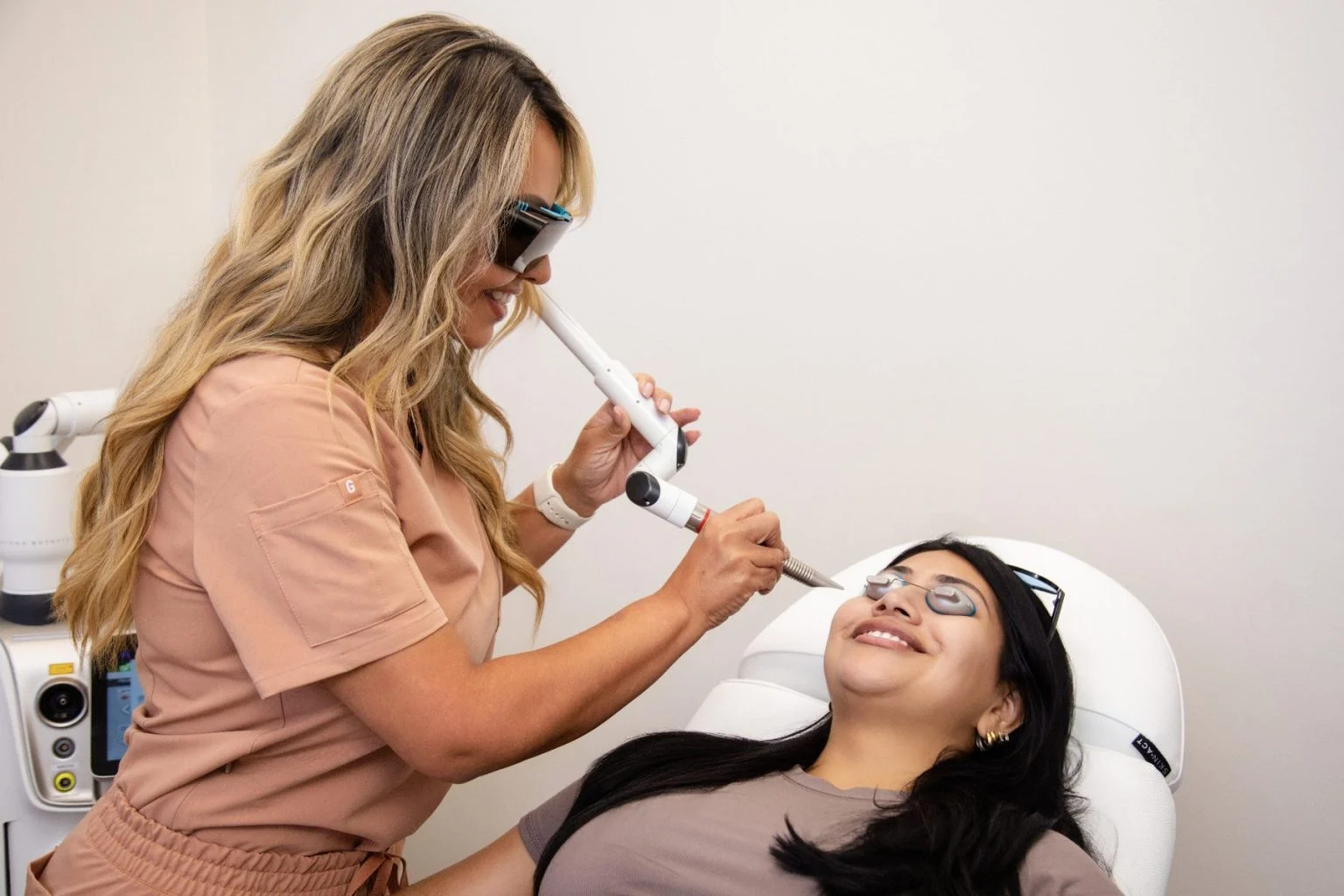
Recovery is often the deciding factor when people consider laser treatments. They want the skin tightening, pigment correction, texture improvement, or gynecologic and dental applications that Fotona systems are known for, but they also want to know a simpler thing first: how long will I look and feel like I had something done?
That is the right question to ask. Recovery after Fotona Laser Treatments is rarely a single, universal timeline. It depends on which Fotona protocol was used, how aggressive the settings were, the area treated, your skin type, your baseline sensitivity, and whether your provider combined more than one modality in the same session. Someone who has a gentle lunchtime treatment can be back at work with mild redness the same day. Someone who undergoes a deeper resurfacing session may need a week or more before the skin looks fully settled, and longer before the final result appears.
The useful way to think about recovery is in layers. There is immediate downtime, meaning what you look like in the first hours or days. There is functional recovery, meaning when you can comfortably return to normal activities such as exercise, makeup, shaving, or sex depending on the treatment area. Then there is biological recovery, meaning the longer period in which collagen remodeling, pigment normalization, and tissue repair continue beneath the surface. Most confusion comes from mixing those timelines together.
Why recovery varies so much with Fotona
Fotona is a platform, not a single treatment. That distinction matters. Many clinics use the term loosely, but different handpieces, wavelengths, pulse durations, and protocols can produce very different aftereffects.
A light Nd:YAG rejuvenation session can create transient warmth and redness that settles quickly. A fractional Er:YAG resurfacing treatment can leave the skin pink, rough, and flaky for days. A SmoothEye treatment around the eyes often causes swelling that looks more dramatic than it feels. A NightLase session for snoring has a recovery profile that is completely different from facial resurfacing because the target tissue is inside the mouth and throat rather than on visible skin.
This is why two people can both say they had Fotona and report completely different experiences. One goes out to dinner that evening. The other reschedules meetings for four days. Both can be telling the truth.
Provider technique also changes the picture. In experienced hands, settings are chosen to match your goals and your tolerance for downtime. If you say you cannot disappear from public view for a week, a careful practitioner may stage treatment over several sessions instead of pushing for a single intensive one. On the other hand, if your primary goal is maximal resurfacing for acne scars or etched lines, you may knowingly trade a longer recovery for a bigger single-session impact.
The main recovery patterns you can expect
Most Fotona Laser Treatments fall into one of three broad recovery categories.
The first is minimal downtime. This includes lighter rejuvenation protocols where the skin may feel warm, look pink, or appear slightly puffy for a few hours up to a day or two. Makeup often becomes possible fairly quickly, usually once the heat and immediate sensitivity have passed.
The second is moderate downtime. Here, the skin often looks red for several days, may feel tight or dry, and can develop a sandpaper texture before peeling lightly. This is common when treatment aims to improve fine lines, mild acne scarring, pore size, or pigment irregularity without doing a fully ablative resurfacing session.
The third is significant downtime. This is more typical of deeper resurfacing or stacked treatment protocols. Expect redness, swelling, a bronzed or frosted look early on, then crusting, peeling, and pinkness that can persist for days or even weeks depending on intensity and skin reactivity.
Those categories are broad, but they help ground expectations. The treatment name alone does not predict recovery nearly as well as the treatment depth and purpose.
Recovery by treatment type
Light rejuvenation and tightening sessions
For lighter facial treatments using Fotona’s Nd:YAG modes, downtime is often short. Patients usually describe a flushed appearance, similar to a brisk workout or a hot yoga class, plus a sensation of residual warmth. Mild swelling can happen, particularly in thinner-skinned areas like under the eyes or around the mouth.
In a typical case, redness fades within several hours to a day. Some people stay slightly pink into the next morning, especially if they are fair-skinned or prone to flushing. The skin can feel drier than usual for two or three days. It is common to notice that the face looks a bit more "set" or lifted only gradually over the following weeks rather than immediately. That is because collagen remodeling takes time, even when downtime is minimal.
A person with rosacea or reactive skin may look red longer than average. That does not necessarily mean anything went wrong. It does mean aftercare matters more, and any heat exposure in the first 48 hours can make the skin more reactive.
Fractional resurfacing with Er:YAG
This is the category that catches people off guard if they heard the word laser and assumed a spa-facial level recovery. Fractional Er:YAG resurfacing can be extremely effective, but it asks more of the skin.
Immediately after treatment, the skin often looks bright red. There may be pinpoint bleeding in stronger protocols, though that depends on settings. Swelling peaks in the first day or two, especially around the eyes. Then a rough, grid-like or bronzed texture often appears. Over the next three to five days, the skin can feel dry, itchy, and flaky as microscopic treatment columns heal and old surface material sheds.
For a moderate session, many people feel socially presentable by day four to seven, especially with gentle skincare and mineral makeup once cleared by their provider. For a more aggressive session, visible recovery can stretch to seven to ten days, with pinkness lingering longer. That persistent pink phase is part of why timing matters. If you have a wedding, a photo shoot, or a work conference, a deeper resurfacing treatment should not be booked casually a few days beforehand.
One practical point from clinic experience: patients often tolerate the first 24 hours better than days two and three, because the delayed roughness and swelling can make them feel the treatment is worsening. Usually that is normal evolution, not a setback.
SmoothEye and other periocular treatments
Treatments around the eyes deserve their own section because the recovery can look dramatic. The skin is thin, fluid shifts easily, and even minor inflammation becomes noticeable. Swelling often peaks the next morning. Some people wake up looking puffy enough to worry, though the sensation may be surprisingly mild.
That puffiness generally settles over two to four days. Redness can be mild to moderate depending on the protocol. Makeup around the area usually has to wait until the skin barrier has calmed and the provider says it is safe. Contact lens wearers sometimes prefer glasses for a day or two if the eye area feels irritated.
The common mistake here is scheduling treatment right before an event because the provider described it as non-surgical. Non-surgical does not mean invisible.
Acne scar and texture-focused protocols
When Fotona is used with more intensity to target acne scars, enlarged pores, or stubborn textural irregularity, recovery becomes more variable. Scar treatment often requires stronger settings, multiple passes, or combinations that create more swelling and a more obvious peeling phase.
In these cases, redness can last five to seven days or longer, and the skin may feel bumpy before it feels smooth. Old acne-prone skin can also become temporarily more reactive during healing. That can mean a few inflammatory breakouts, tiny whiteheads, or a prickly sensation from occlusive products if aftercare is too heavy. A thoughtful post-laser regimen usually solves this, but it helps to expect it so you do not assume the treatment failed.
NightLase and intraoral treatments
Not all Fotona Laser Treatments are cosmetic. NightLase, for example, is used to reduce snoring by tightening tissues in the oral cavity and oropharynx. Recovery here is usually easier than skin resurfacing. Most people feel warmth, mild throat dryness, or slight tenderness for a day or two. Eating and drinking are generally manageable the same day, though very hot, spicy, or abrasive foods may feel unpleasant at first.
Because there is no visible facial peeling, patients sometimes underestimate the need to rest irritated tissues. Hydration and avoiding irritants matter. If someone already has a sore throat, active infection, or significant mouth sensitivity, recovery can feel longer.
Intimate health treatments
Fotona systems are also used for certain gynecologic and intimate wellness protocols. Recovery is often mild, but activity restrictions can be specific. Some patients feel heat, pressure, or mild cramping immediately after treatment. Others feel almost nothing and then notice sensitivity later the same day.
Visible downtime is usually limited, but internal tissue recovery still matters. Providers often recommend a temporary pause on intercourse, tampons, vigorous exercise, or hot tubs, depending on the indication and settings used. This is a good example of why "downtime" and "healing time" are not the same thing.
What the first week usually looks like
A typical healing arc follows a recognizable pattern, especially for facial treatments. Right after the session, heat and redness are dominant. During the first 24 hours, swelling can increase. The second and third days often bring tightness, dryness, bronzing, or a sandpapery feel. The middle of the week is when flaking or micro-peeling tends to become more obvious. By the end of the first week, many people look much improved on the surface, though pinkness can linger.
That said, there are exceptions. Some patients barely peel and still get good results. Others swell impressively but heal beautifully. Heavier swelling does not always mean a better result, and lighter swelling does not mean nothing happened. Individual inflammatory response differs more than people expect.
If the treatment targeted pigment, dark spots may temporarily look darker before they lighten. That can be unsettling if nobody warned you. It is often part of the process, especially when excess pigment rises toward the surface before shedding.
Skin type, lifestyle, and recovery speed
Recovery is not only about the laser. It is also about the terrain the laser is working on.
Skin that is already inflamed, over-exfoliated, sunburned, or barrier-impaired tends to heal more slowly. Smokers often have less predictable tissue repair. People who use retinoids, acids, benzoyl peroxide, or harsh scrubs right up until treatment can feel more post-laser irritation. Athletes who return immediately to sweat-heavy workouts often prolong redness. Patients with melasma or a history of post-inflammatory hyperpigmentation need especially careful planning because excess heat and inflammation can trigger pigment even when the treatment itself was technically successful.
Age also plays a role, though not always in the obvious way. Mature skin can take longer to renew visibly, but younger acne-scarred skin is sometimes more inflamed and oil-reactive, which creates its own healing challenges. The better predictor is not age alone but overall skin health and how carefully aftercare is followed.
The aftercare habits that make the biggest difference
People often want a complicated recovery plan. In practice, successful laser aftercare is usually simple and disciplined. The goal is to protect the barrier, limit inflammation, and avoid friction, heat, and unnecessary ingredients while the skin closes and recalibrates.
Here are the aftercare basics that matter most:
Use only the products your provider recommends for cleansing, moisturizing, and sun protection, especially for the first several days. Avoid heat exposure, hard exercise, hot showers, saunas, and steam until redness and swelling have clearly improved. Do not pick, scrub, shave aggressively, or pull peeling skin, even when the flaking phase becomes annoying. Pause active ingredients such as retinoids, exfoliating acids, and strong acne treatments until the skin has fully settled. Be meticulous with sun avoidance and broad-spectrum sunscreen once the provider says sunscreen is appropriate.
The patients who heal best are rarely the ones doing the most. They are the ones doing the least, consistently and correctly.
Makeup, work, exercise, and social plans
These are the practical questions people usually ask last, but they often should come first.
Makeup timing depends on the treatment depth. After very light sessions, some providers allow it within a day. After stronger resurfacing, it may be several days before makeup sits well or is advisable. Even when it is technically allowed, applying foundation over flaking skin often looks worse than going bare-faced with a little strategic scheduling.
Work return depends on your job and your comfort level. If you work remotely, recovery is easier to manage. If you work face-to-face in a polished environment, even moderate redness may feel too visible. This is less about safety than social acceptability and personal confidence.
Exercise is one of the most common recovery saboteurs. A hard workout too soon can amplify redness and swelling. For light treatments, 24 to 48 hours may be enough. For deeper resurfacing, several days is often wiser. A patient who restarts hot yoga on day two after resurfacing and then wonders why the face feels hot and blotchy has usually answered their own question.
If you are planning around an event, build in more time than the clinic’s optimistic minimum. A provider may say three to five days of downtime, and medically that may be true. Socially, especially if photographs matter, seven to ten days can be the safer buffer for many people.
What is normal, and what deserves a call to your provider
Normal recovery can include redness, swelling, warmth, dryness, tightness, bronzing, flaking, mild tenderness, and temporary darkening of pigment. For treatments around the eyes, puffiness is common. For intraoral treatments, mild throat dryness or tenderness can happen. These responses usually evolve gradually and improve in a steady direction.
Contact your provider promptly if you notice any of the following:
Pain that is severe, escalating, or out of proportion to what you were told to expect Spreading redness with marked tenderness, especially if it appears to worsen after the early recovery window Oozing, pus, foul odor, or crusting that looks yellow and infected rather than dry and healing Blistering, open raw areas that enlarge, or unexpected dark discoloration Fever, chills, or any symptom that suggests a broader reaction rather than local healing
A good clinic would much rather answer an early question than treat a delayed complication.
The longer timeline people forget about
One of the more frustrating truths about laser treatment is that visible healing and final results are not synchronized. You may be camera-ready before the real benefit has fully developed. Or the skin may look smooth quickly while deeper tightening continues for months.
For resurfacing and rejuvenation, meaningful collagen remodeling commonly unfolds over six to twelve weeks, sometimes longer. Pigment can continue to normalize over several cycles of epidermal turnover. Tissue tightening after certain protocols may improve gradually rather than all at once. This is why people sometimes feel underwhelmed at day ten and much happier at week eight.
It is also why spacing matters. Providers typically leave enough time between sessions for the tissue response to declare itself. Doing treatments too close together in pursuit of faster results can lead to more inflammation without proportionate benefit.
Questions worth asking before you book
The best recovery advice comes before the laser is ever turned on. A consultation should make the plan feel specific, not generic. Ask what exact Fotona treatment is being proposed, what downtime is typical in that clinic’s hands, and what the realistic day-by-day recovery looks like for your skin type. Ask whether the treatment is intended to be no-downtime, moderate-downtime, or a more aggressive resurfacing approach. Ask what would happen if you need to attend work or an event sooner than expected.
It is also worth asking what the provider wants you to stop using before treatment. Patients often focus on what to do after the session and forget that good recovery starts with sensible skin prep. If you have a history of cold sores, pigment issues, eczema, or unusual scarring, bring that up before treatment day, not afterward.
A provider with real experience will rarely promise a perfectly uniform recovery. They will give a range, explain variables, and make sure your appetite for downtime actually matches the treatment plan.
Setting expectations that protect your results
The most satisfied patients are not always the ones who healed fastest. They are usually the ones whose expectations matched reality. If you understand whether your treatment is likely to give you one day of pinkness or a week of peeling, you can plan your calendar, products, exercise, and social life accordingly. That reduces stress, and stress matters more than people think during recovery.
Fotona Laser Treatments can offer excellent results across a wide range of concerns, but they are not all "lunchtime lasers," and they are not all heavy resurfacing either. The recovery lives somewhere on a spectrum. Knowing where your treatment falls on that spectrum is the key to making a smart decision.
If you remember one practical rule, make it this: judge your treatment by the protocol, not the brand name alone. The word Fotona tells you the family of technology. It does not tell you how your face, throat, or body will look tomorrow morning. Only the specific treatment plan can https://www.google.com/maps?cid=15747598012322768060 do that.
OMNIA Wellness Center
Address: 16430 Ventura Blvd Ste 207, Encino, CA 91436
Phone number: +18183868511
FAQ About Fotona Laser Treatments
What is a Fotona laser good for?
A Fotona Laser system is a versatile, dual-wavelength medical laser used primarily for non-surgical skin tightening, anti-aging rejuvenation, and dermatological treatments.
How much does the Fotona laser cost?
The cost of a Fotona laser depends heavily on whether you are looking to purchase a laser machine for a medical practice or are a patient seeking a laser treatment at a medspa.
Is a Fotona laser worth it?
A Fotona laser treatment is generally worth it if you want non-surgical skin tightening, improved texture, and collagen stimulation with very little downtime.