How Florists Source Unusual Flowers
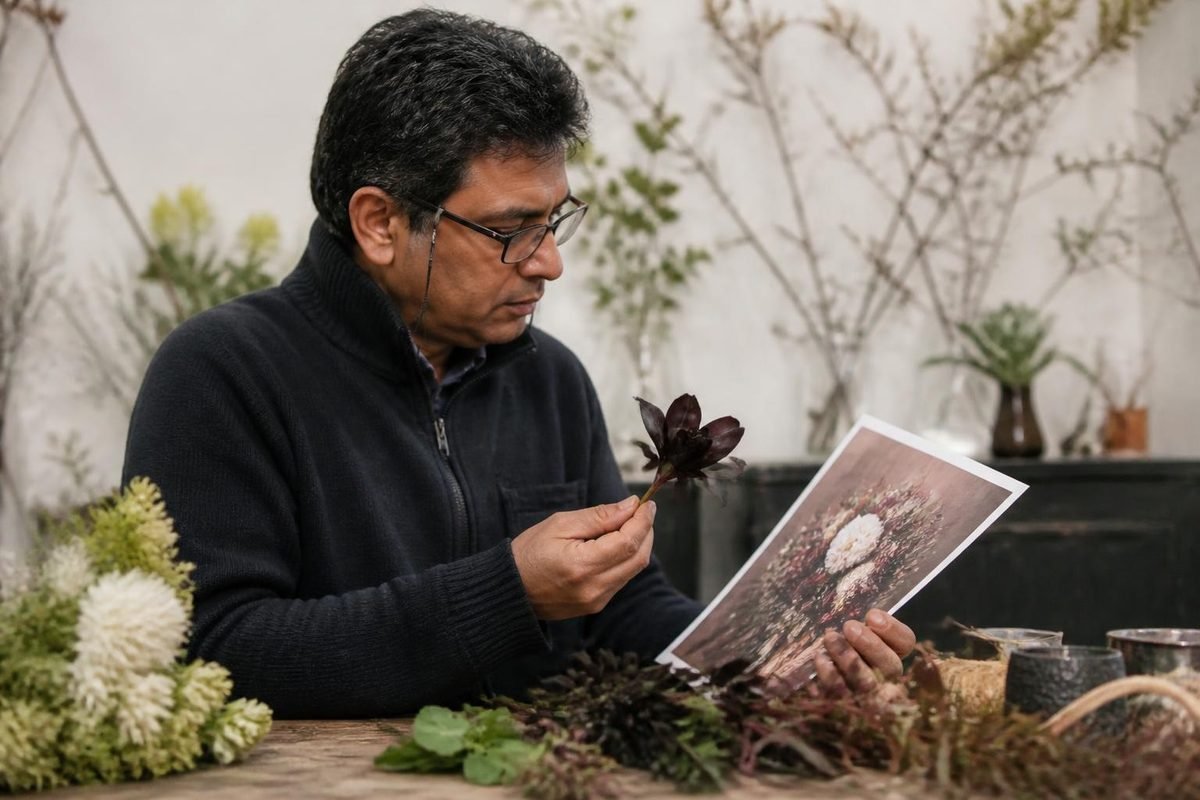
Florists source unusual flowers by asking growers, wholesalers, and specialist suppliers about current availability and ordering flowers that are not part of their regular stock. The search depends on the flower's season, where it grows, how well it travels, and how much notice the customer can give.
Starting with the request
A florist first needs to identify the flower as precisely as possible. A common name can refer to more than one plant, so a botanical name or a clear reference photo can help. Color matters too: a flower described as peach, for example, may look pink or orange to someone else.
The florist will also ask about the event date, the number of stems needed, and how the flowers will be used. A bloom suitable for a vase may be too delicate for a boutonniere. These details help the florist decide which suppliers to contact and which alternatives might work.
Finding a supplier
Florists often begin with wholesalers that already supply their regular flowers. A wholesaler may be able to check stock at a flower market or ask its growers about a special order. Florists may also contact local farms or specialist growers directly, particularly for flowers that are best used soon after cutting.
For a request that cannot be filled nearby, a supplier may look to growers in another region or country. That does not guarantee success. Harvest dates, transport conditions, import rules, and the time needed to fill an order can all limit what is available.
Before confirming a request, a florist may need to check:
The expected harvest and delivery dates.The minimum quantity a supplier will sell.The likely color, size, and condition of the blooms.How long the flowers can be stored before use.
Planning for changes
Unusual flowers can be difficult to promise far in advance. Weather can affect a crop, and a supplier may not know the final stem count until harvest. Even flowers from the same variety can vary in shade or shape.
A florist will often discuss a substitute before placing an order. The best choice depends on what matters most to the customer: the exact species, a particular color, or the overall look of the arrangement. Agreeing on that priority makes a last minute change easier to handle.
Once the flowers arrive, the florist checks their condition, trims the stems, and places them in water as appropriate for the variety. Some flowers need more time than others to open, so delivery timing matters as much as the date of the event.
Questions to ask
How early should I make a request?
Ask as soon as you know the date and the flower you want. Extra notice gives the florist more time to contact suppliers and discuss alternatives.
Can a florist guarantee an exact flower?
Not always. Availability and quality can change between the order and harvest, so ask what the florist can confirm and how substitutions will be handled.
Does a reference photo help?
Yes. It shows the color and shape you have in mind, though lighting and editing can make a flower look different in a photo.
A good companion read: gift delivery abroad guide