<h1>Asbestos in Floor Tiles and Plastic: What to Seek</h1>
To look for asbestos in floor ceramic tiles and plastic, search for smooth, multicolor, or marbled tiles in low-key earth tones, frequently 9"x9" or 12"x12", set up in between the 1920s and 1980s. Brand names like Armstrong or Kentile are higher danger. Hidden layers and adhesives may likewise contain asbestos. Only laboratory screening offers a particular solution-- do not disrupt products. If you wish to with confidence acknowledge threats, understand screening, and take care of removal safely, there's more that can direct you even more.
Takeaways
- Asbestos flooring ceramic tiles usually have actually bespeckled, marbled, or speckled patterns and be available in 9"x9", 12"x12", or 18"x18" sizes.
- High-risk installation years are 1920s-- 1980s, with peak usage in the 1950s-- 1970s, particularly from brands like Armstrong, Kentile, and Congoleum.
- Asbestos prevails in surprise layers, support, or adhesives, even if the floor tile surface area appears intact.
- Only accredited lab testing can effectively determine asbestos in tiles or plastic-- visual evaluation alone is undependable.
- Stay clear of troubling thought asbestos floor tiles; disturbing or removing them can release dangerous fibers and needs expert handling.
How to Recognize Asbestos Floor Floor Tiles
Identifying whether flooring ceramic tiles have asbestos needs careful observation and, in a lot of cases, lab screening. You'll intend to start by examining the tile's look. Asbestos ceramic tiles commonly include unique vintage patterns, such as varicolored or polychromatic layouts, that were preferred in mid-20th century installments. Examine for ceramic tile dimensions-- 9x9 inches is an usual dimension for asbestos-containing items. While visual hints assist, they're not clear-cut. If you presume asbestos, do not interrupt the tiles; disturbing them can release hazardous fibers. Instead, make use of maintenance pointers concentrated on decreasing friction and stopping damage, like routine gentle cleaning and preventing sanding or scratching. For conclusive identification, you'll need to send out a sample to a qualified laboratory, as only professional analysis can verify the visibility of asbestos fibers.
Years and Brands More Than Likely to Have Asbestos
While asbestos was extensively made use of in building products throughout much of the 20th century, flooring ceramic tiles and plastic items made in between the 1920s and late 1980s are more than likely to include this hazardous material. If you're evaluating your flooring, it's important to concentrate on both the age and origin of your materials. Historical brand names and producing procedures play a considerable duty in asbestos visibility. Bottom line to remember include:
- 1920s-- late 1980s: The majority of asbestos-containing floor tiles and vinyl were produced in this duration.
- Historical brands: Armstrong, Kentile, Congoleum, and Amtico were known for using asbestos in their manufacturing procedures.
- Ceramic tile size: 9"x9" and 12"x12" tiles from these years are particularly suspicious.

- Product type: Both asphalt-based and vinyl-based items typically had asbestos fibers.
Where Asbestos Is Found in Plastic and Floor Tiles
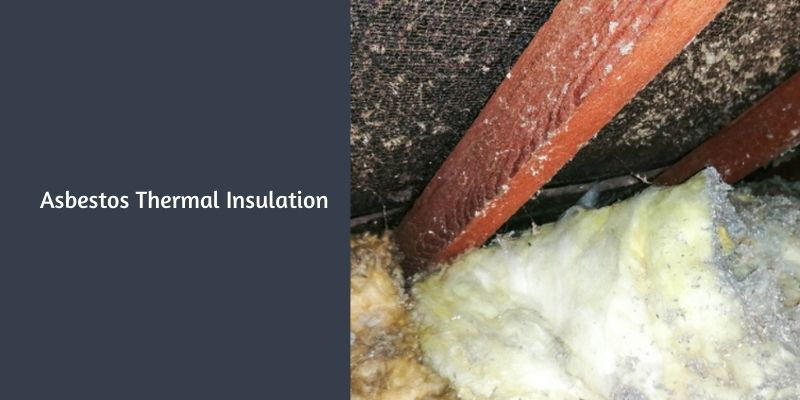
You'll typically encounter asbestos in floor ceramic tiles and vinyl, specifically in kitchen areas, restrooms, and basements set up throughout risky years. It's not simply in the visible surface area-- concealed layers, adhesives, and supports can all consist of asbestos fibers. Recognizing these usual places and products helps you assess your home's possible direct exposure precisely.
Usual Areas in Homes
Numerous older homes consist of asbestos within floor ceramic tiles and plastic products, specifically in locations exposed to regular moisture or heavy foot website traffic. When you're assessing your home, pay attention to details areas where asbestos-containing items were typically mounted for longevity and water resistance. These materials are typically located in:
- Cellars-- Vinyl and floor tiles were made use of below to combat constant wetness and ground-level moisture.
- Cooking areas-- Asbestos was favored for ceramic tiles due to constant spills, warm, and cleansing demands.
- Shower rooms-- High dampness degrees made asbestos plastic flooring a practical option.
- Attic storage and crawlspaces *-- Floor floor tiles in attic storage space* areas and rooms affected by crawlspace dampness frequently consist of asbestos for included sturdiness.
Understanding these usual areas can help you determine prospective asbestos threats in your house.
Hidden Layers and Backings
Under the noticeable surface area of floor ceramic tiles and plastic, asbestos is frequently concealed within covert layers and backing materials that aren't right away evident. You'll discover that asbestos was typically used in the backing of vinyl sheet floor covering and in the mastic or hidden adhesives securing tiles to the subfloor. These parts are often neglected since they're not noticeable without lifting the flooring. Gradually, backing wear and tear can occur, releasing asbestos fibers if the product is disrupted during improvement or removal. It is necessary to comprehend that even if the surface area appears undamaged, the underlying layers may still pose a health and wellness danger. Determining these hidden asbestos-containing products needs careful assessment, typically by professionals, to stop unneeded exposure throughout any type of work with existing floor covering systems.
High-Risk Installation Years
Recognition of covert asbestos layers is just component of secure flooring evaluation; it's equally vital to identify the specific years when asbestos usage in vinyl and flooring ceramic tiles peaked. If you're examining industrial buildings or preparing restorations, knowing these risky installment periods assists you identify prospective restoration threats. Asbestos use in flooring was most widespread from the 1920s via the 1980s, however particular decades present greater problem.
Here are the vital years to see:
- 1920s-1940s: Very early fostering in business and institutional flooring.
- 1950s-1960s: Highest possible manufacturing and installation prices; extensive in both homes and businesses. https://alexandrapalaceasbestosremoval.co.uk/services/garage-shed-roof-removal.html
- 1970s: Industry requirement for plastic ceramic tiles and sheet floor covering.
- Early 1980s: Steady phase-out, yet still present in stocks and installations.
Constantly evaluate these durations before interrupting old flooring.
Visual Indications of Asbestos Floor Floor Tiles
When examining flooring tiles for asbestos, you'll want to try to find details visual indicators such as common tile sizes, distinct color scheme, and unique surface area textures. You might discover floor tiles measuring 9x9 inches, soft earth tones, or a multicolor appearance, every one of which can signal potential asbestos web content. It's crucial to evaluate these functions closely, as they can supply critical clues before any sampling or screening is performed.
Typical Floor Tile Size Indicators
Many older flooring ceramic tiles-- especially those mounted before the 1980s-- were manufactured in details dimensions that can serve as crucial visual ideas for determining prospective asbestos material. If you're checking out a floor and wish to evaluate its danger, paying close interest to tile dimensions and pattern repeats is essential. Asbestos-containing floor tiles typically adhere to identifiable size conventions. Here are 4 usual signs to seek:
- 9-inch by 9-inch floor tiles-- This size is strongly associated with asbestos use in mid-20th-century flooring setups.
- 12-inch by 12-inch tiles-- Though still typical today, some early variations had asbestos.
- 18-inch by 18-inch floor tiles-- Less constant, but existing in particular asbestos-era items.
- Regular pattern repeats-- Uniform patterns might aim to mass-manufactured, asbestos-containing ceramic tiles.
Unique Color Scheme
Beyond floor tile dimension, color scheme supply an additional layer of proof in identifying feasible asbestos floor ceramic tiles. You'll often discover retro patterns, which were specifically popular from the 1920s through the 1980s-- exactly when asbestos was commonly utilized. These patterns generally consist of geometric shapes, varicolored layouts, and marbled results that aren't as widespread in modern-day floor covering products. Pay attention to low-key earth tones and terracotta shades, as these shades often show up in older floor tile products that could consist of asbestos. It is necessary to bear in mind that color alone isn't conclusive proof, but particular mixes-- such as olive eco-friendlies, ochres, and deep browns-- are characteristic of the age. By carefully analyzing these distinctive color scheme, you'll boost your capability to flag tiles that can possibly have asbestos.
Surface Area Structure Ideas
Often, you'll discover that asbestos-containing floor tiles show a distinctly smooth or subtly lumpy surface, distinctive from the a lot more obvious textures located in modern-day vinyl floor covering. When assessing these tiles, pay attention to the tactile and visual signs that might indicate asbestos web content. Unlike contemporary items, asbestos floor tiles seldom display a harsh appearance or prominent grains. You're more probable to observe a constant, sometimes glossy finish, though too much gloss is unusual. Make use of the adhering to listing to assist you recognize prospective asbestos-containing tiles:
- Smooth, uniform surfaces without apparent grooves or embossing.
- Marginal surface gloss; a soft luster instead of a high-gloss coating.
- Refined dimpling, instead of harsh structure or heavy patterns.
- Lack of deepness or layering frequently present in modern plastic styles.
Aesthetic and Lab Techniques to Determine Asbestos Ceramic Tiles
Accurately identifying asbestos in floor ceramic tiles and plastic needs a mix of visual inspection and laboratory analysis. You'll initially look for indications, such as floor tile size (frequently 9x9 inches), color, and manufacturer markings, however these cues alone aren't definitive. For conclusive results, examples should be sent to a qualified research laboratory. There, microscopy methods-- such as polarized light microscopy (PLM)-- are used to examine fibers at high zoom, distinguishing asbestos from similar products. Additionally, spooky evaluation approaches like Fourier-transform infrared spectroscopy (FTIR) or X-ray diffraction (XRD) aid validate the mineral's distinct chemical trademarks. Counting solely on aesthetic ideas can result in misidentification, so laboratory analysis is essential for accurate assessment. Do not attempt tasting yourself; seek advice from professionals learnt asbestos handling.
Wellness Risks of Disturbing Asbestos Flooring Shingles
If you interrupt asbestos floor tiles, you take the chance of releasing microscopic fibers right into the air, which are conveniently inhaled. These air-borne fibers can trigger lasting respiratory system issues such as asbestosis and chronic lung impairment. Over time, exposure is additionally linked to serious conditions, consisting of lung cancer cells and mesothelioma.
Airborne Fiber Exposure Threats
When asbestos-containing floor ceramic tiles are interrupted-- through remodelling, elimination, or also aggressive cleaning-- the material can release microscopic asbestos fibers right into the air. You can't see or scent these fibers, yet they posture significant threats if breathed in. The level of air-borne fiber direct exposure depends upon exactly how much disruption occurs and the efficiency of occupational surveillance. Proper controls are important to lessen bit dispersion and limitation direct exposure. Consider these essential factors:
- Disturbance Type: The much more hostile the task, the greater the fiber launch.
- Bit Diffusion: Air motion and ventilation can spread fibers rapidly throughout an area.
- Job-related Surveillance: Normal air tasting is imperative for identifying risky fiber concentrations.
- Containment Procedures: Making use of barriers and HEPA filters can minimize airborne fiber movement indoors.
Long-Term Respiratory Effects
Although asbestos floor tiles might appear stable when undisturbed, interrupting them can lead to the release of fibers that significantly increase your threat of establishing persistent breathing conditions. When you breathe in these fibers, they can become trapped deep in your lung tissue, causing inflammation and scarring with time. Occupational direct exposure, specifically with repeated call or insufficient safety steps, substantially boosts these risks. Regular respiratory system monitoring is crucial, as symptoms typically develop gradually and may not show up until substantial damages has happened.
Health and wellness Effect
Common Beginning
Secret Sign
Persistent Bronchitis
Years
Relentless coughing
Pulmonary Fibrosis
Years
Shortness of breath
Pleural Thickening
Years-- Years
Breast pain
Lowered Lung Feature
Years
Exhaustion
Air passage Blockage
Years
Hissing
Cancer and Condition Hyperlinks

While asbestos flooring ceramic tiles may appear safe when undamaged, disrupting them can posture substantial cancer causing threats due to the release of airborne fibers. When you breathe in these fibers, they can lodge in your lung cells, causing extreme wellness end results gradually. Asbestos epidemiology has shown clear web links in between direct exposure and hatreds, especially mesothelioma, an unusual and aggressive cancer. Recognizing the mesothelioma mechanisms underscores why direct exposure is so unsafe-- fibers cause chronic swelling, DNA damages, and cellular anomalies.
Here are four essential cancer and disease web links to be knowledgeable about:

- Mesothelioma: Straight linked to asbestos fiber breathing.
- Lung Cancer cells: Risk boosts with cumulative direct exposure.
- Asbestosis: Chronic lung disease from fiber build-up.
- Other Cancers cells: Laryngeal and ovarian cancers cells have recorded associations.
What to Do If You Suspect Asbestos in Your Floorings
If you assume your floors may include asbestos, it's important to avoid disrupting the product, as asbestos fibers can come to be air-borne and pose considerable health and wellness risks when breathed in. Don't sand, cut, or draw up old floor tiles or plastic. Instead, decrease foot website traffic and maintain children and pets away from the location. Consider the significance of emotional support, given that discovering prospective asbestos in your home can be stressful. Similarly, begin financial preparation for potential abatement or removal prices, as specialist removal can be expensive. Paper any type of believed areas for referral and interact plainly with home participants. The table below sums up immediate steps:
Step
Why It is very important

Avoid disruption
Stops fiber release
Limitation gain access to
Reduces exposure threat
Seek support/planning
Addresses tension, costs
Do It Yourself Testing Kits Contrasted to Expert Assessments
After taking steps to reduce disturbance and direct exposure, you'll need to verify whether asbestos is really present in your flooring tiles or vinyl. You have the option to use do it yourself screening sets or hire a professional inspector. Below's a detailed analysis to assist you decide:
- Home Tasting: DIY kits permit you to accumulate examples on your own, yet improper strategy can raise exposure danger.
- Expert Examinations: Licensed inspectors adhere to rigorous protocols, minimizing contamination and making certain accuracy.
- Expense Comparison: do it yourself sets are cheaper (typically $30--$60), while expert evaluations array from $250--$800.
- Outcome Reliability: Lab-tested do it yourself examples can be accurate, but specialist evaluation is much more dependable due to experience and oversight. here
Your selection relies on budget plan, self-confidence in home tasting, and your requirement for specific outcomes.
Just How to Take Care Of Suspected Asbestos Flooring Securely
Even when you doubt whether your flooring ceramic tiles or vinyl include asbestos, it's crucial to deal with any type of suspicious material with care to prevent harmful fiber release. Stay clear of disrupting the flooring-- do not sand, scrape, or drill, as these actions can launch microscopic fibers right into the air. If an item becomes loose, carefully cover it with plastic bed linen and tape to lessen direct exposure. Use moist fabrics to clean surfaces nearby, never ever completely dry sweeping or vacuuming, as this may spread fibers. Store any kind of gathered particles in secured, labeled bags; proper storage space is necessary to lower risk throughout handling. Maintain emergency situation preparedness: recognize whom to speak to in situation of unexpected disturbance and have individual protective tools available. Constantly focus on control and lessen activity around thought asbestos areas.
Lawful Needs for Eliminating Asbestos Flooring Ceramic Tiles
While asbestos floor ceramic tiles may seem harmless when undisturbed, their removal is regulated by rigorous lawful requirements to protect public health and wellness and security. As a residential property proprietor, you should comprehend your lawful commitments before beginning any kind of removal procedure. Federal, state, and neighborhood regulations require you to follow details actions to guarantee conformity and reduce asbestos direct exposure. Here's what you require to recognize:
- Notice: Alert appropriate ecological authorities before elimination starts, as mandated by regulation.
- Licensing: Only licensed professionals are allowed to eliminate asbestos-containing products; unlicensed elimination is unlawful.
- Work Practices: Strict control, moistening techniques, and usage of individual protective devices are required during elimination.
- Disposal Treatments: You need to transport asbestos waste to accepted facilities, complying with all labeling and documentation policies.
Non-compliance can cause serious penalties.
Exactly how to Pick an Asbestos Floor Covering Removal Contractor
Selecting the right asbestos floor covering removal service provider needs careful evaluation of qualifications, experience, and regulatory conformity. You ought to verify that only accredited professionals, certified for asbestos reduction, are taken into consideration. Examine their performance history by requesting references and assessing previous tasks comparable to your own. Confirm that the contractor sticks to federal, state, and local guidelines, consisting of correct disposal techniques and employee security procedures. Before choosing, obtain thorough removal estimates from several contractors. These quotes ought to detail project range, control approaches, tools utilized, timelines, and overall prices. Very carefully compare these propositions for completeness and transparency. Don't think twice to inquire about liability insurance and employee training accreditations. By complying with these actions, you'll decrease wellness threats and guarantee that your asbestos floor covering is eliminated securely and effectively.
Frequently Asked Questions
Can Asbestos in Flooring Tiles Affect Indoor Air Top Quality In Time?
Yes, asbestos in flooring ceramic tiles can affect interior air high quality over time if the tiles become damaged or deteriorate. You're at danger of lengthy term exposure when microscopic fibers are released right into the air and breathed in. Asbestos fibers are undetectable to the naked eye, so you will not see them, but they can build up in your lungs, causing major wellness threats. Intact tiles usually posture little risk unless disrupted or gotten rid of poorly.
Are Animals at Danger From Asbestos-Containing Floor Shingles?
Yes, your animals go to danger from asbestos-containing floor ceramic tiles if the floor tiles are damaged or disrupted. Pet exposure can happen when pets scrape, chew, or dig at wearing away ceramic tiles, causing asbestos fibers to end up being airborne. For ideal animal safety, it's vital to prevent animals from accessing locations with jeopardized floor tiles. Inhalation of asbestos fibers can result in respiratory system concerns in pets, comparable to those found in humans, so expert analysis is advised.
Does Insurance Coverage Cover Asbestos Floor Tile Removal Costs?
No, your typical homeowner's insurance policy commonly does not cover asbestos floor ceramic tile elimination costs, as it's considered a upkeep concern instead of unexpected damages. If coverage exists, it's frequently restricted by your policy's insurance coverage deductibles and obligation restrictions. Some plans might pay if asbestos is disturbed by a covered peril, like fire, however you'll require to evaluate your specific plan information and consult your insurer to comprehend your exact coverage and exemptions.
Can I Sell My Residence if It Has Asbestos Flooring Ceramic Tiles?
Yes, you can offer your home if it has asbestos floor tiles, however you're legally called for to provide buyer disclosure concerning the visibility of asbestos. Many customers may request removal or work out money incentives to counter removal prices. Lenders and assessors may also have certain demands. view site You shouldn't conceal asbestos-related problems, as nondisclosure can lead to lawful effects after the sale. Openness assurances conformity and helps help with a smoother property deal.
Just How Should Asbestos Particles From Flooring Shingles Be Disposed Of?
Handling asbestos particles is like dealing with a resting dragon-- you do not desire to stimulate danger. You require to place all debris in thick, leak-proof bags or secured containers for correct containment. Each plan must have clear risk labeling indicating asbestos web content. Don't surrender the regular trash; instead, organize for disposal at a qualified contaminated materials center. Constantly follow regional laws to guarantee safe, legal, and liable asbestos waste management.