A guide to the naughty chick modern fairy tale
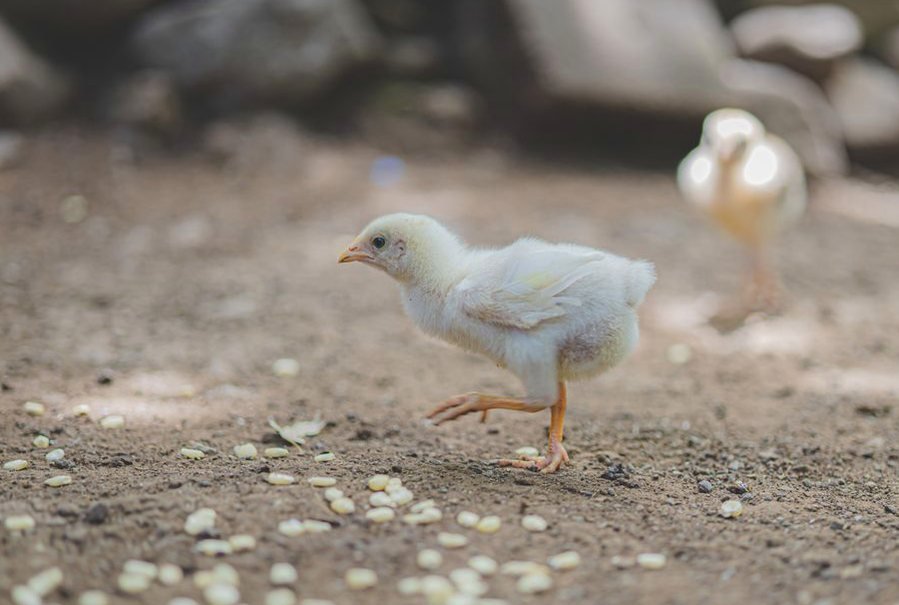
The naughty chick modern fairy tale follows a young yellow chick who wanders away from his mother and gets lost in tall grass. A cat approaches him, but a crow scares the predator away before the hen finds her missing child. The story teaches children to stay close to trusted adults, listen to warnings, and think carefully about who offers help.
What happens in the story
The tale begins during a warm summer evening after a shower. A speckled hen leads her chicks across the lawn and searches the damp earth for worms. The chicks gather around her, but two of them argue over the same worm and lose it while they quarrel.
One chick creates the greater danger by wandering away from the group. He soon becomes lost in thick grass and starts cheeping for his mother. His small voice attracts a neighbour’s ginger cat, which crouches low and moves towards him.
A crow sees the scene from an old branching tree. She flies down suddenly and swoops at the cat. Startled, the cat runs into dense shrubbery. The crow does not stay with the chick, so the rescue remains brief and uncertain until the hen notices that one of her chicks is missing.
The mother searches the lawn and hears movement in the tall grass. When the chick recognises her call, he pushes through the blades and rushes back. The hen scolds him for leaving, then finds him a large worm. Her response combines a clear warning with care, which makes the lesson easier for a young listener to understand.
Why the moral works for children
The story presents danger through familiar actions rather than frightening detail. The chick does not obey the group, becomes isolated, and attracts an animal that may harm him. Children can follow the chain of events without needing an abstract explanation about personal safety.
The tale also shows that help may come from an unexpected direction. The crow is boastful and possibly interested in the chick herself, yet her sudden attack interrupts the cat’s approach. The story does not describe the crow as a perfect hero. That distinction gives parents a useful opening to discuss caution: a child should seek a trusted adult instead of relying on a stranger or animal.
The argument between the two chicks adds another lesson. Their quarrel over the worm wastes time and lets the food escape. For young readers, this scene connects selfish behaviour with a direct result, while the missing chick’s mistake carries a more serious consequence.
How to read the tale aloud
Read the opening slowly, giving the evening setting a calm rhythm. The long shadows, breeze, birds, daisies, and shining drops create a peaceful background before the plot becomes tense.
Change your voice when the cat begins to creep through the bushes. A lower, quieter tone can signal danger without making the scene too intense. The crow’s sharp call should sound sudden, while the hen’s clucking can become urgent as she searches.
- Ask the child where the chick should have stayed.
- Point out the moment when the cat notices his cheeping.
- Discuss whether the crow’s action makes her trustworthy.
- Invite the child to explain why the hen both scolds and feeds her chick.
For a clear reading copy, parents can use the naughty chick modern fairy tale and pause after each major event. Short pauses help children separate the setting, the danger, the rescue, and the return to the family.
Questions parents may ask
What is the main lesson?
Children should stay near their caregiver, listen to warnings, and avoid wandering into unfamiliar places. The chick’s safe return follows his recognition of the hen’s call.
Is the crow a hero?
The crow stops the cat, but the story does not present her as completely reliable. Children can learn that a helpful action does not remove the need for caution.
Why does the hen scold the chick?
She wants him to understand that leaving the group created danger. Her later act of finding food shows that correction and care can happen together.
What age group suits the tale?
The simple plot and repeated animal actions suit young children who can follow a short cause-and-effect story. Adults can adjust the emphasis on the cat according to the child’s sensitivity.