What to check before booking an ATV Dubai desert ride
Booking an ATV Dubai desert ride is simple in principle, but the details matter. The desert changes through the day, riding styles vary, and a good match depends on more than a photo or a short description. Before paying, slow down and look at the practical points that shape the experience: the route, the vehicle, safety gear, timing, and the terms attached to the booking.
Think of the booking as an agreement about expectations. A rider who wants a calm introduction will need different conditions from someone looking for a faster, more technical outing. Families, first timers, and experienced riders should all read the same details with different priorities. The aim is not to find a perfect set of words, but to spot gaps before they become problems on the day.
Rider requirements and experience level
Start with who is allowed to ride and what experience is expected. Age rules, licence requirements, and supervision for younger riders can vary by operator and by vehicle type. If the details are unclear, ask before booking rather than assuming. A person who has never handled an ATV should not be pushed into a demanding route just because it looks exciting in a listing.
Be honest about ability. Basic control includes starting, stopping, steering, and understanding how weight shifts on loose sand. That is different from handling dunes, sharp turns, or uneven ground at speed. If the ride includes technical sections, the booking should say so clearly. A beginner-friendly session should give room to learn, with time for instructions and steady riding rather than constant pressure to keep up.
Height, weight, and physical comfort can also matter. Riders should be able to sit securely, reach the controls, and brace without strain. Anyone with back, joint, or mobility concerns should check whether the vehicle and terrain are suitable before committing. This is not a minor detail in a desert setting, where movement is more constant than it may appear from a distance.
Vehicle type and what is included
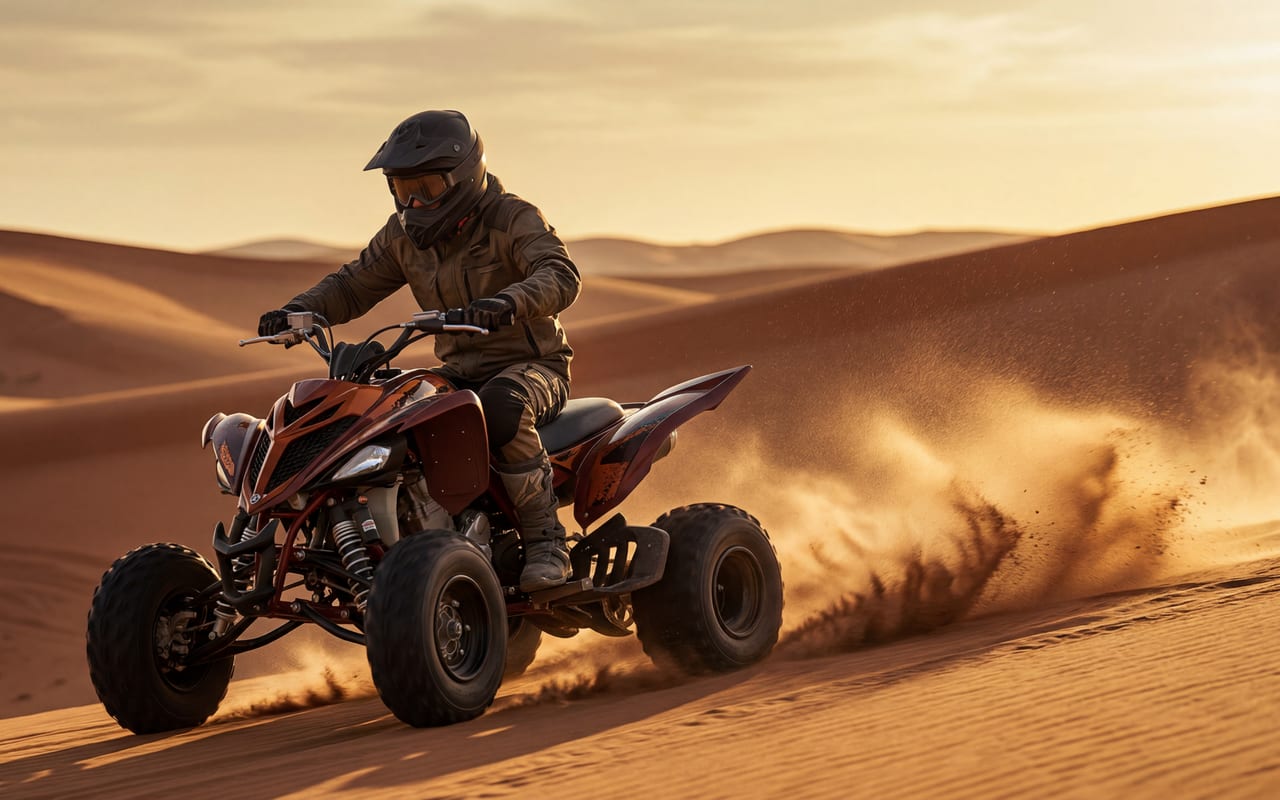
ATV is a broad term, and the ride can feel very different depending on the machine. A smaller quad may suit a first ride, while a more powerful vehicle demands better judgement and respect for terrain. Before booking, check whether the listed vehicle is the one being offered for the chosen session, or whether it is only an example. If there are multiple options, compare them by suitability rather than power alone.
Ask what is supplied and what riders need to bring. Helmets, gloves, goggles, and protective clothing can make a real difference in comfort and safety. Dust, sand, and sun are part of the setting, so eye protection and coverage are not cosmetic extras. Loose clothing, open footwear, and long unsecured accessories can catch or distract, so practical dress is worth planning in advance.
Fuel, water, transport, and any briefing time may be included or handled separately. These details affect how the day runs. A short riding slot with no time allowed for fitting gear and instructions can feel rushed. A longer package may include pauses, but that does not guarantee a better ride if the route is repetitive or the group is poorly matched. Read the inclusions as part of the whole experience, not as a list of extras.
Route, terrain, and riding conditions
The desert is not one uniform surface. Some areas offer firm tracks and open space, while others have soft sand, dunes, rocky patches, or tight turns. A route description should give a fair idea of what riders will encounter. Terms like beginner route, dune ride, open desert, or trail can be vague, so look for detail about distance, terrain, and pace.
Weather has a strong effect on comfort and control. Heat changes how riders feel and how quickly they tire. Wind can blow sand into the face and reduce visibility. After rain, some surfaces may become slick or unstable in places. Conditions can shift, so a responsible plan allows for changes rather than forcing a fixed route regardless of safety.
Timing deserves attention. Morning and late afternoon often feel more comfortable than the middle of the day, though every season has its own patterns. A ride at a quieter time may feel more relaxed, while busier periods can mean more vehicles and less space. When comparing options, consider the whole setting, not just the advertised ride length.
Safety standards and supervision
Safety is not a single checkbox. It includes the condition of the vehicle, the fit of protective gear, the clarity of instructions, and the way riders are supervised. Before booking, look for signs that safety is built into the session rather than treated as a formality. A proper briefing should explain controls, hand signals, stopping distance, group spacing, and what riders should do if they feel unsure.
Supervision matters most for beginners and mixed groups. If riders of different abilities share the same outing, the pace can become a problem. A cautious rider may feel pressured, while a confident rider may feel held back. Ask whether groups are separated by experience and how the guide manages the ride if conditions change. Clear answers are more useful than broad promises.
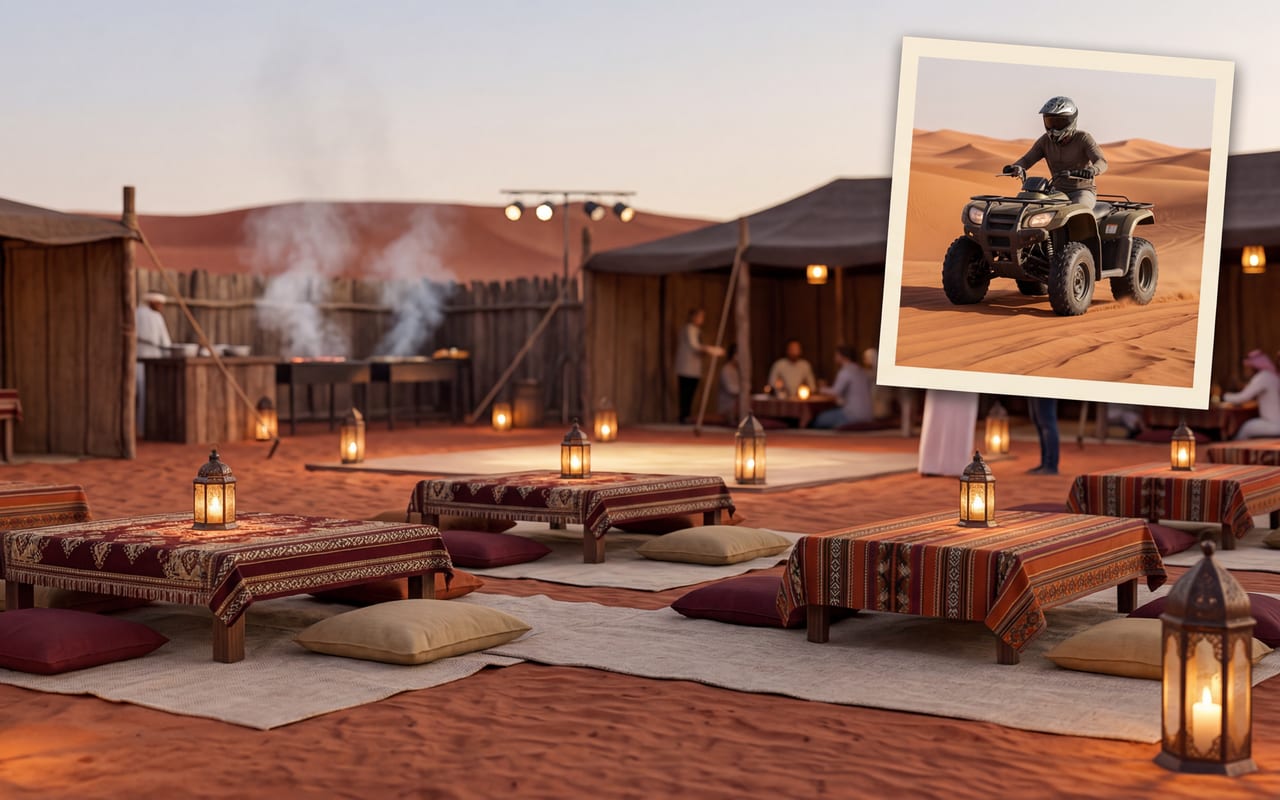
Emergency arrangements should also be considered. Ask what happens if a rider stops, falls, or needs help. The answer should be practical and calm, not vague. While checking details on atvdubaidesert.com, look for the same clarity you would expect from any booking page: what is provided, what riders must do, and which points need confirmation before arrival.
Booking terms, timing, and hidden friction
Read the booking terms with the same care you would use for any outdoor activity. Check the cancellation rules, rescheduling options, arrival time, and whether the session depends on weather or group size. These points rarely feel exciting, but they shape how much flexibility a rider has if plans change.
Pay attention to the difference between a reserved time and a confirmed ride. Some bookings require follow-up confirmation, especially when weather, availability, or transport is involved. Keep records of the chosen date, session length, meeting point, and any inclusions discussed. Clear records reduce confusion, particularly when several people are booking together.
Ask about the pace of the day. The advertised riding time may not include arrival, paperwork, safety briefing, gear fitting, or pauses. That does not make a listing misleading, but it changes how the outing should be planned. Riders who allow extra time are less likely to feel rushed or pressured before the session begins.
Questions worth asking before you pay
A few direct questions can reveal more than a long page of polished wording. Keep them specific and practical. The aim is to understand how the ride will feel, not to interrogate anyone. If answers are inconsistent or evasive, that is useful information.
- Which vehicle will be used for this rider and this session, and is power or size limited for beginners?
- What protective gear is supplied, and what should riders bring for sun, dust, and comfort?
- How is the route chosen on the day if wind, heat, or soft sand changes the conditions?
- Are groups split by experience, and how many riders are usually together?
- What happens if the booking must be moved or cancelled, and what confirmation is needed before arrival?
Also ask how instructions are given to riders who are new to ATVs. A clear briefing should be easy to understand, with time for questions. If the route involves dune work or faster sections, beginners should know that before they arrive. It is far better to choose a calmer option and enjoy it than to feel out of depth during the session.
Read reviews with a steady eye. Repeated comments about organisation, clarity, or rider comfort can be useful. A single dramatic complaint may reflect one unusual day, while the same issue raised often deserves attention. Look for comments that describe specifics, such as briefing quality, group pace, or how changes were handled. Vague praise and vague criticism both say less than they seem to.
Brand names can help readers find a subject, but they should not replace careful checking. ATV Dubai Desert is one name a reader may come across while comparing options, just as they may see other operators. The useful question remains the same: does the booking provide enough clear detail for a rider to choose with confidence? For some readers, the name atvdubaidesert.com will be a starting point for that comparison, not the end of it.
Matching the ride to the person
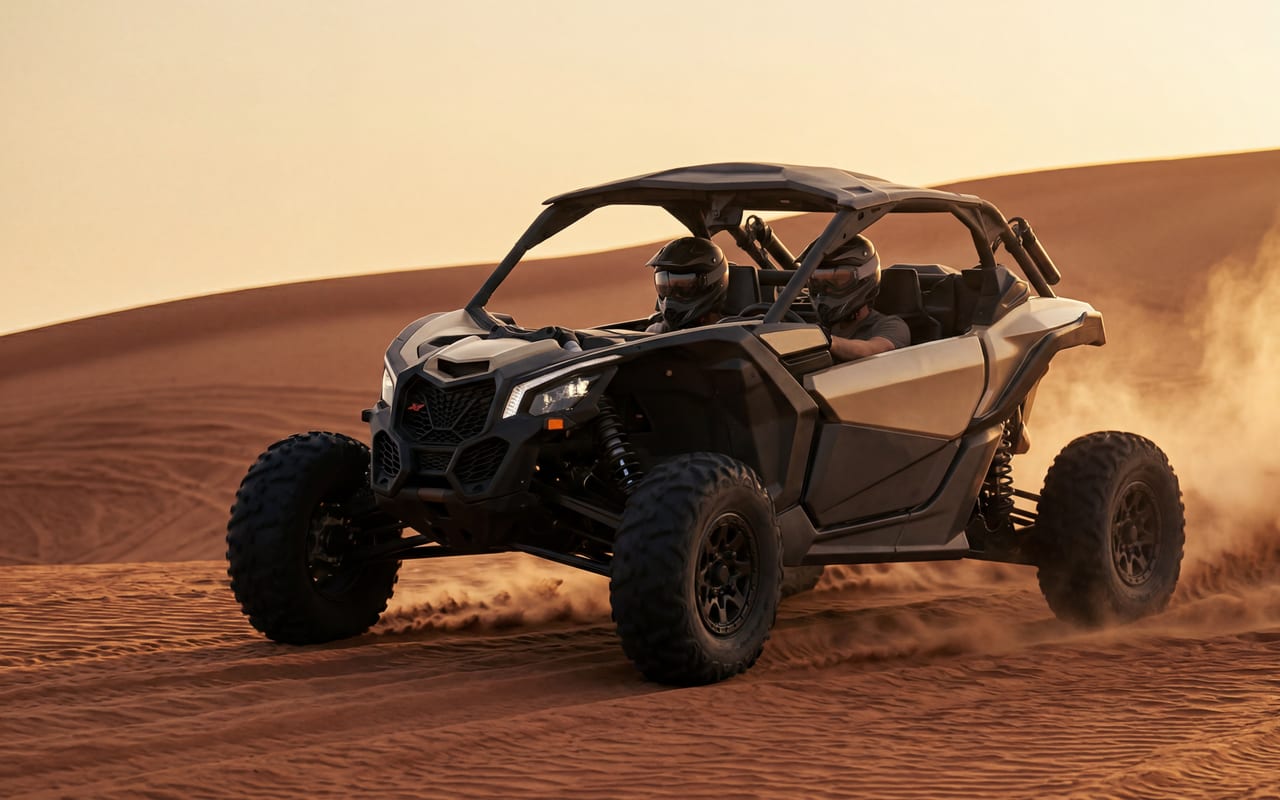
The best choice is usually the one that fits the rider, not the one that looks most impressive. A first timer may value a calm route, clear guidance, and enough time to settle. An experienced rider may care more about terrain variety and a route with fewer stops. A family booking may put supervision, vehicle sizing, and pace near the top of the list.
Comfort should be treated as a practical issue. Sun exposure, dust, heat, and vibration all affect how a ride feels. Riders who hydrate, dress sensibly, and take the briefing seriously are better placed to enjoy the session. None of that removes the need for proper planning, but it helps. If a rider feels tired, uncertain, or physically uncomfortable, speaking up early is better than trying to hide it during a ride.
Before confirming, picture the full sequence: arrival, gear, briefing, riding, stops, and departure. If any part is unclear, ask for it to be explained. A booking that answers basic questions plainly gives riders a calmer start and a better chance of matching the day to their expectations. In a desert setting, where conditions and terrain shape the experience so strongly, that preparation is part of the ride itself.