Roach Exterminator: How Pros Eliminate Severe Infestations
When roaches take over a home, apartment building, or restaurant, the problem does not stay hidden for long. Droppings along cabinet hinges, a sour or musty smell from behind the fridge, egg cases tucked in door gaskets, nocturnal activity in the bathroom at 2 a.m. - by the time you are seeing this level of evidence, a professional roach exterminator is usually the only realistic route back to normal. I have walked into units where German cockroaches poured out of the hinge voids when we opened a cupboard. In those jobs, store-bought sprays offer little more than false confidence. What you need is a structured plan, disciplined follow through, and products deployed with precision.
This is how professional pest control specialists attack severe roach infestations, what to expect as a client, and the choices you will weigh along the way.

What a severe infestation looks and feels like
Light to moderate roach activity usually hides in cracks near moisture and food, with sightings mostly at night. Once populations get severe, roaches expand into peripheral areas. You start seeing nymphs on the ceiling in broad daylight, fecal spotting that looks like pepper dust around outlets, and shredded oothecae - egg cases - in drawer tracks. In commercial kitchens, grease lines under cooklines become highways. In apartment hallways, trash chutes act like roach elevators. I use sticky monitors to quantify activity; if a single glue board in a German roach kitchen catches hundreds of nymphs overnight, we treat that as a high-pressure site that needs an aggressive schedule rather than a single visit.
The stakes matter. Roaches trigger asthma, contaminate food, and degrade customer confidence. A restaurant can lose a weekend of revenue after a failed health inspection. A landlord can face turnover and emergency pest control calls from frightened tenants. In homes, chronic infestations create stress that seeps into daily routines.
Why DIY usually fails once the population explodes
Sprays that you can buy at a big-box store often repel roaches or temporarily knock down the ones you see. They rarely reach egg cases or the deep harborages where gravid females shelter. Worse, broadcast spraying of pyrethroids in kitchens and baths creates a barrier that pushes roaches deeper into walls, and in German roaches it can disrupt the baiting strategy that professionals rely on. Dusts like boric acid can help when applied lightly inside voids, but most DIYers overapply them, turning a precision tool into an irritant that roaches avoid. Without monitoring, rotation of active ingredients, and coordinated sanitation, you burn weeks while the population continues to breed. A professional pest control company treats the job less like a one-off spray and more like a campaign with milestones.
The core strategy: integrated pest management, not just chemicals
Every top rated pest control program for roaches uses integrated pest management, often called IPM pest control. The idea is simple: reduce the population directly with targeted products, cut off the resources that fuel reproduction, and block movement routes so the survivors cannot recolonize quickly. Even when clients ask for eco friendly pest control or organic pest control options, we still follow the same structure. It keeps chemical loads low and success rates high.
I have found that the following sequence delivers results in severe cases:
Inspect, identify, and map harborages Stabilize the site with flushing and initial knockdown Deploy baits and insect growth regulators at scale Dust voids that baits cannot reach Follow up with monitoring, rotation, and sealing
Those steps sound linear, but in practice they overlap. You add or remove tactics as conditions change, especially in multi-unit buildings or commercial pest control accounts.
Step 1: Inspection that goes beyond a quick look
A trained roach exterminator does not start with a sprayer. We start with a flashlight, pry bar, monitors, and a few small tools. In a residential pest control job, I check:
Refrigerator motor compartment and drip pan warmth and moisture Dishwasher kickplate and the insulation skirt Cabinet hinge voids, shelf pegs, and drawer slides Bathroom vanity plumbing penetrations and toilet escutcheons Baseboard gaps behind trash cans and pet feeding areas
In a restaurant pest control account, I add the underside of prep tables, cookline wheels, hood plenum ledges, and the gaps behind reach-ins. In warehouses or school pest control programs, the kitchenettes and vending areas usually hold the core activity, not the open floor.
I set glue boards in heat and moisture gradients - near compressors, hot water lines, steam tables - and label them by location. Monitors tell me two things: species and density. A handful of large, reddish brown adults concentrated near floor drains points to American cockroaches coming from sewers. Dozens to hundreds of tan nymphs smaller than a pea indicates German cockroaches breeding inside the structure. That distinction drives everything that follows.
Step 2: Flushing and initial knockdown to gain control
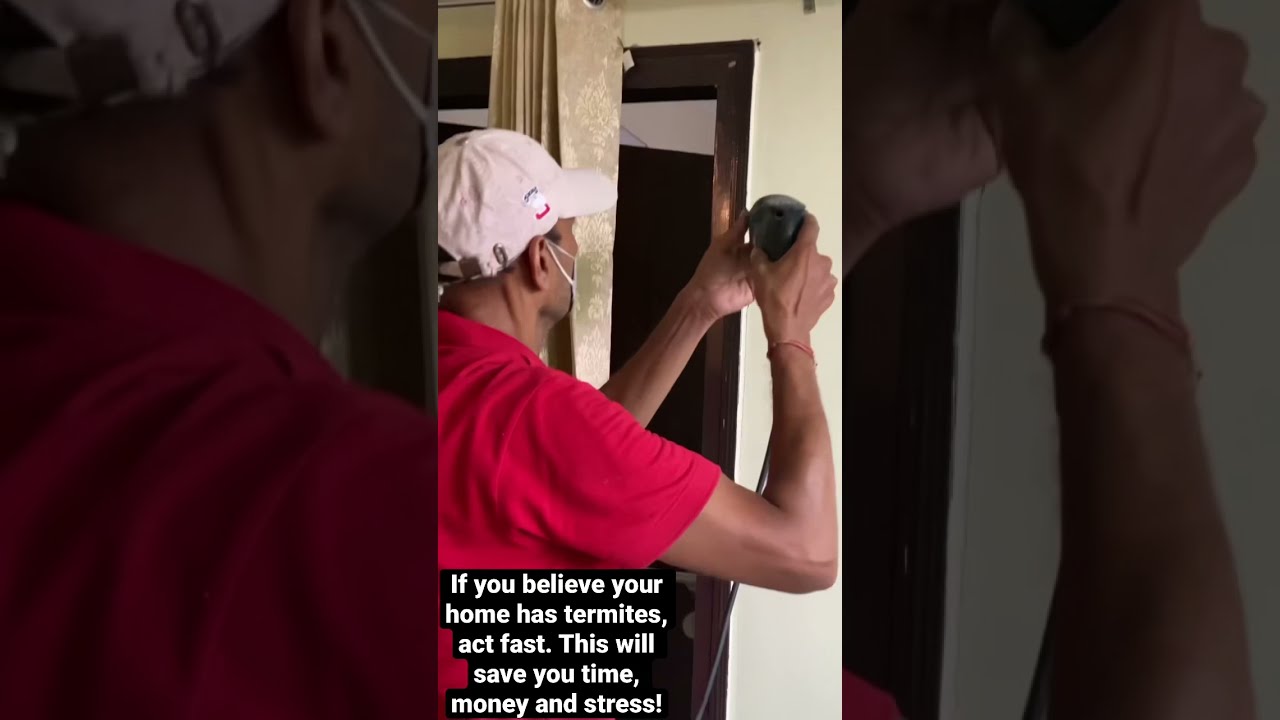
When activity is severe, you cannot simply bait and hope. We use nonrepellent aerosols and flushing agents to move roaches out of voids so we can vacuum them or catch them on monitors. A professional pest control technician will also use a HEPA backpack vacuum fitted with a crevice tool to remove live roaches, egg cases, and debris from cracks. Vacuuming sounds quaint until you empty a canister with thousands of nymphs; it immediately lowers the bioload and makes the chemical work go farther.
For knockdown, we often use a combination of:
A fast-acting aerosol for visible clusters and to flush. A nonrepellent residual in target cracks where bait would not adhere. An insect growth regulator, or IGR, applied early to disrupt nymph development and sterilize adults.
These are not broad surface sprays. We inject product into cabinet hinge voids, appliance seams, conduit penetrations, and door frames. Product labels govern exactly where and how much, which is why a licensed pest control professional makes a difference. Overapplication is not just wasteful; it pushes roaches to new sites and creates resistance over time.
Step 3: Baiting like a pro, with rotation and scale
Bait is the engine of modern cockroach control. Gel baits with active ingredients like dinotefuran, indoxacarb, or fipronil exploit roach behavior. They feed the bait, transfer traces to nest mates through feces and regurgitation, and die in waves. The problem in severe infestations is volume and palatability. You need enough placements and the right food matrices to overcome competing food.
On a heavy German roach job, I expect to place bait at dozens to hundreds of micro-sites in a single kitchen: pea-sized placements along undersides of shelves, behind cabinet stiles, inside hinge voids, around drawer tracks, behind wall plates, and inside appliances where allowed by label. Then I rotate bait formulations at follow up so the population does not develop bait aversion. If the kitchen is drowning in crumbs and grease, bait competes and fails. That is why sanitation prep matters.
In American roach problems tied to sewers, gel bait still helps around floor sinks, breakroom cabinets, and utility chases, but we pair it with sealing of floor drain covers, screening of overflow ports, and dust inside expansion joints.
Step 4: Dusting voids that baits do not reach
Dusts, used properly, turn dry voids into long-term control zones. Silica dust scratches the waxy cuticle, desiccating roaches. Borate dusts add toxicity with stomach action. I inject small amounts into wall voids around plumbing, beneath cabinet toe kicks, and under tub surrounds. The word small matters. If you see white powder frosting the baseboard edge, that is too much. Heavy applications repel roaches and become messy in occupied spaces. Fine, almost invisible films in closed voids work best.
In multi-family buildings, I also dust inside common utility chases and junction boxes after turning off power and following electrical safety. German roaches will nest behind a single hot outlet in winter, using that warmth to breed while outward signs stay light. Dust there, and the monitoring boards will tell you within days that you hit the right place.
Step 5: Follow up schedule and what changes over time
Severe infestations rarely collapse in one visit. A realistic schedule for a heavy German cockroach job is a first treatment, a second visit in 7 to 10 days, and a third visit at 14 to 21 days after the second. After that, we reassess monthly until monitors stay near zero for two consecutive visits. For an American cockroach issue tied to sewers, you might see a strong initial knockdown and then quarterly pest control service with drain treatments and inspections.
At each revisit, we pull and replace monitors, map hotspots that remain, refresh bait with a rotated matrix, and add or remove IGR depending on the life stages we catch. If baits are untouched but monitors show activity, we look for a competing food source or a moisture issue that we missed. If we see bait shyness, we switch brands and food bases, from sweet to protein rich or vice versa. Professional pest control hinges on that feedback loop.
What the client needs to do between visits
Even the best exterminator fails if the environment feeds the infestation faster than we can suppress it. I coach clients to make a few high-impact changes that deliver outsized results:
Strip kitchens of clutter on and under counters so bait placements are accessible and food competition drops. Wipe grease films from hood edges, stove sides, and cabinet lips, especially in rental units with long cooking histories. Fix drips and standing water under sinks, in laundry rooms, and on refrigerator drip pans. Bag and remove trash nightly, and rinse recycling containers that hold sugar residues. Seal food in hard containers, not paper or thin plastic, and move pet food to scheduled feeding rather than all day buffet.
Those steps do not replace professional pest removal service, but they supercharge it. In apartments, I often give residents a one-page prep sheet and, if needed, line up a property pest control consultation to coordinate housekeeping support for vulnerable residents.
Species nuances that shape the plan
German cockroaches hide in the kitchen and bath within a few feet of moisture and food. Control depends on dense bait placements, IGR, sanitation, and sealing of tiny gaps. American cockroaches often originate in sewers, elevator pits, and basements. They wander into kitchens and offices. Here, you focus on exclusion at floor drains, door sweeps, and utility penetrations, plus relief treatments in mechanical spaces. Oriental cockroaches prefer cool, damp sites like crawl spaces and basement pest control zones. Dry them out, seal entry points, and they collapse. Knowing which species you have helps you avoid wasted effort. For example, foggers do nearly nothing for German roaches in cabinets but can be part of a short-term relief plan in a warehouse mechanical room for American roaches, paired with sealing afterward.
Safety, children, pets, and green options
Clients often ask about safety. In professional pest control treatment, most products go into cracks, voids, and bait placements that are inaccessible to kids and pets. Gels adhere to hidden surfaces. Dusts stay inside walls and under toe kicks. Labels set reentry times, and good technicians ventilate as needed. If you prefer green pest control, modern baits and IGRs already keep overall active ingredient loads low. We can also emphasize mechanical control - vacuuming, heat in small appliances, crack sealing - and choose reduced-risk actives. Organic pest control has a place, but pure botanicals alone rarely clear a severe infestation; expect a longer timeline and closer attention to sanitation.
Multi-unit buildings and shared responsibility
In apartment pest control and condo associations, roaches flow between units through pipe chases and wall voids. Treating only the reported unit sets you up for yo-yo pest control NY Buffalo Exterminators results. A reliable pest control company will survey adjacent units, inspect common chases, and often schedule a building day to treat stacks simultaneously. Coordinating resident prep is the hardest part. I have had success using colored door tags for appointment windows, text reminders, and on-site translators. Property managers who budget for quarterly service and periodic pest inspection service spend less than those who chase emergencies with same day pest control every few months. Think of it like preventive maintenance rather than fire drills.
Commercial kitchens, offices, and sensitive sites
Restaurant pest control demands speed and documentation. Health inspectors look for active roaches, fecal spotting, and evidence of professional treatment. We often schedule late-night or early-morning service, combine baiting with steam cleaning of heavy grease zones, and log every placement and product. Offices and school pest control programs call for discreet service - no chemical smells or visible residue. Hospitals and healthcare settings need products and methods compatible with patient care, along with strict sanitation partnerships. In industrial pest control, the scale is different, but the same principles apply: monitor, bait, exclude. The best pest control for business accounts blends technical work with communication.
Sealing and proofing: the quiet heroes
Clients sometimes underestimate the power of a tube of sealant and a section of door sweep. Sealing under base cabinets, closing quarter-inch gaps around plumbing, screening weep holes where appropriate, and fitting tight escutcheons cut roach highways down to size. In older homes, cabinet backs often have finger-wide openings. I have glued in simple rip-cut plywood panels to force roaches into baited areas. In commercial spaces, replacing broken floor drain grates and adding one-way drain inserts can cut American roach influx overnight. A pest proofing service pays off long after the last bait dot dries.

What results to expect, and how fast
After an initial professional treatment in a severe German roach case, you should see a marked drop in sightings within 72 hours. There may be a brief surge in daytime movement as flushing and IGRs disturb harborages. By the second visit, monitors should shift from hundreds to dozens per board. By the third or fourth visit, fresh fecal spotting should slow to near zero and live sightings become rare. In sewer-linked American roach cases, night sightings often stop within days once drains are secured and harborages treated, though an occasional adult may still wander in through doors left open in summer.
The goal is not just killing what you see. It is breaking the breeding cycle. That is where IGRs and sanitation together make a visible difference around week two to three as nymphs fail to reach adulthood. Year round pest control after that, at least quarterly, prevents a rebound.
Cost, quotes, and what influences price
Pest control prices for severe roach work vary by region, property type, and scope. For a single-family home with heavy German roach activity, I see pest control cost ranges from 300 to 650 dollars for an initial treatment, with two to three follow ups included or billed at 100 to 200 dollars each. Apartments may be less per unit when bundled for a building day. Commercial kitchens often run higher because of after-hours access and documentation, sometimes 500 to 1,200 dollars for the initial program, with monthly pest control service thereafter. If a pest management company quotes unusually cheap pest control for a severe case, ask what is included: number of visits, monitoring, bait rotations, and proofing. The best pest control is not merely the lowest bid; it is the one that ends the problem and keeps it from returning.
Most licensed pest control companies will provide a pest control estimate after an inspection. Many offer pest control quotes the same day, and some have online pest control booking for convenience. If you are searching pest control near me or exterminator near me, look for a trusted exterminator with strong reviews, proof of insurance, and state licensing. Certified exterminators should be willing to explain their treatment plan and show you what they found.
When extreme measures apply
Whole-structure fumigation services are rare for roaches and usually reserved for extraordinary commercial or institutional settings where the infestation is building-wide and inaccessible. Structural heat used for bed bug treatment is not standard for roaches, though limited heat cleaning of appliances and voids can help during prep. If anyone is selling a one-and-done miracle for severe cockroach control, ask hard questions. Even emergency pest control or 24 hour pest control teams will schedule follow up. Roaches breed fast, and eggs are built to survive.
A brief prep checklist that boosts success
Empty kitchen and bathroom cabinets before treatment, leaving shelves bare so we can access voids and place bait. Launder and bag loose towels and fabrics stored under sinks to keep them clean during treatment. Pull appliances forward a few inches for access, and clean behind and under them if possible. Fix known water leaks, including slow drips, and wipe dry the cabinet bases. Store all food, pet food, and dishes in sealed bins or the fridge on treatment day.
When clients complete even 70 percent of this list, results come faster. I have treated units where the only change was a fixed sink leak and a serious wipe down of grease lines, and the bait started disappearing overnight instead of sitting untouched.
Options for households with special constraints
Some clients cannot fully prep due to age, disability, or time pressure. In those cases, a reliable pest control company can stage the work: vacuum and spot treat in visit one, coordinate light housekeeping help, return for heavy baiting in visit two, and then add proofing in visit three. For very small children or sensitive pets, we can begin with mechanical control and IGR, then layer baits once monitoring confirms feeding sites. Same day pest control is possible, but clear communication about prep and access dictates how much can be achieved on the first pass.
Tying roach control into larger pest plans
Severe roach infestations often coexist with mice or rats, especially in food service and older housing. A mouse nibbling bait stations is not the end of the world, but a comprehensive plan is smarter. A pest control contract that covers roach control along with a mouse control service or rat control service, spider control in storage areas, and occasional ant control service creates continuity. Integrated programs allow a pest management company to schedule seasonal pest control around pressure points - mosquitoes outside in summer with a mosquito control service, wasp removal service at rooflines, and a winter focus on indoor pests. For homeowners who prefer one time pest control, I still recommend at least a spring and fall check to keep small issues from becoming expensive ones.
What to ask when you call
When you reach out to local pest control providers, keep the questions simple and practical. Ask what their inspection includes, how many visits are standard for a severe roach job, which products or strategies they lean on, and how they measure success between visits. Good companies will describe monitors, bait rotations, IGR use, and proofing. If you need affordable pest control, be candid about budget, but do not skip follow ups. Sometimes a monthly plan for three months spreads cost without sacrificing results. Look for a reliable pest control company that sets appointments on time, explains prep clearly, and provides notes after each visit. If the situation is urgent, many firms offer same day pest control or evening slots.
A final word from the field
I once treated a bakery that had fought German roaches for years with periodic spraying. The owner had given up on bait because the last company smeared a few big lines behind the mixer and called it good. We cleaned, vacuumed motor housings, placed more than a hundred pinpoint bait placements through the kitchen, dosed IGR, and sealed gaps behind the proofers. Night one, the bait disappeared in chunks. Week two, monitors showed a 70 percent reduction. Week four, the health inspector saw zero live roaches. The difference was not a secret product. It was density of placements, sanitation that removed competition, and tight follow up. That formula scales from studio apartments to busy restaurants.
Severe roach infestations feel overwhelming, but with professional pest control and a bit of cooperation, they can be eliminated. If you are searching for bug control company options or local extermination services, prioritize experience with German roaches, ask for a clear plan, and commit to the schedule. The quiet kitchen that follows is worth it.