When a Dental Injury Needs Same-Day Care in Plano, TX
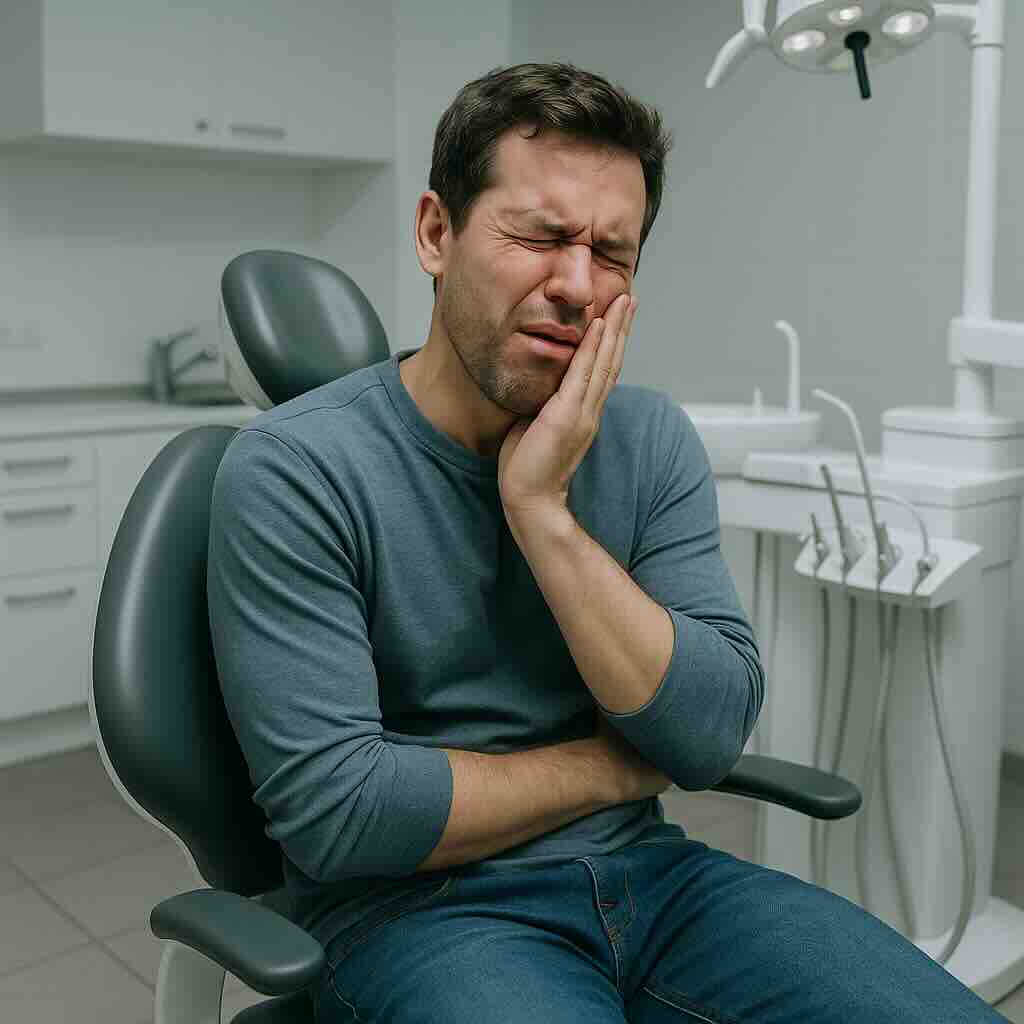
A dental injury has a way of turning an ordinary day into a scramble. A child catches an elbow during basketball practice. Someone bites down on a popcorn kernel and feels a sharp crack. A driver in Plano gets rear-ended on Preston Road and notices that a front tooth suddenly feels loose. The first few minutes matter, not just because of pain, but because timing can change the outcome.
Not every dental problem is an emergency, and not every injury needs an emergency room. But some situations do need same-day dental care, especially when the tooth, supporting bone, gum tissue, or nerve may be at risk. Knowing the difference can save time, reduce complications, and in some cases help preserve a tooth that might otherwise be lost.
For families and working adults, the practical question is usually simple: should this be handled now, or can it wait until tomorrow? The answer depends on what happened, what symptoms followed, and how quickly treatment can begin.
Why timing matters after a dental injury
Teeth and surrounding tissues are not static structures. When a tooth cracks, shifts, or is knocked out, a clock starts running. Bacteria can enter exposed areas. Inflammation can build. Bleeding under the gums can make it harder to evaluate the injury later. A tooth that has been displaced may be easier to reposition shortly after trauma than several days later.
The same is true for soft tissue injuries. A cut lip or torn gum might look dramatic because the mouth bleeds easily, but the real concern is often whether there is debris in the wound, damage to nearby teeth, or hidden fracture beneath the surface. Trauma to the mouth is rarely only cosmetic. Even when the visible damage seems minor, the bite can change, nerves can become irritated, and root structures can be affected in ways that are not obvious at first glance.
This is one reason patients are often surprised when a tooth that looked “mostly fine” after an accident later darkens, becomes sensitive, or develops swelling. The initial impact can injure the pulp, which is the living tissue inside the tooth. Symptoms do not always peak right away. Same-day evaluation gives a dentist a better chance to document the baseline condition, take images if needed, and make decisions before secondary problems set in.
The kinds of injuries that usually should not wait
Some situations are clearly urgent. Others fall into a gray area. In practice, same-day dental attention is usually warranted when trauma causes severe pain, uncontrolled bleeding, visible tooth displacement, a knocked-out tooth, or a break large enough to expose sensitive inner layers.
A chipped tooth can range from a small cosmetic nick to a complex fracture. If the chip is tiny and painless, it Emergency dentist Plano, TX may not need immediate intervention. If it is sharp, painful, or close to the nerve, waiting can lead to more discomfort and a higher chance of infection. A cracked tooth is trickier. Cracks are often hard to see, and pain may come and go, especially with chewing or temperature changes. Patients sometimes assume the issue is minor because the tooth is still in one piece, but a deep crack can compromise the tooth quickly.
A loose adult tooth after trauma should be treated promptly. Teeth are held in place by delicate supporting fibers and surrounding bone. Even a small degree of mobility after a fall or blow to the mouth deserves same-day assessment. The same is true if the tooth suddenly feels “high,” the bite no longer fits together, or the tooth appears longer or pushed inward compared with neighboring teeth.
Knocked-out teeth are among the most time-sensitive dental injuries. If the tooth is an adult tooth and the root is intact, immediate action can sometimes allow the tooth to be replanted. The odds are best when care happens fast, ideally within an hour, though dentists will still evaluate later arrivals because every case is different.
A practical way to tell if this is urgent
Patients often call a dental office trying to describe what they are seeing in the bathroom mirror while managing stress, blood, and pain. The details that matter most are usually straightforward.
If any of the following are true, same-day care is a wise next step:
A permanent tooth has been knocked out, loosened, pushed out of place, or fractured significantly. Pain is severe, worsening, or triggered sharply by air, temperature, or biting pressure. Bleeding from the gums, lip, or mouth does not stop after basic first aid. Swelling is increasing, the jaw is hard to open, or the bite feels suddenly different. There was facial trauma and now a tooth looks darker, shorter, longer, or out of alignment.
That does not mean every urgent dental issue is dramatic. A seemingly minor sports injury can become complicated by evening. A small fracture line on a front tooth may hide deeper root damage. Caution is reasonable after trauma, especially with children and teens, who may minimize symptoms until pain catches up with them.
What to do in the first 15 minutes
The first response at home, on the field, or in the parking lot often shapes what happens next. The goal is to control bleeding, protect the injured area, and avoid making the damage worse. Rinsing gently with clean water is usually helpful. Ice on the outside of the face can reduce swelling. It is better to avoid aspirin directly on the gums, which can irritate tissue, and better not to keep poking or testing the injured tooth.
For a knocked-out adult tooth, handling matters. Pick the tooth up by the crown, not the root. If it is dirty, rinse it briefly with milk or saline if available, or clean water if that is all you have. Do not scrub it. In some cases the tooth can be placed back in the socket right away if the person is alert and the situation is clean enough, but many people are understandably hesitant to do that. The next best option is often to keep the tooth moist in milk or in a tooth preservation solution if one happens to be available.
Here is the short version of what helps most before you reach a dentist:
Control bleeding with clean gauze or a damp cloth and light pressure. Use a cold compress on the outside of the face in short intervals. Save broken tooth pieces if you can find them, and keep a knocked-out adult tooth moist. Avoid chewing on the injured side and do not test the tooth repeatedly. Call a dental office immediately and describe the injury clearly.
For parents, one key distinction matters. Baby teeth are handled differently from adult teeth. A baby tooth that is knocked out is usually not replanted, because doing so may damage the developing permanent tooth underneath. That is another reason same-day professional guidance helps. The right next step depends on age as much as on the injury itself.
When the emergency room makes more sense
An emergency dentist can handle many urgent dental injuries, but not every facial injury belongs in a dental chair first. If there is heavy bleeding that will not stop, suspected jaw fracture, loss of consciousness, vomiting after a head injury, trouble breathing, or deep facial lacerations, the emergency room is the safer starting point. Dental trauma can overlap with medical trauma, and the bigger risk should always be managed first.
This comes up often after car accidents and sports collisions. A patient may focus on a broken front tooth because it is visible, while missing signs of a concussion or fracture. If the person is dizzy, disoriented, or unable to close properly because the jaw feels shifted, medical evaluation should not wait.
That said, many ERs are not equipped to provide definitive dental treatment. They can help stabilize pain, assess medical safety, and address serious facial injury, but they may still recommend follow-up with an emergency dentist in Plano, TX for the tooth itself. In real-world care, these settings often complement each other rather than compete.
What a same-day dental visit usually involves
People are often nervous that an emergency appointment will automatically turn into a long, invasive procedure. Sometimes it does require treatment on the spot, but often the first visit is about triage, diagnosis, stabilization, and relief.
A dentist will usually begin by asking how the injury happened and exactly when. The timing, direction of force, and whether the tooth hit pavement, a steering wheel, or another person all matter. A careful exam follows. The dentist checks not just the obvious tooth, but surrounding teeth, the bite, the gum tissue, lip, and sometimes the jaw joints. Dental images may be needed to look for root fractures, bone injury, or displacement below the gumline.
Treatment depends on what the exam shows. A sharp edge may be smoothed the same day. A chipped front tooth may be repaired with bonding. A loose or displaced tooth may be repositioned and splinted to adjacent teeth. Deep fractures may need temporary protection, followed by root canal treatment or crown work later. If the injury is too severe to save the tooth, extraction may be the best path, but that decision is usually made carefully, not casually.
Pain control is another major part of same-day care. Patients often come in worried that they will be sent home still hurting. In many cases, just stabilizing the tooth or covering exposed dentin can reduce pain dramatically. The mouth can go from throbbing and reactive to manageable in a single visit.
The injuries that fool people most often
A few patterns come up again and again. One is the “small chip, big problem” scenario. Someone chips a front tooth on a water bottle or pool deck, figures it is cosmetic, and waits. Later the tooth becomes temperature-sensitive or starts to ache. The visible damage was minor, but the force of the impact bruised the nerve.
Another common one is trauma that appears in the bite before it appears in the mirror. A patient says, “Nothing looks broken, but my teeth don’t meet right anymore.” That complaint deserves attention. A shifted bite can point to a tooth that moved in the socket, a fracture, or jaw trauma.
Cracks are particularly deceptive. Unlike a clean break, a crack can hide below the surface and produce symptoms only when pressure spreads the fracture line. Patients often describe pain on release after biting, not during the bite itself. That pattern can be a clue, though it is not specific on its own.
Then there is the delayed discoloration problem. A tooth that turns gray, yellow-brown, or darker after trauma may be showing signs of internal injury. Color change is not always an immediate emergency, but it should not be ignored. In children, traumatized front teeth may also require monitoring over time because the effects can evolve.
Plano families see some predictable causes
Trauma patterns often reflect local routines. In Plano, dental injuries commonly follow youth sports, school playground falls, cycling mishaps, and weekend activities around parks and recreation facilities. Adults show up after fitness accidents, home repair slips, and car collisions, especially when the face meets a steering wheel, airbag, or cup holder.
Teenagers are in a category of their own. They often push through an injury because they do not want to miss practice, photos, or a social event. By the time a parent notices swelling or hears that “it’s been hurting since yesterday,” the problem is more complicated than it needed to be. Mouthguards help in contact sports, but they do not prevent every injury, and many kids skip them in casual play.
Younger children tend to fall face-first, which means parents often see lip swelling and blood before they can tell whether a tooth is involved. It is understandable to focus on the lip because it looks dramatic. Still, a quick dental exam can reveal whether the tooth was intruded, loosened, or damaged underneath.
How dentists decide between watchful waiting and immediate treatment
Not every trauma case needs a drill on day one. Good emergency care is not about doing the most treatment. It is about doing the right treatment at the right time.
A tiny enamel chip with no pain may only need smoothing and follow-up. A tooth that is tender but stable after a mild blow may need documentation, imaging, and a scheduled recheck rather than immediate major work. Dentists weigh several factors at once, including the depth of the fracture, pulp symptoms, mobility, bite changes, root development, age, and whether the tooth can be restored predictably.
There is also a judgment call around prognosis. For example, a badly cracked molar in an adult with heavy grinding habits may technically be restorable, but the long-term outlook could still be poor. In contrast, a front tooth with a clean edge fracture in a teenager may respond beautifully to conservative bonding and monitoring. Same-day care is not just about urgency. It is also about setting the patient up for the best realistic result.
Aftercare matters more than many patients expect
The emergency visit is only part of recovery. A traumatized tooth often needs follow-up, even if it feels better quickly. Symptoms can evolve over days or weeks, and some complications show up only later on X-rays or vitality testing.
Patients are commonly advised to eat softer foods for a period, avoid biting directly on the injured tooth, keep the area clean, and return for reassessment. If a splint is placed, it usually stays on for a prescribed period depending on the injury. If bonding was done, avoiding hard foods on that edge can protect the repair while the tooth settles.
Pain also needs context. Some soreness after treatment is normal. Increasing pain, swelling, pus, fever, or a bad taste in the mouth is not something to ignore. Those signs can point to infection or a change in the tooth’s pulpal status.
This is where communication matters. A good emergency dentist tells patients what is fixed, what is stabilized, and what still needs watching. Those are not the same thing. Many people hear “we saved the tooth” and assume the story is over, when the reality is that healing and long-term survival still depend on follow-up.
Cost, convenience, and the temptation to wait
One reason people delay care is uncertainty about cost. Another is timing. Dental injuries rarely happen at a convenient hour. But waiting can turn a simpler repair into a more involved one. A chip that could have been bonded may progress to a fracture that needs a crown. A loose tooth left unstable may become less predictable to save. A tooth with pulp exposure can move from reversible irritation to irreversible damage.
That does not mean every urgent visit becomes expensive treatment on the spot. Many offices can stage care, beginning with diagnosis and stabilization. In practice, that can be the most cost-conscious route because it prevents deterioration while allowing a thoughtful plan.
Convenience matters too. Parents juggling work and school schedules sometimes hope a Friday injury can wait until Monday. Sometimes it can. Often it should not. If pain, mobility, or displacement is involved, same-day care is usually the safer bet.
What to ask when you call
The first phone call can help the office triage appropriately. Saying “I broke my tooth” is a start, but details sharpen the response. Mention when the injury happened, whether the tooth is loose, whether any part came out completely, whether bleeding is ongoing, and whether the bite feels off. If there is swelling, facial trauma, or concern about a child’s age and whether the tooth is baby or permanent, say that too.
Photos can help if the office accepts them, especially for visible fractures or displacement. They are not a substitute for an exam, but they can help the team prepare. Patients are often surprised how much more useful a clear, well-lit photo is than a long, anxious description.
If you are searching specifically for an emergency dentist in Plano, TX, look for a practice that can explain whether you should come in immediately, how to handle the tooth while traveling to the office, and whether your symptoms suggest a medical emergency instead. Those practical questions matter more than marketing language when you are dealing with fresh trauma.
The goal is not just to stop pain
Pain relief is important, but it is only one part of emergency dental care. The larger goal is to preserve structure, function, appearance, and long-term health whenever possible. A front tooth that is saved but left unstable or discolored still needs a plan. A molar that stops hurting but remains cracked still deserves careful follow-up.
Dental injuries can be emotionally jarring, especially when the smile is involved. Adults worry about work meetings and photographs. Parents worry about school, sports, and permanent damage. That stress is normal. A steady same-day evaluation can replace guesswork with a realistic picture of what happened and what comes next.
Most trauma cases do better when they are seen early, even if the final treatment unfolds over time. The sooner the injury is assessed, the more options tend to stay on the table. That is the practical reason same-day care matters in Plano, and anywhere else a normal day can take an unexpected turn in a second.
Vitality Dental
1220 Coit Rd # 106, Plano, TX 75075, United States
+1 972-645-4100
FAQ About Emergency dentist Plano, TX
Will the ER do anything for dental pain?
An emergency department can assess urgent symptoms and provide medical stabilization. Definitive treatment of the tooth usually requires a dentist. Seek emergency medical care for breathing or swallowing difficulty, uncontrolled bleeding, or serious facial injury.
What to do if I have a dental emergency in the middle of the night?
Contact a dentist or after-hours dental service promptly for guidance. If a permanent tooth is knocked out, keep it moist in milk while seeking immediate care. If symptoms suggest a medical emergency, go to an emergency department.
What qualifies as a dental emergency?
A knocked-out permanent tooth, severe or persistent tooth pain, a significant dental injury, or swelling may require urgent dental assessment. Call a dentist to describe the symptoms and determine timing. Uncontrolled bleeding or difficulty breathing or swallowing requires emergency medical care.