How to Claim Your $10,000 Georgia Home Energy Rebate: Eligibility, Documents, and Deadlines
How to Claim Your $10,000 Georgia Home Energy Rebate: Eligibility, Documents, and Deadlines
Georgia homeowners are leaving real money on the table. Between the federal Energy Efficient Home Improvement Credit, the Georgia HEAR Home Energy Rebates administered through GEFA, the HOMES performance-based rebates, and Georgia Power incentives, it is common for Alpharetta and North Fulton projects to stack $6,000 to $12,000 in combined savings when the scope is designed correctly. This article lays out what qualifies, which documents unlock approvals, and how timing affects payouts for homeowners focused on home energy rebates. The context is local and specific to Alpharetta, Milton, Roswell, Johns Creek, Sandy Springs, Dunwoody, East Cobb, and Cumming. The focus is on HVAC-driven savings because cooling and dehumidification drive the biggest loads in the North Atlanta humid subtropical climate.
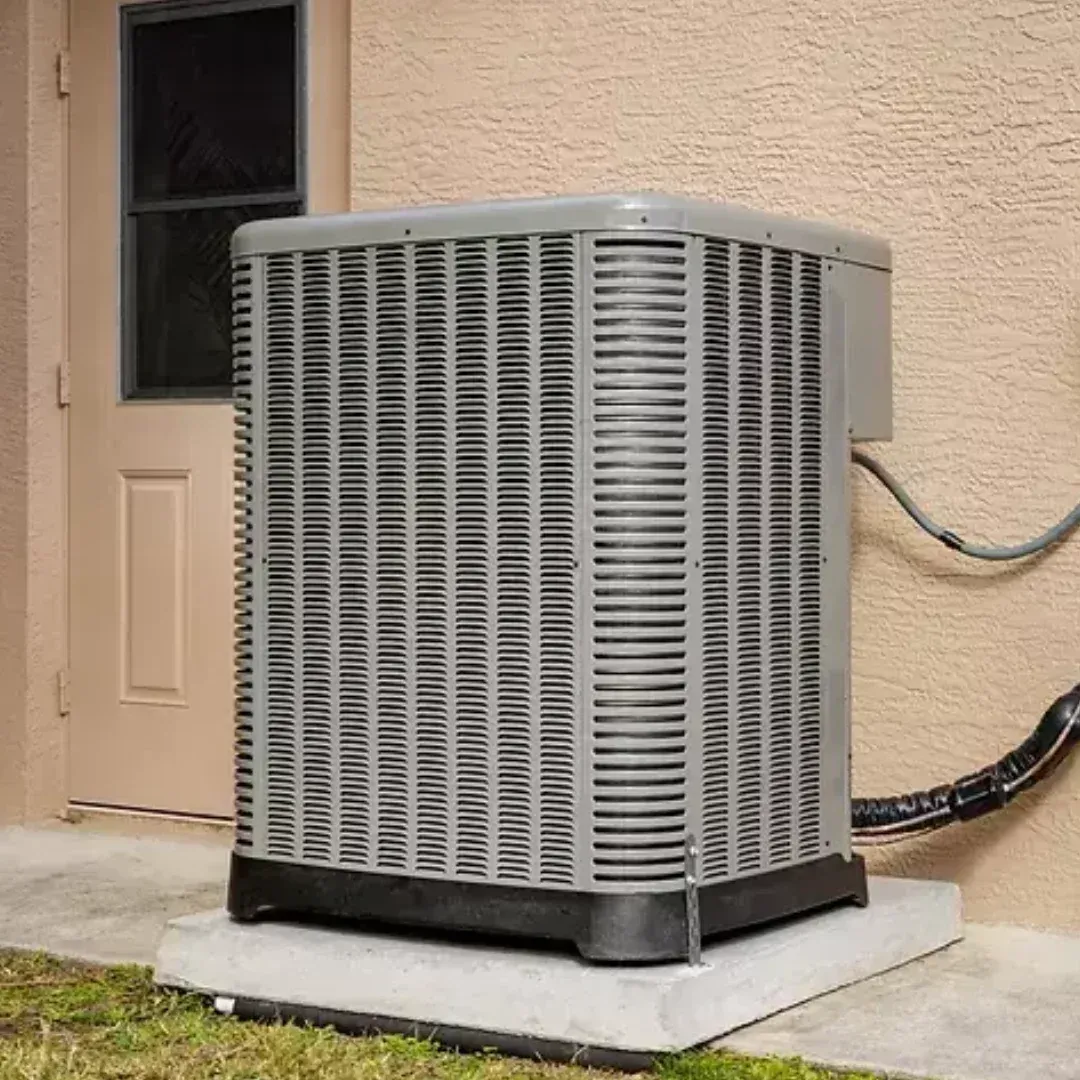
Why the North Atlanta market can hit the $10,000 target
Cooling demand dominates homes across 30004, 30005, 30009, 30022, 30075, 30076, 30068, 30350, 30338, 30040, and 30041. Summer dewpoints above 70 degrees add a heavy latent load, which means a big share of the work is moisture removal, not only temperature drop. That unique profile is why variable-speed heat pumps and right-sized SEER2 systems with proper ductwork upgrades outperform simple equipment swaps in Alpharetta, Milton, and Johns Creek. When a project includes a high-efficiency heat pump, duct sealing with static pressure verification, R-49 or better attic insulation, and a smart thermostat, it can often hit the HOMES energy reduction targets and qualify for HEAR equipment rebates at the same time. Layer the 25C federal tax credit on top and the combined stack often approaches or passes $10,000 for qualifying households.
Eligibility snapshot for Georgia home energy rebates
Georgia’s rebate framework has two major state buckets funded by the federal Inflation Reduction Act. First is the performance-based HOMES program that pays based on modeled or measured whole-home energy savings. Second is the Home Electrification and Appliance Rebates, commonly called HEAR in Georgia, which focuses on specific high-efficiency equipment and is income-based. Utility rebates from Georgia Power can be added to both paths if the measure qualifies. The 25C federal tax credit is separate and can be paired with either program subject to IRS rules.
HOMES rebates: Pays for total energy savings. Larger checks for deeper savings. Requires pre- and post-project documentation. HEAR rebates: Income-qualified rebates for heat pumps, heat pump water heaters, electrical upgrades, and weatherization. Georgia Power rebates: Program-based incentives that change year to year. Often includes heat pumps, smart thermostats, and duct sealing. 25C Federal tax credit: Up to 30 percent of eligible costs, with caps such as $2,000 for qualified heat pumps. Claimed on IRS Form 5695. Stacking: Many projects can layer HOMES or HEAR with utility rebates and 25C. Confirm stacking rules before work begins.
Income thresholds for HEAR are set relative to Area Median Income and can vary by household size. HOMES is not limited to income-qualified households but pays more for deeper energy savings levels. Documentation and pre-approval steps matter. A home energy assessment conducted by a qualified contractor is the starting point in most cases. In the North Atlanta market, this is where projects near Avalon, Halcyon, Windward, Country Club of the South, The Manor, and White Columns move from a single-equipment swap to a whole-home plan that qualifies for higher tiers under home energy rebates.
The HVAC design choices that move rebate dollars
Rebates pay for measured or modeled savings. Savings in Alpharetta and Milton come from a few predictable upgrades. A variable-speed heat pump, sometimes called an inverter-driven heat pump, controls both temperature and humidity by running longer at lower speeds. That longer, gentler run time wrings out moisture and stabilizes rooms that used to swing wildly. When paired with well-sealed ducts and a Manual J load calculation that right-sizes capacity, homeowners across 30004 and 30009 often see upstairs temperatures drop closer to setpoint, even on late July afternoons when attic temperatures exceed 130 degrees.
Two-stage and variable-speed systems can qualify for higher SEER2 tiers if sized and installed correctly. Names that regularly meet North Georgia rebate thresholds include Trane TruComfort variable-speed heat pumps, Carrier high-efficiency heat pumps in the Infinity series, Lennox variable-capacity models, and Daikin Fit side-discharge inverter systems for tight lots along Old Milton Parkway and Roswell Road. Mitsubishi Electric Hyper-Heat systems support full electrification in homes that want to lean away from gas heat without giving up comfort in a January cold snap.
On the refrigerant front, homeowners should factor in the post-2025 shift. New systems sold in Georgia from 2025 forward are moving from R-410A to lower-GWP refrigerants such as R-32 or R-454B. This matters because a 2026 replacement decision should consider availability of components and long-term service support. Many HEAR equipment rebates are designed to accelerate adoption of these high-efficiency, low-GWP systems, so waiting to replace an aging condenser that uses R-410A can sometimes unlock larger rebate stacks when done as part of a whole-home scope.
A technically grounded local fact most homeowners do not hear
Two-story homes across Alpharetta, Roswell, Johns Creek, and Milton often run 5 to 10 degrees warmer upstairs than downstairs in July and August. The cause is not only attic heat. The core driver is undersized return air on the upper floor combined with high latent load. When the upper floor return cannot pull enough air, static pressure rises, airflow drops through the evaporator coil, and the system short cycles or runs hot. The fix is not always a bigger AC. It is more often a right-sized variable-speed heat pump, added or enlarged returns, duct sealing to cut leakage, and balancing dampers set by measured static pressure. That kind of scope hits rebate models because it produces real, measured savings and improves comfort at the same time.
What “qualifying work” typically looks like in North Fulton
Whole-home scopes that score with HOMES and HEAR in our area share a pattern. They include a variable-speed heat pump with a 16 to 20 SEER2 rating when matched to the correct indoor coil and blower, duct sealing with test-out leakage verification, R-49 to R-60 attic insulation, and a smart thermostat with occupancy features. Many homes in Windward, Crooked Creek, and Glen Abbey also need return air sizing adjustments for the upstairs zone. Some projects include an Energy Recovery Ventilator in tighter construction and a whole-home dehumidifier to keep indoor humidity under 50 percent on peak dewpoint days. These measures do more than qualify for home energy rebates. They correct the exact comfort complaints that drive summer service calls along GA-400 and Holcomb Bridge Road.
Eligibility details without the jargon
To be eligible for the higher tiers under HOMES, the project has to be planned and documented before work starts. A qualified energy assessment collects baseline data. Post-project verification confirms savings. For HEAR, eligibility depends on household income and the specific equipment installed, such as a high-efficiency heat pump or heat pump water heater. Georgia Power rebates apply to specific equipment and measures in its program year. The 25C credit requires that the equipment meet the IRS and ENERGY STAR requirements and that the homeowner has a tax liability to use the credit. In North Atlanta, this often means a mix of HOMES or HEAR plus Georgia Power and the 25C credit on the same project, with exact stacking determined by program rules that can vary year to year.
Documents that unlock approvals and payments
Paperwork determines who gets paid and how fast. Homeowners in 30022 and 30005 often underestimate how much documentation a program reviewer wants. Strong files get processed faster. Weak files sit. The documents below are the ones that consistently matter for Georgia home energy rebates across Alpharetta, Johns Creek, and Roswell.
Pre-project energy assessment report with baseline model or test results. Many programs require a qualified audit to open a file. Scope of work that lists equipment model numbers, AHRI matched combinations, Manual J load calculation summary, and planned duct or insulation work. Proof of income for HEAR when applicable. Utility account number and recent bills are often required for HOMES and Georgia Power programs. Permits when required by jurisdiction, plus install-day photos that show nameplates, duct sealing, insulation depth, and safety code items. Final invoices with StraightForward line items, commissioning data, and post-project verification showing leakage reduction and system performance.
The 25C tax credit also requires IRS Form 5695 at tax time and a record that the installed equipment meets the ENERGY STAR or IRS-listed criteria. Keep all AHRI certificates and invoices. If a homeowner in 30350 or 30342 sells the home, this paper trail can also support resale value during inspection because it proves the upgrades were done to an auditable standard.
Deadlines and timing that affect the payout
Rebate windows are real. GEFA’s funding windows for HEAR and HOMES are budget-limited and run until money is allocated. Georgia Power’s program years reset rules and incentive levels, which means a project planned in May can qualify differently than the same project in January. Most programs are first-come, first-served. For homeowners in Dunwoody and East Cobb who want to plan a summer install, the safest path is to open the rebate file before ordering equipment and to schedule the pre-project assessment in the spring. This protects eligibility and gives time to adjust scope if a program changes mid-year. When the scope includes R-32 equipment or variable-speed heat pumps with long lead times, early file creation also helps avoid backorder delays.
Plain-English cost and savings math in 2026
Installed costs in North Atlanta vary by home size, duct condition, and brand. For reference, homeowners usually see these ranges in 2026:
Standard 14 to 16 SEER2 single-stage heat pump or AC replacement runs about $5,500 to $8,500 installed. Mid-tier 16 to 18 SEER2 two-stage systems run about $8,500 to $13,000. High-efficiency 18 to 22 SEER2 variable-speed systems typically land between $13,000 and $22,000, especially in larger Milton and Johns Creek homes with multiple zones or complex ductwork. Duct sealing or partial duct modifications add $1,500 to $5,000. Whole-home dehumidifiers often run $1,800 to $3,500 installed. A smart thermostat runs $250 to $600 depending on brand and integration. A performance-focused attic insulation upgrade to reach R-49 or higher often ranges $2,000 to $4,500 in typical Alpharetta attics depending on access and square footage.
On the incentive side, the federal 25C tax credit can contribute up to $2,000 for a qualifying high-efficiency heat pump. Georgia Power incentives can range from a nominal smart thermostat rebate to several hundred dollars for duct sealing and more for heat pump upgrades, depending on the active program year. HOMES and HEAR incentives vary based on income and measured savings but can deliver several thousand dollars on a whole-home scope. Stacked together, a Milton or Windward project that replaces a legacy R-410A system with a variable-speed heat pump, seals ducts, right-sizes returns, and boosts insulation often reaches the $10,000 combined mark under home energy rebates, sometimes more.
How a professional assessment drives rebate value
A home energy assessment is not a quick look at the thermostat. It is a structured review that measures airflow, checks static pressure, documents duct leakage, inspects the evaporator and condenser coils, verifies blower motor type, confirms refrigerant metering device (TXV vs fixed orifice), and records control board data and thermostat programming. In homes near Avalon, Big Creek Greenway, and North Point Mall, this baseline gives a clear picture of what the house needs to hit rebate performance thresholds. The assessment also identifies comfort blockers like pitted contactors, aging run capacitors, and PSC blower motors that should be replaced with ECM units during an upgrade to improve part-load efficiency and quiet things down. Done right, this report becomes the backbone of the HOMES modeling and the installer’s commissioning plan.
Real conditions in Alpharetta that matter to program reviewers
Program evaluators want to see strong evidence that upgrades will reduce energy use. North Atlanta’s climate helps when the scope targets moisture load. Long July afternoons with dewpoints above 70 degrees make short-cycling single-stage systems underperform. Variable-speed systems with proper duct sealing maintain longer coil contact time, so the coil stays colder and removes more moisture. The post-project measurement shows lower run time at peak and tighter indoor humidity control under 50 percent, which connects directly to energy savings calculations. On two-story homes in 30004 and 30022, improving upstairs return capacity also reduces static pressure. Lower static pressure means the blower motor draws fewer amps at a given speed setpoint, which the data logger captures and the reviewer can accept. This is how a solid file earns deeper HOMES payouts.
Brands and equipment that align with 2026 rebate criteria
Trane, Carrier, Lennox, Daikin, Goodman, Rheem, York, Mitsubishi Electric, and Amana all manufacture configurations that meet or exceed SEER2 and HSPF2 thresholds required by many home energy rebates. Trane TruComfort variable-speed heat pumps with communicating air handlers are a common fit in luxury Milton estates off Birmingham Highway. Carrier Infinity systems work well in Roswell and Johns Creek projects that need precise humidity control. Daikin Fit side-discharge units help on tight lots along Old Milton Parkway or Mansell Road where backyard setbacks limit condenser placement. Mitsubishi Electric Hyper-Heat handles full electrification goals in Dunwoody and Sandy Springs without sacrificing winter capacity. The key is not the logo. It is the matched AHRI combination, the Manual J and Manual D alignment, and the commissioning data that proves the system performs.
The R-32 reality and why it belongs in a rebate decision
After January 2025, new AC and heat pump models in Georgia are shifting to lower-GWP refrigerants like R-32 or R-454B. Homeowners replacing an R-410A system in 2026 should note that parts and service practices will change. Many rebate programs encourage adoption of high-efficiency, low-GWP equipment. In Alpharetta and Milton, that often means a variable-speed heat pump paired with an R-32-compatible air handler and coil. The installer’s EPA Section 608 certification and brand-specific training matter. So do evacuation levels, nitrogen sweeps, and charging by manufacturer subcool and superheat tables during commissioning. This is not only about the rebate paperwork. It is about long-term supportability and performance in a humid climate.
What a compliant “whole-home” scope looks like on paper
For homeowners near Crabapple Market and the Halcyon district, a compliant file contains an energy assessment, a scope that lists each measure, photos of existing conditions, permits where required, and commissioning data at startup. The format should specify indoor and outdoor model numbers with AHRI certificates, blower type (ECM variable-speed is common on qualifying systems), metering device type such as TXV, thermostat model, duct sealing materials used, and final static pressure readings. It should also include insulation depth photos with rulers showing R-49 or better, and duct leakage test reports with pre and post numbers. Reviewers like this level of clarity because it demonstrates quality control that connects directly to savings.
Georgia Power rebates and how they fit the North Fulton home
Georgia Power incentives shift each program year, but they often include measures like smart thermostats, duct sealing, quality installation verifications, and sometimes heat pump upgrades. North Fulton homes tend to qualify most reliably on duct sealing, thermostat upgrades, and high-efficiency heat pump replacements that meet specific criteria. Properties around Country Club of the South, St Ives, and Crooked Creek with larger square footage sometimes show the best returns because baseline systems are older and the gains from duct sealing plus right-sized equipment are larger. Utility rebates are paid by the utility and can be combined with HOMES or HEAR and 25C when rules allow. Always check current program sheets before finalizing a scope.
How homeowners can prepare their file
While contractors do most of the paperwork, homeowners can speed approvals by gathering a few items in advance. A Georgia Power account number and recent utility bills make modeling faster. A copy of the current property tax record confirms square footage. Attic access clear of stored items allows insulation work and duct sealing without delays. If the project is income-qualified under HEAR, gather income documents early. Make a folder that holds the final invoices and AHRI certificates for later use on IRS Form 5695. In Alpharetta and Johns Creek, homeowners who assemble these items before the assessment see shorter turnaround from pre-approval to installation, especially in peak summer when crews are dispatched across 30004, 30022, 30076, and 30041 every day.
Specific measures that consistently pass reviewer scrutiny
Program reviewers look for measures with high certainty of savings. Duct sealing backed by a duct blaster test is one. Variable-speed heat pump upgrades documented with a Manual J and commissioning data are another. Attic insulation to R-49 or higher, with baffles and air sealing around penetrations, is a third. Smart thermostats verified to control variable-speed staging correctly count as well. In older East Cobb homes along the Roswell Road corridor with existing single-zone ductwork, adding or enlarging upstairs returns is a top performer. It lowers static pressure, increases airflow through the evaporator coil, and lets the new variable-speed system do its job. These are the measures that move both comfort and the rebate check.
Typical questions from Alpharetta and North Atlanta homeowners
Are there caps on total payouts? Programs have caps. HOMES caps depend on measured savings levels. HEAR equipment rebates have per-measure limits and income thresholds. Georgia Power limits vary by program year. The federal 25C credit has per-measure caps such as $2,000 for heat pumps. Can homeowners stack all four? Often yes, with proper sequencing. Program rules set boundaries. Can gas furnaces remain in a dual-fuel setup? Yes. Many North Fulton projects keep a gas furnace as backup and add a variable-speed heat pump for primary heat and all cooling. This can still qualify for HOMES and 25C, and sometimes for HEAR if the heat pump meets the criteria. What about timing? Files should be opened before installation. Funds are first-come, first-served. Reviews move faster when documents are neat, complete, and signed.
What the assessment looks like in the field
On assessment day, technicians measure supply and return temperatures, verify superheat and subcool on existing systems where safe to test, check the capacitor and contactor conditions, photograph the evaporator coil and drain pan, and record blower motor type and amperage. They measure static pressure at the air handler to evaluate duct sizing. They assess return air sizing, especially on the upper floor. They document any condensate drain issues that would threaten a new install if not corrected. They note attic temperatures and insulation depth. For homes along Union Hill Road, near Avalon, and on Windward Parkway, technicians also check for zoning controls and bypass dampers, since these affect energy models and comfort during part-load operation. All of this data feeds the HOMES model and helps select the right variable-speed heat pump size and brand pairing.
Special notes for large luxury homes in Milton and Johns Creek
Homes in The Manor, White Columns, and Country Club of the South often run multiple air handlers and zones. Multi-zone estates over 4,000 square feet usually need variable-speed compressors and advanced zoning controls to qualify for high-tier savings and maintain consistent humidity. Single-stage systems cannot match the part-load performance needed to wring moisture out during long summer afternoons. The most reliable path is a Manual J per zone, Manual D review on each trunk, and zone damper testing or replacement. Reviewers want to see data that the new systems can maintain longer run times at lower capacity. When the file shows this, the HOMES payout follows the performance model and the homeowner gets both comfort and a stronger rebate.
Where homeowners go wrong and how to avoid it
The most common mistake is buying a large single-stage system without a load calculation. In North Atlanta, bigger is usually worse because it short-cycles and leaves humidity in the air. The next mistake is skipping duct sealing. Leaky ducts waste the efficiency of a high-SEER2 system and reduce the modeled savings. Another issue is missing documents. A final invoice without model numbers or an AHRI certificate slows reviews and can cost rebates. Projects in 30009 and 30005 that get the highest payouts follow a sequence. Open the file. Complete the assessment. Design the scope. Confirm eligibility. Install. Commission the system with documented data. Submit the final packet. Anything else is guesswork.
How the topic connects to
Homeowners searching for in Alpharetta usually want more than a generic list of programs. They want a path to actual dollars. That path runs through a documented assessment, a scope that aligns with HOMES or HEAR, and installation by a licensed HVAC contractor who can produce the commissioning data reviewers need. Many who look up live in two-story homes that run hot upstairs. The fix is the same fix that earns rebates. Replace a legacy single-stage unit with a variable-speed heat pump, increase upstairs return capacity, seal ducts, and raise attic insulation to R-49 or higher. If a homeowner in 30022 or 30076 typed because of high energy bills, the same measures solve the bill and unlock home energy rebates.
What to expect after installation
Post-installation steps include commissioning the new system. The team records refrigerant pressures and temperatures, verifies TXV operation if present, checks that the blower’s ECM profile tracks target static pressure, ensures thermostat staging logic aligns with the equipment, and confirms drain line operation with a float switch. Duct blaster testing shows leakage reduction. Post-upgrade photos document insulation depth and air sealing. Homeowners receive a commissioning report. The rebate file is closed out with this packet. Checks or credits arrive on timelines specific to the program. The 25C credit is claimed at tax time using Form 5695. Georgia Power incentives are typically issued after the utility confirms documentation. HOMES and HEAR payouts are disbursed according to GEFA’s processes and fund availability.
Why this matters for comfort as much as it does for cash
Every homeowner in Alpharetta who sweats through an August night with the upstairs eight degrees warmer than setpoint knows that money is not the only metric. The right upgrades keep bedrooms steady, reduce swings, and dry the air so it feels cooler at the same thermostat setting. A variable-speed heat pump running low and long is quiet. Ductwork that is sealed and balanced stops whistling and hot spots. Insulation work replaces baked attic air above the ceiling with a better thermal blanket. All of these comfort wins also add up to the savings that home energy rebates are designed to reward.
Local context and credentials that reviewers pay attention to
Program managers pay attention to licensed, credentialed contractors who submit clean files. In North Atlanta, a Georgia Department of Public Safety Conditioned Air Contractor license, NATE-certified technicians, and EPA Section 608 certifications are baseline expectations. Manufacturer-specific authorization on brands like Trane, Carrier, Lennox, Daikin, Mitsubishi Electric, Goodman, Rheem, York, and Amana indicates training on inverter systems and R-32 or R-454B handling. For homeowners along GA-400, Old Milton Parkway, Mansell Road, and Holcomb Bridge Road, a local shop base allows faster pre- and post-testing. One Hour Heating and Air Conditioning of North Atlanta operates from 1360 Union Hill Road Suite 5F in the 30004 corridor, which supports rapid assessments and installations across Alpharetta, Milton, Roswell, Johns Creek, Sandy Springs, Dunwoody, East Cobb, and Cumming during peak summer when files must move quickly to secure funds.
An honest word on timelines and installer backlogs
Peak summer in North Fulton brings heavy AC repair volume. Homeowners waiting for a dead system to fail in July end up competing for the same installer capacity that rebate projects need for verification and commissioning. For anyone tracking with the goal of capturing the highest payouts on home energy rebates, the best time to start is shoulder season. Schedule assessments in spring or early fall. Lock rebate eligibility before the first heat wave. If installation does fall in July, confirm that the installer can still complete commissioning steps and testing. Programs accept projects installed during peak season, but they will not waive documentation because it is hot outside.
What a whole-home dehumidifier adds to the equation
Some Alpharetta and Johns Creek homes have oversized legacy systems that cool quickly but leave humidity high. Replacing with a right-sized variable-speed heat pump usually solves this. In certain homes with very low part-loads and large glass exposure, a whole-home dehumidifier adds precision. It lets the heat pump rest while a dedicated dehumidifier tackles moisture during shoulder season or stormy days when sensible loads are low and latent loads are high. From a rebate viewpoint, dehumidifiers do not always carry the largest incentives, but they support deeper whole-home savings by letting HVAC equipment operate in a more efficient zone and can be part of the HOMES performance model in targeted cases.
How to talk about projects with neighbors and HOA committees
In communities like Windward, Crooked Creek, and Glen Abbey, HOA approvals may be needed for exterior equipment placement. Side-discharge inverter systems such as Daikin Fit or certain variable-speed units from Mitsubishi Electric can solve setback issues and sound concerns. These models keep condenser profiles smaller and quieter. Share the AHRI certificate and sound rating data with HOA boards. Provide photos of proposed pad locations. From a rebate standpoint, these models meet high efficiency thresholds and fit the energy model. Good communication with an HOA might not change a rebate amount, but it can avoid installation delays that would push a project past a program deadline.
For homeowners who started with and want a single next step
Open a project file with a professional home energy assessment. The assessment is often eligible for a program-specific rebate itself, commonly around $150 when available under utility programs. It establishes a baseline, documents existing conditions in your 30004, 30022, 30076, or 30041 home, and maps a scope that aligns with HOMES, HEAR, Georgia Power, and the 25C credit. When a project is designed to hit the targets, the rebate stack is real, and the comfort gains are immediate once installed and commissioned.
Service positioning and how One Hour North Atlanta supports homeowners
One Hour Heating and Air Conditioning of North Atlanta designs and installs rebate-eligible scopes for homeowners pursuing home energy rebates across Alpharetta, Milton, Roswell, Johns Creek, Sandy Springs, Dunwoody, East Cobb, and Cumming. The team is Georgia Conditioned Air Contractor licensed, with NATE-certified technicians and EPA Section 608 certifications. The shop sits at 1360 Union Hill Road Suite 5F in Alpharetta 30004 for fast dispatch along GA-400, Old Milton Parkway, Mansell Road, Holcomb Bridge Road, and Roswell Road. The company participates in the Georgia HEAR rebate program, coordinates manufacturer warranties across Trane, Carrier, Lennox, Daikin, Mitsubishi Electric, Goodman, Rheem, York, and Amana, and supports projects with commissioning reports that reviewers accept. StraightForward upfront flat-rate pricing and the Always On Time Or You Don’t Pay A Dime guarantee reduce stress during peak season. 0 percent financing on qualifying projects helps homeowners in 30004, 30009, 30022, 30075, 30076, 30350, 30338, 30040, and 30041 plan deeper scopes that earn higher payouts under home energy rebates. Same-day or next-day assessments are available during most of the year, with 24/7 scheduling support and a 100 percent satisfaction guarantee on workmanship.
Ready to claim your rebates
If you searched to find a real path to $10,000 in combined savings, schedule a professional home energy assessment now. One Hour Heating and Air Conditioning of North Atlanta will document your home, design a scope that targets HOMES and HEAR eligibility, align Georgia Power incentives, and prepare the documentation for the 25C tax credit. The team handles pre-approvals, commissioning, and final submittals. Call to schedule, ask about 0 percent financing for qualifying upgrades, and mention home energy rebates to prioritize pre-approval before summer backlogs. Always On Time Or You Don’t Pay A Dime and StraightForward Pricing apply to the assessment and the installation. The goal Click here for more is simple. Install the right system, verify the results, and get your rebate stack funded on time.
One Hour Heating
& Air Conditioning
North Atlanta Division
Always On Time®
📞
24/7 Service Line (404) 689-4168
📍
1360 Union Hill Rd ste 5f Alpharetta, GA 30004
🌐