Autoflower Pot Growing: Easy Steps for Fast Harvests
Autoflowers change the way many people approach growing cannabis, pot that goes from seed to harvest quickly without strict light schedules. For home growers who want speed, simplicity, and predictable cycles, autoflowers are hard to beat. This guide walks through choosing the right strain and pot, feeding and watering without guesswork, simple training that actually helps, and recognizing harvest cues so you don't let weeks of work pass you by. Expect practical tips based on experience, clear trade-offs when decisions matter, and the small details that keep an autoflower grow healthy and fast.
Why choose autoflowers Autoflowers complete their life cycle based on age rather than light, which makes them ideal for tight spaces, outdoor short-season runs, or growers who do not want to manage switching from vegetative to flowering light cycles. They can be smaller, finish in as little as eight weeks from seed for some micro varieties, or take up to 12 weeks for larger ones. The trade-off is obvious: you gain speed and simplicity, but you typically sacrifice some final yield and the top-end control offered by photoperiod plants.
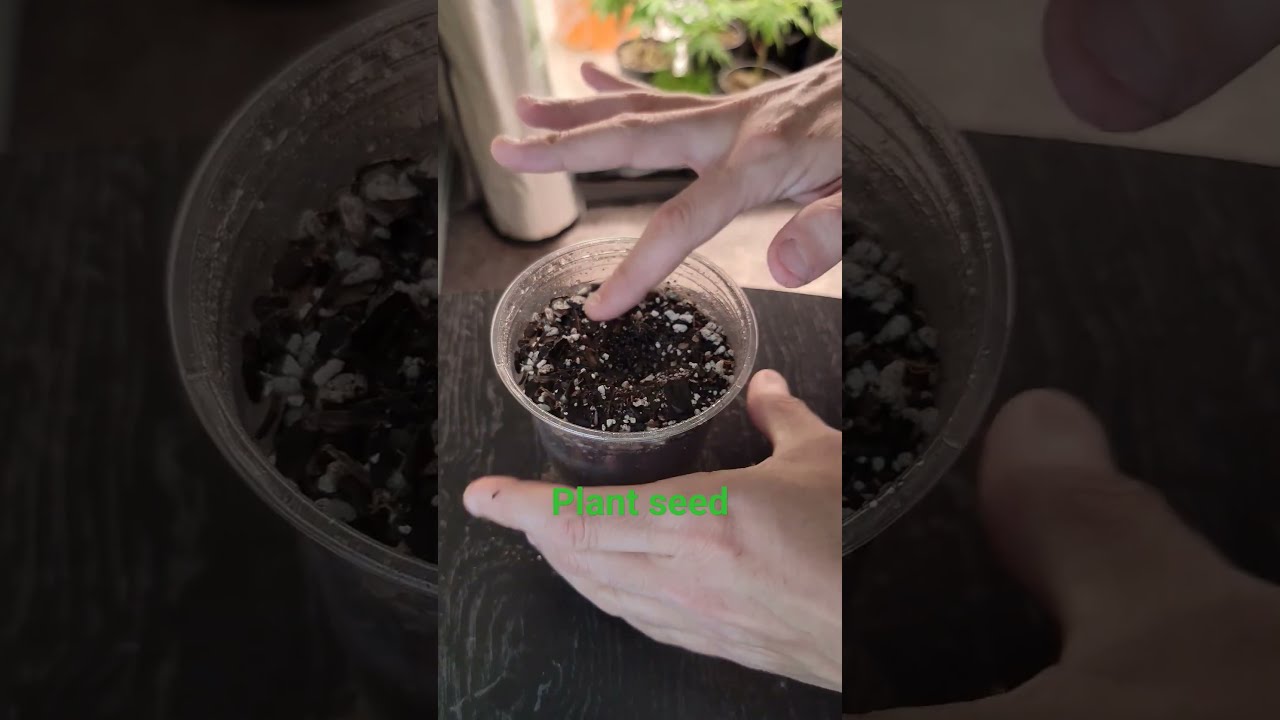
Picking a pot and medium that match your goals Pot size matters more than most beginners expect. Autoflowers have a fixed life span, so root space limits final plant size. For compact, fast grows in small tents, 1.5 to 3 gallons (6 to 12 liters) often hits the sweet spot. If you want larger single-plant yields, move up to 5 to 7 gallons (20 to 28 liters), but know that larger pots hold more moisture and can mask watering mistakes early on.
Soil choices split into three practical paths. Use a ready-made, lightly amended potting soil if you want the gentlest route; brands labeled for cannabis or vegetables typically give moderate nutrient reserves and buffer mistakes. For faster growth and more control, a high-quality soilless mix like coco coir allows stronger feeding schedules and quicker root development. Choose organic living soil if you prefer fewer synthetic nutrients and flavors that develop with time, though those soils often require different feeding routines and can be pricier.
Anecdote: my first autoflower run used a 1.5 gallon pot in store-bought potting soil; the plant flowered at roughly 18 inches and produced decent buds with minimal fuss. The second run used 7 gallons and a richer soil; the plant got lush but suffered a couple of overwatering stress incidents because I treated it like a photoperiod plant and watered too often.
Light and photoperiod — simpler than it looks Autoflowers do not need a light schedule change to flower, but they do respond to total daily light. Most growers choose 18 to 24 hours of light daily. Running 18 hours light 6 hours dark saves a little on electricity and still keeps vigorous growth. Running 20 or 24 hours of light nudges slightly faster growth at the cost of power. Outdoor growers simply provide as much natural daylight as possible; some people give a day or two of constant light immediately after planting to encourage vigor, though that is optional.
Practical light numbers: aim for 400 to 600 PPFD at canopy level for compact autoflowers under LED panels. If you have a less powerful fixture, keep the light closer but watch for heat and bleaching. Overly aggressive light early can scorch leaves; bring panels up gradually.
Nutrition without overthinking Autoflowers are sensitive to nutrient overfeed because they have a short lifecycle and limited time to recover from stress. Start mild and stay consistent. If you use pre-fertilized potting soil, skip added nutrients for the first two to three weeks, then introduce a low-strength vegetative nutrient at 25 to 40 percent of the manufacturer’s recommended dose. Move up slowly. As the plant transitions to visible flowering — usually around three to five weeks depending on the variety — switch to a bloom formula with slightly higher phosphorus and potassium, still at moderate strength.
If you prefer a simpler route, buy a balanced all-in-one nutrient labeled safe for autoflowers and follow the lower half of the recommended dosage chart. Keep EC or ppm in mind if you measure: a common target range in coco or hydro is 0.8 to 1.4 EC (roughly 400 to 1400 ppm on some meters), but check the nutrient maker’s guidance. For soil, ppm numbers are less prescriptive because soils buffer salts differently.
Watch the leaves. Pale yellow on newer growth usually means lack of nitrogen. Dark, clawing leaves or burned tips indicate overfeeding. Flush lightly with plain pH-adjusted water if salts build-up. Avoid the temptation to "correct everything" with large nutrient swings; small corrections are safer.
Watering: feel, weight, and rhythm Autoflowers live fast, and root zone moisture is often the deciding factor in healthy development. Overwatering is the top rookie mistake. Learn to lift the pot to gauge weight. After a full soak and drain, let the pot dry until the top inch or so feels dry before watering again for small pots. For larger pots, you can allow slightly more drying.
Frequency depends on pot size, medium, and environment. In a 2 liter pot in warm tent conditions, daily waterings during stretch are common. In a 7 gallon pot, watering every 3 to 5 days is more typical. When in doubt, err on the side of slightly drier than soggy.
pH matters. For soil, maintain pH around 6.0 to 7.0, with 6.3 to 6.8 being a comfortable middle. For coco or hydro, aim 5.8 to 6.5. If you have a pH meter, test runoff occasionally to catch drift. If you do not measure pH, use stable water and lower nutrient strength to reduce the odds of lockout.
Training and shaping without stunting the plant Autoflowers generally do not tolerate aggressive topping or heavy stress training because they have limited time to recover. Low stress training, however, can increase usable canopy and improve light penetration with minimal risk. Tie down the main stem and pull lower growth out to create an even canopy within the second or third week when plants are still flexible. Supercropping or topping should be avoided unless you grow a particularly forgiving strain and accept the risk.
A common practical routine is to let the plant show 4 to 6 true nodes, then gently tie down the top so lateral branches get more light. This can double mid-level bud sites and usually pays off more than topping on autoflowers.
Practical step checklist
Choose pot: 1.5 to 3 gallons for compact runs, 5 to 7 gallons for larger yields. Start with gentle soil or coco, no extra nutrients for the first 2 to 3 weeks if soil is pre-fertilized. Provide 18 to 24 hours of quality light. Adjust intensity gradually, target 400 to 600 PPFD at canopy. Feed conservatively, 25 to 50 percent of standard doses early, monitor leaf health. Use low stress training early, avoid topping for most autos.
Pest, disease, and environment management Autoflowers benefit from stable, slightly warm conditions. Aim for daytime temperatures of 70 to 85 F (21 to 29 C), and night-time a little cooler, but not cold. Humidity targets change as plants mature: 60 to 70 percent in seedlings, falling to 40 to 50 percent in late flower to reduce mold risk. Small fans that move air across the canopy reduce heat pockets and discourage pests.
Common pests are spider mites, thrips, and aphids. Scouting once every few days during the early vegetative stretch is worth the time; catching an infestation early is dramatically easier than fixing it late. Sticky traps, neem oil for prevention, and biologicals like predatory mites work well for organic approaches. Fungus and bud rot are more likely in dense canopies or under high humidity late in flower. Keep air moving, avoid excessive foliar wetting, and lean toward slightly lower humidity during the final weeks.
Anecdote: I lost a promising outside autoflower to bud rot after leaving a tent closed during a rainy after-sunset session. After that, I always run a small exhaust fan and check trichome-dense colas for early signs of mold in humid conditions.
When to expect harvest and how to read the plant Autoflowers typically finish between 8 and 12 weeks from seed, depending on genetics. Smaller, quicker varieties can finish closer to eight weeks, while larger, resinous strains take ten to twelve. More important than an arbitrary week count is the plant’s appearance and the trichome development.
Pistils alone can mislead. A read more plant with many brown pistils may still have mostly clear trichomes. Use a 30x to 60x loupe to inspect trichomes. Clear trichomes generally indicate immature cannabinoids. Cloudy or milky trichomes signal peak THC levels for many growers who want potency and a mostly energetic high. Amber trichomes convert some THC to CBN, producing a more sedative effect. Most growers harvest when roughly 60 to 80 percent of trichomes are cloudy with a scattering of amber, adjusting the ratio based on desired effects.
If you cannot get a loupe, look for swollen, almost crystalline buds and leaves that begin to yellow as the plant reclaims nitrogen late in flower, but those are secondary cues.
Drying and curing: time invested pays off A fast harvest is tempting to smoke immediately, but proper drying and curing transform taste and smoothness. Hang trimmed branches in a dark room with temperatures around 60 to 70 F (15 to 21 C) and humidity near 50 percent. Proper drying takes about seven to twelve days. Buds should feel dry on the outside but still slightly spongy inside the stem.
Curing in jars for two to six weeks improves flavor and smoothness considerably. Open the jars daily for the first week to release excess moisture and rotate for even curing. Longer cures of two to six months often deepen flavor and aroma if you can wait.
Common mistakes and how to avoid them
Overwatering smaller pots and expecting the plant to recover. Learn pot weight and moisture rhythm; autoflowers hate being waterlogged. Feeding full-strength nutrients from day one. Start low, move slow; autoflowers have little time to bounce back from nutrient burn. Topping too early or aggressively. Save topping for photoperiods; use low stress training instead for autos. Neglecting airflow and humidity control in late flower, inviting bud rot. Monitor environment closely as trichome density rises. Picking by calendar alone. Use trichomes as the reliable harvest cue rather than weeks from seed.
Fine points and troubleshooting If your plant stretches dramatically in the first three weeks, that is often genetic "stretch." Reduce the light distance and support branches as needed. If bud development stalls in week five to seven, check nutrients and pH first, then look at light intensity and root health. Root-bound symptoms in undersized pots can show as slowed growth; if roots are circling and the plant is still young, repotting early into a larger container is possible but risky. For severe underpotting, some growers run multiple small plants deliberately to keep individual plants small but yield-per-area high, a strategic compromise.
If you see tip burn and a dark green, clawed look, dial back nutrients and flush with pH-balanced water. If leaves pale uniformly and new growth is light, give a gentle nitrogen boost. Keep notes: write down strain, seed date, pot size, nutrients and concentrations, light schedule, and each major tweak. A short grow journal pays dividends over multiple cycles as you dial in settings for a particular strain and environment.
Outdoor autoflower runs Outdoors, autoflowers allow multiple crops per season in some climates because they do not depend on photoperiod. Plant early after frost risk and select a location with full sun and good drainage. Protect young plants from heavy rains that can compact soil or splash pathogens onto foliage. Many outdoor growers top-dress with compost between stretches, and side-dress with low-dose organic fertilizers when flowering begins.
Because outdoor conditions vary, microclimates matter. A sheltered south-facing wall can add warmth and increase yield in marginal climates, while coastal fog can slow finishes and increase mold risk later in flower. Plan harvest timing around local weather forecasts to avoid harvesting wet buds.
Final notes on expectations Autoflowers are forgiving and fast, but they are not magic. Expect smaller individual yields than well-tended photoperiod plants of comparable space and effort, but enjoy the payoff of rapid cycles, simpler lighting, and less timing stress. For many hobbyists and stealth growers, the practical balance of speed and simplicity makes autoflowering cannabis a reliable choice.
Start with a single plant, learn its rhythm, and scale up when you understand your microclimate. Keep practices simple: appropriate pot size, conservative feeding, sensible light, basic training, and you will be harvesting fast and often.