Read how the kitten found friends fairy tale for kids
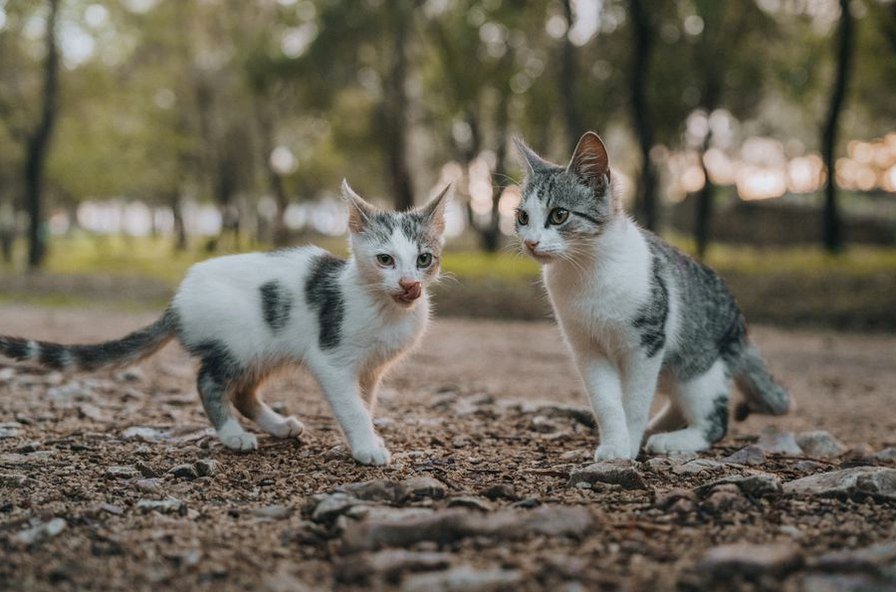
How the kitten found friends fairy tale for kids follows Fluffy, a curious kitten who leaves his forest home, meets dangerous animals, and eventually finds companionship among rabbits, squirrels, and hedgehogs. The story works best as a gentle lesson about friendship, caution, and asking to join a group rather than forcing attention. Adults can use it to discuss safe exploration before reading, especially if a child tends to copy adventurous characters.
What happens in the story
Fluffy lives with his mother in a forester's cottage. He is cared for, entertained, and loved, yet he feels lonely because he has no playmates. After dreaming about having friends, he leaves home while his mother is hunting and follows a path into the forest.
His first encounters show that friendliness alone does not make every meeting safe. The fish do not respond, the wolf tries to catch him, and the fox approaches with the intention of eating him. Fluffy survives because he notices danger and uses practical escape routes: he runs from the wolf and climbs a tall tree to avoid the fox.
Later, he hears cheerful voices and discovers rabbits, squirrels, and hedgehogs playing tag. Fluffy greets them politely, explains that he feels bored and alone, and asks to join. The animals accept him, play with him through the day, and offer to visit the cottage.
Risk lessons for a first forest journey
The tale gives children a clear distinction between a friendly request and an unsafe situation. Fluffy can speak courteously to unfamiliar creatures, but he does not follow every creature or ignore warning signs. His actions show that curiosity needs boundaries.
- Leaving home without telling a trusted adult creates the first major risk. Fluffy's mother becomes worried because she does not know where he has gone.
- A pleasant appearance does not guarantee good intentions. The fox looks beautiful, yet she plans to catch the kitten.
- Escape matters more than winning an argument. Fluffy does not try to persuade the wolf or fox; he creates distance and protects himself.
- Shared play becomes safer when the group is calm and welcoming. The rabbits, squirrels, and hedgehogs listen to Fluffy before inviting him into their game.
These points are useful for parents who want to teach children how to handle a first independent outing. The story should not be presented as permission to wander alone. It offers a fictional situation for discussing who to contact, where to stay, and when to return.
Promises, trust, and practical guarantees
The squirrels promise to walk Fluffy home and visit him each day. The rabbits also ask to visit. These are friendly promises within the story, not legal contract guarantees. Children can still learn that a promise becomes trustworthy when actions support it.
For a real child, an adult's safety agreement should be specific. The child needs to know which places are allowed, which adults may help, and what to do if a stranger offers food, asks for help, or suggests leaving the agreed route. A vague instruction such as «be careful» gives less protection than a short plan practiced in advance.
This distinction also matters when adults buy books or digital stories. A buyer should check the title, the intended age, the reading format, and whether the page contains the complete tale. An attractive cover does not guarantee that the content suits a particular child. The full story can be read first by an adult, who can decide whether the wolf and fox scenes need explanation.
Mistakes readers make on the first reading
Some adults focus only on the happy ending and skip the dangerous encounters. That removes the part that teaches children to identify threats. Others describe Fluffy's secret departure as brave, although the story itself shows that his mother was frightened.
- Do not praise leaving home without permission. Praise Fluffy's courage in escaping danger and telling his mother what happened.
- Do not label every unfamiliar animal as bad. The fish are simply unresponsive, while the rabbits and squirrels welcome him.
- Do not promise that every new group will accept a child. Explain that polite asking is sensible, but the child should leave if the group behaves aggressively.
- Do not treat the squirrels' promise as a substitute for adult supervision. Friendly companions cannot manage every danger.
How to read the tale safely
Before reading, ask the child what Fluffy should do before leaving the cottage. During the wolf and fox scenes, pause and ask which detail signals danger. After the animals invite him to play, discuss how he introduced himself and requested permission to join.
Finish by helping the child create one real-world safety rule, such as telling an adult before going outside or staying with an agreed group. Then read the story again and ask the child to point out where Fluffy needed caution, where he showed good manners, and what concrete next step he should take before his own next adventure.