What Should I Expect in a Remote Cannabis Consultation Call?
Having spent over a decade implementing patient portals and remote consultation workflows within the NHS and private clinics, I’ve seen the healthcare industry pivot from "digital transformation" as a buzzword to a functional, albeit sometimes clunky, reality. We are moving toward a SaaS-like experience in medicine, and the medical cannabis sector is perhaps the most aggressive adopter of this model.
If you are considering a remote cannabis consultation, it is easy to view the process as a simple video call. Go to this website From my perspective, however, the video call is only 20% of the journey. The actual "service" involves a digital ecosystem of intake forms, identity verification, secure portals, and the often-overlooked logistics of e-prescribing and delivery. Here is what happens behind the scenes, where people usually get stuck, and how the clinical process actually functions.
The Pre-Consultation "Friction": The Patient Portal
Before you ever see a doctor’s face on a screen, you will be directed to a secure patient portal. Do not underestimate this step. Many patients treat this like setting up a Netflix account, but these portals are high-security environments designed to capture sensitive health data for clinical accountability.
Where do people get stuck? Usually, it is in the document handling phase. You will likely be asked to upload a summary of your care record (SCR) from your GP. If the file size is too large, or if it is a photo of a document rather than a PDF, the intake form might reject it. Furthermore, the identity verification (IDV) software used by these platforms is sensitive—if your room lighting is poor or your passport isn't properly aligned, the automated systems will lock you out to prevent fraud.

Pro-tip: Have your medical records downloaded as a PDF, not screenshots, before you start. Clear your browser cache if the portal feels sluggish. These systems are built for compliance, not just speed; if the intake form feels long, remember that it is capturing the data necessary for your suitability assessment.
The Consultation: A Digital-First Clinical Encounter
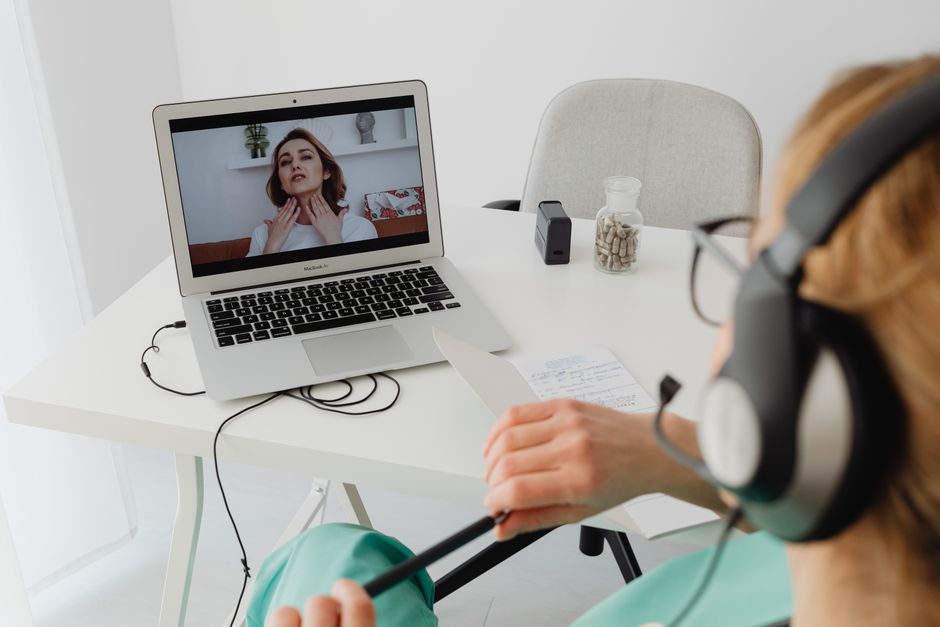
When you finally join the telehealth platform, the experience should be seamless, but it is still a medical encounter. You aren't chatting with a concierge; you are speaking to a clinician who is bound by regulatory frameworks.
The call typically follows a structured logic that mirrors traditional medicine but is optimized for digital throughput:
Symptom Discussion: This is where the clinician assesses the severity and duration of your condition. Be precise. Digital notes are easier to search than paper ones, and the clinician will be documenting your responses in real-time. Previous Treatments: This is a critical regulatory gate. In the UK, medical cannabis is generally a "treatment of last resort." The clinician will check whether you have tried and failed standard treatments for your condition. Have a list of your previous medications and therapies ready—if you don't have this, the consultation will likely stall. Suitability Assessment: The clinician isn't just deciding if you "need" cannabis; they are assessing risk. They will look for contraindications, potential drug-drug interactions, and mental health history.
Don't be alarmed if the clinician seems focused on their screen. They are likely utilizing clinical decision support tools—essentially checklists built into the platform to ensure they haven't missed a regulatory requirement during the assessment.
What Happens After the Call: The Bit Everyone Forgets
This is where the "SaaS-ification" of medicine becomes apparent—and where it often hits a snag. Once the consultation ends, the patient often assumes the work is done. It isn't.
After the call, the https://highstylife.com/why-does-regulation-matter-more-when-healthcare-goes-digital/ clinician must issue an e-prescription. This doesn't go to your local pharmacy. It goes to a specialist medical cannabis pharmacy, which is a separate digital entity. Your data is passed from the clinic’s portal to the pharmacy’s ordering system.
Here is the reality of the post-call workflow:
Clinical Sign-off: The prescribing doctor’s notes are reviewed (sometimes by a multidisciplinary team, depending on the clinic's internal governance). Prescription Generation: The digital prescription is generated and sent to the pharmacy. Payment Link: You will receive a notification via the portal to pay for your medication. Delivery Logistics: The pharmacy fulfills the order. This is where most complaints originate. Medication is a controlled substance and requires a courier who can handle secure, tracked delivery.
Many patients get frustrated when they don't receive their medicine 24 hours after the call. Because this is a controlled drug, there is a rigid audit trail. If you change your shipping address or if the pharmacy has a supply chain delay, the manual oversight required to correct those digital records takes time.
Comparison: Expectations vs. Reality
Aspect Patient Expectation Clinical Reality Speed "I get a prescription instantly." "The clinician must perform a robust suitability assessment first." Documentation "I can upload any photo of my records." "Portal requires specific document types for automated validation." Follow-up "I can just call to change my order." "Changes often require a portal ticket or a new consultation for compliance." Delivery "It arrives like Amazon Prime." "It is a controlled substance requiring secure courier sign-off."
The Truth About "Digital Clinics"
If you see a service promising an "AI-driven" diagnosis or "guaranteed approval," run. In the medical cannabis space, clinical accountability is non-negotiable. AI can help summarize your notes or help the clinician manage the workflow, but the final sign-off must be human. If a system claims to bypass the rigorous review of your previous treatments, they are likely cutting corners on regulation, which puts your health—and the legality of your prescription—at risk.
These clinics are essentially operating as highly specialized software businesses. They use encrypted telehealth platforms because they have to, and they use secure patient portals because they must audit every single piece of information provided. While the interface might feel like modern technology, the medical requirements are as old as the profession itself.
Final Advice for the Patient
If you are booking a consultation, treat it like an appointment at a hospital, not a transaction on an e-commerce site. Have your medical records ready to upload, be prepared to answer hard questions about why previous medications failed, and remember that once the call ends, your prescription has to travel through a strictly controlled chain of custody. The "telehealth" part is the easy bit; the "medical" part is where the real work happens.