DIFC property catalog Buying and Tax Checks
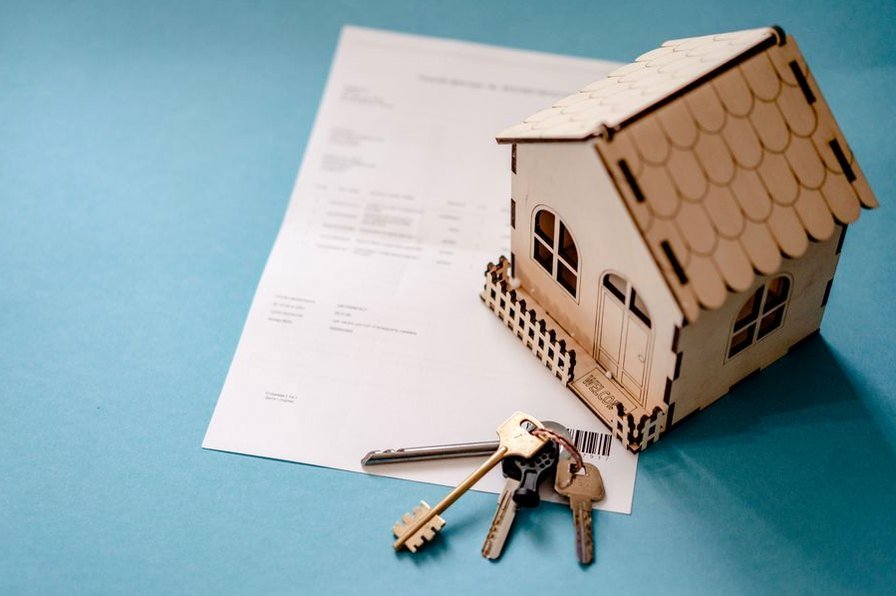
A DIFC property catalog is useful for comparing apartments, penthouses, asking prices, and handover status, but it is not a substitute for legal or accounting review. Current listings show studios from AED 1,250,000, while penthouses start from AED 8,893,500 at the lower end of the advertised range. Buyers should verify the property register, sale documents, payment records, service charges, and tax treatment before committing funds.
DIFC has its own property register for purchases, separate from mainland Dubai procedures. That distinction matters because the buyer must confirm which authority records the transaction, which documents support ownership, and whether the listing describes a completed unit or an off-plan purchase.
What the DIFC property catalog should show
A reliable listing should identify the building, unit type, sale status, price, size, and expected handover position. DIFC listings include studios and one- to four-bedroom apartments, along with duplexes and penthouses in selected mixed-use towers.
Completed apartments suit buyers who want to inspect the building and move in without waiting for construction. Off-plan units require closer review of the development schedule, payment milestones, handover conditions, and the seller’s contractual obligations. A low entry price may look attractive, but delayed delivery or additional project costs can change the cash requirement.
The catalog lists selected handover-ready opportunities from AED 1,700,000 and AED 2,800,000, depending on the building. It also shows studios from AED 1,250,000 and penthouses from AED 8,893,500. These figures are asking prices at the lower end of each category, not proof of completed sale prices.
For a practical comparison, review the DIFC property catalog alongside the seller’s documents. The catalog can help narrow the search, while the legal file confirms what the buyer will actually acquire and pay for.
Documents to request before signing
Ask for a complete property file before paying a reservation amount. The file should identify the seller, the building, the unit, the agreed price, the payment schedule, and the authority responsible for recording the transaction.
- Request the current sale agreement or reservation document, including cancellation terms and payment deadlines.
- Check whether the unit is completed or off-plan and compare the written status with the catalog listing.
- Ask for a clear statement of service charges, maintenance obligations, and any outstanding amounts connected with the unit.
- Match the seller’s payment instructions with the legal entity named in the contract.
- Keep invoices, bank confirmations, correspondence, and signed amendments in one accounting file.
- For an off-plan purchase, review the construction and handover provisions before relying on projected rental income.
The property register should match the contract details. A mismatch in the building name, unit number, seller identity, or price can delay registration and create problems during resale. Buyers should have an independent lawyer or qualified local adviser check the documents before signing.
Why customs clearance documents do not apply
Real estate purchases in DIFC do not use customs clearance documents. Customs paperwork belongs to imported goods, while a property transaction concerns an asset recorded through the applicable property registration process.
This distinction prevents a common administrative mistake. A buyer may need identity, banking, contract, and property-registration documents, but a bill of lading, packing list, import declaration, or customs release is unrelated to purchasing an apartment or penthouse.
If furniture, appliances, artwork, or other goods will be imported separately, those goods create a different compliance file. Their customs, shipping, valuation, and tax treatment should be checked independently from the property purchase. Combining both transactions in one informal file makes accounting and payment reconciliation harder.
Accounting records and tax safety
Accounting treatment depends on whether the buyer is an individual, company, investment vehicle, or operating business. The purchase price should be recorded separately from service charges, maintenance, financing costs, furnishing expenses, and rental income.
Keep the signed contract, payment evidence, registration confirmation, invoices, bank statements, and correspondence concerning adjustments or refunds. These records support the purchase value and help explain the movement of funds if a bank, auditor, or tax adviser asks for evidence.
Do not calculate tax from the catalog price alone. The relevant treatment can depend on the buyer’s tax residence, ownership structure, intended use, rental activity, accounting method, and current UAE or DIFC rules. Service charges and periods without a tenant also reduce the landlord’s actual return.
The advertised gross rental yield for DIFC apartments was 5.5% in April 2026. That figure does not equal net income because maintenance, service charges, vacancies, financing, and applicable taxes may reduce the amount retained. Annual asking rents start from AED 65,000 for a studio and AED 75,000 for a one-bedroom apartment, but those are the lowest advertised rents rather than typical achieved rents.
A tax adviser should confirm whether the buyer needs a business registration, additional reporting, or specific treatment for rental income. The answer should be documented before the buyer chooses between personal ownership and a company structure.
How to screen a listing efficiently
Start with the unit’s legal and financial status rather than its interior features. Confirm whether the apartment is completed, off-plan, or handover-ready, then compare the asking price with the unit size and building location.
- Record the listed price, size, property type, and completion status.
- Request the seller’s legal and payment documents.
- Check service charges, maintenance responsibilities, and expected vacancy costs.
- Separate property records from any imported furniture or equipment records.
- Ask a tax adviser to review ownership, rental income, and reporting obligations.
- Proceed only after the contract and registration details match the chosen unit.
This process is especially useful in DIFC because the district includes completed towers and new developments at the same time. The catalog may show a suitable price, but legal confirmation determines whether the unit is ready, transferable, and financially workable.
Is a DIFC property catalog price a final sale price?
No. Catalog figures are asking prices. The final transaction amount depends on negotiation, contract terms, unit condition, and the completed registration documents.
Are customs documents required to buy an apartment in DIFC?
No. Customs documents apply to imported goods. A property purchase requires transaction, payment, identity, and registration records instead.
What should landlords include in their accounting file?
Keep the sale agreement, payment confirmations, registration records, service-charge documents, maintenance invoices, rental records, and bank statements. A tax adviser should confirm any additional requirements.
Does a 5.5% gross yield equal the landlord’s return?
No. The April 2026 gross yield figure excludes costs such as service charges, maintenance, vacancies, financing, and applicable tax treatment.