Autism Symptoms in Girls Versus Boys: What Parents and Educators Need to Know
Autism Symptoms in Girls Versus Boys: What Parents and Educators Need to Know
When a child’s behavior raises eyebrows at the playground or in the classroom, parents and teachers often ask, “Is this just a phase or something deeper?” The answer isn’t always clear, especially when the child is a girl. Autism spectrum disorder (ASD) has long been associated with boys, but recent research shows that girls may display the condition differently, leading to under‑diagnosis or misdiagnosis. In this article we’ll explore how autism symptoms differ between girls and boys, why those differences matter, and what practical steps can help everyone involved spot the signs early and support the child’s development.
Understanding Core Autism Symptoms
The Universal Building Blocks
Regardless of gender, autism symptoms usually fall into three core categories:
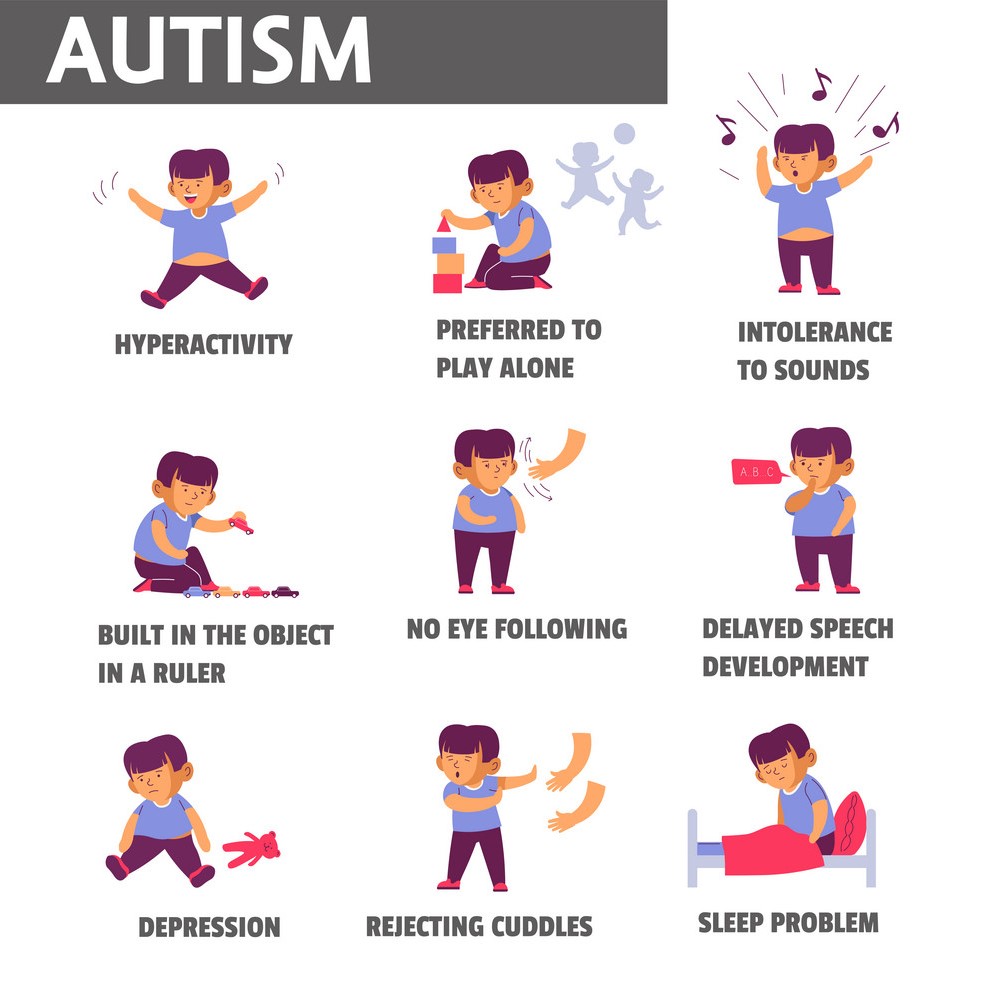
Social communication challenges – difficulty interpreting facial expressions, maintaining eye contact, or taking turns in conversation. Repetitive behaviors and restricted interests – intense focus on specific topics, insistence on sameness, or repetitive movements. Sensory sensitivities – heightened or diminished reactions to lights, sounds, textures, or smells.
These traits form the foundation of the diagnostic criteria used by clinicians worldwide.
Social Interaction: The First Red Flag
Social interaction is where differences often first emerge. Boys may exhibit overtly clumsy play, while girls might mimic peers more convincingly, masking their discomfort. This subtlety can make it harder for observers to notice that a girl is struggling to connect.
Communication Nuances
Girls frequently develop language skills earlier than boys on the spectrum, sometimes using elaborate storytelling to cover their social gaps. Yet, their speech may still be punctuated by literal interpretations of figurative language or a tendency to avoid topics that feel too personal.
Gender Differences in Presentation
Typical Male Presentation
More overt repetitive behaviors – hand‑flapping, spinning objects, or compulsive routines. Clear social withdrawal – often choosing to play alone rather than attempting to join peers. Less emphasis on language – delays in speech are more noticeable and can prompt early evaluation.
Typical Female Presentation
Masking or camouflaging – girls often learn to mimic social cues, which can disguise their struggles. Interest in peers – they may show a keen interest in friendship, but the quality of those interactions is often shallow or unreciprocated. Sensory issues expressed differently – a girl might appear calm but is internally overwhelmed, leading to anxiety or meltdowns that are mistaken for mood disorders.
Why These Differences Matter
If a clinician focuses solely on the “classic” male presentation, a girl may slip through the cracks. Early diagnosis is crucial because it opens the door to targeted interventions that can dramatically improve long‑term outcomes.
Common Misconceptions and Diagnostic Delays
Masking: The Chameleon Effect
A frequent myth is that girls simply “hide” their autism. In reality, masking is a survival strategy: it allows them to fit into social settings, but it drains energy and can lead to burnout. A 2022 study found that girls who mask extensively are at higher risk for depression and anxiety later in life.
Cultural Bias in Screening Tools
Most screening questionnaires were developed with boys in mind. Consequently, girls who meet the diagnostic threshold may not score high enough to trigger a referral. This bias is why many girls receive an ASD diagnosis only after they reach adolescence or adulthood.
Anecdote: The Quiet Girl Who Sparked Change
I once met a https://kylerrwoi016.iamarrows.com/why-is-it-important-to-have-a-multidisciplinary-assessment-team-for-adult-autism 10‑year‑old named Maya. She could recite Shakespeare lines from memory and had an encyclopedic knowledge of astronomy. Yet, she’d often sit at the back of class, eyes darting to the window, refusing to engage in group projects. Her teacher noticed that Maya would rehearse conversations in her head before speaking, a subtle sign of masking. Once a brief observation was made, Maya was referred for an autism evaluation. The Limited pretend play diagnosis came two months later, and the school implemented a social‑skills group that helped her feel more comfortable. Maya’s story is a reminder that the quietest voices often carry the loudest stories.
Practical Tips for Parents and Educators
Early Identification Strategies
Observe play patterns – Are peers engaging in imaginative play, or is the child following a rigid script? Listen for literal language – Do they interpret idioms or sarcasm as if they were factual statements? Check for sensory sensitivities – Do they react strongly to certain textures, sounds, or lights?
Supporting Girls and Boys Equally
Encourage peer interaction – Structured playdates can provide a safe environment for practicing social cues. Validate feelings – Acknowledge that anxiety or frustration is real, even if the cause isn’t obvious. Use visual schedules – These help reduce uncertainty and support routine for both genders.
When to Seek Professional Help
Persistent social withdrawal beyond typical developmental stages. Repetitive behaviors that interfere with daily functioning. Sensory issues that cause significant distress or limit participation.
A simple conversation with a pediatrician or school psychologist can often lead to a comprehensive evaluation.
Moving Forward: Empowerment and Resources
Advocacy and Community
Join support groups – Many local and online communities exist for parents of girls with autism. Attend workshops – Schools and universities often host sessions on gender‑specific autism traits.
Professional Support
Speech‑language therapy – Tailored to address literal language and pragmatic skills. Occupational therapy – Focuses on sensory integration and daily living skills. Cognitive‑behavioral therapy (CBT) – Helps manage anxiety and teaches coping strategies.
A quote from Dr. Tony Attwood, a leading autism researcher, sums it up: “The key to early intervention is recognizing that autism is not a one‑size‑fits‑all condition; it’s a spectrum that looks different in each child.”

Charting a Path Forward
In the grand tapestry of childhood development, autism symptoms in girls versus boys can sometimes be like a hidden thread—delicate, easily overlooked, but integral to the whole picture. By staying observant, asking the right questions, and seeking timely evaluations, parents and educators can help ensure that every child, regardless of gender, receives the support they deserve. Remember, the goal isn’t just to diagnose but to empower each child to thrive in a world that is increasingly aware of, and responsive to, the rich diversity of human experience.