What electrical breakers do for safe home wiring
How breakers protect your home’s electrical system
Every home has a main electrical panel where power from the utility enters and gets split into circuits that run throughout the house. At the center of that panel are breakers, the devices that control whether electricity flows to each circuit. Their job is simple: shut the power off before a problem becomes dangerous. Yet many homeowners don’t think about them until something goes wrong, a tripped breaker, a flickering light, or worse, visible damage on the panel itself.
Understanding how breakers work, what they guard against, and when they need to be replaced is part of keeping a home’s wiring safe. For anyone considering electrical work, whether an upgrade or a fix, knowing the role of breakers is a good place to start.
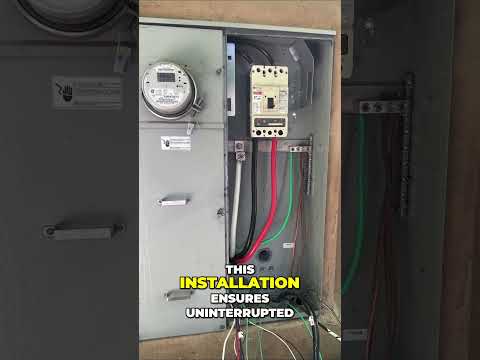
What breakers actually do
A breaker is a switch that senses trouble on the circuit it controls. When current flows normally, the breaker stays closed, letting electricity pass. If something goes wrong, too much current, a sudden spike, or a fault that sends power where it shouldn’t go, the breaker opens, stopping the flow. That interruption protects the wires, the outlets, and anything plugged in from overheating or catching fire.
Breakers come in different types, but the most common in residential panels are thermal-magnetic. That means they respond to heat and to sudden surges. A slow overload, like running too many appliances on one circuit, heats up a metal strip inside the breaker until it bends and trips the switch. A sudden fault, like a short circuit, creates a magnetic field that instantly throws the breaker open. Both mechanisms do the same thing: cut power before the wiring gets damaged.
What breakers protect against
Wiring insulation is designed to handle a certain amount of current. When too much current flows, the wire heats up. If that heat builds up, the insulation can melt, exposing live metal. That exposed wire can then touch another wire, a metal box, or even a grounded surface, causing an arc fault or a ground fault. Both are serious fire and shock hazards.
Breakers are the first line of defense against these conditions. Without them, a loose connection or an overloaded circuit would simply keep heating until something failed catastrophically. That’s why tripped breakers should never be ignored or bypassed. If a breaker keeps tripping, it’s telling you that something on that circuit needs attention. It might be a loose connection, a failing appliance, or a circuit that’s simply carrying more load than it was designed for.
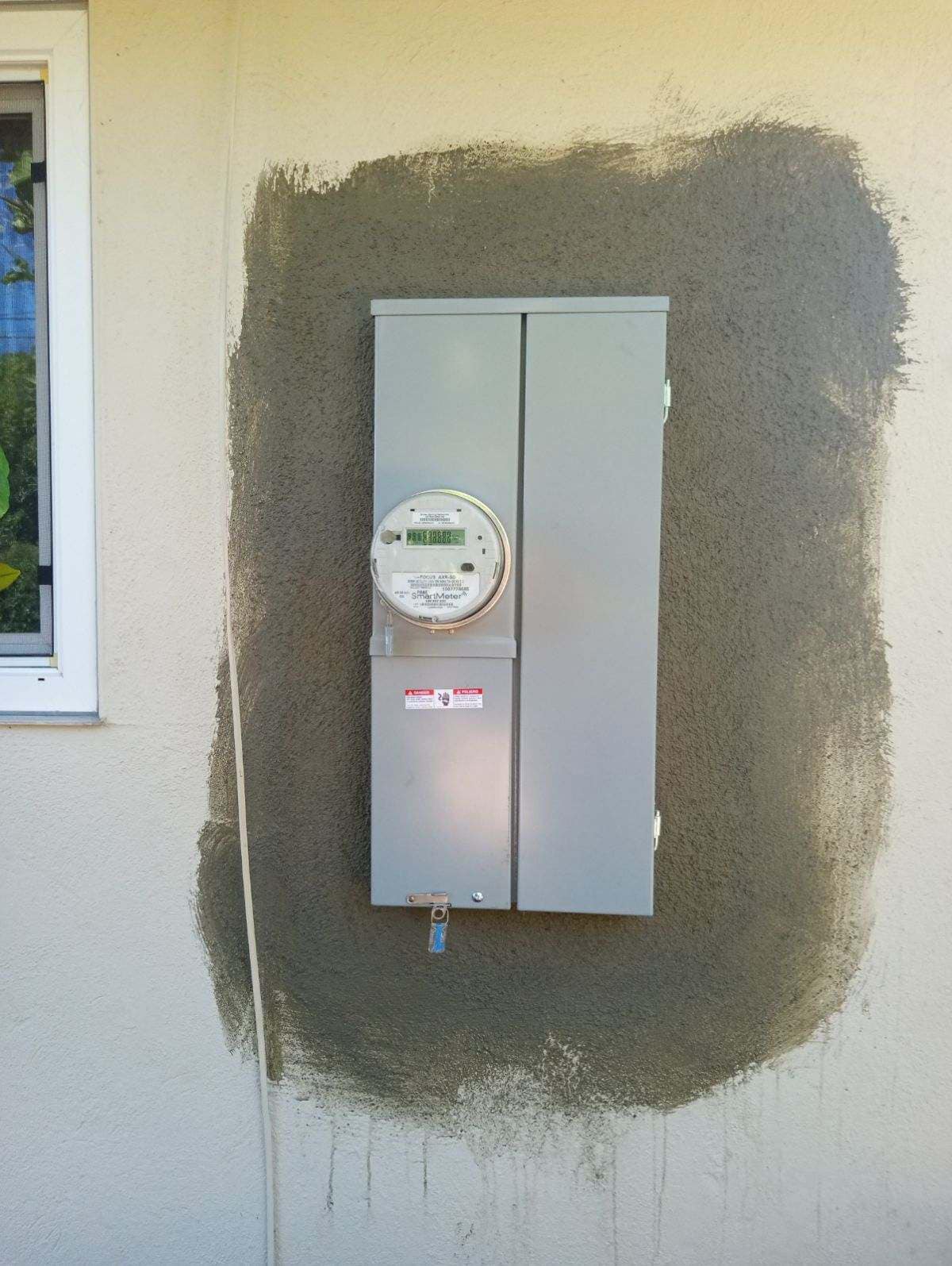
Signs that a panel or breaker might be unsafe
Not every electrical problem shows up as a tripped breaker. Sometimes the warning signs are visual or physical. Burn marks around a breaker slot, a warm panel cover, or a breaker that feels loose when you flip it are all reasons to call an electrician. The same goes for breakers that don’t trip when they should or that trip for no obvious reason. These can indicate internal damage or age-related wear.
Overheating is another clue. A breaker that runs hot to the touch is under stress. That heat can travel to the wiring and the bus bars inside the panel, gradually weakening the connections. Over time, that can lead to an arc fault or a ground fault, both of which are dangerous. A professional can assess whether the issue is a single faulty breaker or a deeper problem with the panel itself.
Loose connections are a common cause of overheating. A wire that isn’t properly tightened inside the breaker can create resistance, which generates heat. That heat can damage the wire and the breaker, and it can spread to nearby breakers. A thorough inspection includes checking the tightness of every connection. That’s not something a homeowner should attempt with the panel live, but it’s part of what an electrician does during an assessment.
When replacement becomes necessary
Breakers don’t last forever. After years of use, the internal mechanisms can wear out. A breaker that trips easily or feels sluggish when you reset it may have lost its ability to protect the circuit. Replacing a single breaker is usually straightforward, but if the panel itself is old or damaged, it may be time for a full upgrade.
For homeowners in the Bay Area, the question of whether to repair or replace comes up often. Older panels, especially those with fuse boxes or breakers that no longer meet modern codes, are a common reason for an electrical panel replacement in Santa Clara. A new panel brings updated circuit protection, more capacity, and breakers that are designed to handle today’s electrical loads. It also eliminates the risk of a panel that was never meant to support modern appliances and electronics.
The decision to replace a panel is not always about visible damage. Even a panel that looks clean can have internal corrosion, worn bus bars, or breakers that no longer trip at the correct current. That’s why a professional assessment matters. An electrician can test each breaker, check the wiring insulation, and look for signs of overheating or arcing that a homeowner wouldn’t see.

Another factor is the age of the panel. Panels from the 1970s or earlier often lack ground fault protection on certain circuits. They may also have breakers that are no longer manufactured, making replacements hard to find. In those cases, a full panel upgrade is usually the safer and more practical option.
How breakers fit into overall circuit protection
Breakers are part of a broader system that includes the wiring, outlets, switches, and the loads themselves. A well-designed system has breakers sized to match the wire gauge on each circuit. A 15-amp breaker on a circuit with 14-gauge wire is standard. Put that same breaker on a circuit with 12-gauge wire, and the protection is still fine, but the breaker won’t trip as quickly for the same overload. The relationship between breaker size and wire size matters, and it’s one reason why DIY panel work can be risky.
Modern panels also include arc fault circuit interrupters (AFCIs) and ground fault circuit interrupters (GFCIs) on certain circuits. AFCIs detect the unique signature of an arc fault, a spark jumping between wires, and shut the power off before the arc can start a fire. GFCIs detect tiny leaks of current to ground, the kind that would pass through a person in a shock scenario. Both are now required by code in many parts of a home, and they add a layer of protection that older panels simply don’t have.
What homeowners should know about panel safety
The panel itself should never feel warm to the touch. If it does, there’s likely an overload or a loose connection inside. A warm panel is a sign that something needs attention, and it’s worth calling an electrician for an inspection. Similarly, if you see rust, corrosion, or water stains near the panel, that’s a red flag. Moisture inside a panel can cause short circuits and corrosion that weakens the connections and the breakers themselves.
Another thing to watch for is a breaker that won’t stay reset. If you flip it to on and it immediately trips again, don’t keep trying. That breaker is telling you there’s a problem on that circuit. Unplug everything on that circuit and try again. If it still trips, the fault is likely in the wiring or the panel. That’s a job for an electrician.
Finally, never replace a breaker with a larger one without checking the wire size. Putting a 20-amp breaker on a circuit with 14-gauge wire means the wire can overheat before the breaker trips. That’s a fire risk. The breaker is there to protect the wire, not the appliance. The appliance’s own fuse or breaker is what protects the appliance. The panel breaker protects the wiring in the wall.
For anyone living in the Santa Clara area, understanding these basics helps when talking to an electrician about an electrical panel replacement in Santa Clara. Whether the issue is a single faulty breaker or an entire panel from a different era, knowing what breakers do and what signs to look for makes the conversation more productive. It also helps homeowners make informed decisions about when to repair and when to replace.
Circuit protection is not a set-and-forget system. Breakers age, connections loosen, and panels get pushed beyond their original design. Keeping an eye on the panel and responding to warning signs early is one of the simplest ways to keep a home’s wiring safe. And when the time comes for an upgrade, the new panel will bring breakers that are more sensitive, more reliable, and better matched to the demands of a modern home.