Pinched Nerve Relief: Nerve Block Options with a Pain Management Doctor
Pinched nerves can hijack your day in an instant. A quick twist while loading groceries, a long stretch at a desk, a weekend home project that was more ambitious than expected, and suddenly you feel a hot wire of pain down an arm or leg. Some patients describe a pinched nerve as a sharp, electric line. Others feel deep aching, numbness, or an unsettling sense that their arm or leg no longer listens. When symptoms linger, a pain management doctor can use targeted nerve blocks to calm the irritated nerve, break the pain cycle, and give you a chance to regain function.
This guide pulls from practical clinic experience with patients who arrive after weeks, sometimes months, of sciatica, cervical radiculopathy, or stubborn thoracic discomfort that hasn’t yielded to rest and pills. It explains what a nerve block is, how it differs by region of the spine or body, who benefits, and how a comprehensive plan with a pain management physician turns a temporary numbing shot into lasting relief.
What physicians mean by a “pinched nerve”
“Pinched nerve” is a useful shorthand, but it covers several mechanisms. In the spine, the classic story involves a herniated disc pressing on a nerve root, or bone spurs narrowing the exit tunnel of that nerve. We call that radiculopathy. In the neck, you might feel shooting pain down the arm with tingling into the thumb or ring finger, depending on the level. In the low back, pressure on the L5 or S1 nerve root often radiates into the calf or foot. Outside the spine, nerves can get compressed at specific tunnels, like the median nerve at the wrist in carpal tunnel syndrome, or the lateral femoral cutaneous nerve in meralgia paresthetica.
The nervous system doesn’t always play by neat rules. A patient with a “small” disc bulge on MRI can have severe pain because the nerve is chemically irritated by inflammatory proteins, not just squeezed. Another person with an impressive disc protrusion may feel surprisingly okay. This variation is why a pain management specialist spends time correlating your symptoms with exam findings and imaging, then selecting a nerve block that targets the true generator rather than what looks dramatic on a scan.
The role of a pain management doctor in pinched nerve care
A board certified pain management doctor evaluates not only the sore spot but the whole system: posture, muscle tone, movement patterns, and the interplay between joints and nerves. In clinic, we sort pinched nerve suspects into a few categories. Some flareups resolve with time and conservative care. Others persist because inflammation never truly settled or mechanics keep re-irritating the nerve. When daily function and sleep suffer, a pain management physician can introduce interventional options, such as epidural steroid injections or selective nerve root blocks.
The goal is not simply numbing. It is diagnostic confirmation plus therapeutic relief. If you have L5 radiculopathy, a precisely placed L5 nerve root block can confirm the diagnosis by providing a predictable pattern of relief, then support healing by reducing inflammation enough for therapy and movement to restore normal mechanics. This is where a comprehensive pain management doctor adds value, translating block results into the next steps of care, not just giving a one-off shot.
Nerve block basics, in plain terms
A nerve block uses a small amount of local anesthetic, often combined with a corticosteroid, delivered exactly where a nerve or its covering is inflamed. The local anesthetic quiets pain signals within minutes to hours. The steroid, when used, takes effect more gradually over 24 to 72 hours and can reduce swelling around the nerve for weeks or months.
Guidance matters. An interventional pain management doctor uses real-time fluoroscopy (X-ray) or ultrasound to place the needle safely and accurately. Most spine-related nerve blocks rely on fluoroscopy, while many peripheral nerve blocks use ultrasound to visualize the nerve and nearby vessels.
Expected relief varies. Some patients experience dramatic pain reduction after the first injection. Others feel partial relief that accumulates over a series of one to three injections spaced a couple of weeks apart. The steroid’s benefit is not permanent, but it can last long enough to retrain movement patterns, strengthen supportive muscles, and reduce recurrent flares.
Common nerve block options for pinched nerves
Epidural steroid injection for lumbar or cervical radiculopathy
An epidural steroid injection places medication into the epidural space around the irritated nerve roots. It can be performed by interlaminar approach (midline) or transforaminal approach (through the foramen where the nerve exits). In clinical practice, a transforaminal route often delivers medication closer to the inflamed root, which can be helpful for focal radicular pain such as sciatica.

Selective nerve root block
A selective nerve root block targets a single nerve level to answer a precise question. If your MRI shows two possible culprits, a pain medicine physician might block one level today and another later to see which injection reproduces and then relieves your usual pain. This diagnostic clarity prevents unnecessary procedures and guides surgery decisions if needed.
Facet medial branch block and radiofrequency ablation
Sometimes what feels like a pinched nerve is actually referred pain from arthritic facet joints. A medial branch block numbs the tiny nerves that supply those joints. If two sets of test blocks produce significant relief, a radiofrequency ablation can cauterize those pain fibers to provide months of improvement. It doesn’t treat nerve root compression, but it often helps patients whose back or neck pain coexists with radiculopathy.
Peripheral nerve blocks
When a peripheral nerve is squeezed outside the spine, such as the suprascapular nerve in shoulder girdle pain, the lateral femoral cutaneous nerve in thigh numbness, or the occipital nerves in headache patterns, ultrasound-guided blocks can reduce pain and confirm the diagnosis. In practice, these blocks often buy time for bracing, ergonomics, and targeted therapy.
Sympathetic blocks
Not typical for a straightforward pinched nerve, but in cases where nerve injury triggers sympathetic overactivity and disproportionate pain, a stellate ganglion block (neck) or lumbar sympathetic block (low back/leg) can quiet the system. A comprehensive pain management doctor considers this when the clinical picture suggests complex regional pain syndrome or a neuropathic component that outstrips the mechanical issue.
What the appointment looks like
Most pain management practices follow a consistent flow. The visit begins with a careful history: onset, aggravating positions, nighttime symptoms, red flags like bowel or bladder changes, and prior treatments. The exam checks strength, reflexes, sensation, and nerve tension signs such as Spurling’s maneuver for the neck or straight leg raise for the low back. Imaging is reviewed for concordance with your symptoms.
If a nerve block is appropriate, you’ll receive details about the approach, expected benefits, and risks. For spine injections, you lie on a procedure table, typically prone. The skin is cleaned with antiseptic. A small amount of local anesthetic stings for a few seconds, then the deeper needle work is mostly pressure, not pain. Fluoroscopy confirms the needle path and contrast dye shows spread in the epidural space. Medication is delivered slowly. The whole process often takes 10 to 20 minutes, then a brief recovery period.
With ultrasound-guided peripheral nerve blocks, you might sit or lie on your side while the doctor tracks the nerve and surrounding vessels on screen. A thin needle is advanced in-plane, and you can watch the anesthetic’s halo spread around the nerve if you wish.
Safety profile and practical risks
Complications are uncommon when blocks are performed by an experienced interventional pain specialist doctor using image guidance. Still, we talk through real risks, not just theoretical ones. Short-term soreness at the injection site is the most frequent complaint. Transient numbness or weakness along the distribution of the anesthetized nerve is expected and typically fades as the local anesthetic wears off. Diabetics can see a temporary blood sugar rise after steroid exposure. Steroid-related side effects such as flushing, insomnia, or mood changes occur in a small minority and usually resolve within a few days.
Serious risks like infection, bleeding, or nerve injury are rare, especially when screening, sterile technique, and imaging are used. With cervical transforaminal injections, many clinics choose non-particulate steroids and meticulous technique to minimize embolic risk. Patients on blood thinners get individualized plans, sometimes with brief medication holds coordinated with the prescribing physician. Your pain management MD should review these details ahead of time so there are no surprises.
Choosing between epidural injection, selective block, and other options
The decision hinges on the pattern and severity of symptoms, exam findings, and imaging. A patient with classic L5 sciatica and a matching disc herniation often benefits from a transforaminal epidural at the L5 level. If the MRI shows multilevel stenosis and the pain is less sharply radicular, an interlaminar epidural might provide broader coverage. When two levels are plausible culprits, a selective nerve root block is diagnostic and therapeutic.
Occipital nerve blocks come into play when neck pain blends with headache that radiates to the scalp. Suprascapular blocks can help stubborn shoulder pain with a neuropathic component. For peroneal nerve compression at the fibular head, an ultrasound-guided block plus bracing and gait retraining reduces irritation as the nerve recovers.
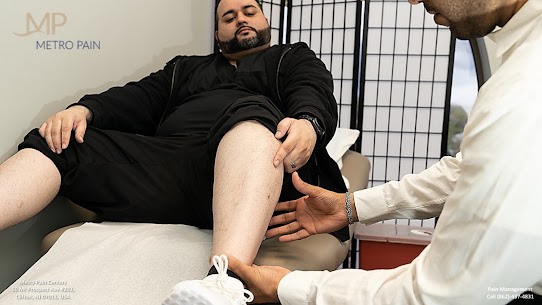
An experienced pain medicine doctor uses each block as a piece of a larger strategy. The immediate objective is pain control. The second objective is clarity. If a selective block eliminates pain, you have actionable evidence to guide further treatment, whether that is continued conservative care, radiofrequency ablation if facet-mediated pain is confirmed, or a surgical referral in the right circumstances.
What relief looks like in real life
One patient with a C6 radiculopathy could barely hold a coffee mug in her right hand. Her MRI showed a right-sided C5-6 disc osteophyte complex narrowing the foramen. A selective C6 nerve root block reduced her arm pain from an eight to a one within 48 hours. Grip strength improved over two weeks, and she progressed through four weeks of focused physical therapy emphasizing scapular stabilization, cervical traction, and posture cues for laptop work. She required one more injection two months later and has maintained function without surgery for over a year.

Another patient, a contractor in his fifties, had severe left-sided sciatica after a weekend lifting project. He could not sit more than five minutes. A transforaminal L5 injection let him begin gentle hamstring and hip flexor work, then core and glute activation. We combined the injection with a short course of neuropathic medication at bedtime for sleep and nerve pain modulation. He returned to full work by week six with a modified lifting plan.
These are representative outcomes, not guarantees, but they illustrate the role of a pain management provider as both a proceduralist and a guide. The injection unlocked tolerance for movement, which solidified the gains.
Beyond the block: the comprehensive plan
Nerve blocks are tools, not endpoints. To translate temporary relief into lasting results, we couple them with specific steps you can carry into daily life.
Short-term adjustments: posture supports for desk work, a brief deload from heavy lifting, sleep positioning tweaks using pillows to keep the neck neutral or the hip slightly flexed if sciatica flares. Targeted physical therapy: neural gliding techniques when appropriate, progressive loading of stabilizer muscles rather than just stretching, and a transition plan from clinic-based work to home exercise. Medication strategy: use anti-inflammatories and neuropathic agents judiciously. A non opioid pain management doctor can help you limit or avoid opioids by optimizing alternatives. Conditioning and recurrence prevention: hip hinge mechanics, controlled spinal rotation, and shoulder blade control reduce repeat pinches better than generic gym routines. Reassessment: if relief is partial or short-lived, your pain management consultation doctor reassesses for adjacent levels, myofascial contributors, or hidden drivers like sacroiliac joint dysfunction.
A multidisciplinary pain management doctor often coordinates with physical therapists, neurologists, and spine physicians. When a patient’s journey suggests surgical compression that won’t yield to conservative measures, your pain management and spine doctor can refer to an orthopedic or neurosurgical colleague with clear documentation from selective blocks to guide the operation.
Timing matters: when to seek help
If your pain is intense, constant, and runs in a predictable line down an arm Clifton pain management doctor or leg, do not wait months hoping it will disappear. Early evaluation by a pain management physician can save time and frustration. Red flags such as new bowel or bladder dysfunction, saddle anesthesia, severe unrelenting night pain, or rapidly worsening weakness require urgent assessment, sometimes in an emergency setting.
Most cases fall in the middle ground. You try rest, careful activity, and perhaps an anti-inflammatory for a week or two. If pain remains high or function is slipping, a pain management evaluation doctor can pin down the diagnosis and discuss options. For those who prefer to avoid surgery, an interventional pain specialist doctor can outline non surgical paths with clear milestones and stop-points.
How long does relief last?
Durations vary. A single epidural steroid injection for an acute disc herniation might provide months of relief, long enough for the disc to dehydrate and retract slightly and for the nerve to calm. Chronic stenosis may respond, but sometimes needs periodic repeats. Many practices limit epidural injections to a few per year to minimize steroid load while still offering benefit.
Peripheral nerve blocks typically provide days to months of relief, depending on the cause. When a test block reliably helps facet pain, radiofrequency ablation can extend relief for six to twelve months on average, sometimes longer. The arc of benefit depends on your tissues, your habits, and whether you take advantage of the pain-free window to rebuild capacity.
The art and science of precision
Image guidance, appropriate steroid selection, and confirmation of spread make a big difference. A comprehensive pain management doctor focuses on details like non-particulate steroids for cervical transforaminal injections, minimizing contrast volume in patients with renal issues, and ultrasound visualization to avoid arteries during peripheral blocks. The technical component is only part of the skill. Pattern recognition, choice of target, and integration with rehab elevate an injection from a simple procedure to a turning point.
For example, a patient with mixed symptoms, neck and shoulder pain plus tingling in the thumb, may benefit more from a C6 selective nerve root block than from a general interlaminar cervical epidural. Another patient with leg aching worse when standing still and better when sitting might have neurogenic claudication from lumbar stenosis and respond better to an interlaminar epidural that bathes multiple nerve roots. This judgment is the hallmark of an advanced pain management doctor who has seen thousands of cases and knows when textbook answers don’t fit real bodies.
Communication points to cover with your doctor
Show up prepared. Clear communication speeds the path to relief and keeps you safe.
Describe your pain map in your own words: where it starts, where it travels, what it feels like, and what worsens or eases it. Share your goals: sit through a workday, carry a child, sleep six hours, finish a shift without numbness. Review medications and supplements, including blood thinners and diabetes treatments, because they affect timing and risk. Ask about expectations: how quickly will pain improve, what side effects to watch for, and what to do if numbness lingers. Clarify the rehab plan: what to start the day after the injection, when to progress, and how to measure success.
A pain management care provider should welcome these questions. The more precise the plan, the more likely you’ll translate a temporary block into lasting gains.
When injections are not the answer
Even in a clinic that performs thousands of blocks, many patients are guided away from injections. If your symptoms are mild and improving with time, an injection exposes you to risks without proportional benefit. If pain is clearly muscular without a radicular pattern, targeted soft tissue work and exercise may do more. If the main problem is instability or a large structural compression with progressive weakness, the conversation may pivot to surgical options sooner rather than later. A medical pain management doctor earns trust by helping you avoid unnecessary procedures.
Locating the right specialist
Search behavior often starts with “pain management doctor near me” and yields a long list. Focus on training and scope. A pain management anesthesiologist or pain medicine physician with interventional expertise should be board certified and comfortable discussing conservative care, procedures, and when to involve surgery. Look for a pain management practice doctor who integrates therapy and lifestyle coaching into the plan, not only injections. Patients with complex histories benefit from a long term pain management doctor who tracks outcomes over years, not weeks.
If your symptoms are highly specific, such as neuropathy or occipital headaches, it helps to see a pain management and neurology doctor or a pain management expert physician with experience in those syndromes. For mixed musculoskeletal and radicular issues, a pain management and orthopedics doctor or a pain management and rehabilitation doctor can link biomechanics to nerve irritability. Titles matter less than the clinician’s willingness to listen, explain, and tailor care.
Setting realistic expectations
A frank conversation about outcomes prevents disappointment. The average patient with an acute pinched nerve from a disc herniation can expect significant improvement with a combination of one to three injections, targeted therapy, and time. Those with chronic stenosis often achieve meaningful but partial relief, managed with periodic procedures and ongoing conditioning. It’s not uncommon for someone to need a booster injection after several months, especially if work demands or life stressors reintroduce the irritant. The measure of success is not the absence of all sensation, but the return of function and the ability to live your routine without fear of the next flare.
Patients sometimes ask whether they should “save” injections for later, as if there’s a fixed quota. A better way to think about it: timing the intervention to shorten the disability period and avoid secondary problems like deconditioning, sleep loss, or reliance on sedating medications. An experienced pain treatment doctor balances the benefits of early relief with the natural course of healing.
Putting it together: a practical path
A strong plan for pinched nerve relief builds in stages. Start with precise diagnosis by a pain management provider who correlates your story with exam and imaging. Use a targeted nerve block to confirm the pain generator and reduce inflammation. Step into guided therapy that rebuilds capacity while pain is controlled. Implement daily mechanics that keep pressure off the nerve during recovery. Check in at realistic intervals to adjust the plan. If you reach a plateau or if red flags emerge, revisit the diagnosis and consider advanced options like radiofrequency ablation for facet pain or, in select cases, a surgical referral.
Whether you see a pain relief doctor for a first episode of sciatica or a complex pain management doctor for long-standing neck and arm symptoms, the principles hold. Precision beats guesswork. Minimal necessary intervention beats shotgun approaches. And the best pain management doctor is the one who helps you regain control, not just for the next week, but for the routines and roles that matter to you.