Botox and Alcohol: What’s Safe Before and After?
The most common “quiet confession” I hear in clinic happens while the patient is still holding the consent form: “I have a dinner tonight. Can I have a glass of wine after my Botox?” The second most common shows up a day earlier: “It’s my birthday this weekend. If I get Botox on Friday, can I still celebrate?” These are practical questions, and the answers are not one-size-fits-all. Alcohol does not cancel Botox, but it can change your bruising risk, swelling, and even how the results look in the first few days. If you plan well, you can enjoy both.
This guide explains why alcohol matters before and after Botox injections, what’s actually safe, how timing affects risk, and how to course-correct if you slipped and sipped. It draws on the physiology behind bruising and vasodilation, common scenarios I see in practice, and the small details that separate a smooth recovery from a blotchy one.
The short answer upfront
If you only need the headline: avoid alcohol for 24 hours before Botox and for 24 to 48 hours after. That window cuts down your odds of bruising, noticeable swelling, and post-procedure headaches. Beyond 48 hours, moderate drinking is generally fine for healthy adults when no unusual side effects are present. If you have a major event or photos in the next week, extend the buffer to two to three days on each side to keep the skin looking calm and even.
The nuance matters though. The dose you receive, the areas treated, medications you take, and your personal bruise threshold all influence how strict your alcohol plan should be.
Why alcohol changes your Botox experience
Botox for wrinkles, whether for forehead lines, frown lines, or crow’s feet, is delivered via tiny injections into specific facial muscles. The product needs to stay where it is placed, settle without unnecessary tissue trauma, and undergo its predictable timeline: no visible change the first 24 to 48 hours, a softening that builds through days 3 to 7, and peak effect by days 10 to 14. Alcohol can complicate that early phase.
Alcohol causes vasodilation. In plain terms, it widens superficial blood vessels. Wider vessels near needle entry points bleed a little more, which means more bruising. Alcohol can also make platelets less sticky and shift fluid balance, so tissues hold more water for a short period. Pair a blood-thinning effect with a sharp needle and you have a greater chance of purple dots or broader smudges around the injection sites. If you are prone to under-eye swelling or have very delicate crow’s feet skin, even a single drink can be enough to tip you into a puffy look the next morning.
There is no credible evidence that alcohol in typical social amounts “deactivates” Botox or reduces long-term results. The neurotoxin does not interact with alcohol in a way that neutralizes it. The concern is about visible downtime and comfort, not effectiveness. The exception is heavy drinking, which can affect healing, sleep quality, blood pressure, and post-injection headaches. Those factors indirectly make recovery bumpier.
Timing rules that hold up in real life
The 24-hour rule before and after Botox is a good baseline for most healthy patients getting standard areas treated. I adjust recommendations when the plan includes sensitive zones or higher unit counts. For example, baby Botox or micro Botox, which use lower Botox dose per area, typically cause less bruising, but they still involve multiple needle entries. Masseter injections for jawline slimming or TMJ can lead to more post-treatment tenderness, so I push the alcohol-free period to 48 hours before and after. If I am treating under-eye lines or doing a lip flip, I also tighten the window because the tissue is delicate and swells easily.
I also look at the week as a whole. Suppose you have wedding photos in four days. It is wise to avoid alcohol altogether from the day before injections until at least two days afterward, then reassess based on how the skin looks. Botox results timeline varies a little by person, but the most photogenic window after first-time Botox is usually days 7 to 14, when bruises have faded and the effect has settled. If you are doing last-minute wedding Botox, the best move is to minimize every preventable variable, and alcohol is an easy one to control.
Pre-Botox specifics: how to set yourself up well
A good pre-treatment plan improves both immediate recovery and the quality of natural looking Botox. Beyond skipping alcohol for a day, consider the other variables that amplify bruising and swelling. Aspirin, ibuprofen, naproxen, fish oil, high-dose vitamin E, and some herbal supplements like ginkgo, ginseng, and garlic increase bleeding tendency. Your injector will give guidance on which items to pause and for how long. If you take these medications under a doctor’s direction, do not stop them without medical advice. In that case, expect a higher bruise risk and plan timing accordingly.

Hydration matters more than people think. Well-hydrated skin responds better to needle passes and is less likely to look creased or irritated. Aim for steady water intake for 24 to 48 hours ahead of your appointment.
Finally, be honest about recent alcohol. If you had two cocktails the night before, tell your provider. It may change the needle gauge they choose, the number of passes, or whether they postpone tiny, high-visibility spots under the eyes. There is no judgment in these conversations. It is about trade-offs and expectations.
What’s safe after Botox: from the first hour to day three
Right after Botox injections, the priorities are keeping the product where it was placed and letting micro-trauma settle without provoking new bleeding. Most of the old rules still apply because they have practical value, even if some are more tradition than hard science.
The first four hours carry the most caution. Stay upright, skip pressure on the treated zones, avoid strenuous exercise, and do not touch or massage the area unless instructed. Alcohol fits the same logic. It raises the chances of a flush, a headache, and bruise expansion. If you want the safest path, wait until the next day.
Between 24 and 48 hours, light to moderate alcohol may be fine for many people, particularly if bruising is minimal and swelling is not noticeable. Start small, like half a glass of wine, and pair it with food and water. See how your face feels and looks the next morning. If you bruise easily, give yourself 48 hours before resuming.
How different treatment areas respond to alcohol
Forehead lines and frown lines: These zones are forgiving. The skin is thicker, and bruising is less common than around the eyes or lips. Moderate alcohol after 24 hours usually causes no trouble, especially in patients who do not bruise easily. If your injector placed a Botox eyebrow lift or tailored brow shaping, respect the first-day restrictions and keep alcohol light on day two to avoid fluid shifts that can feel puffy around the brow.
Crow’s feet and under-eye lines: The periocular area is delicate and densely vascular. Even one drink soon after treatment can exaggerate swelling by morning. If you have a history of Botox bruising here, abide by a 48-hour no-alcohol rule.
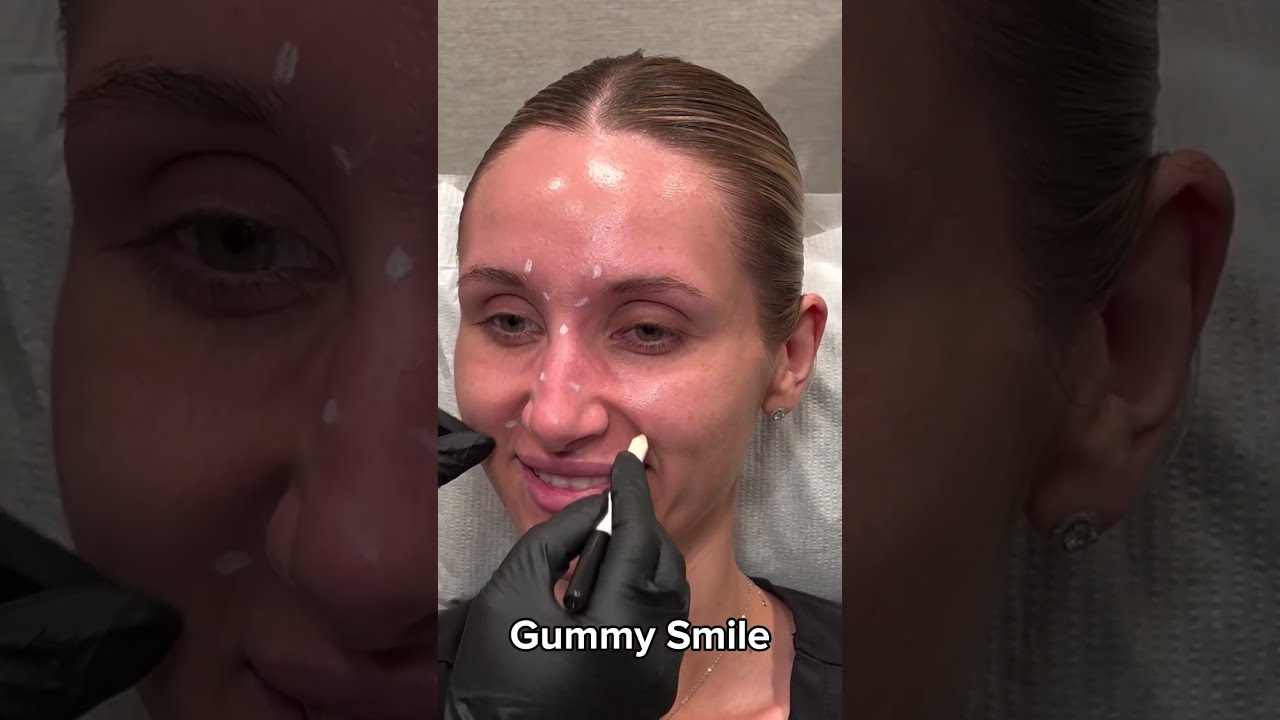
Lip flip and smile lines: Small doses near the mouth change how fluids pool around the upper lip and nose. Alcohol can make this look puffy or slightly uneven in the first 24 to 36 hours. If you are new to a lip flip, let the effect settle before drinking. It makes the learning curve easier.
Masseter and jawline slimming: Depth and muscle size introduce more potential for soreness and a dull ache later the same day. Alcohol can amplify headaches or clenching for some. Waiting 48 hours before drinking tends to minimize discomfort.
Neck lines, platysmal bands, and tech neck: These areas can form small, visible bruises that look worse when the neck flushes. Alcohol magnifies that flush. Plan for 48 hours of caution if your work or social calendar includes high-collar outfits or photos.
Migraine and TMJ treatments: While these are medical uses and often use higher unit counts, the rules are similar. Alcohol can be a migraine trigger. If you are receiving Botox for migraines, consider delaying alcohol for at least two days to avoid confounding the immediate post-treatment headache with a triggered one.
Hyperhidrosis treatments: For sweaty underarms, hands, or scalp, alcohol does not meaningfully affect placement, but it can contribute to vasodilation at the skin surface. Bruising is possible, especially in the hands. A 24-hour buffer remains sensible, and 48 hours is safer for the palms.
Alcohol, exercise, and aftercare: how they interact
Many patients ask whether they can trade a skipped drink for a gym session. Both alcohol and intense exercise increase blood flow and body temperature, and both can make bruises worse in the first day. Stacking them compounds the Charlotte botox effect. Ideally, avoid exercise and alcohol for the first 24 hours, then add back one at a time. If you prefer to keep your workout, skip the drink until the following day.
Skincare after Botox also plays a role. Exfoliating acids, retinoids, and hot facials increase redness and can exaggerate alcohol-induced flush. Keep skincare gentle for the first night, then resume normal routine the next day if the skin looks calm. Facial massage, gua sha, or lymphatic work should wait at least 24 hours, and longer for high-risk bruise zones. Combining vigorous facial manipulation with alcohol is a recipe for blotchy patches.
Planning around events: weddings, holidays, and photos
A practical rule for big events: set your Botox appointment two to three weeks before the date. That window allows for the full Botox results timeline and any needed touch ups around day 10 to 14. It also sidesteps the temptation to drink in the first 48 hours. If you must treat closer to an event, like holiday Botox before a party or a wedding Botox timeline that is compressed, tighten your alcohol plan. Avoid drinking for two days before and after injections, keep salt intake moderate, and sleep with your head slightly elevated for the first night. You will look more polished in pictures.
I have seen several “botox gone wrong” stories that were not bad technique, just poor timing. One patient had a lip flip at lunchtime and cocktails at a corporate gala that evening. She woke the next morning with swelling that made the lip look unbalanced. By day three, it settled nicely. The long term results were fine, but the short-term anxiety was avoidable.
How many drinks count as “moderate” after Botox?
There is no formal Botox-specific definition, so use standard health guidelines and your own history. For most people, one drink is 5 ounces of wine, 12 ounces of beer, or 1.5 ounces of spirits. In the 24 to 48-hour window after injections, a single drink with food is often tolerated, but the safest choice is none at all. Two or more drinks in that window clearly increase bruise and flush risk. Heavy drinking is a different category, with broader health implications and a much higher chance of next-day facial swelling and headaches.
Does alcohol affect Botox longevity?
Not in a meaningful way for typical social drinking. Botox longevity primarily depends on the dose, your muscle strength, how expressive you are, metabolism, and whether you maintain consistent touch-up timing. Anecdotally, people who sleep poorly, train intensely, or are under chronic stress sometimes feel their Botox wears off too fast. Alcohol can worsen sleep and stress the body in the short term, so it may indirectly affect perception of duration, but it does not create Botox resistance or immunity.
If your Botox not working story repeats across sessions, discuss dose adjustments, product switch options like Dysport, Xeomin, or Jeuveau, and whether your muscle pattern calls for different placement. Alcohol is rarely the culprit for poor effectiveness.
What if you already drank?
If the drink happened before your appointment, let your provider know. They can ice the area longer, choose conservative entry points, or split treatment into two short sessions. If it happened after treatment, do damage control: hydrate with water, sleep with an extra pillow, avoid heat and intense exercise for a day, and apply cool compresses for 5 to 10 minutes on and off to limit swelling. Arnica gel can help bruises fade faster for some people, though evidence is mixed. Most minor issues resolve within a few days, and the Botox results continue as planned.
First-timers and anxious patients
If you are new to Botox for first timers often ask for the “safest plan” to minimize the chance of visible marks. Baby Botox is a good entry strategy, with lower units and smaller needle passes, which often means fewer bruises. Combine that with a strict 48-hour alcohol-free window on both sides. You will get a feel for your personal response without adding another variable.
For those who bruise at a glance, plan treatments when you can lay low for two or three days. Skip alcohol, high-heat environments like saunas, and high-salt foods that pull fluid into the face. Do not chase bruises with makeup in the first few hours. Let injection points close, then use gentle concealer the next day if needed.
Special medical situations
If you are on prescription anticoagulants, have a bleeding disorder, uncontrolled hypertension, or active sinus or dental infections, your injector should customize guidance and sometimes delay treatment. Alcohol may interact with medications, increase blood pressure, or worsen post-treatment headache risk. Disclose everything during your Botox consultation questions, including over-the-counter supplements and recent procedures like microneedling or a chemical peel. Stacking treatments may be appropriate, but it changes aftercare.
For migraine patients using Botox, note your personal triggers. Alcohol can be one, and the first day after injections has a small uptick in headache risk even without triggers. Give your brain the quiet conditions it prefers: hydration, steady meals, limited screen time, and no alcohol for a couple of days.
A note on myths and internet advice
A few myths trail this topic. The most common: alcohol causes Botox migration. Migration is more about technique, dose, and early manipulation of the area than it is about moderate alcohol. Excess rubbing, face-down massage, or intense exercise right after injections is far more likely to shift product than a single drink the next day. Another myth claims that alcohol nullifies Botox entirely. It does not. If your results look weak at day 14, it is likely due to under-dosing, strong baseline muscles, or product choice, not a glass of champagne.
Practical checkpoints you can actually follow
Stop alcohol 24 hours before and 24 to 48 hours after Botox. Extend to 48 hours on both sides for high-bruise areas like crow’s feet, under eyes, lips, or masseters. Keep workouts, saunas, and hot yoga on hold for the first 24 hours, then add back gradually. Do not stack a hard workout with drinks on day one. If you bruise easily or take blood thinners or fish oil, tighten the alcohol-free window and schedule your appointment at least 10 to 14 days before events. Hydrate, use cool compresses if tender, and sleep slightly elevated the first night. Light makeup the next day is fine if the skin looks calm. If something looks off at day 10 to 14, contact your provider for a touch up. Alcohol rarely causes true asymmetry, but early swelling can trick the eye.
How this fits with cost, maintenance, and realistic expectations
Botox cost depends on units and geography, but one thing patients often overlook is the cost of downtime. A visible bruise under the eye in the week of a big presentation is expensive in its own way. The alcohol plan is a free lever you can pull to reduce that invisible cost. For maintenance, most people repeat Botox every 3 to 4 months. Some areas, like masseters or the forehead with preventative Botox, can stretch longer once muscle training kicks in. How often to get Botox becomes a conversation about your goals, tolerance for movement, and how subtle you want to keep results. Alcohol does not change the maintenance interval, but it can change how relaxed you feel about booking right before social plans.
If you ever feel your Botox wearing off too fast, review routine factors first: unit count, timing, whether you had an unusually active few weeks, and whether swelling or bruising made you more self-conscious in the early days. That last point matters. When early swelling settles, people often reassess and realize the end result looks exactly right.
Edge cases worth thinking through
Travel days: Air travel soon after injections is fine for most, but cabin dryness and salty airport food can exaggerate swelling. Skip the in-flight drink for the first 24 hours.
Facials and combined treatments: Botox with fillers or a same-day facial increases variables. If you are stacking treatments, I push the alcohol-free period to 48 hours before and after to respect tissue recovery. Facials that involve heat, suction, or massage should be scheduled on a different day from Botox, especially around the eyes or lips.
Men and heavier musculature: Botox for men often involves higher units, especially for frown lines or masseters. More needle passes equals more bruise risk. The payoff is great when placed well, but the alcohol-free buffer is worth a little extra discipline.
Long-term users: With consistent treatments, many patients bruise less over time as the injector refines placement and the skin adapts. If you know you never bruise and your post-treatment routine is dialed in, you may resume a single drink at 24 hours without drama. Keep in mind that one uneventful experience does not guarantee the next. Stay flexible.
If things go wrong: swelling, bruising, or a droopy brow
Occasional bruising or swelling is not “botox dangers,” it is the normal risk of any injection. Alcohol can make the bruise larger, but it does not create a droopy brow. Brow heaviness usually stems from dose, placement, or preexisting anatomy. If you experience a Botox eyebrow drop, alcohol is not the cause or the fix. Contact your provider. Small corrective doses in the frontalis can rebalance the brow, and simple measures like avoiding heavy hats and sleeping slightly elevated help with comfort.
For bruising, arnica or topical vitamin K may shorten the visible phase. Green-tinted concealers work well while the bruise fades. Patience is key, since bruises change color over several days. If you have persistent swelling or pain beyond the second or third day, or if the area looks unusually red and warm, reach out. Infection is rare with Botox injections, but early care matters.
Bottom line you can trust
Alcohol and Botox are not sworn enemies. They just do not get along well in the first day or two. If you build in a 24 to 48-hour buffer on both sides of treatment, hydrate, avoid heat and heavy workouts, and listen to your skin, you will reduce your odds of bruising and look better, faster. For delicate areas or big life events, lengthen that buffer. Ask direct questions during your consultation, especially if you take blood thinners, supplements, or plan combined treatments. Good Botox should fit your life, not rearrange it. A little planning is all it takes to enjoy smooth lines, a clear calendar, and, yes, that celebratory toast when the time is right.