Read the brave swan and the musician friend children's story
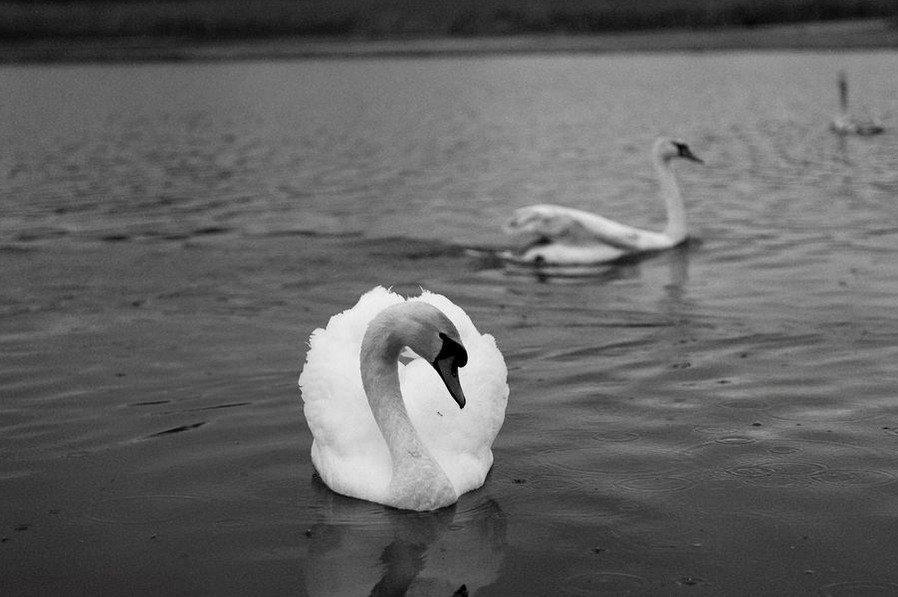
The brave swan and the musician friend children's story follows a lonely swan who discovers his worth through friendship, courage and loyalty. A musician notices the bird and offers kindness without pressure. Over time, he earns the swan's trust through quiet, repeated attention. The story works well for shared reading because its emotional conflict is easy to follow, while its message develops through several concrete events.
What the story should contain
A reliable edition keeps the quiet park, the pond, the young swan's loneliness and his first meeting with the flautist. These details explain why the bird feels overlooked and why the musician's simple attention matters. Without this opening, the later friendship loses much of its emotional force.
The musician arrives in town alone and plays his flute beside the pond. The swan listens, accepts bread from his hand and gradually begins to trust him. Their relationship grows through repeated meetings rather than instant familiarity. That progression gives children a clear example of patience and respectful care.
The central test begins when hunters approach before the swans leave for warmer lands. The young bird warns the flock and fights to protect them, but injures his wing during the escape. His bravery comes through what he does, not through pride or physical strength. This action gives the title its meaning.
How to verify an edition before reading
Check that the text preserves the cause-and-effect sequence. The swan first feels invisible, then meets the musician, protects his flock, accepts help and eventually returns to the pond. A version that begins with the rescue may still be readable, but it weakens the lesson about how trust develops.
Pay close attention to the wounded wing. The musician sees the red mark, understands that the bird cannot migrate and offers shelter without forcing him to follow. After the musician walks away, the swan chooses to leave the pond. This detail presents friendship as voluntary rather than controlling.
The recovery at the musician's home should also remain intact. He gives the swan water and porridge, prepares a cosy corner, tends the injury and plays melodies while the bird heals. These practical acts make the friendship believable. They also give adults natural opportunities to discuss care, responsibility and consent.
Packaging the story for shared reading
Before giving a printed copy to a child, inspect the cover, binding and page edges. A damaged binding can interrupt reading during important scenes, especially when the story is shared repeatedly at home or in a classroom.
Illustrations should reinforce the sequence rather than replace it. The flock leaving for the south, the injured swan beside the pond, the musician's home and the spring reunion each carry a different emotional meaning. When these moments are visually distinct, children can follow the movement from danger to recovery more easily.
When several copies are prepared for a group, inspect them as one batch. Compare the title page, chapter order, illustrations and final pages in every copy. This check prevents a situation in which some children receive the complete farewell while others receive an incomplete or altered ending.
What children can discuss after reading
- The swan believes he is ordinary because people overlook him. Ask what the musician notices first and how that changes the bird's view of himself.
- The bird saves the flock even though he feels separate from it. Discuss why someone may protect others before receiving recognition from them.
- The musician lets the swan decide whether to follow him. Talk about how kindness can include giving another person time and space.
- In spring, the musician lets his friend return to the flock. Children can consider why a caring friend may feel happy even when saying goodbye is difficult.
Short acceptance checklist
- The park, pond, swan and musician appear in the correct opening sequence.
- The flute, bread and gradual trust remain part of their first meeting.
- The swan warns the flock and injures his wing while facing the hunters.
- The musician provides shelter, food and care without forcing the bird to stay.
- The spring reunion and farewell preserve the story's message about loyal friendship.
- The final pages are complete, legible and securely bound for repeated reading.