What Does “Evidence-Based” Really Mean When We Talk About Wellbeing?
I have a list in my notes app titled "things that actually helped." It isn't filled with $200 candle recommendations or the latest superfood powders that taste like lawn clippings. It’s filled with boring, solid, unsexy interventions: a consistent sleep schedule, therapy, blood work, and the realization that my Tuesday morning routine determines my Friday energy levels more than any weekend "reset" ever could.
Over the last nine years of covering the UK wellness beat, I’ve watched our collective approach to health shift from the frantic, detox-obsessed culture of 2015 to something—hopefully—a bit more grounded. But there is a massive, looming problem: the misuse of the term "evidence-based." It has become a marketing buzzword, slapped onto everything from crystal-infused water bottles to restrictive diet plans, designed to make you feel like your health is just one purchase away from perfection.
But what does "evidence-based" actually mean, and more importantly, how do you know if the advice you’re following is built on sand or solid ground?
The Evolution of UK Wellness: From Fads to Research-Driven Choices
A decade ago, the UK wellness scene was dominated by "wellness influencers" who promised that cutting out entire food groups would solve your burnout, clear your skin, and perhaps even fix your tax returns. It was loud, it was expensive, and it was almost entirely anecdotal. If someone felt better after a juice cleanse, they assumed it was the juice, ignoring the fact that they’d also started sleeping eight hours a night and quit a stressful job.
Today, the conversation has matured. We are seeing a move toward research driven choices. We’re asking for blood panels, we’re looking at wearables, and we’re questioning the efficacy of the "wellness industry" itself. But while the *access* to information has skyrocketed, our ability to filter that information has struggled to keep pace.
Defining Evidence-Based Care
In a clinical context, evidence based care is a marriage of three things: the best available research, clinical expertise, and your own personal values and circumstances. It isn't a static set of rules. It is an evolving process.
When you see a health claim, ask: Is this backed by peer-reviewed, randomized control trials, or is it a small study funded by the company selling the product? In the UK, we have the gold standard: NICE guidance (National Institute for Health and Care Excellence). NICE provides recommendations on how healthcare professionals should treat various conditions, and they base these on rigorous reviews of evidence. If you’re looking to improve your wellbeing, comparing advice against NICE guidelines is a great way to filter out the noise.
For example, if a blogger claims a specific supplement will "cure" your chronic stress, check it against what is actually evidence-based. Usually, the research points to sleep, cognitive behavioral techniques, and movement—things that are rarely as profitable to sell as a bottle of pills.
The Power of Personalization
One of the most annoying aspects of extreme wellness messaging is the "one-size-fits-all" trap. We act as if there is one "ideal" human body and lifestyle. But your biology, your environment, and your history are unique.
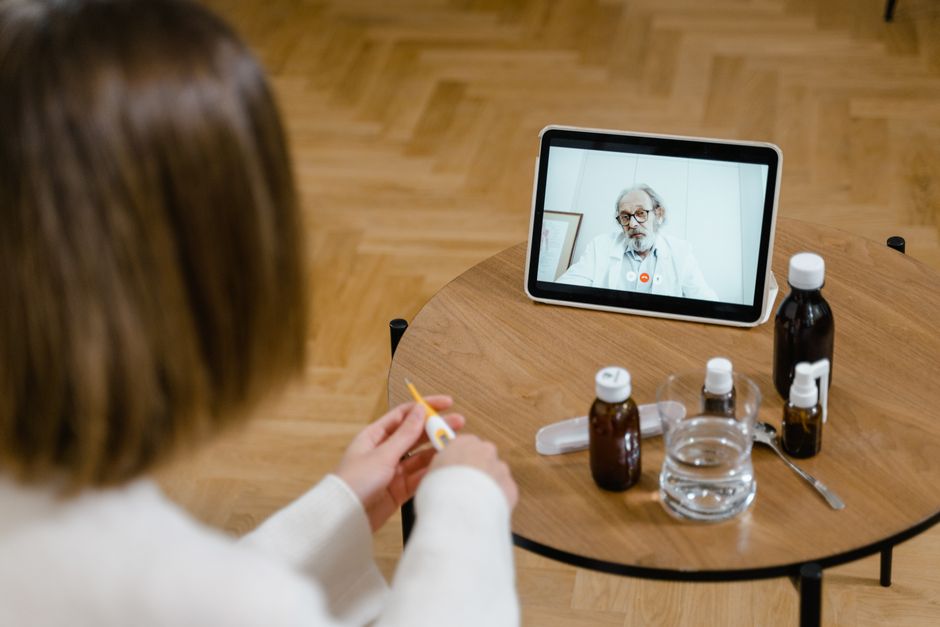
This is where telehealth and remote consultations have been a genuine game-changer. Historically, accessing a specialist for a quick question about a persistent sleep issue or recurring burnout meant taking half a day off work, waiting months for an appointment, and sitting in a sterile waiting room. Today, the ability to access evidence-based practitioners—nutritionists, GPs, therapists—via a screen has democratized access to personalised care.
Remote consultations allow you to have a conversation about *your* life. They allow for a partnership, not a lecture. When you can talk to a professional about what you’re actually dealing with, you can move away from general advice and toward something tailored to your needs.
What Does This Look Like on a Tuesday?
This is my mantra. If a piece of health advice requires me to prep 14 containers of food on Sunday, spend an hour meditating at 5 AM, and follow a routine that ignores my job, my kids, or my general humanity, it is not sustainable. And if it isn't sustainable, it isn't evidence-based, because the evidence consistently tells us that the best health outcome is the one you can actually stick to.
Let’s compare the "Instagram Hype" approach to an "Evidence-Based" approach:

Wellness Goal The "Extreme" Approach The Evidence-Based Approach Sleep Quality Ice baths at 3 AM and blue-light glasses for 12 hours. Consistent wake times, dimming lights in the evening, and managing caffeine intake. Stress & Burnout A $500 weekend retreat with no phone access. Identifying triggers, setting professional boundaries, and utilizing therapeutic support. Nutrition Strict exclusion diets with no medical necessity. Focusing on balanced macronutrients and fiber intake, as per NHS Eatwell guidelines. Medication Self-prescribing supplements based on a social media post. Consulting a professional via telehealth to discuss real symptoms and legal, safe treatments.
A Quick Note on "Hidden" Advice
I have to mention a pet peeve of mine. Lately, I see wellness influencers talking about medical cannabis as if it’s a lifestyle hack like kale smoothies. In the UK, medical cannabis is a legitimate, legal, and highly regulated treatment, but it is not a "wellness trend." It should only be accessed through a legal, clinic-led route where you are under the care of a specialist doctor. Discussing it without mentioning the legal and clinical framework in the UK is dangerous, vague, and dismissive of people who genuinely need that medicine for complex conditions.
Building Your Own "Things That Actually Helped" List
If you want to move toward a more evidence-based life, start here:
Vet your sources: Are you listening to a doctor, or an actor with a sponsorship deal? Use the "Tuesday Test": Ask, "Can I see myself doing this on a chaotic Tuesday in November?" If the answer is no, throw it out. Prioritize Access: Utilize remote consultations to get personalized data about *your* health rather than guessing based on what's trending. Look for the "Why": If you can’t explain *why* something is supposed to work based on a biological mechanism, be skeptical.
The Bottom Line
The shift away from extreme wellness is coming, and it’s being led by people who are tired of being sold to. True wellbeing isn't found in a 10-step protocol or a expensive, shiny package. It’s found in the small, boring, research-driven choices that keep you functioning well on a daily basis.
Stop looking for the "bio-hack" that will change your life overnight. Start looking for the boring stuff that makes you feel a little bit more like yourself, a little bit more energized, and a little bit managing PCOS symptoms naturally UK more at peace—even when it's just a regular, unremarkable Tuesday.