A Guide to the little toothbrush moral story for kids
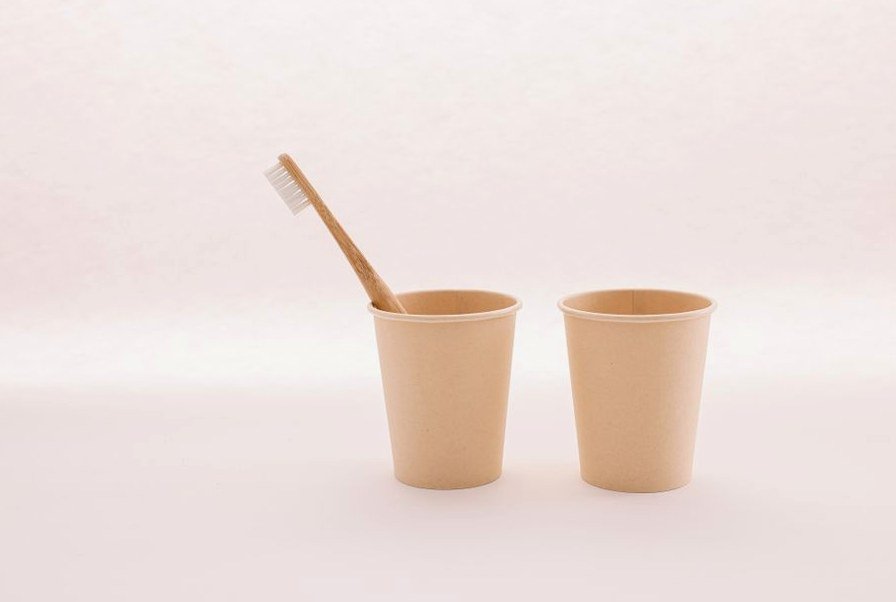
The little toothbrush moral story for kids teaches that quiet, careful work deserves respect, even when other people fail to notice it. A small toothbrush is mocked because she spends much of her time dry in a cup, but her true value becomes clear when she reaches a painful back tooth and cleans it thoroughly.
What happens along the toothbrush’s route
The story follows a simple route through the bathroom. The little toothbrush begins in a special cup beside the bigger brushes, travels to the faucet, receives toothpaste, and then enters the child’s mouth.
At first, her route often ends too soon. Someone may wet her and return her to the cup without brushing teeth. On another occasion, someone brushes quickly, so she comes back wet and smelling of toothpaste but has not visited every tooth. The larger brushes use each situation to tease her.
This movement gives children a clear picture of the difference between being used and doing a job properly. A toothbrush reaches its destination only when it cleans the teeth carefully, including the back teeth that are easy to miss.
Why the back tooth matters
The turning point comes when the little toothbrush is used for a long time. She visits every tooth and reaches one of the back teeth. That tooth explains that a tiny piece of candy stayed there for several days and caused a painful cavity.
The dentist treats the tooth and explains that regular brushing can help keep it from becoming sick again. The story connects the route of the brush with a direct result. When the brush reaches a neglected area, it removes the problem before it can continue causing pain.
For children, this detail makes the moral concrete. The lesson is not limited to being kind to someone who looks different. It also concerns responsibility, patience, and the small daily actions that protect the whole mouth.
How to read the story with children
Read the beginning slowly and let children describe the little toothbrush’s feelings. She cannot cry in the usual way, so she gathers her droplets and cries quietly into the sink with a soft “Drip... Drip... Drip...” This image helps children understand loneliness without making the scene frightening.
Pause when the bigger brushes insult her. Ask what they could have said instead, and whether a brush’s appearance or the length of a brushing session proves its value. Children can then compare the teasing with the later praise, when the brushes recognize how carefully she works.
The full story is available as the little toothbrush moral story for kids. Its short scenes suit bedtime reading, a classroom discussion, or a conversation before the morning and evening brushing routine.
The moral children can remember
The little toothbrush is not useless because she spends time waiting in the cup. She is ready for the moment when someone needs careful work. Her straight bristles and comfortable handle matter, but her real value appears when she reaches every tooth and does not hurry away.
The larger brushes also learn a second lesson. Their teasing makes the little brush sad, yet they change their behavior after seeing her work. They stop judging her and invite her to be their friend. The story therefore links dental care with kindness toward anyone who seems overlooked.
Using the story during brushing time
After reading, invite the child to name the teeth the toothbrush needs to visit. The front teeth, chewing teeth, and back teeth can become stops along the brush’s route, much like places on a short journey.
A parent can ask whether the brush reached every stop or returned to the cup too quickly. This keeps the discussion practical without turning brushing into a test or using the story to frighten the child.
The final rhyme gives the routine a memorable pattern: brushes feel happy and teeth feel glad when children brush twice a day. Before the next brushing session, can your child guide the toothbrush to every tooth, including the ones at the very back?