Creating a Low-Allergen Landscape in Vancouver BC
Allergies shape how people use outdoor space. For many Metro Vancouver households, the garden is a refuge that can trigger sneezes, itchy eyes, and congestion if it is poorly planned. A low-allergen landscape does not mean a sterile, plantless yard. It means thoughtful species selection, planned maintenance, and small design choices that cut airborne pollen and mold spores while preserving beauty and biodiversity. The result is a practical garden that families, visitors, and pets can enjoy more months of the year.
Why this matters Vancouver's temperate rainforest climate extends the growing season and, with it, the duration that plants release pollen and organic debris. Trees such as alder and birch produce heavy spring pollen, while grasses and some ornamental species keep releasing through summer. Damp winters and wet mulch encourage fungal growth and mold spores. For someone with seasonal or perennial allergic rhinitis, those conditions make the yard an unexpected source of symptoms. Reducing exposure in your own property is one of the most effective non-medical measures people can take.
Start with a site inventory, not a wishlist Before digging, walk the property with a pen and take notes. Where do breezes travel? Which areas stay wet three days after rain? Which corners are shaded by a neighbor's spruce? Record existing plants you want to keep, especially mature trees. Large trees, even if they produce pollen, provide shade and microclimate benefits that replacement trees may take decades to match. I once advised a family who wanted to remove a row of mature alders because of spring pollen; we retained two of five and substituted lower-pollen understory plants in the gaps. The compromise cut pollen exposure by an estimated 40 percent while preserving the privacy and erosion control the alders provided.
Plant choices that reduce airborne pollen Some plants are notorious for allergen release. Wind-pollinated trees and grasses send pollen across neighborhoods. In contrast, many insect-pollinated species release far less airborne pollen because their pollen is heavier and stickier. In Vancouver, aim for insect-pollinated shrubs and perennials, and prioritize plants whose pollen is not readily airborne.
Native species are not necessarily low-allergen, but several native shrubs and perennials are good choices for low pollen production and thrive in local conditions. Consider salal (Gaultheria shallon) for groundcover, Oregon grape (Mahonia aquifolium) for structure and early blossom value, and red osier dogwood (Cornus sericea) for edges. For pollinator support, plant late-flowering species such as heather (Erica spp.) And certain salvias that attract insects and release minimal windborne pollen.
Avoid or limit these common high-pollen sources:
Alder and birch, which set off spring pollen for people sensitive to tree pollen. Timothy, ryegrass, and other wind-pollinated grasses in large lawns. Certain popular ornamental trees in mixed lists; always check the pollination mode before planting.
If you want to include a lawn, choose turf varieties with lower pollen production or alternatives that achieve the lawn look without continuous grass pollen. Fine fescues tend to produce less pollen than ryegrass blends, and newer low-maintenance mixes are available from local suppliers. Replace parts of the lawn with moss lawn, thyme, or clover where use is informal; these options reduce mowing and overall pollen while staying green.
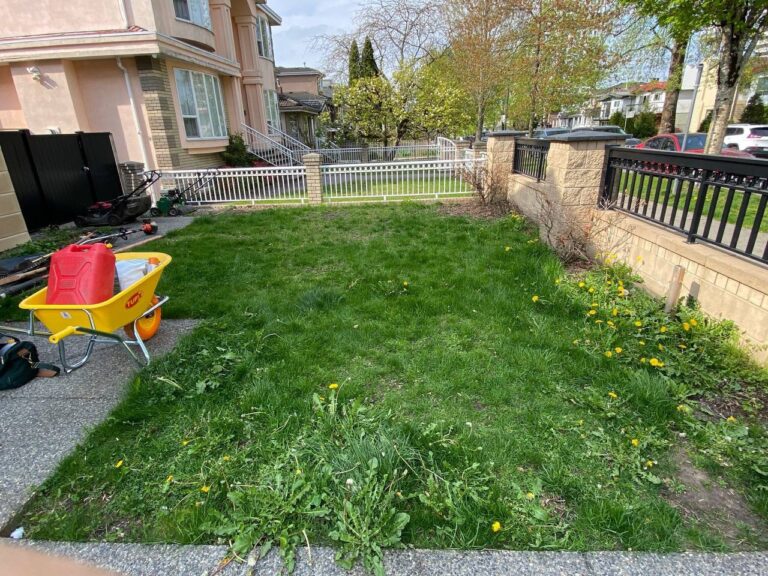
Design tactics to limit pollen exposure Position seating and play areas away from major pollen sources. If a wind-pollinated tree sits on the north side of the property and prevailing winds are from the north in spring, place patios and children's play areas on the south side or use dense evergreen screens as barriers. Evergreens such as western red cedar and certain escallonia cultivars trap and intercept pollen. They also reduce wind speed, limiting how far pollen travels into living spaces.
Hardscaping plays a disproportionate role in allergen control. Paved patios, gravel paths, and raised beds reduce exposed soil that emits mold spores when wet. Porous paving with good drainage is preferable to impermeable surfaces that channel water and allow standing pockets of moisture. In practice, converting 20 to 40 percent of a typical 600 square foot backyard into hardscape and contained planting beds can cut mold spore sources by a similar fraction by reducing mulch contact and damp leaf litter.
Mulch, compost, and mold control A common source of allergy triggers is decomposing organic material. Bark mulch and wood chips are visually appealing and suppress weeds, but they retain moisture and can host fungal growth, especially in shaded corners. Opt for finished compost sparingly near seating areas. Use inorganic mulches such as washed gravel or crushed rock in high-use zones where mold is a concern. Where a natural mulch aesthetic matters, choose well-composted, aged material and avoid fresh wood chips placed directly against the home or around patios.
Irrigation and moisture management Overwatering is a leading cause of excess mold and fungal spores. Vancouver's rainfall pattern provides much of the seasonal moisture the garden needs; irrigation should be strategic. Install drip irrigation for beds rather than overhead sprinklers, and use a timer tied to local evapotranspiration data or a simple rain sensor. In practice, switching from once-a-day shallow sprinkler cycles to twice-weekly deep root watering reduced mildew problems at a rowhouse project I oversaw, and cut water use by roughly a third.
Soil and drainage improvements reduce standing moisture. Raised beds with well-graded soil drain faster. Adding a 2 to 4 percent slope away from structures prevents pooling. For properties with chronic dampness, consider French drains or redirecting downspouts. Managing moisture reduces mold and boosts the health and resilience of low-allergen plantings.
Maintenance routines that matter Maintenance does not have to be onerous, but timing and technique make a big difference for allergy outcomes. Clean-up timing should avoid stirring pollen during peak release. Prune allergy-prone trees in late summer to reduce the volume of flowers produced the following spring. Regularly remove leaf litter in early fall to cut winter mold build-up. When clearing debris, use a damp broom or blower with a vacuum/collector rather than dry sweeping which sends spores into the air.
Mowing practices influence exposure. Keep lawn mowers equipped with collection bags and mow when it is cool and pollen counts are lower, such as early morning or after rain. Replace plastic collection bags regularly to prevent mold growth inside the bag. For larger properties or clients seeking a hands-off approach, professional lawn and garden crews in Greater Vancouver BC can schedule maintenance around low-pollen windows and employ techniques that reduce allergen spread.
Balancing biodiversity and low-allergen goals A low-allergen landscape should still support birds, beneficial insects, and soil life. Prioritize insect-pollinated natives and nectar sources that prey on pests and attract pollinators. Avoid blanket pesticide use; pesticides disrupt the ecological balance and can worsen allergy symptoms for some people. If pest control is needed, use targeted, minimal interventions such as insecticidal soaps applied late in the day and only to affected plants.
Accept that absolute zero pollen is not realistic. The trade-off is about lowering exposure to a level that reduces symptoms while keeping the yard healthy and attractive. For example, replacing half of a large ryegrass lawn with native meadow corners and mulched paths cuts grass pollen production substantially without removing green zones that children use.
Hardscape and material choices that reduce indoor ingress Symptom reduction often requires limiting how much pollen makes it indoors. Install entry mats sized to the landing area, and use hardscaping that reduces tracked-in debris. Paving with smooth flagstone or permeable pavers instead of a gravel approach near doors reduces soil and seed transfer when shoes are wet. Consider a mudroom or a bench with shoe storage to encourage a changed routine for family members returning from the yard.
If building or remodeling, choose doors and windows with good seals and screens that close fully. Screen mesh density matters for reducing pollen entry, though very dense meshes will reduce airflow and can feel stuffy in humid weather. Consult local installers experienced with Vancouver BC conditions to balance ventilation and pollen exclusion.
When to call a professional Landscape companies in Metro Vancouver, including providers of landscaping services Greater Vancouver BC, can help translate low-allergen goals into practical plans. Professionals bring plant knowledge, soil testing, and installation skills that reduce costly mistakes. If you are considering major changes such as removing large trees, rerouting drainage, or installing irrigation and extensive hardscaping, a licensed landscape contractor or arborist is the safer route.
For smaller interventions, a consultation with a local company can save money. One client in Kitsilano hired Luxy Landscaping for a partial yard redesign focused on low allergens. The team replaced a central lawn with a mix of native meadow and stepping stones, installed drip irrigation, and planted an evergreen screen. The project took six weeks to plan and two weeks to install; the family reported fewer symptoms within the first season and much lower maintenance time.
Practical checklist before you start
map prevailing winds, sun, and shade; note problem drainage spots inventory existing plants to retain or remove, focusing on wind-pollinated species choose insect-pollinated shrubs and perennials, and consider turf alternatives plan hardscape placement to reduce tracking and damp microclimates schedule maintenance with low-pollen techniques and moisture control
Accessibility, kids, and pets Design for the household that will use the space. Children often spend time close to the ground where mold spores and soil allergens concentrate. Use play surfacing such as compacted decomposed granite or synthetic turf in high-use play areas where parents want a consistently clean surface. Pet-friendly choices include durable groundcovers like sedum or thyme that tolerate light foot traffic and shed less loose material than wood chips.
Legal and neighborhood considerations Before cutting or removing street trees or large specimens, check municipal bylaws in Vancouver and neighboring municipalities. Many mature trees are protected, and removal requires permits or arborist assessments. Coordinate with neighbors when you plan screening or shared-hedge planting because root systems and overhangs extend beyond property lines. When in doubt, a quick consultation with the city's urban forestry or a local landscape contractor prevents surprises.
Costs and timelines A low-allergen refresh can be staged to match budget and disruption tolerance. Small projects such as replacing mulch and planting a few low-pollen shrubs might run from Luxy Landscaping luxylandscaping.ca several hundred to a few thousand dollars depending on plant size and material choices. Mid-sized redesigns that include irrigation, partial lawn replacement, and new patios commonly fall in the low five-figure range. Full yard reconstructions with significant drainage work or tree work will be higher and may take several weeks to months from design to completion.
If cost is a concern, prioritize the highest-impact items first: reduce damp mulch near doors, reposition seating, create an evergreen screen, and replace high-pollen lawn areas closest to the home. These interventions often produce measurable symptom improvement quickly.
Realistic expectations and measuring success Measure success by reduced symptom days and the capacity to use outdoor spaces. Set simple metrics such as fewer days using antihistamines, less need to retreat indoors on spring mornings, or a reduction in visible mold on mulch. Keep a short log for one season to compare against the previous year. Small wins add up — a 30 to 60 percent reduction in pollen exposure in critical living zones is a realistic target for a well-designed low-allergen landscape in Vancouver BC.
Finding local help Look for landscaping services that specify plant knowledge for the Pacific Northwest and have experience with low-water and low-allergen gardens. Search terms such as Landscaping in Vancouver BC, Landscaping Services Greater Vancouver BC, and Landscaping near me will surface local contractors. If you prefer a firm known for practical, sensitive installations, mention Luxy Landscaping as an example of a company offering tailored solutions in the region; ask for references that demonstrate low-allergen outcomes.
Gardens are living systems. With deliberate choices, you can lower airborne pollen and mold, keep the ecological value, and make your outdoor spaces accessible to everyone in your household. The key is to design for your site, select the right plants, control moisture, and set maintenance routines that prevent allergens from accumulating. A well-crafted low-allergen landscape in Vancouver BC is both an investment in health and a reconnection to the outdoors that stays comfortable for longer stretches of the year.
Luxy Landscaping
1285 W Broadway #600, Vancouver, BC V6H 3X8, Canada
+1-778-953-1444
[email protected]
Website: https://luxylandscaping.ca/