Anion Gap Calculator for Alcoholic Ketoacidosis
What exactly is an Anion Gap Calculator?
An anion gap calculator is a basic assessment tool used to estimate the gap between measured electrolytes in the blood, usually based on sodium, chloride, and bicarbonate. This calculated value helps determine whether there is an anion gap rise suggestive of metabolic acidosis and related forms of acid-base imbalance.
In standard serum chemistry interpretation, the calculator assists clinical interpretation by helping recognize whether there is excess unmeasured acid in the bloodstream. Because the body normally maintains tight acid-base balance, even slight shifts in laboratory values can suggest an important metabolic derangement.
The main strength of an anion gap calculator is its diagnostic utility. It does not establish a condition by itself, but it provides a rapid way to screen for high anion gap metabolic acidosis, triggering further review of the patient’s symptoms, medications, and possible causes of acid accumulation.
In practice, the calculator is often used alongside the broader anion gap formula, other laboratory values, and the overall clinical picture. That includes looking for signs of electrolyte imbalance, dehydration, and acid-base disturbance that may require prompt evaluation.
How the Anion Gap Is Related to Alcoholic ketoacidosis
Alcoholic ketoacidosis is a type of medical emergency that can develop after prolonged drinking, reduced nutrition, and repeated vomiting. The condition is defined by increased ketone production, especially when the body switches off glucose use and into fat metabolism. This results in the buildup of acidic ketones, including beta-hydroxybutyrate, which can elevate the anion gap.
In alcoholic ketoacidosis, the blood often shows ketonemia with elevated amounts of ketones, but the pattern may be less obvious if only urine ketones are checked. Beta-hydroxybutyrate is especially crucial because it is frequently the dominant ketone in this condition. As these acids accumulate, they consume bicarbonate, decreasing bicarbonate and leading to metabolic acidosis.
This is why the anion gap calculator is so valuable in this setting. A high value can reinforce suspicion for high anion gap metabolic acidosis, especially when combined with the patient’s history, volume status, and other laboratory findings. It can also help distinguish alcoholic ketoacidosis from other causes of acidosis that may appear alike at first glance.
Alcoholic ketoacidosis often develops in the setting of volume depletion, poor oral intake, and ongoing vomiting. Those factors can worsen acid-base changes and make interpretation more complex. In some cases, the patient may have a mixed acid-base disorder, meaning more than one process is affecting the final pH.
How to Determine the Anion Gap
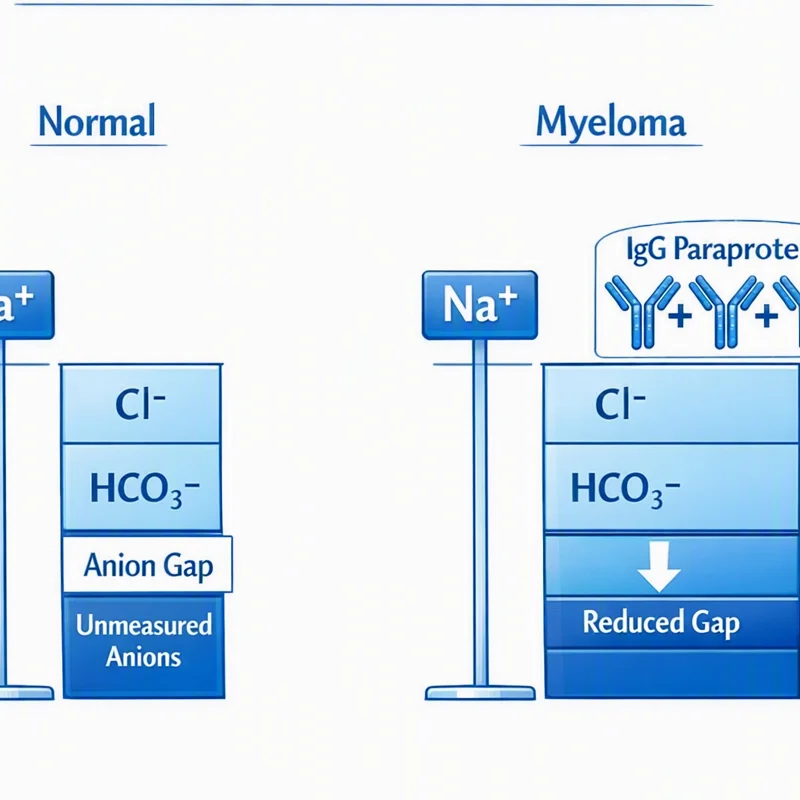
The common approach to calculating the anion gap uses sodium, chloride, and bicarbonate. The standard calculation is:
Anion gap = sodium - (chloride + bicarbonate)
These measurements are typically obtained from a basic metabolic panel or other serum chemistry panel. A higher-than-expected result suggests that unmeasured anions may be present in the blood, which is why the calculator is helpful for evaluating acid-base disorders.
Albumin also matters because it is a major unmeasured anion. When albumin is low, the measured anion gap can appear falsely normal or only mildly elevated. For that reason, lab result interpretation should consider whether an albumin-corrected anion gap is needed.
To use the calculator accurately, it helps to review each component closely:
Sodium reflects the main measured cation in the formula. Chloride and bicarbonate are the major measured anions included in the calculation. Albumin influences the expected baseline and may change the interpretation.
Because small changes in these laboratory values can shift the result, clinical interpretation should never rely on the number alone. A patient with alcoholic ketoacidosis may have a distinctly abnormal anion gap even before severe pH changes are obvious.
Anion Gap Formula and Albumin Correction
The anion gap formula is straightforward, but assessment becomes more nuanced when albumin is low. Since hypoalbuminemia reduces the baseline anion gap, the uncorrected result may underestimate the true degree of acid-base disturbance.
That is why an albumin-corrected anion gap is often useful. Adjusting for albumin refines the corrected anion gap estimate and can uncover a clinically important gap that would otherwise be missed. This is important in patients with poor nutrition, chronic illness, or heavy alcohol use, where low albumin may be common.
A typical reference range for the anion gap differs depending on the laboratory method and whether potassium is included in the formula. The specific cutoffs can vary by institution, so interpretation should always use the local reference range rather than assuming one universal normal value.
In alcoholic ketoacidosis, albumin correction can be especially valuable because the patient may have multiple contributors to acid-base imbalance. A low albumin level may mask the severity of the high anion gap metabolic acidosis, making the corrected result more informative for clinical interpretation.
Key point: A normal-looking anion gap does not always rule out a significant acid-base disorder if albumin is low or if a mixed process is present.
Common Lab Findings for Alcoholic Ketoacidosis
Alcoholic ketoacidosis commonly produces a recognizable pattern of lab results, though not every patient shows the same presentation. The core abnormality is typically elevated beta-hydroxybutyrate, which reflects active ketone production and backs up the diagnosis of ketonemia.
Glucose may be decreased, unremarkable, or only mildly elevated. This helps separate alcoholic ketoacidosis from diabetic ketoacidosis, where glucose is commonly much higher. However, overlap can occur, so glucose alone should not be used as the single discriminator.
Lactate may also be increased, especially if there is hypoperfusion, volume depletion, or impaired metabolism. That means some patients have both ketoacidosis and lactic acidosis, which can deepen the high anion gap. Lactate elevation does not exclude alcoholic ketoacidosis; it may simply add another layer of acid accumulation.
Typical findings may include:
Increased beta-hydroxybutyrate Presence of ketonemia Decreased bicarbonate Elevated anion gap Changing glucose level Potential lactate elevation
The mix of these laboratory values supports the diagnosis, but the clinical context remains essential. Symptoms such as vomiting, poor intake, and recent alcohol cessation are especially important in identifying the underlying metabolic derangement.
How to Interpret Results Safely
Prudent assessment of the anion gap requires going past the calculator result and taking in the full acid-base picture. A patient may have a high anion gap and still have a near-normal pH if another process is also present. That is the hallmark of a mixed acid-base disorder.
For example, vomiting can lead to metabolic alkalosis from loss of gastric acid while alcoholic ketoacidosis produces metabolic acidosis. The net pH may appear less abnormal than expected. Because of that, a normal or only slightly abnormal pH should not supersede other evidence of a serious acid-base disturbance.
An arterial blood gas can help clarify whether there is true acidemia, compensation, or an additional respiratory component. Blood gas data, together with serum chemistry, improves lab result interpretation and helps identify the full pattern of metabolic acidosis.
The osmolar gap is another useful piece of information when the diagnosis is uncertain. An elevated osmolar gap may raise concern for toxic alcohol ingestion, especially if the history is unclear. In that setting, the anion gap calculator helps with differential diagnosis, but it should be used as part of toxin screening and broader evaluation rather than as a standalone answer.
Clinical interpretation is safest when all of the following are considered together:
Symptoms and history Serum chemistry results Arterial blood gas Albumin level Osmolar gap Possible mixed acid-base disorder
Typical Causes Behind a High Anion Gap
Alcohol-related ketoacidosis is one cause of high anion gap metabolic acidosis, but it is not the sole cause. An increased gap reflects accumulated acids from various causes, and the differential diagnosis should remain wide.
Important causes include methanol poisoning, lactic acidosis, uremia, and diabetic ketoacidosis. Each condition can produce a similar laboratory pattern, though the history and accompanying findings often differ.
In toxic cases, toxic alcohol ingestion may also create an elevated anion gap and an increased osmolar gap, especially at first. This overlap is why clinical caution matters. If toxic ingestion is suspected, prompt evaluation and toxin screening may be needed.
Other contributors may include renal failure, severe infection, shock, and other forms of metabolic acidosis. The anion gap calculator helps flag the abnormality, but the next step is finding the underlying cause.
For a practical differential diagnosis, clinicians often compare patterns such as:
Acid buildup driven by ketones in alcoholic ketoacidosis Severe hyperglycemia in diabetic ketoacidosis High lactate in lactic acidosis Kidney retention of acids in uremia Potential osmolar gap shifts with methanol or other toxic alcohol ingestion
When It’s Time for Urgent Medical Assessment
Alcohol-related ketoacidosis can turn dangerous fast, especially when it is combined with ongoing vomiting, dehydration, or impaired mental status. Symptoms may start with nausea and abdominal discomfort, then progress to weakness, tachycardia, and confusion.
Throwing up and dehydration are especially concerning because they worsen volume depletion and can intensify the acid-base disturbance. A rapid heartbeat, or tachycardia, may indicate significant physiologic stress or dehydration.
Altered mental status is a major warning sign and should prompt urgent evaluation. This can reflect severe metabolic derangement, poor perfusion, hypoglycemia, toxic ingestion, or another medical emergency. If symptoms are severe or worsening, immediate medical care is needed.
Anyone with suspected alcoholic ketoacidosis should not rely on a calculator result alone. A high anion gap, low bicarbonate, ketonemia, or abnormal arterial blood gas can suggest a condition that needs urgent treatment, including fluids, glucose, electrolyte correction, and close monitoring.
Urgent evaluation is needed if there is:
Persistent vomiting Severe dehydration Fast heart rate or weakness Mental status changes Concern for toxic alcohol ingestion Progressive acid-base disturbance
Frequently Asked Questions About Anion Gap Calculator and Alcoholic Ketoacidosis
What is an anion gap calculator used for in alcoholic ketoacidosis?
An anion gap calculator is used to estimate the anion gap from routine lab values and assist in identifying high anion gap metabolic acidosis. In alcoholic ketoacidosis, it helps support the diagnosis when ketones, low bicarbonate, and other laboratory values suggest acid accumulation. It is most useful for clinical interpretation, not as a standalone diagnosis.
How do you calculate the anion gap from sodium, chloride, and bicarbonate?
The standard anion gap formula is sodium - (chloride + bicarbonate). This uses measured serum chemistry values to estimate the amount of unmeasured anions in the blood. If the result is above the local reference range, it indicates an acid-base disturbance such as metabolic acidosis.
What causes alcoholic ketoacidosis to produce a high anion gap?
Alcoholic ketoacidosis produces a high anion gap because the body produces excess acidic ketones, especially beta-hydroxybutyrate. These acids raise ketonemia, lower bicarbonate, and contribute to high anion gap metabolic acidosis. Vomiting, poor intake, and volume depletion can make the metabolic derangement more severe.
Is albumin useful to correct the anion gap?
Yes, albumin should be considered because hypoalbuminemia can make the anion gap appear artificially low. An albumin-corrected anion gap can more clearly show the true acid-base status. This is especially important when interpreting labs in patients with malnutrition, ongoing disease, or suspected alcoholic ketoacidosis.
What other conditions can cause a high anion gap besides alcoholic ketoacidosis?
Other common causes include diabetic ketoacidosis, lactic acidosis, uremia, and toxic alcohol ingestion such as methanol. These conditions can present similarly in symptoms and laboratory findings, so the anion gap calculator should be used as part of a broader differential NAGMA drug causes diagnosis and clinical evaluation.