Wet Basement Solutions That Actually Work in London, Ontario
Walk into a London, Ontario basement after a spring thaw and you can often smell the problem before you see it. Damp drywall, musty carpet, a tide line on the foundation wall from last month’s rain. I have crawled through enough utility rooms and dug enough perimeter trenches around homes in Old North, Byron, and Fox Field to know this is not a one‑size issue. The Thames River, the city’s clay‑rich soils, and our freeze‑thaw cycle combine to test every foundation. The good news is that a wet basement can be fixed, and fixed for good, if you pick solutions that match how water is getting in.
This guide lays out the methods that consistently hold up in London’s conditions. It also shows where to start, what to avoid, and how to make smart calls about cost versus permanence. Whether you are planning full basement waterproofing or trying to stop a single leak, the right diagnosis is worth more than another coat of “waterproofing paint.”
Why basements get wet here
Three factors drive most wet basement problems in London. Soil, water table, and structure.
Much of the city sits on clay and silty clay till. Clay swells when saturated, then shrinks as it dries. That movement stresses foundation walls, especially older block walls. I have seen block webs shear at the mortar lines on houses from the 1950s along Wharncliffe because of those cycles. The same clay is slow to drain, so water piles up against the footing for longer.
The Thames and its tributaries keep local groundwater higher than homeowners expect. In low areas of Byron and near the river flats, I have measured sump pits with a resting water level less than 30 centimeters below the slab after a heavy week of rain. If a slab crack or an unsealed pipe penetration exists, water will find it.
Finally, many older homes were built before current building code practices. Weeping tiles, when present, were often clay pipes that silted up decades ago. Some homes lack proper exterior dampproofing. Window wells were set without drains. Then add modern landscaping that traps water, or downspouts that dump against the wall, and minor seepage turns into standing water.
Start with a thoughtful assessment
When a homeowner calls about a wet basement in London, I start with the outside and work inward. The goal is to tell the difference between bulk water management problems and foundation defects.
I follow the downspouts before I ever look at a wall. Are they extended at least two meters, as the city recommends? Do they discharge onto a slope away from the house? Do eavestroughs overflow in rain because of undersized outlets or debris? I have solved more than one “mystery leak” by clearing a valley and adding a 3 by 4 inch outlet to a sagging gutter.
Next, I check grading. Lot grading in London subdivisions varies wildly. Newer lots may have swales that carry water to a storm catch basin, but settled soil along the foundation often creates a trough. If you see a negative slope toward the wall, fix that before you spend thousands inside.
Only then do I head to the basement. Identify whether water is coming through a crack, at the cove joint where wall meets slab, through a honeycombed patch in poured concrete, or from a pipe penetration. Look for efflorescence streaks that show historic water paths. If water shows up only during heavy rain, that points to surface runoff and weeping tile management. If it persists during dry spells, suspect a high water table or a plumbing leak.
If sewage smell or brown water appeared from a floor drain during a storm, that is a backflow problem, not a wall leak. Different fix, different permit path. London’s sanitary system can surcharge in intense events, so a backwater valve might be part of your solution.
The difference between waterproofing and water management
Contractors and big box aisles throw terms around. In practice, there are two families of fixes.
True waterproofing blocks water from entering through the foundation wall or footings. Exterior membranes, proper detailing at penetrations, and weeping tile replacement fall into this category. These stops work at the source.
Water management accepts that water will reach the wall or slab, then captures and redirects it so the basement stays dry. Interior drain channels, sump pumps, and vapor barriers on the interior face of the wall are in this camp. These can be more affordable and less disruptive, especially on finished homes, but you are managing water after it reaches the structure.
You can mix the two. On one ranch in Masonville, we did exterior waterproofing and new weeping tile along the back wall that faced an uphill slope, then used interior injection on two diagonal cracks in the garage foundation. The combo matched the different risks on each side of the house.
Fixes that actually work in London’s conditions
Exterior excavation and waterproofing remains the gold standard for chronic wall seepage, especially on block walls showing efflorescence across multiple joints. It is messy and not cheap, but it solves the problem where it starts.
A proper job means excavating to the footing, cleaning the wall, repairing mortar or honeycombing, applying a rubberized membrane or liquid‑applied elastomeric coating, and then placing a dimpled drainage board. Replace the weeping tile at the footing with 100 millimeter perforated PVC, wrapped in a clean gravel envelope and geotextile to resist silting. Tie the new weeping tile into a sump or an approved storm connection. In London, you cannot discharge a sump to the sanitary line. If the lot allows, a daylit outlet to a swale is excellent, but city by‑laws control where you can discharge.
On poured concrete walls with isolated cracks, injection is highly effective. For actively leaking cracks, polyurethane foam injection travels through the crack and expands, sealing against water movement. For structural cracks, especially those that are dry but open, an epoxy injection bonds the two sides and restores strength, then a polyurethane pass can address weeping. I typically drill at 45 degrees and place ports to intersect the crack at multiple depths. Done right, you do not see a return leak. If you can easily drag a fingernail into a crack wider than a toonie edge, evaluate structural reinforcement as well.
Interior drain systems solve water at the cove joint. We cut a slit around the perimeter slab, install a perforated drain channel in washed stone, then tie into a sump. This is very effective in homes where exterior excavation is impossible due to tight lot lines or mature trees within two meters of the wall. Add a vapor barrier on the interior wall face to guide wall moisture down to the channel. In London’s clay, I like to provide more clean gravel volume than the bare minimum. That extra stone buys time during peak inflow.
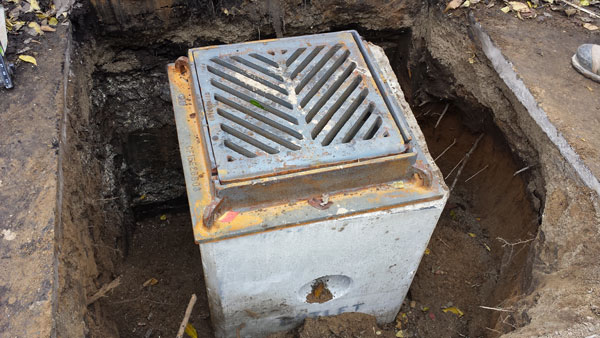
Sump pumps are a workhorse in London basements. The pump you pick, and the way you power and route it, matters. A 1/3 horsepower pump will handle most basements, but if your inflow is high, a 1/2 horsepower unit with a vertical float switch is a better choice. I have measured pits in Oakridge filling in pulses as the stormwater system surcharges during heavy downpours. A battery backup pump is not a luxury here. Power flickers in summer storms happen, and you want hours of runtime, not minutes. Aim for a sealed pit with an airtight lid to reduce humidity, route discharge to grade at least two meters from the foundation, and protect the line from freezing where it exits the house. In winter, a shallow discharge line can ice over and push water back into the pit, so a freeze relief or dual discharge that allows surface bypass helps.
Window well drainage gets overlooked. If a basement leak sits below a window and the well fills in storms, there is your source. A proper well extends above grade, is sealed to the wall, and has a drain tied to the weeping tile or a gravel sump at least 60 centimeters deep. Clear the well of leaves, and consider covers if trees are nearby. Replacing rusted corrugated steel wells with reinforced plastic models improves longevity in our salt‑touched winters.
Sometimes the cheapest fix is the right one. Eavestrough upgrades and downspout extensions cure a surprising percentage of “wet basement London Ontario” calls. Swap 2 by 3 inch downspouts for 3 by 4 inch. Add another downspout so a long run is not sending a river to a single corner. Set extensions on splash pads and keep them clear of winter ice dams. A half day of work can save thousands.
When interior management beats exterior digging
I like exterior solutions, but not at any cost. Finished homes in Wortley Village with stone patios, decks, and tight side yards often make excavation impractical. If water is limited to the cove joint and there is no sign of wall deterioration, an interior drain to a sump is a sensible path. It keeps the living space dry and you avoid tearing up landscaping and driveways.
Interior systems also make sense if you are dealing with a high water table pressing under the slab. Adding a sub‑slab depressurization‑style network, essentially a matrix of drain tile beneath the slab leading to the sump, relieves hydrostatic pressure that no wall membrane can address. On a North London bungalow with regular slab bubbling after multi‑day rains, we cut narrow channels on a 2.5 meter grid and interlinked them to the pit. The basement has stayed dry for three spring seasons since.
Foundation repair in London, Ontario, beyond water
Waterproofing is not the only foundation repair London Ontario homes need. If your poured wall has step cracks around a corner or the block wall bows inward more than about 25 millimeters over eight feet, you have a structural problem that water exaggerates. Carbon fiber reinforcement straps are useful for minor bowing. For more deflection, steel I‑beams, epoxied and bolted at top and bottom, stabilize the wall. In one White Oaks home built in the 1970s, frost pushing on saturated clay caused a 35 millimeter inward bow along a back wall. We installed beams at 4 foot centers, injected the cracks, and then improved exterior grading and drainage. The combination fixed both cause and effect.
Slab settlement around interior posts is another recurring issue. If you see gaps around lally columns or teleposts, or if a finished floor tiles crack in a ring pattern, investigate. Sometimes the post sits on a small pad that has punched down in wet seasons. Helical pier brackets to competent soil can re‑support loads, while interior slab voids can be pressure‑grouted. Do not rely on shimming a telepost alone if the base is moving.
Mold, air quality, and insurance realities
A wet basement is not just an inconvenience. Moisture above 60 percent relative humidity supports mold growth. I have opened finished walls after modest leaks to find black staining on paper‑faced drywall, with hidden studs wet to the touch days after the surface felt dry. If there has been a leak, cut inspection holes above the baseboard line to check. Replace wet insulation and drywall rather than trying to dry in place if saturation lasted more than 48 hours.
Run a dehumidifier through humid months, size it to your space, and duct it to a floor drain if possible. Keep the basement under 50 percent RH in summer. A sealed sump lid and a strong cap on any abandoned floor drain limit humidity and soil gas migration.
Talk to your insurer about coverage. Many policies in London exclude groundwater seepage but do cover sewer backup if you opt in. If you have had water through a floor drain, ask a licensed plumber about a mainline backwater valve and a permit. The Ontario Building Code requires a backwater valve when adding plumbing in certain basements prone to surcharge, and the City has run subsidy programs in the past. Even if you pay out of pocket, a valve and a sump with backup power are a strong one‑two for risk reduction.
Costs that are realistic for this market
Every house is different, but patterns emerge. For context, these are ranges I see in London in Canadian dollars as of recent seasons:
Exterior excavation and waterproofing along one wall, including new weeping tile, gravel, dimple board, and membrane, typically runs 8,000 to 15,000 for 30 to 40 linear feet. Add more if you need to remove and replace driveways or patios. Full perimeter exterior waterproofing on a typical bungalow can land between 25,000 and 45,000, depending on access and obstructions. Interior drain and sump on a 30 to 40 foot run often costs 5,000 to 9,000. Full perimeter interior systems usually range from 12,000 to 20,000. Crack injection for a single poured wall crack usually falls between 500 and 1,200, more if multiple passes are needed or if finishing must be opened and restored. A quality primary sump pump with a battery backup system and sealed pit generally costs 1,500 to 3,000 installed, including a proper exterior discharge line with freeze relief.
Expect permits if you modify plumbing or connect to storm infrastructure. Budget for drywall and flooring restoration if you open finishes. Good contractors will walk you through line items and put scope in writing.
London‑specific constraints and code notes
You cannot legally discharge a sump to the sanitary sewer in London. The discharge must go to grade, a storm sewer connection, or a designated sump line if your subdivision has one. Surface discharge must not create icing hazards on sidewalks or neighbouring properties. I have replaced several illegal laundry‑hose discharges that caused winter skating rinks at front walks.
Backwater valves require a plumbing permit and inspection. Install them in an accessible location. I prefer full‑port valves with a clear top so homeowners can visually confirm the flap is free of debris. Educate whoever lives in the house to check the valve after major storms.
Downspout disconnections from the sanitary line are already done on most homes, but older properties sometimes still have tie‑ins you only find during excavation. If you expose a tie‑in, cap it and reroute the downspout. The city’s guidance on downspouts and lot grading is practical and worth following: extend spouts at least two meters, maintain a 2 to 5 percent slope away from the house for at least two meters, and keep swales clear.
Common mistakes that keep basements wet
I see the same missteps across the city. Painting a leaking wall with a cementitious coating and calling it a day, for one. Those coatings can help with dampness but they will More helpful hints not hold back active leaks at the cove joint or a crack under hydrostatic head. They often flake when salts build up behind them in clay areas.
Another is installing a sump without a proper discharge plan. A pump that shoots water into a shallow buried line that freezes by January is a failure waiting to happen. The fix is simple, a surface bypass or a pop‑up emitter sited where it can drain and not create an ice danger.
Adding heavy river rock and plastic edging tight to the foundation without adjusting grade traps water. It looks neat on day one, then behaves like a moat during the first fall rain. If you must have stone, combine it with positive slope and avoid plastic borders that dam the edge.
Finally, ignoring small wall signs. Efflorescence, that white powdery bloom, is a flag. It shows water has moved through and left salts behind. On a poured wall, one small efflorescence streak might trace a tight crack that is easy to inject today, more costly tomorrow after freeze cycles widen it.
A simple first‑pass checklist before calling a crew
Walk the perimeter in rain and note where water pools against the house within two meters. Check that every downspout discharges at least two meters from the foundation and that eavestroughs do not overflow. Look for efflorescence lines or damp spots that trace a path on interior walls, and photograph them for reference. Lift a sump lid, confirm the pump cycles, and test the check valve by pouring in a bucket of water. Measure and correct negative grading by adding soil to re‑establish a gentle slope away from the wall.
If you do these five, you will either solve the issue or collect the right information for a pro to give you a targeted plan. I prefer meeting homeowners who have observed their house in rain. They save money because they help pinpoint the source.
Choosing between interior and exterior in real scenarios
Picture a 1960s side‑split in Old South with a block wall, moderate efflorescence, and seepage in two corners during spring thaw. The back corner faces an uphill yard where neighbours drain toward the fence. In this case, I recommend exterior waterproofing along the back wall, with new weeping tile and dimple board, because the soil pressure and surface drainage converge there. The side wall that only shows a hairline seep at the cove can tie into an interior drain that runs 20 feet to a sump in the furnace room. Hybrid approach, permanent fix where the load is highest.
Now consider a 1990s poured wall in North London with two vertical cracks at form ties and damp carpet near the stairwell after thunderstorms. No sign of seepage elsewhere, gutters are undersized and dump to the front walk. Upgrades here are straightforward. Swap to larger downspouts, extend them, inject the two cracks with polyurethane, and add a battery backup to a modest sump that already exists. No excavation needed.
A third case, a bungalow near the Thames with a slab that bubbles along the middle during sustained rains, no obvious wall leaks, and a sump that runs for hours. That is hydrostatic pressure under the slab. An interior sub‑slab grid tied to a larger pit with dual pumps, plus a dedicated exterior discharge line with freeze protection, addresses the issue. Exterior membranes would be an expensive distraction.
Finishing a basement after repairs
Many homeowners call for basement waterproofing London Ontario specialists because they want to finish the space. After repairs, the way you finish matters.
Keep organic materials off the floor and away from the wall. Use foam board insulation against the concrete with taped seams and a service cavity, not fiberglass batts pressed against a damp wall. Choose metal studs or keep wood framing decoupled from the wall with a small gap. Use moisture‑resistant drywall. Leave access to the sump and any backwater valve. If a contractor proposes laying vapour barriers on the slab and then carpet on top without thinking through trapped moisture, push back. Floating subfloors with dimpled membranes can work, but understand that any water finding its way under there will travel, so the perimeter drainage must be right.
If you installed an interior drain, integrate the wall vapor barrier so it directs condensation down into the channel. Do not punch a dozen holes for cable pass‑throughs that leave flaps for moist air to move behind your walls.
How to make the decision without second‑guessing it later
You will find plenty of contractors who promise a fast, cheap fix. You will also find firms who only sell one system. The best outcomes I see come from matching the method to the house and the water behavior.
Ask for a clear scope that describes where water is entering and how the proposal stops it or manages it. Ask how the design accounts for London’s clay soils and freeze cycles. Confirm discharge compliance with city rules. For wet basement London Ontario searches, you will see ads that lead to call centers. Try to talk to someone who has worked on houses like yours in your neighbourhood. If a contractor cannot explain why your Byron lot needs a different approach than a North London infill, keep looking.
Good work looks boring after the fact. Dry walls, a quiet sump pit, eavestroughs that do not splash over, and landscaping that sheds water. The before and after story shows up when spring arrives, the river swells, the clay swells with it, and your basement stays bone dry.
A final word on maintenance
Even the best system needs simple care. Clean gutters twice a year. Check downspout extensions after every winter storm. Test your sump and backup battery at the start of rainy season. Walk your basement walls in spring and look for new lines of efflorescence. Keep window wells clear. These are ten‑minute tasks, and they prevent ten‑thousand‑dollar problems.
Basement waterproofing is not mysterious. It is an honest combination of drainage, sealing, and power redundancy that respects the way water moves through London, Ontario soil. With the right plan, the only water in your basement will be in the shutoff valve for the garden hose, right where it belongs.
Ashworth Drainage — Business Info (NAP)
Name: Ashworth Drainage
Address: 514 Hale St, London, ON N5W 1G8
Phone: (519) 660-9375
Website: https://www.ashworthdrainage.ca/
Email: [email protected]
Hours:
Monday: 9:00 AM – 5:00 PM
Tuesday: 9:00 AM – 5:00 PM
Wednesday: 9:00 AM – 5:00 PM
Thursday: 9:00 AM – 5:00 PM
Friday: 9:00 AM – 5:00 PM
Saturday: Closed
Sunday: Closed
Open-location code (Plus Code): XRR3+HV London, Ontario
Map/listing URL: https://maps.app.goo.gl/9kaoXAxRtJRP1ThS9
Embed iframe:
Socials (canonical https URLs):
Facebook: https://www.facebook.com/ashworthdrainage/
X: https://twitter.com/ashworthrules
Instagram: https://www.instagram.com/ashworthdrainage/
"@context": "https://schema.org", "@type": "GeneralContractor", "name": "Ashworth Drainage", "url": "https://www.ashworthdrainage.ca/", "telephone": "+1-519-660-9375", "email": "[email protected]", "address": "@type": "PostalAddress", "streetAddress": "514 Hale St", "addressLocality": "London", "addressRegion": "ON", "postalCode": "N5W 1G8", "addressCountry": "CA" , "openingHoursSpecification": [ "@type": "OpeningHoursSpecification", "dayOfWeek": "Monday", "opens": "09:00", "closes": "17:00" , "@type": "OpeningHoursSpecification", "dayOfWeek": "Tuesday", "opens": "09:00", "closes": "17:00" , "@type": "OpeningHoursSpecification", "dayOfWeek": "Wednesday", "opens": "09:00", "closes": "17:00" , "@type": "OpeningHoursSpecification", "dayOfWeek": "Thursday", "opens": "09:00", "closes": "17:00" , "@type": "OpeningHoursSpecification", "dayOfWeek": "Friday", "opens": "09:00", "closes": "17:00" ], "sameAs": [ "https://www.facebook.com/ashworthdrainage/", "https://twitter.com/ashworthrules", "https://www.instagram.com/ashworthdrainage/" ], "hasMap": "https://maps.app.goo.gl/9kaoXAxRtJRP1ThS9", "identifier": "XRR3+HV London, Ontario"
https://www.ashworthdrainage.ca/
Ashworth Drainage provides basement waterproofing and foundation repair services in London, Ontario and surrounding areas in Southwestern Ontario.
The company helps homeowners address wet basements, water intrusion, and drainage issues with solutions that fit the property’s conditions.
Service requests can include foundation repair, waterproofing options, sump pump and drainage-related work, and related assessments.
Ashworth Drainage is based at 514 Hale St, London, ON N5W 1G8.
To reach the team, call (519) 660-9375 or email [email protected].
Business hours are Monday to Friday 9:00 AM–5:00 PM, with the office closed Saturday and Sunday.
For directions and listing details, use the map listing: https://maps.app.goo.gl/9kaoXAxRtJRP1ThS9.
Popular Questions About Ashworth Drainage
What does basement waterproofing help prevent?
Basement waterproofing is intended to reduce water intrusion and moisture problems that can lead to dampness, leaks, odors, and damage over time.
How do I know if I may need foundation repair?
Common signs can include visible cracks, water seepage, shifting or uneven areas, or recurring moisture problems; an on-site assessment is usually the best way to confirm causes and options.
What areas does Ashworth Drainage serve?
Ashworth Drainage serves London, Ontario and surrounding areas in Southwestern Ontario.
What are Ashworth Drainage’s hours?
Monday–Friday 9:00 AM–5:00 PM; Saturday closed; Sunday closed.
How can I contact Ashworth Drainage?
Phone: +1-519-660-9375
Email: [email protected]
Website: https://www.ashworthdrainage.ca/
Map: https://maps.app.goo.gl/9kaoXAxRtJRP1ThS9
Facebook: https://www.facebook.com/ashworthdrainage/
X: https://twitter.com/ashworthrules
Instagram: https://www.instagram.com/ashworthdrainage/