A thevalleydubai.ae overview for furnishing a new villa
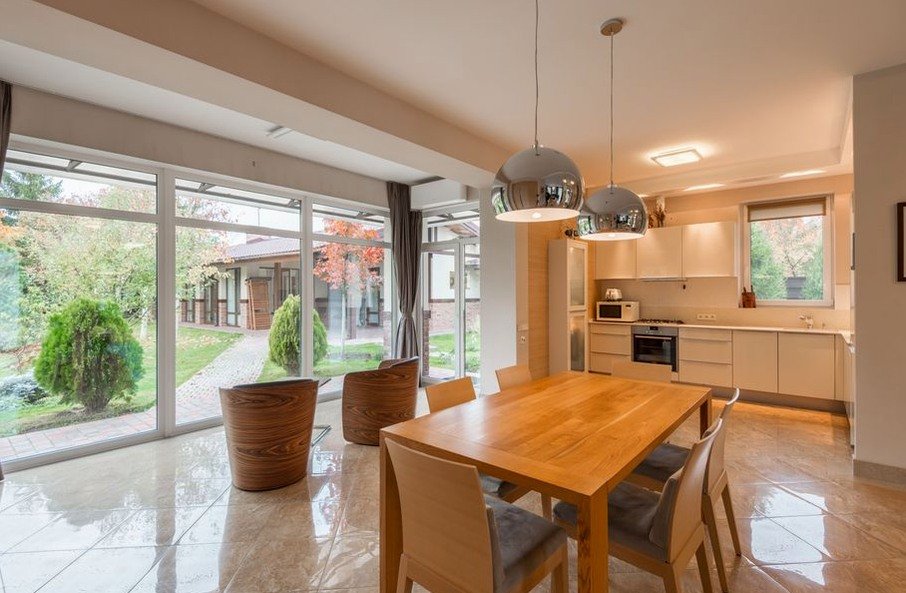
The Valley is a gated freehold suburb of villas and townhouses, with no apartments, so buyers who move in usually furnish four- or five-bedroom homes from scratch. That volume of furniture, appliances and fit-out goods is often sourced abroad. Three habits keep an overseas order from turning into a damaged or half-delivered shipment: verify the supplier before paying, inspect goods at the origin warehouse, and consolidate batches so everything arrives when the house is ready.
What the community means for your order
Emaar launched The Valley in 2019, and it covers about 200 hectares on the Dubai-Al Ain Road (E66). Phase 1 has been handed over and six clusters are occupied, while Phase 3 has launched and construction continues elsewhere. A thevalleydubai.ae overview shows ready clusters such as Eden, Talia and Elora next to active building zones. Deliveries to a handover-ready home therefore share roads with construction traffic, so confirm access rules and delivery windows with the developer or community management before booking a truck.
Homes here are priced for serious budgets. Villas are listed from AED 2,315,000 and townhouses from AED 2,350,000 as asking prices. Furnishing a house of that value with goods that arrive cracked or mismatched defeats the purpose, so the supplier checks below are worth the time.
Checking the supplier before you pay
Start with the business license and ask for it in writing, then match the company name on the license to the name on the invoice and bank account. A mismatch is the most common warning sign. Request photos of the actual stock, not catalog images, and ask for a short video of the warehouse showing your item numbers.
Order a paid sample before a full batch. Sofas, dining sets and wardrobes vary between production runs, and a sample tells you the real finish, weight and joinery. If the supplier refuses a sample or insists on full prepayment for a first order, walk away. Splitting payment between a deposit and a balance released after inspection protects you far better than any contract clause.
Inspecting goods at the warehouse
An inspection at the origin warehouse is cheaper than discovering defects in Dubai. Have an agent or a third-party inspector open a sample of cartons, check quantity against the packing list, and photograph labels, serial numbers and visible damage. Large items need a count of every component, because a missing leg or bracket cannot be fixed with a local trip to the shop.
Inspection also catches color and size deviations. A villa with 4 or 5 bedrooms may need six or more identical wardrobes, and a batch with mixed shades is hard to return once it has crossed the sea. Tie the balance payment to a passed inspection report.
Reinforcing packaging for a long route
Standard export cartons are built for a single truck leg, not for container handling, port transfers and a final drive to a suburb. Ask for corner protectors, edge boards, foam wrapping on finished surfaces and double-wall cartons for glass or stone tops. Wooden crates make sense for marble, large mirrors and anything fragile, though they add weight and cost.
Reinforcement stops being worth it for cheap, flexible items such as textiles and small decor. Spend the packaging budget on the pieces that cost the most to replace.
Consolidating batches around the handover date
Buying from several suppliers creates several partial shipments, each with its own freight charge and paperwork. Consolidation sends everything from one warehouse in a single container or shared load, which lowers per-item freight and gives you one delivery date. The tradeoff is waiting: the slowest supplier sets the schedule, so agree a cutoff date and drop late items into a second shipment.
Time the arrival to the handover. The Valley has no metro in its corridor and residents drive for most trips, so storing goods and rearranging trucks at the last minute is awkward. Dubai International Airport is about 9 minutes away by car, which helps for small urgent items that cannot wait for sea freight.
Acceptance checklist
- Supplier license, invoice name and bank account all match.
- A paid sample was approved before the full batch was produced.
- The inspection report lists quantities, photos and serial numbers.
- Fragile and high-value items arrive in reinforced packaging or crates.
- Every carton is labeled by room, and the packing list matches the count.
- The delivery window and site access were confirmed with the community before arrival.
- Damage is photographed at unloading, before the carrier leaves.