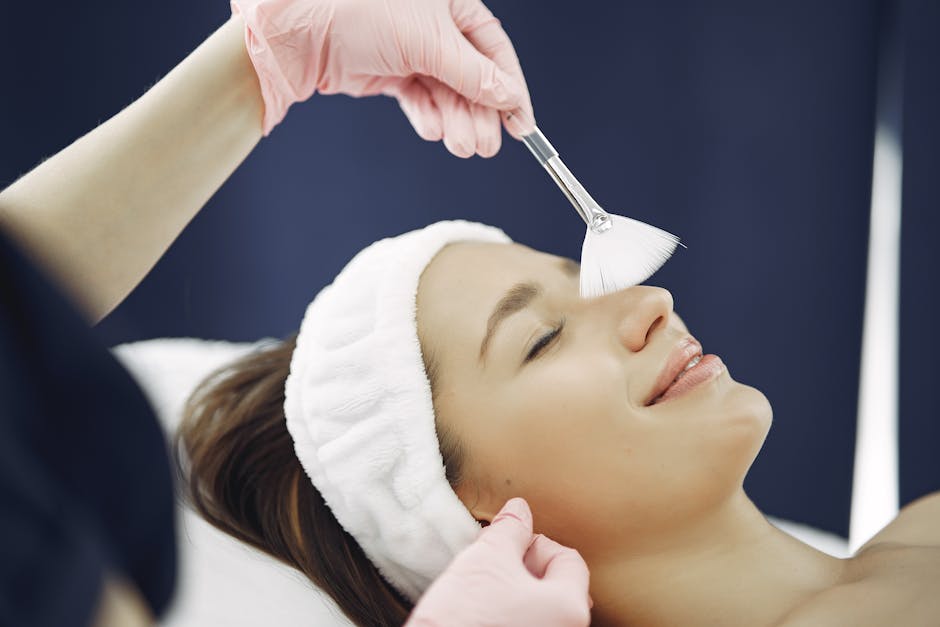
How Do Elite Clinics Actually Tailor Treatments to Your Skin Type?
If you have spent any time scrolling through social media or browsing local clinic menus, you have likely seen the same vague promises: "customised glow," "bespoke rejuvenation," or the dreaded "no downtime." But here is the professional reality I have learned after nine years in this industry: if a clinic promises a one-size-fits-all approach, they aren't tailoring anything—they are just selling you a commodity.
In the world of professional skin health, the difference between a high-end, results-driven clinic and a "discount-first" beauty centre often comes down to one thing: the integrity of the consultation process. When you walk into a place like My Bliss Clinic, you aren't just paying for a service; you are paying for the practitioner’s ability to assess your skin biology and map it against safe, proven protocols.
Medical-Grade vs. Beauty Centres: Who is Actually Holding the Needle?
The most important question you should ask before booking any treatment is: Who is actually holding the laser or the needle?
There is a massive chasm between a beauty therapist who has completed a weekend certification and a dermal clinician or cosmetic nurse who has years of university-backed training. In a medical-grade setting, the treatment isn't just about "fixing" a surface issue; it’s about understanding the systemic health of your skin. A qualified clinician will not just look at your face; they will assess your skin’s barrier function, hydration levels, and historical response to trauma.
If you find yourself in a clinic that refuses to tell you exactly what device is being used—or worse, won't disclose the brand of the injectables they are using—turn around. Transparency is the bedrock of safety. You deserve to know the make, model, and safety profile of the technology being pointed at your face.
The Anatomy of a Real Consultation
A "personalised plan" is not a sales tactic; it is a clinical requirement. During my time interviewing clinical experts, I have developed a mental checklist of what a high-quality consultation must include. If your session skips these, it’s a red flag:
Comprehensive Medical History: Have you disclosed all current medications, allergies, and your history with sun exposure? Objective Skin Type Assessment: Using more than just the Fitzpatrick scale, a good clinician should assess your skin’s elasticity, oil production, and sensitivity. Goal Alignment: Are your expectations realistic? If a clinic promises "zero downtime" after an ablative laser procedure, they aren't being honest with you about the healing process. Risk Disclosure: A clinic that will not explain the risks (like PIH or scarring) isn't a clinic you should trust with your face.
How Technology is Tailored to Your Skin
Modern clinics use advanced technology to bridge the gap between "guesswork" and "science." When we talk about skin rejuvenation, we aren't just slapping on a serum. We are often looking at a multi-modal approach. Here is how different technologies are adjusted based on your specific skin type:
Treatment Type How It’s Tailored Safety Considerations Injectables Dosing adjusted for muscle strength and facial anatomy. Must be administered by a registered nurse or doctor. Laser Therapy Pulse duration and fluence adjusted for your melanin level. Requires strict patch testing, especially for deeper skin tones. Skin Rejuvenation Depths adjusted for collagen production vs. surface texture. Needles or energy must be sterile and FDA/MedSafe approved.
Why "No Downtime" is Often a Myth
I hate the phrase "no downtime" unless it is accompanied by a specific timeframe. Even a "lunchtime peel" can lead to social downtime—redness, flaking, or photosensitivity. When a clinician says a treatment is "tailored to your lifestyle," they should mean they have calculated the recovery time based on your upcoming social calendar and the intensity of the settings used.
The Red Flags: What to Avoid
After nearly a decade in this space, I’ve seen some alarming patterns. Here is how to spot a clinic that prioritizes profit over patient outcomes:

The Pressure Sell: If they try to push you into a 12-month membership or a "package deal" before you’ve even seen how your skin reacts to a single session, walk away. thenakedchemist.com Dishonest Before-and-Afters: Look closely at the lighting. Is the "after" photo taken under ring lights or with a beauty filter? If there are no notes about lighting and settings, assume the results are exaggerated. Discount-First Marketing: If a clinic is consistently 50% cheaper than the standard market rate, something is being compromised. It’s either the practitioner’s experience, the sterility of the environment, or the quality of the device.
Privacy and Professionalism
When you book online, remember that your data matters. Reliable clinics take your privacy seriously. Just as you would expect a website like Akismet to manage digital spam with integrity, your clinic should manage your private health records with total confidentiality. If a clinic isn't using secure, encrypted patient management software, they aren't treating your skin health with the professional gravity it deserves.
Final Thoughts: Your Skin, Your Choice
Tailoring a treatment isn't magic—it’s methodical. It requires a clinician who understands the interplay between your genetics, your environment, and the energy-based devices or injectables being used. Never feel pressured to say "yes" to a procedure on the day of your consultation. A truly ethical clinician will encourage you to go home, sit with the treatment plan, and consider the risks before committing.
At the end of the day, you only have one face. Choose a practitioner who is willing to answer every single one of your questions without checking their watch. If they aren't willing to explain the how and the why, they have no business being responsible for the what.
Stay informed, keep asking questions, and always demand the credentials of the person holding the equipment. Your skin will thank you for it.